
Last updated on November 2nd, 2026 at 07:15 pm
A Salmonella outbreak traced to imported moringa powder sickened 131 people across 38 US states before federal investigators finally closed it. In our compound in Nigeria, the leaves never leave home, because we sun-dry, pound and sieve every batch ourselves.
We spread mature leaves on a flat surface in the sun and leave them for about four days.
Once they turn crisp and snap at a touch, I grind them in a blender or pound them with a pestle and mortar.
That homemade moringa powder goes into akamu, gets brewed as tea and sits in our kitchen for more than a year.
This page walks through that method step by step, then compares it with what lab studies and food regulators report.
It covers nutrients, daily uses, comparisons with other forms, buying checks, storage and who should take extra care.
Safety note: store-bought powder has been linked to a US Salmonella outbreak, so buy tested products and keep homemade powder fully dry.
Always consult your personal healthcare provider before adding new supplements to your routine, especially if you are pregnant, nursing, or taking prescription medications.
Table of Contents
What is Moringa Powder?
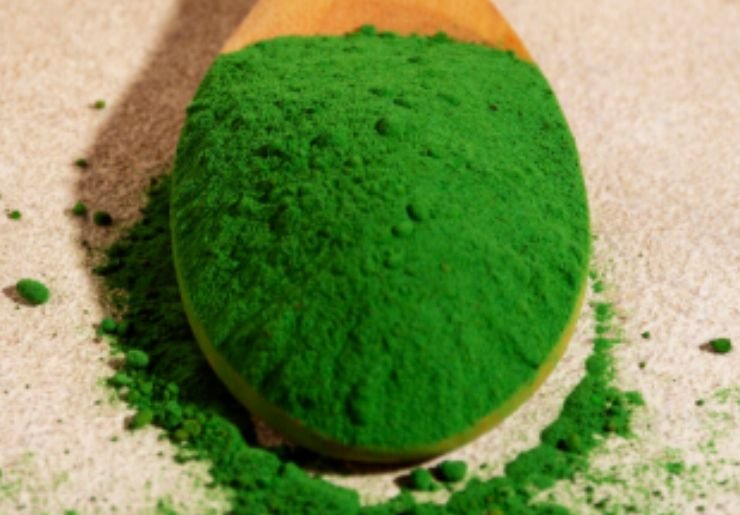
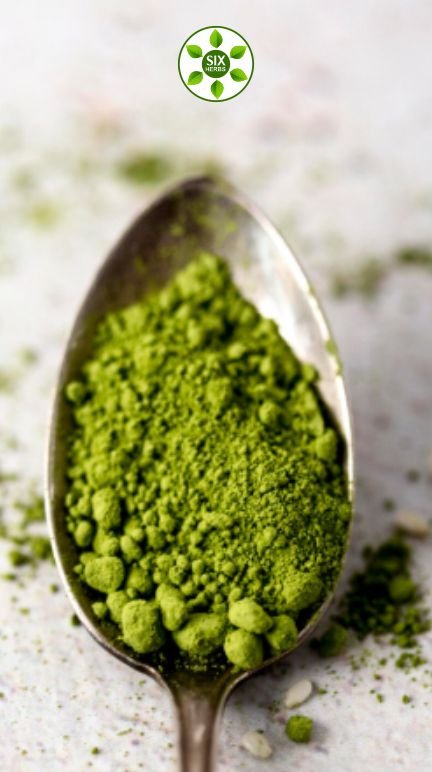
Moringa powder is the powder of moringa leaves, made by drying the leaves and grinding them into a fine green powder.
The tree is native to northern India and now grows widely across Africa and Asia, where people call it the drumstick tree or miracle tree.
The powder carries much of the leaf’s nutrition, including protein, vitamins A and C, calcium, potassium, iron, and plant antioxidants.
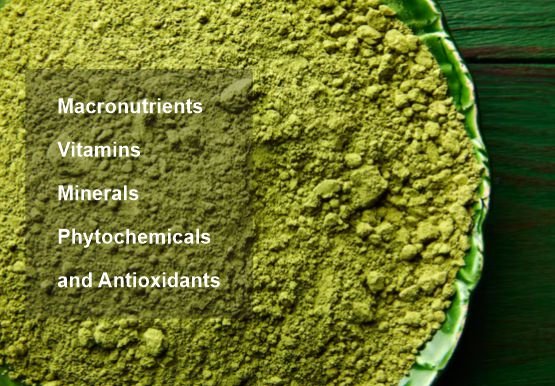
People stir it into smoothies, soups, tea, porridge, or yogurt, and some take it in capsule form as a daily supplement.
It has a grassy, slightly bitter taste, similar to spinach or matcha green tea.
Seeds and pods can also be dried and milled, but those products differ in taste, nutrients and safety questions.
Those parts have their own pages, so read about seed nutrition and safety or the pods as vegetables for them.
Every batch of powder starts as green leaves, and those leaves have their own uses in the cooking pot.
Picking, stripping and cooking fresh greens are covered under cooking with fresh leaves, so this page begins where drying starts.
How We Make Moringa Powder at Home in Nigeria
Choosing the Right Leaves
We use mature leaves for powder and keep the soft, tender tips for the cooking pot.
Mature leaves come from lower on the branch, and their firmer texture suits drying and grinding better than young growth.
Sun-Drying for About Four Days
- Strip the leaflets from their stalks and spread them on a clean, flat surface in full sun.
- Leave them in the sun for about four days, which is how long our batches take to dry fully.
- A thin layer lets air reach every leaflet, and covering or moving the batch before rain protects it.
- Check the leaves each day, and treat the batch as finished only when every leaflet feels crisp.
Knowing When the Leaves Are Dry Enough
The leaves are ready when they feel crisp and break apart easily between your fingers.
Leaves that bend instead of snapping still hold moisture, and that moisture is what leads to spoilage and mold in storage.
I make sure every batch passes that snap test before grinding, which is how our powder stays free of spoilage.
Shade drying, oven drying and other methods are compared under other ways to dry leaves, with timings for each.
Grinding With a Blender or a Pestle and Mortar
On some days I grind the dry leaves in a blender, which turns them into fine green dust quickly.
On other days I pound them with a pestle and mortar, the older way that needs more effort but no electricity.
Sieving and What Gets Left Behind
After grinding or pounding, I pass everything through a local sieve to separate the fine powder from coarse bits.
From about a kilogram of dried leaves, we end up with roughly 0.7 kilograms of fine powder.
The missing share is mostly tough leaf veins and fragments that refuse to grind fine and stay behind in the sieve.
Storing the Finished Powder
We pack the sieved powder into closed containers as soon as it is ready.
When the leaves were properly dry before grinding, our powder keeps for more than a year before it shows any sign of spoiling.
General rules on jars, light and humidity are gathered under airtight storage for herbs, which applies to every dried herb.
What Moringa Powder Contains
Removing water concentrates everything left behind, so gram for gram the powder carries far more nutrients than green leaves straight off the tree.
| Nutrient per 100 g | Dried leaf powder | Fresh raw leaves |
|---|---|---|
| Protein | 27.1 g | 9.4 g |
| Fiber | 9.1 g | 2.0 g |
| Calcium | 520 mg | 185 mg |
| Iron | 7.7 mg | 4.0 mg |
Sources: Masitlha and colleagues, 2024 for powder and the USDA raw leaf record for raw leaves.
The powder figures come from a 2024 study in Food Production, Processing and Nutrition, which dried leaves grown in Botswana at 55 °C before analysis.
Fresh leaves in the USDA record are 78.7 percent water, which explains most of the gap between the two columns.
Mineral levels in particular vary widely with soil, tree variety and drying method, so treat any single figure as a guide.
What those nutrients may do in the body is a separate and larger question than one table can settle.
The trials behind those questions are weighed under evidence behind moringa’s benefits, covering every form of the plant.
How We Use Moringa Powder
Stirred Into Akamu and Other Porridges
At home, we stir the powder into akamu, the fermented maize porridge also called pap or ogi.
We stir it in and mix well so no green lumps remain in the bowl.
Oat porridge, millet porridge and cornmeal work the same way for anyone outside Nigeria.
Brewed as Tea
We also brew the powder as tea, using about one spoonful for half a tumbler of hot water.
Letting it stand for a few minutes and stirring again before drinking keeps the fine particles from settling.
Fuller steeping methods with leaves and powder sit under brewing methods for moringa, alongside flavor pairings.
Mixed Into Water, Juice and Smoothies
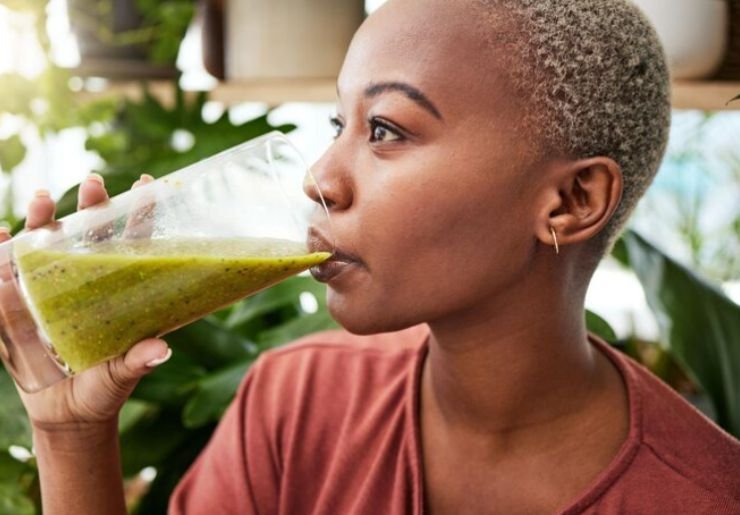
Many people outside Nigeria simply shake the powder into water, juice or a blended smoothie.
Fruit with strong flavors, such as banana, pineapple or mango, hides the earthy taste better than plain water does.
Added to Soups, Stews and Sauces
The powder can thicken and color a soup, stew or sauce in the final minutes of cooking.
Stir it into a little liquid first, because dry powder tossed straight into a hot pot tends to clump.
Full dishes built around the plant live under recipes using the leaves, with notes on swapping in powder.
Baked Into Breads and Snacks
Bakers add small amounts to bread dough, pancakes and energy bars, where it adds color without much taste.
Keep the share small, because a heavy hand gives baked goods a bitter, grassy edge.
Sprinkled Over Finished Food
A light dusting over rice, beans, eggs or salad is the quickest way to use the powder without cooking it.
What I Notice With Brewed Powder
In my own experience, the powder seems to act faster when brewed as tea than when eaten in food.
That is a personal observation rather than a tested result, and no study I found compares the two methods directly.
People who track their energy or digestion may find the evidence summaries under moringa and daily energy and moringa and gut health useful.
How Much to Start With
Serving sizes differ by form and by person, so start small and increase only if your stomach tolerates it well.
Suggested starting points for every form are set out under starting amounts for powder, and a weekly plan sits under weekly moringa routine ideas.
Powder Compared With Other Forms and Green Powders
Powder vs Fresh Leaves
Powder wins on storage, travel and dosing, because a spoonful keeps for months and measures easily.
Fresh leaves win on flavor and texture in cooked dishes, and they need no drying, grinding or sieving at all.
Powder vs Capsules
Capsules hold the same ground leaf in small measured doses, which suits anyone who dislikes the taste.
A spoonful of loose powder delivers far more leaf than a few capsules, as explained under what capsules contain.
Powder vs Moringa Tea Bags
Tea bags hold coarser cut leaf meant only for brewing, while powder can go into food, drinks or a cup of tea.
Bags make a cleaner cup without sediment, and their quality checks are covered under ready-made moringa tea bags.
Powder vs Concentrated Extracts
Extracts use solvents or water to pull selected compounds out of the leaf, then discard the rest of the plant material.
Powder keeps the whole leaf, fiber included, and the difference is set out under concentrated moringa products.
Powder vs Spirulina
Spirulina is a blue-green alga grown in water, while moringa comes from the leaves of a land tree.
Both are sold as green superfood powders, but they differ in source, taste, contamination risks and the research behind them.
Powder vs Matcha
Matcha is ground green tea from the tea plant, so it carries caffeine, while moringa comes from an unrelated tree.
The two look alike in a jar, yet matcha suits people seeking caffeine and moringa suits those avoiding tea-based drinks.
Side-by-Side Summary
| Product | What it is | Best suited to |
|---|---|---|
| Ground moringa leaf | Whole dried leaf, finely milled | Food, drinks and tea |
| Fresh leaves | Raw greens | Soups and stews |
| Capsules | Ground leaf in measured doses | People who dislike the taste |
| Tea bags | Coarse cut leaf | A clean cup of tea |
| Extracts | Selected leaf compounds | Concentrated supplements |
| Spirulina | Dried blue-green alga | A different green powder |
| Matcha | Ground green tea with caffeine | Caffeine seekers |
Buying Good Powder: What to Check
The Salmonella Outbreak Behind the Warnings
The US Food and Drug Administration traced a Salmonella outbreak to imported moringa leaf powder from India, with illnesses starting in August 2025.
By the time the outbreak was declared over, 131 people in 38 states had fallen ill and 36 had been hospitalized.
The affected products included green superfood powders and moringa capsules sold under several brand names.
Heavy Metal Testing
A 2015 study in the Indian Journal of Pharmaceutical Sciences compared eleven heavy metals across commercial moringa products.
Leaf capsules carried the highest lead and cadmium levels in that study, while tea leaves carried the most arsenic.
Those results show why buyers should look for third-party test results covering both microbes and heavy metals.
Color, Smell and Texture
Good powder is bright to deep green, smells fresh and leafy, and feels fine and soft between the fingers.
Brown or yellow powder, a musty smell or hard clumps point to poor drying, old stock or moisture damage.
Labels and Sellers
Choose sellers who state the country of origin, the harvest or packing date and a batch number you can trace.
Broader checks that apply to every herbal product are set out under checks before buying herbs, including how to read labels.
Storage and Shelf Life
Keep the powder in a closed container, away from sunlight, steam and humid air.
Use a dry spoon every time, because a single drop of water can start mold in a fine powder.
Our homemade powder lasts more than a year when the leaves were fully dry before grinding.
Store-bought powder should carry a best-before date, and any musty smell or clumping means the batch should go.
Safety and Who Should Be Careful
Memorial Sloan Kettering’s moringa herb profile lists a case of skin toxicity in a person taking moringa powder for weight loss.
The same profile notes preclinical evidence that moringa may lower blood glucose, which matters for people on diabetes drugs.
Anyone taking blood sugar medicine should read powder and blood glucose and talk to a doctor before daily use.
Memorial Sloan Kettering also advises pregnant and breastfeeding women to avoid moringa altogether.
Read the fuller advice for pregnant women and advice for nursing mothers before using the powder in either situation.
Children need smaller amounts and closer supervision, a topic covered under giving moringa to children.
Always consult your personal healthcare provider before adding new supplements to your routine, especially if you are pregnant, nursing, or taking prescription medications.
Every known caution for every form of the plant is collected under full moringa warnings list, including roots and bark.
Graded summaries of human and animal trials sit in the moringa research archive, and newcomers can start at the moringa guide.
Conclusion
Homemade moringa powder starts with mature leaves sun-dried for about four days until crisp.
A kilogram of dried leaves yields roughly 0.7 kilograms of sieved powder that keeps for over a year.
Gram for gram, powder holds about three times the protein of raw leaves, per published data.
The recent Salmonella outbreak makes tested, traceable products the safest choice for buyers.
Anyone on diabetes medicine, pregnant or nursing should ask a doctor before regular use.
Six Herbs will keep sharing what our compound grows, side by side with the research.
Frequently Asked Questions
How do you make moringa leaf powder at home?
Sun-dry mature leaflets for about four days until they snap, then blend or pound them.
Sieve out coarse bits and store the fine green powder in a closed container.
How long does homemade moringa leaf powder last?
Fully dried powder kept closed and away from damp can last more than a year.
Musty smells, clumps or browning mean moisture got in, so discard that batch.
Is store-bought moringa leaf powder safe?
Many brands test their stock, but a 2025 to 2026 Salmonella outbreak involved imported powder.
Choose brands that publish third-party tests for microbes and heavy metals before you buy.
Can I put the green powder in hot drinks?
Yes, we brew it as tea, about one spoonful in half a tumbler of hot water.
Stir just before drinking, since the fine particles sink quickly to the bottom.
Disclaimer: Six Herbs is an educational resource, not a medical service. Nothing in this article constitutes medical advice, diagnosis, or treatment. Always consult a qualified healthcare provider before using any herb medicinally, particularly if you are pregnant, breastfeeding, taking medication, or managing a health condition

Chims Clements writes about herbs from personal experience and careful research. Growing up in Aba, Nigeria, moringa and tamarind were everyday household plants long before they became globally recognised superfoods. He uses both regularly in his home today. At Six Herbs he goes deep on moringa, tamarind, fenugreek, and sea moss — building honest, experience-backed content that separates what tradition knows from what science confirms. The content on this site is for informational purposes only and is not medical advice. Always consult a healthcare provider before using herbs medicinally.