

Moringa is one of the most researched plants on SixHerbs, used daily in West African households long before it became a wellness trend. This guide introduces nutrition, forms, dosage, and safety, then points you to deeper research on each topic.
Moringa is the herb I use most in my own kitchen, and the one I have personally researched longest for this site.
This page is a starting point, not the final word, since deeper research on specific moringa topics already lives in dedicated articles linked throughout.
Here you will find an overview of what moringa is, its main forms, general dosage ranges, who should be cautious, and what current peer-reviewed research actually supports.
For exact numbers on dosage, pregnancy safety, or a specific condition, follow the links to the full articles, since this guide exists to connect those pieces together.
Medical Disclaimer: This article is for informational purposes only and does not replace professional medical advice. Consult a qualified healthcare professional before using herbs or supplements.
Table of Contents
What Is Moringa?
Moringa, sometimes called the drumstick tree, is a fast-growing tree native to South Asia, now grown widely across Africa as an everyday food rather than a specialty crop.
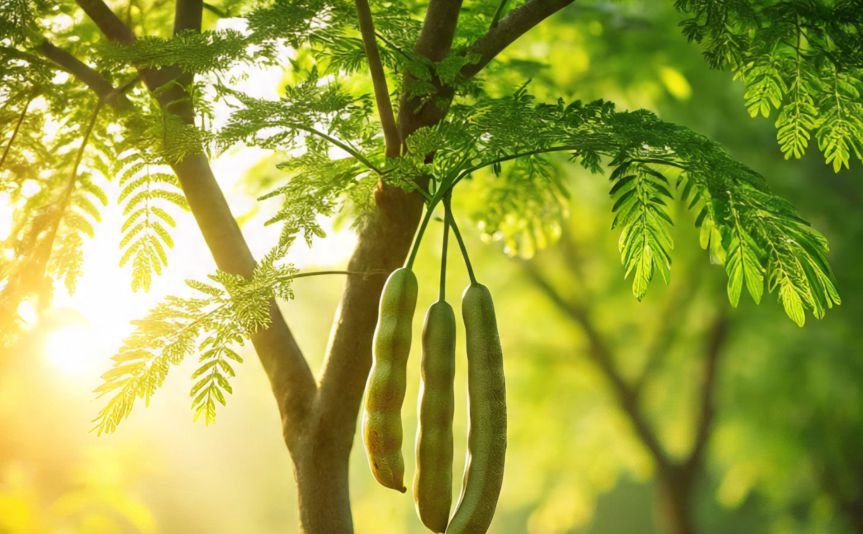
It belongs to a small family of drought-tolerant trees, and people use nearly every part, from leaves and pods eaten as food to seeds pressed for oil.
A 2024 review in the journal Heliyon catalogs a wide range of phytochemicals behind these uses, including flavonoids and carotenoids found across nearly every part of the plant.
For the tree itself, including how it grows, its structure, and how it is cultivated, see our guide to the moringa tree.
Why People Turn to Moringa
Most of moringa’s appeal comes down to nutrient density, particularly in the leaves, which carry plant protein, vitamins A and C, calcium, iron, and several B vitamins.
A systematic review in the Journal of Pharmacy and Pharmacology identified more than 160 distinct phytochemicals across the plant, though human clinical trials still trail far behind the laboratory research.
Our full breakdown of moringa’s nutritional profile and health benefits goes deeper into what these nutrients actually do inside the body.
The Parts of the Plant
Each part of the plant serves a different purpose, and each has its own dedicated guide here:
- Leaves: used fresh in soup, dried into powder, or steeped as tea. See our guide to moringa leaves.
- Seeds: eaten raw or roasted, and the source of moringa oil. See our guide to moringa seeds.
- Pods: commonly called drumsticks, a staple in South Asian cooking. See our guide to moringa pods.
- Flowers: milder in flavor, used in teas and light dishes. See our guide to moringa flowers.
- Roots and bark: carry stronger compounds and call for more caution. See our guides to moringa roots and moringa bark.
The Forms Moringa Comes In
Once you know which part interests you, the next question is which form fits your routine, since that is a separate choice entirely:
- Powder: the most flexible option, easy to stir into smoothies or soups. See our guide to moringa powder.
- Capsules: suit a predictable daily routine with no taste to manage. See our guide to moringa capsules.
- Tea: its own small library here, covering basic brewing, tea bags, and blends aimed at weight goals. Start with our guide to moringa tea.
- Oil: the biggest topic here, touching skincare, haircare, and cooking all at once. Our guide to moringa oil is the best entry point into the collection.
- Concentrated extracts: for anyone wanting a more potent dose in a smaller serving. See our guide to moringa concentrates.
What Research Actually Shows
Moringa has been studied across a wide range of health topics, though the strength of that research varies a great deal depending on the specific claim.
A 2021 meta-analysis pooling 44 studies in diabetic rodents found that moringa extract lowered blood glucose, and human trials on fasting glucose show a similar pattern, though effects stay modest.
The FDA notes that dietary supplement claims are not reviewed for safety or effectiveness before reaching store shelves, which is why distinguishing strong evidence from weak evidence matters here.
Some quick honesty about where each topic actually stands:
- Backed by real human studies: diabetes, blood pressure, energy and athletic performance, and menopause, though sample sizes stay small.
- Studied in humans, but only in narrow groups or with mixed results: inflammation, immunity, and metabolism.
- Studied mainly in animals so far, not yet confirmed in people: digestive health and liver health.
Our research roundup on moringa goes through all of this evidence in full, sorted by topic and study type.
Dosage, Pregnancy, and Who Should Be Careful
Dosage depends on the form used, your body weight, and the reason you are taking it, and getting this right matters more than most people assume.
Our complete dosage guide breaks amounts down by form, and our warnings and risks guide covers interactions and side effects in full.
Pregnant women, breastfeeding mothers, and young children need extra care, and our dedicated guides on pregnancy, breastfeeding, and children walk through what the evidence actually supports.
Moringa and Women’s Health
A few articles look specifically at moringa’s role in women’s health, an area with real traditional and growing clinical interest.
Our guide to moringa’s benefits for women is the best starting point, with a more focused guide on moringa and menopause covering the small human trials behind that specific claim.
Preparing, Using, and Buying Moringa
Once you have a form in mind, preparation and sourcing both matter. Our guides on how to use moringa leaves, how to dry them, and leaf recipes worth trying cover the practical side in more depth than fits here.
Since not every moringa product on the market is equal, our guide on choosing quality moringa oil is a useful model for judging moringa products by labeling and sourcing.
Conclusion
Moringa is one of the most researched herbs on this site, and one of the most personally used in my own home.
This page connects the full picture: what moringa actually is, its main forms, what research supports, and who should stay careful.
Each linked article goes deeper than this brief overview can, with real numbers, specific research, and honest caveats.
Start with the form that fits your routine, such as tea, powder, or capsules, and read the dedicated guide for that form before adjusting your diet or health routine.
Frequently Asked Questions
What is the best way to start using moringa?
Most people start with powdered leaves stirred into smoothies or soups, since dosing is easy and the flavor stays fairly mild, then gradually try several other moringa forms.
Is moringa the same as other superfoods like spirulina?
No, moringa and spirulina are different plants with distinct nutrient profiles, though both are nutrient-dense and sometimes marketed loosely under similar broad superfood branding language in stores today.
Can moringa replace my daily multivitamin?
No, moringa should complement a balanced diet rather than replace medical-grade supplements, and switching away from a prescribed multivitamin should always involve your trusted doctor or nutritionist first.
Does moringa taste unpleasant?
Moringa has a raw, mild, slightly earthy, grassy taste that most people find easy to mask in smoothies, soups, or warm herbal teas, especially with citrus or honey.