
Last updated on September 16th, 2026 at 07:33 am
Tamarind powder sat in a small tin in my mother’s kitchen, reached for whenever a soup needed brightness. It seems simple, but the actual research behind it is thinner than many of the health claims floating around online suggest today.
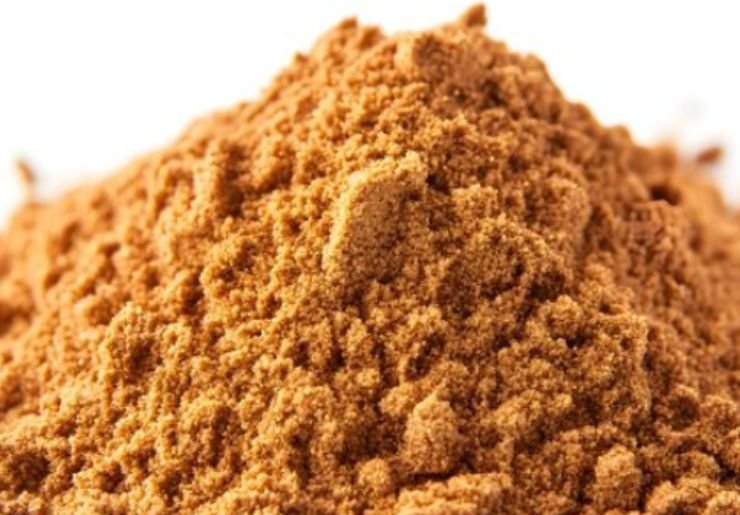
Tamarind powder is one of the simplest forms of tamarind to keep on a shelf: just dried, ground fruit pulp, ready to sprinkle into a pot without soaking or straining anything.
This guide covers tamarind powder made from the fruit specifically, since tamarind leaves and seeds also get dried and ground into their own distinct powders with different uses.
If you’re looking for those instead, I link to dedicated guides for each below.
Here, I cover what fruit-based tamarind powder actually is, how it’s made, what nutrition research says about it, and how to use and store it carefully.
Disclaimer: Six Herbs is an educational resource, not a medical service. Nothing in this article constitutes medical advice, diagnosis, or treatment. Always consult a qualified healthcare provider before using any herb medicinally, particularly if you are pregnant, breastfeeding, taking medication, or managing a health condition.
Table of Contents
What Is Tamarind Powder?
Tamarind powder, in the sense most people search for, is dried and ground tamarind fruit pulp, nothing more.
It carries the same tangy, sour flavor as fresh pulp, just concentrated into a shelf-stable spice you can measure precisely.
This is a different product from tamarind seed powder, which comes from roasted, ground seeds and tastes nutty rather than sour, and from powdered tamarind leaves, covered in our tamarind leaves guide.
All three are casually called ” tamarind powder, but they come from different parts of the plant and behave differently in a recipe.
Why I Switched to Tamarind Powder
I started keeping tamarind powder on hand when fresh tamarind wasn’t easy to find, and I never went back to soaking pods for everyday cooking.
I add a pinch to soups and drinks without thinking twice about it now.
A small amount dissolved in warm water after a heavy meal has become a quiet habit, one I picked up out of convenience rather than any health claim.
Types of Tamarind Powder You’ll Find
Most tamarind powder on the market falls into a few categories, and knowing the difference helps you buy the right one.
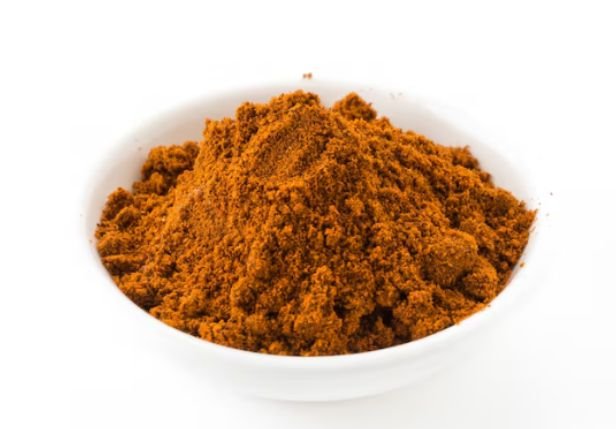
- Pure powder: just dried, ground pulp with no additives, giving a concentrated, tangy flavor for sauces, soups, and marinades
- Organic powder: sourced from tamarind grown without synthetic fertilizers or preservatives, otherwise similar in use to pure powder
- Blended powder: pre-mixed with sugar, salt, or spices for convenience in chutneys or dressings, though this trades precise flavor control for speed
- Roasted powder: carries a deeper, slightly smoky flavor from the roasting process, useful in stews, curries, and dry rubs where a heavier note works well
Nutrition: What the Powder Retains From the Fresh Fruit
Drying and grinding concentrates some nutrients while reducing others, and this is where the research gets more specific than most articles let on.
A study analyzing dried raw tamarind powder directly measured 18.7% fiber, 10.3% protein, 111 milligrams of calcium, and 4.5 milligrams of iron per 100 grams, figures you can review in this study on tamarind powder composition.
The same study found that once tamarind powder gets blended into an instant chutney mix with other spices, several of those values shift, including a rise in iron content to 9.5 milligrams per 100 grams.
For a fuller nutrient comparison across tamarind’s different forms, see our tamarind nutrition facts page.
The fruit’s broader nutrient and antioxidant profile, including its phenolic compounds, is covered in more depth in this review of Tamarindus indica’s nutritional chemistry.
Health Considerations: What’s Solid and What’s Overstated
Tamarind pulp itself has a reasonable body of nutrition and safety research behind it, covered in depth on our tamarind research page.
Very little of that research tests the powder form specifically, so claims about tamarind powder’s health benefits mostly borrow from studies on the fresh fruit rather than the dried, ground product itself.
What is reasonably well supported:
- Clinical references classify tamarind as generally safe in food-level amounts, according to the RxList clinical reference on tamarind
- A six-month toxicity study of tamarind pulp water extract found it well tolerated at tested doses in animal models, detailed in this toxicology study
- Laboratory research on tamarind’s antioxidant compounds supports its traditional reputation, though a 2024 systematic review found human evidence for effects like blood sugar control remains limited, discussed further on our tamarind research page
What’s overstated in a lot of online content: specific claims that tamarind powder treats digestive conditions, clears skin, or meaningfully lowers blood sugar.
These rest on general tamarind research, not studies of the powder, and should be treated as traditional use plus early lab findings rather than proven effects.
The skincare use mentioned below, for instance, is a traditional and cosmetic practice rather than something clinically tested.
How to Use Tamarind Powder
In Cooking
Tamarind powder works as a natural souring agent for soups, sauces, curries, stews, and marinades, adding tang without extra moisture.
Sprinkling it directly into a spice mix or dissolving it in a small amount of water first both work, depending on the dish.
In Beverages
Tamarind powder blends easily into teas, smoothies, or cold drinks, adding a tangy brightness without needing to soak or strain anything first.
In Skincare
Some people mix tamarind powder into masks or scrubs, drawn to its mild natural acids as a gentle exfoliant.
This is a traditional and cosmetic use, not a dermatologically tested one, so patch-test first and stop if irritation develops.
Tamarind Powder Recipes
- Tamarind chutney: dissolve the powder in a little water or blend it with spices to build a sweet, tangy, or spicy chutney for snacks and dipping sauces
- Tamarind soup or broth: stir it in during cooking to add depth and mild acidity, adjusting the amount to balance against other seasonings
- Tamarind marinades: mix with oil, garlic, or spices to coat meat, fish, or vegetables evenly with a tangy, concentrated flavor
- Adjusting quantity: start small and taste as you go, since the powder is more concentrated than an equivalent amount of fresh pulp
How to Make Tamarind Powder at Home
- Remove the shell and separate the pulp from the seeds and fibers.
- Spread the pulp in a thin layer and sun-dry or oven-dry it at a low temperature until completely brittle.
- Break the dried pulp into smaller pieces once it cools.
- Grind it in a spice grinder or blender until it forms a fine, even powder.
- Sift out any remaining fibers for a smoother texture.
Tamarind Powder Substitutes
When you’re out of tamarind powder, a few alternatives can fill in, though none matches it exactly.
- Tamarind paste: a close substitute, but more moist than powder, so cut back on other liquids in the recipe
- Lemon or lime juice: provides similar acidity with a sharper, less sweet edge; a touch of sugar can help balance it
- Amchur (dried mango powder): a milder, fruitier tang that works in chutneys and marinades, though you may need slightly more of it
Storage and Safety
Store tamarind powder in an airtight container, away from moisture, heat, and direct sunlight.
Properly dried and sealed, it keeps its flavor and nutrients for several months without needing refrigeration.
Humidity is the main risk: powder that clumps or hardens has likely absorbed moisture and should be checked for mold before use.
For everyday cooking, about one to two teaspoons a day is a reasonable amount to add flavor without affecting digestion.
Some people experience mild digestive discomfort from larger amounts, or mild skin irritation when using it topically; patch-test before applying it to skin, and stop use if redness, itching, or stomach upset occurs.
Conclusion
Tamarind powder earns its place in my kitchen for one reason: it turns a multi-step process into a single spoonful.
Made purely from dried, ground fruit pulp, it carries the same fiber, potassium, and antioxidants as fresh tamarind, just more concentrated and shelf-stable.
Health claims around it are modest and rest mostly on the fruit’s general nutrition rather than the powder form itself being studied.
Store it airtight, away from moisture, and it keeps for months.
If you want tamarind seed powder or leaf powder, those have guides linked above.
Frequently Asked Questions
Is tamarind powder the same as tamarind seed powder?
No, tamarind powder is made from dried fruit pulp with a tangy, sour flavor, while tamarind seed powder comes from roasted seeds and tastes mild, nutty, and different.
How do you make tamarind powder at home?
Dry ripe tamarind pulp in the sun or a low oven until brittle, then grind it into a fine powder and store it in a clean airtight jar.
What is tamarind powder used for?
Tamarind powder adds a tangy, sour note to sauces, marinades, chutneys, and spice blends, and it dissolves easily into drinks without needing any soaking, straining, or extra preparation.
How long does tamarind powder last?
Stored in an airtight container away from moisture and heat, tamarind powder keeps its flavor and nutrients for several months without needing any refrigeration if kept sealed properly.

Chims Clements writes about herbs from personal experience and careful research. Growing up in Aba, Nigeria, moringa and tamarind were everyday household plants long before they became globally recognised superfoods. He uses both regularly in his home today. At Six Herbs he goes deep on moringa, tamarind, fenugreek, and sea moss — building honest, experience-backed content that separates what tradition knows from what science confirms. The content on this site is for informational purposes only and is not medical advice. Always consult a healthcare provider before using herbs medicinally.