
Last updated on September 18th, 2026 at 12:49 pm
Tamarind won’t boost your metabolism or melt fat, whatever some articles claim. What it actually does is simpler: it’s low in calories, high in fiber, and a useful swap for sugary drinks, which is where its weight-loss reputation comes from.
Tamarind gets credited online with boosting metabolism and burning fat, claims that don’t hold up against the actual research.
What the evidence more honestly supports is simpler and still meaningfully useful.
Tamarind is low in calories, provides fiber that supports fullness, and works well as a substitute for sugary drinks and snacks.
One small human trial also found reductions in BMI and waist circumference after six weeks of daily tamarind pulp, a notable but limited finding worth knowing about.
This guide covers practical ways to use tamarind for weight goals, how much and when, and exactly who should be cautious.
Disclaimer: Six Herbs is an educational resource, not a medical service. Nothing in this article constitutes medical advice, diagnosis, or treatment. Always consult a qualified healthcare provider before using any herb medicinally, particularly if you are pregnant, breastfeeding, taking medication, or managing a health condition.
Table of Contents
How Tamarind Actually Supports Weight Management
Low calories, solid fiber
Tamarind pulp is naturally low in fat and provides dietary fiber.
This supports fullness and can reduce reliance on processed snacks, documented in this review of tamarind’s antioxidant and nutritional chemistry.
It’s a general nutrition principle, not a tamarind-specific effect, but it’s practically useful.
One specific, if limited, human trial
A randomized controlled trial testing 20 grams of tamarind fruit pulp daily in overweight adults found a reduction in BMI and waist circumference after six weeks.
Full results are in the trial published in the International Journal of Preventive Medicine.
This is one small trial, not a settled finding, and it doesn’t establish a specific mechanism like fat burning.
A sugary-drink substitute
Swapping soda or sweetened juice for plain tamarind water or tea cuts added sugar and calories directly, which is a straightforward and defensible weight-management habit.
What isn’t supported
Claims that tamarind “boosts metabolism” or “reduces fat storage” through some special mechanism aren’t backed by the research available.
Treat those claims skeptically wherever you see them.
Practical Forms and How to Use Them
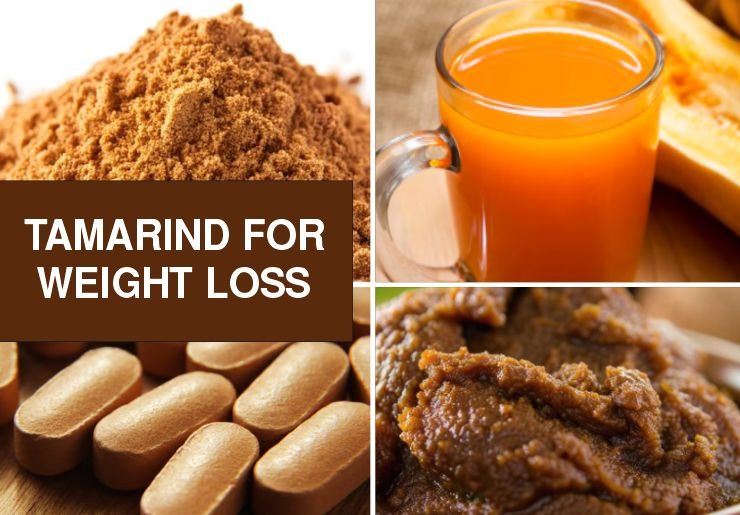
Rather than re-explain how to prepare each form, here’s how each one fits into a weight-focused routine, with links to the full preparation guides:
- Raw pulp or paste: soaked in warm water and taken before a meal, unsweetened, for fiber and a filling, tangy flavor
- Tamarind water or drinks: a direct substitute for soda or sweetened juice, made without added sugar
- Tamarind powder: a small pinch stirred into soups or dressings for tang without extra calories
- Tamarind tea: unsweetened, taken between meals as a low-calorie alternative to sugary beverages
- Tamarind smoothies: a small amount blended with fruit adds tang without needing added sugar
- Tamarind leaves, bark, and root teas: less common options with the same low-calorie logic, though with less research behind them specifically
Avoid packaged tamarind candy, syrups, or sweetened concentrates, since these typically contain a lot of added sugar that works against the goal.
When and How Much to Use
A common approach is drinking tamarind water or tea 15 to 20 minutes before a meal, since the fiber content may help you feel satisfied sooner.
About one to two teaspoons of pulp per glass of water is a reasonable portion, and one serving daily is generally enough.
If you sweeten it at all, small amounts of honey, lemon, ginger, or cinnamon add flavor without meaningfully raising calorie content the way sugar does.
Who Should Be Careful
- Acid sensitivity. Tamarind’s tartness can worsen heartburn or irritate sensitive teeth in some people; diluting it well or limiting intake helps.
- Medication interactions. Tamarind may interact with blood thinners or medications that affect blood sugar, according to the RxList clinical reference on tamarind. Check with a healthcare provider before regular use if you take either.
- Digestive sensitivity. Large servings may cause bloating, gas, or mild diarrhea in some people; starting small lets you gauge your own tolerance. A six-month toxicity study on tamarind pulp extract found it well tolerated at tested doses in animal models, detailed in this toxicology study.
For the fuller nutrition picture behind these claims, see our tamarind nutrition facts page and our tamarind research page for citations across every form of the plant.
Conclusion
Tamarind’s actual weight-loss reputation rests on something simpler than metabolism-boosting: it’s low-calorie, fiber-rich, and a solid swap for sugary drinks and snacks.
One small trial found reduced BMI and waist circumference after six weeks of daily use, a promising but limited result.
Use plain pulp, tea, or water rather than sweetened candies or syrups, and keep portions moderate, around one to two teaspoons daily.
If you have acid sensitivity, take medication, or manage a digestive condition, check with a provider before making it a daily habit. See tamarind tea guide.
Frequently Asked Questions
Can tamarind water reduce belly fat?
No single food can target fat in one area. Tamarind water may support overall weight management through fiber and calorie reduction, but not spot reduction of any kind.
Does tamarind actually boost metabolism?
No credible evidence supports a direct metabolism-boosting effect. Tamarind’s weight-related benefits come mainly from being low-calorie, fiber-rich, and a good sugar substitute, rather than any special fat-burning mechanism.
Is tamarind tea good for weight loss?
Yes, unsweetened tamarind tea is low in calories and can replace sugary drinks, which supports weight goals indirectly rather than through any specific fat-loss effect of its own.
How much tamarind should I use for weight loss?
About one to two teaspoons of pulp per day, mixed into water or tea, is a reasonable starting point without risking excess natural sugar intake, or digestive discomfort.

Chims Clements writes about herbs from personal experience and careful research. Growing up in Aba, Nigeria, moringa and tamarind were everyday household plants long before they became globally recognised superfoods. He uses both regularly in his home today. At Six Herbs he goes deep on moringa, tamarind, fenugreek, and sea moss — building honest, experience-backed content that separates what tradition knows from what science confirms. The content on this site is for informational purposes only and is not medical advice. Always consult a healthcare provider before using herbs medicinally.