
Last updated on September 19th, 2026 at 04:40 pm
A tamarind smoothie takes about five minutes and three basic ingredients: tamarind pulp, a liquid base, and something to sweeten it. The tricky part isn’t the blending; it’s getting the tart-to-sweet ratio exactly right on the very first honest try.
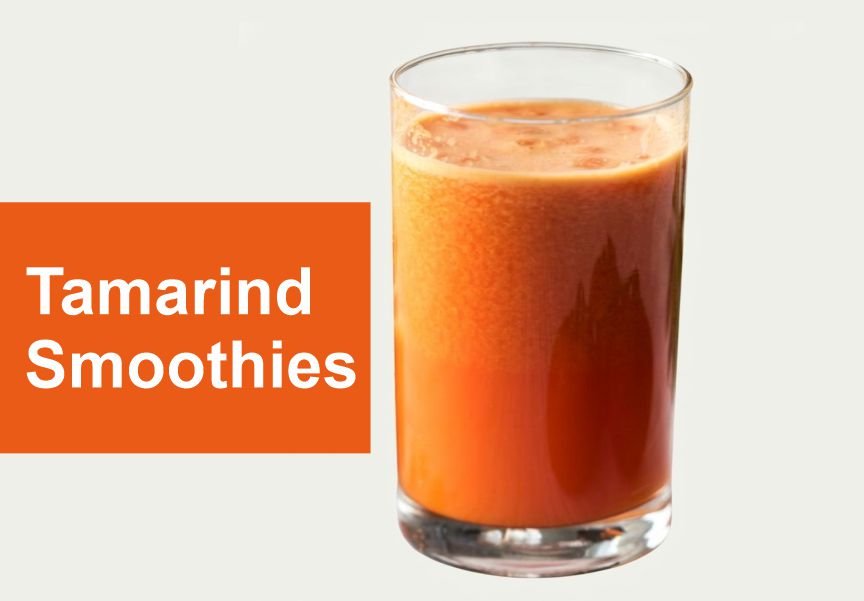
A tamarind smoothie is one of the simplest ways to use tamarind pulp at home: blend it with a liquid base and some fruit, and you get a tangy, refreshing drink in minutes.
This guide discusses the ingredients, a complete step-by-step method, several flavor variations from pineapple to ginger to banana, and practical suggestions for when to drink it.
It also covers what’s actually backed by research when it comes to digestion and other health claims, since those get repeated constantly online without much behind them.
Disclaimer: Six Herbs is an educational resource, not a medical service. Nothing in this article constitutes medical advice, diagnosis, or treatment. Always consult a qualified healthcare provider before using any herb medicinally, particularly if you are pregnant, breastfeeding, taking medication, or managing a health condition.
Table of Contents
What Is a Tamarind Smoothie?
A tamarind smoothie blends tamarind pulp with a liquid base and usually fruit, creating a sweet-tangy, citrus-like drink, distinct from tamarind juice, which skips the fruit and dairy entirely.
Tamarind provides the sharp base note, while fruits like banana, pineapple, or mango soften it into something more balanced and less sour on its own.
Ingredients for a Basic Tamarind Smoothie
- Tamarind pulp or paste, the base; see our tamarind paste and pulp guide for preparation
- A liquid base like water, coconut water, or milk, which affects both texture and richness
- A natural sweetener like honey or dates, added gradually to balance the tang
- Optional add-ins like ginger, mint, banana, or pineapple for flavor and texture
How to Make a Tamarind Smoothie, Step by Step
- Prepare the tamarind. If using raw pods, soak in warm water, then press and strain out seeds and fibers.
- Blend with your liquid base. Combine the pulp with water, coconut water, or milk until smooth.
- Add fruit or sweetener. Blend in banana, pineapple, dates, or honey to balance the tartness.
- Adjust thickness. Add more liquid to thin it out, or more pulp or fruit to thicken it.
- Serve chilled, ideally with ice for a more refreshing texture.
Health Considerations: What’s Backed and What Isn’t
A tamarind smoothie’s health reputation rests almost entirely on tamarind’s general research base rather than any study on the smoothie itself, so it’s worth being direct about that.
Digestion, plausible but mechanistic
A review of dietary polyphenols found they can influence gastrointestinal motility, a plausible mechanism behind tamarind’s traditional digestive reputation, detailed in this review of polyphenols and gut motility.
For the fuller picture, including citations and limitations, see our tamarind and digestion post.
Antioxidants, present in the pulp
Tamarind contains documented antioxidant compounds, detailed in this review of tamarind’s nutritional chemistry, though blending with fruit and sweetener changes the final nutrient balance.
Hydration, straightforward
Any liquid-based drink contributes to daily fluid intake; this isn’t specific to tamarind.
Weight management, indirect at best
A smoothie built around fiber and lower-calorie ingredients can support weight goals the same general way described in our tamarind and weight loss guide, not through any special fat-burning property.
Clinical references classify tamarind as generally safe in food amounts, according to the RxList clinical reference on tamarind.
A six-month toxicity study on tamarind pulp extract also found it well tolerated at tested doses in animal models, detailed in this toxicology study.
Easy Tamarind Smoothie Recipes
- Tamarind and pineapple combines tamarind’s tang with pineapple’s sweetness and bromelain content for a bright, tropical drink.
- Tamarind and ginger adds warmth and a spicy note that pairs naturally with tamarind’s sharpness.
- Tamarind and banana brings creaminess and sweetness, making a filling option for breakfast or a light snack.
- Tamarind and greens, blended with cucumber or leafy greens, makes a lighter, vegetable-forward variation. This isn’t a “detox” in any medically meaningful sense, just a different flavor and nutrient profile worth trying if you want something less sweet.
For the fruit’s fuller nutrition picture, see our tamarind nutrition facts page and our tamarind guide.
Tips for the Best Tamarind Smoothie
Balance tamarind’s tartness with natural sweeteners like honey, dates, or ripe fruit rather than refined sugar.
Ripe tamarind pulp blends more smoothly and needs less added sweetener.
Straining out seeds and fibers gives a noticeably creamier texture, and ice or frozen fruit thickens the drink without watering down the flavor.
When to Drink a Tamarind Smoothie
There’s no research-backed “best time” to drink this, but a few practical patterns are worth mentioning.
Many people prefer it in the morning as a light start to the day, or after a meal as a refreshing finish.
It also works well chilled during hot weather as an alternative to sugary drinks.
Potential Side Effects and Precautions
- Large amounts may cause stomach discomfort, including loose stools or bloating, so keep portions moderate.
- Watch added sugar if you’re sweetening heavily with honey or dates, since this can offset some of the drink’s lower-calorie appeal.
- Sensitive stomachs should start small, giving your gut time to adjust to the fiber and acid content.
Conclusion
A tamarind smoothie is fundamentally simple: pulp, a liquid, and fruit, blended into something tangy and refreshing.
Its digestion and antioxidant reputation rests on tamarind’s general research base rather than smoothie-specific studies, so treat it as a plausible, pleasant habit rather than a cure for anything.
Pineapple, ginger, and banana all pair well if you want variety beyond the basic recipe.
Keep portions moderate if you have a sensitive stomach, and check with a provider if you take medication.
See our tamarind and digestion guide for the research behind claims.
Frequently Asked Questions
Can I drink a tamarind smoothie every day?
Yes, in moderate amounts for most people, though those with sensitive stomachs should start with smaller portions and watch how their body responds over the first few days.
Is a tamarind smoothie good for weight loss?
It can support weight goals indirectly, since it’s low-calorie and filling with fiber, similar to how tamarind generally supports weight management rather than burning fat directly at all.
Can I use tamarind paste instead of fresh pulp?
Yes, tamarind paste works as a convenient substitute, blending easily into smoothies while keeping the same tangy flavor and most of the pulp’s nutritional content without extra effort.
What fruits pair best with tamarind?
Pineapple, banana, mango, and apple all complement tamarind’s tang quite nicely, adding natural sweetness and their own nutrients to create a balanced, refreshing smoothie you can enjoy anytime.

Chims Clements writes about herbs from personal experience and careful research. Growing up in Aba, Nigeria, moringa and tamarind were everyday household plants long before they became globally recognised superfoods. He uses both regularly in his home today. At Six Herbs he goes deep on moringa, tamarind, fenugreek, and sea moss — building honest, experience-backed content that separates what tradition knows from what science confirms. The content on this site is for informational purposes only and is not medical advice. Always consult a healthcare provider before using herbs medicinally.