
Last updated on September 21st, 2026 at 09:56 am
Sea moss powder is just dried, ground sea moss, no soaking or blending required. What most guides get wrong is the pigment behind purple varieties, and how much “more concentrated” actually matters for your daily serving.
This guide covers what sea moss powder actually is, how it’s made, how it compares to gel, and simple ways to use it daily. For the full nutrient and health picture, see our sea moss nutrition facts and sea moss benefits guides, since this page covers the powder form specifically.
Disclaimer: Six Herbs is an educational resource, not a medical service. Nothing in this article constitutes medical advice, diagnosis, or treatment. Always consult a qualified healthcare provider before using any herb or supplement, particularly if you are pregnant, breastfeeding, taking medication, or managing a health condition.
Table of Contents
What Is Sea Moss Powder?
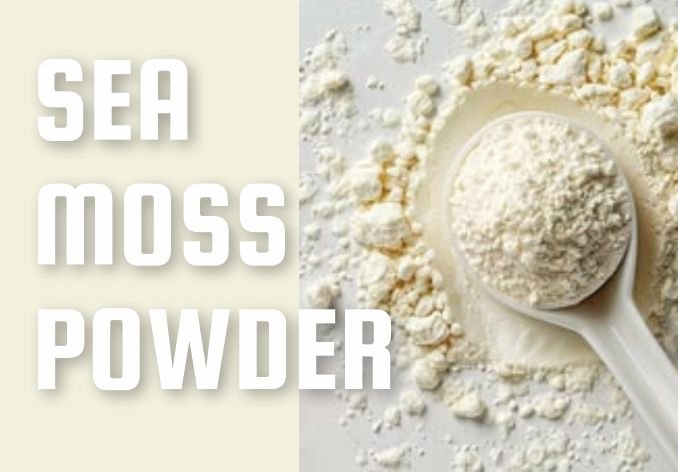
Sea moss powder is made by drying sea moss completely, then grinding it into a fine texture that mixes directly into food and drinks without soaking or blending.
It retains the plant’s core minerals, including iodine, magnesium, calcium, and potassium.
Nutrition, in Brief
Drying removes water, which concentrates minerals by weight. This doesn’t automatically mean a serving of powder delivers more nutrients than an equivalent serving of gel, since serving sizes and water content differ between forms.
Core minerals stay broadly consistent across forms; see our sea moss nutrition facts page for the actual numbers.
Organic Sea Moss Powder
Organic sea moss powder comes from moss harvested without synthetic additives or chemical treatment, then cleaned, dried, and ground the same way as standard powder.
The practical difference is mainly about sourcing and contamination risk rather than a different nutrient profile.
A supplier that publishes contaminant testing matters more than the organic label alone.
Purple Sea Moss Powder
Purple sea moss powder gets its color from phycoerythrin, a pigment protein documented in red algae, not anthocyanins as commonly claimed.
For the fuller pigment science, species distinctions, and an honest answer on how color affects nutrition, see our dedicated purple sea moss guide.
Sea Moss Powder vs. Gel
Both come from the same plant, and the differences come down to convenience versus freshness.
Powder mixes instantly into drinks and food with no prep, stores longer without refrigeration, and gives precise portion control by the spoonful.
Gel is already hydrated and closer to the plant’s original state, but needs refrigeration and has a shorter shelf life.
Neither form is meaningfully more nutritious; the choice depends on which tradeoff fits your routine.
How to Make Sea Moss Powder at Home
- Clean and soak. Rinse dried sea moss thoroughly, then soak for several hours until it softens, and rinse again.
- Dry completely. Spread it on a tray and air-dry in a well-ventilated space, or use a dehydrator on low heat. No moisture should remain, or it won’t grind well and may spoil in storage.
- Grind. Break the dried moss into pieces and grind in a blender or spice grinder until fine, sifting out any larger particles.
- Store. Keep the finished powder in an airtight container in a cool, dry place, labeled with the date.
How Much to Use
A typical starting serving is one to two teaspoons daily, adjusted gradually as you gauge tolerance.
Since powder concentrates iodine by weight, starting small matters more here than with gel.
For the fuller dosage picture, see our guide to sea moss gel dosage.
Simple Ways to Use It
Stir it into smoothies, warm water with lemon and ginger for a simple tea, or oatmeal, letting warmth help it dissolve without clumping.
It also works as a natural thickener stirred into soups and stews near the end of cooking, or blended into fruit juice for a quick drink.
Adding it gradually while stirring, rather than all at once, is the main trick to avoiding clumps in any of these.
Storage and Shelf Life
Store sea moss powder in an airtight container in a cool, dry place away from heat, moisture, and direct sunlight.
Properly stored, it typically lasts 12 to 24 months. Check for changes in smell, color, or texture before use.
Safety Considerations
Sea moss powder’s concentrated iodine content is its main safety consideration, especially if you already eat other iodine-rich foods.
This is detailed in this study on iodine and heavy metal exposure from seaweed consumption.
People with thyroid conditions, anyone on thyroid medication, and pregnant or breastfeeding people should check with a provider before regular use.
For the full safety picture, see the safety post on sea moss.
Conclusion
Sea moss powder trades a small amount of freshness for actual convenience: no soaking, longer shelf life, and precise portion control by the spoonful.
Its purple variety gets its color from phycoerythrin, not anthocyanins, and drying concentrates minerals by weight without necessarily making the powder form more nutritious per serving than gel.
Starting with a small serving and sourcing from tested suppliers matters more than the form you choose.
Frequently Asked Questions
Is sea moss powder more concentrated than gel?
Minerals are more concentrated by weight after drying, but this doesn’t necessarily mean more nutrients per actual serving, since serving sizes and water content differ between forms.
What gives purple sea moss powder its color?
Phycoerythrin, a pigment protein found in red algae, not anthocyanins, which is a common but inaccurate claim across sea moss content.
How much sea moss powder should you take daily?
A common starting point is one to two teaspoons daily, adjusted gradually, since powder’s concentrated iodine content means starting small matters more than with gel.
How long does sea moss powder last?
Stored in an airtight container away from heat and moisture, it typically lasts 12 to 24 months before quality noticeably declines.

Chims Clements writes about herbs from personal experience and careful research. Growing up in Aba, Nigeria, moringa and tamarind were everyday household plants long before they became globally recognised superfoods. He uses both regularly in his home today. At Six Herbs he goes deep on moringa, tamarind, fenugreek, and sea moss — building honest, experience-backed content that separates what tradition knows from what science confirms. The content on this site is for informational purposes only and is not medical advice. Always consult a healthcare provider before using herbs medicinally.