
Last updated on September 7th, 2026 at 08:58 am
Moringa powder is simply dried, ground leaves, which means its nutrition and evidence mirror the leaf itself rather than something new. This guide covers what the powder delivers, how to use it daily, and which specific claims real research supports.
Moringa powder is simply dried moringa leaves, ground fine, so its nutrition and evidence base track closely with the leaf itself.
Its full nutrient profile and health claims live on our dedicated health benefits guide, so this page stays short instead.
What genuinely belongs here is practical: how to use powder daily, how much to take, and how to judge product quality when buying.
You can also learn how to make your own powder at home from dried leaves.
Some claims specific to men’s and women’s health also get honest treatment below, sorted by real human evidence versus animal-only research.
Medical Disclaimer: This article is for informational purposes only and does not replace professional medical advice. Consult a qualified healthcare professional before using herbs or supplements.
Table of Contents
What Is Moringa Powder
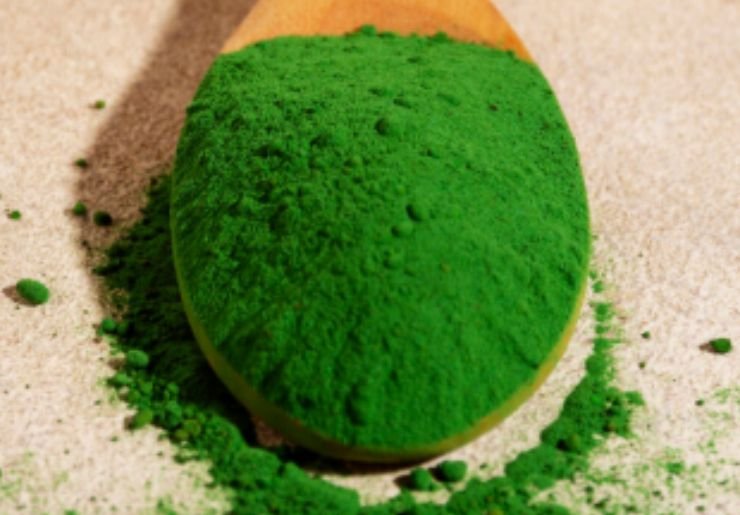
Moringa powder is dried moringa leaves, ground into a fine, bright green powder.
Since it is just the leaf in concentrated form, its taste, nutrition, and safety profile match dried leaves closely.
It mixes easily into smoothies, teas, and meals without noticeably changing flavor.
For the leaf itself, including fresh versus dried differences, see our complete guide to moringa leaves.
Nutrition: The Short Version
Since powder is just dried, ground leaves, its nutrition matches the dried leaf figures almost exactly.
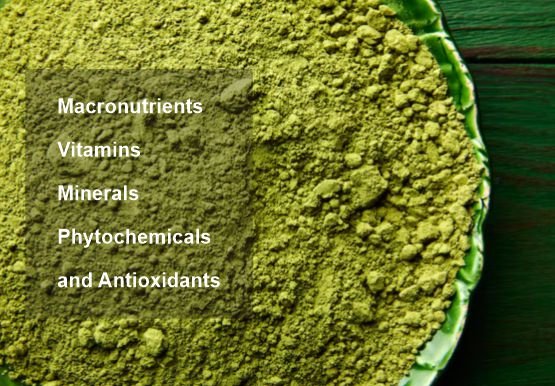
A typical teaspoon serving, about 2 to 3 grams, delivers only a small fraction of the protein found per 100 grams of dried leaf.
It also carries concentrated calcium, iron, potassium, and vitamin A, alongside a much smaller amount of vitamin C than fresh leaves.
For the full nutrient table across every moringa part, see our complete nutrition and health benefits guide.
Health Benefits: Where the Evidence Actually Stands
Because powder is dried leaf, most powder-specific benefit claims are really leaf claims restated.
Human evidence exists for blood sugar and blood pressure, though effects stay modest and trials remain small.
Immunity and inflammation research exists in humans too, but only in specific populations rather than everyone.
Digestive and liver claims currently rest mostly on animal studies, not human trials.
Our complete health benefits guide and research roundup sort every one of these claims by evidence quality.
Moringa Powder and Men’s Health
A randomized controlled trial in men with high cholesterol found that a moringa protein drink increased testosterone and other anabolic markers compared to placebo.
This is real human evidence, though limited to that specific group rather than men generally.
Fertility and sperm-quality claims rest on animal research only, including studies in rats, roosters, and bulls, with no human fertility trials located.
Claims about prostate support specifically have no research behind them that we could find, so we do not repeat that claim here.
Moringa Powder and Women’s Health
Several existing guides already cover moringa’s role in women’s health in more depth than fits here.
See our guides on moringa’s benefits for women, moringa and menopause, moringa during pregnancy, and moringa for breastfeeding mothers.
Claims specific to hormonal conditions like PCOS currently lack the kind of dedicated human research needed to state them confidently, so we avoid repeating them here.
How to Use Moringa Powder
The powder mixes into almost any food or drink with minimal prep. A few reliable methods:
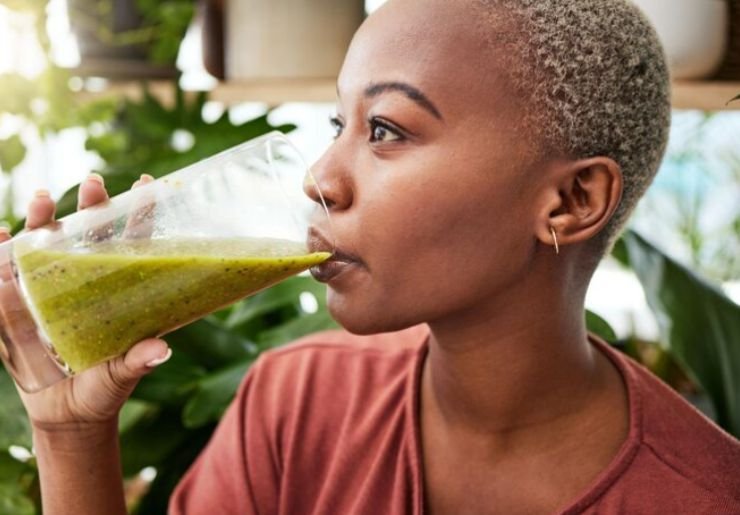
- Smoothies. Blend a teaspoon with banana, mango, or spinach for a mild, easy-to-drink boost.
- Tea. Stir into hot water with honey, lemon, or ginger for a warm, earthy drink.
- Baking and cooking. Add to soups, sauces, muffins, or energy bars, stirred in near the end of cooking to protect nutrients.
- Sprinkling. Top salads, yogurt, or oatmeal for a quick, no-prep addition.
Starting with a small amount lets you judge the flavor before using more.
Dosage and Safety
Adults commonly start with 1 teaspoon (about 2 to 3 grams) and increase to about 1 tablespoon if it agrees with them.
Children should start with about half a teaspoon, adjusted for age and body weight.
Some people notice mild bloating or nausea when starting, so smaller amounts at first help the body adjust.
Powder can interact with blood-thinning, diabetes, or blood pressure medication, so check with a doctor first.
Our complete dosage guide and warnings and risks guide cover interactions and precautions in full.
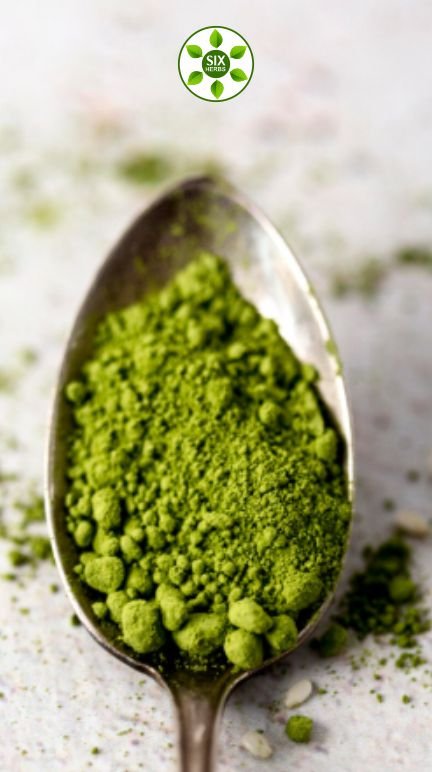
Making Moringa Powder at Home
Making your own powder is simple: harvest healthy leaves, wash them well, and dry them completely before grinding.
Our guide to drying moringa leaves covers sun-drying, shade-drying, and oven methods in detail.
Once leaves are fully dry and brittle, grind them into a fine powder using a clean blender or spice grinder.
Store the finished powder in an airtight container away from heat, light, and moisture.
My grandmother never called it moringa powder; she just called it dried leaf for soup, ground fine and kept in a tin by the stove.
Choosing Quality Moringa Powder
A few distinctions matter when comparing products on a shelf:
- Organic vs. non-organic. Organic powder is grown without synthetic pesticides, though non-organic still carries real nutritional value.
- Raw vs. heat-dried. Low-temperature drying preserves more nutrients, while heat-dried powder trades some nutrition for faster processing.
- Leaf powder vs. seed powder. Leaf powder carries more vitamins and protein, while seed powder carries more fat and different compounds.
- Lab-tested products. Testing for heavy metals and microbial contamination adds real assurance that generic marketing claims do not.
Certifications like USDA Organic or third-party lab testing badges are worth checking before buying.
Storage
Properly stored powder keeps for six to twelve months, though nutrient levels slowly decline across that period.
Store it in a cool, dry, dark place, ideally in an airtight container.
A strong off smell, clumping, or an unusual color are signs the powder has gone bad.
Conclusion
Moringa powder is just dried, ground leaves, so its nutrition and evidence match the leaf itself, not something new.
Real human evidence supports blood sugar, blood pressure, and testosterone in one studied group, while fertility claims stay animal-only.
Women’s health claims already have their own dedicated guides, linked above rather than repeated here.
What this page adds is practical: daily use ideas, safe serving sizes, home preparation, and how to judge product quality.
Start small, check the linked guides for anything specific, and talk with a doctor before daily use.
Frequently Asked Questions
Is moringa powder more effective than fresh moringa leaves?
No, powder is just dried, ground leaves, so it is not inherently more effective, only more concentrated per gram, more shelf-stable, and far easier to store long-term overall.
Is there real research on moringa powder and testosterone?
Yes, one randomized controlled human trial in men with high cholesterol found increased testosterone after a moringa protein drink, though this remains a single reported study so far.
Does moringa powder help with fertility?
Evidence for fertility currently comes only from animal studies in rats, roosters, and bulls; no human fertility trials on moringa powder specifically have been published at all yet.
How much moringa powder should I take daily?
Most adults start with about one teaspoon, roughly 2 to 3 grams daily, increasing gradually to one tablespoon; always check our full dosage guide for safe, exact specifics.

Chims Clements writes about herbs from personal experience and careful research. Growing up in Aba, Nigeria, moringa and tamarind were everyday household plants long before they became globally recognised superfoods. He uses both regularly in his home today. At Six Herbs he goes deep on moringa, tamarind, fenugreek, and sea moss — building honest, experience-backed content that separates what tradition knows from what science confirms. The content on this site is for informational purposes only and is not medical advice. Always consult a healthcare provider before using herbs medicinally.