

Last updated on September 15th, 2026 at 10:45 am
Moringa benefits for women include one genuinely well-studied use: real menopause support backed by an actual human trial. Several other claims, like hormone balancing and libido support, circulate widely online without any real, genuinely applicable research behind them documented anywhere.
Most content about moringa for women treats every life stage the same way: a list of claims with a citation loosely attached.
This guide separates what real, applicable research actually supports from what gets repeated regardless of evidence.
Menopause is the clearest case: a real 90-woman trial genuinely tested dried leaf powder specifically for symptom relief, with genuine results.
Claims about hormone balancing, libido, and adaptogenic stress relief have essentially no applicable human research behind them, so this page states that plainly rather than softening it.
Nutrition, pregnancy, postpartum, and skin and hair each individually get honest, evidence-tiered treatment below.
Medical Disclaimer: This article is for informational purposes only and does not replace professional medical advice. Consult a qualified healthcare professional before using herbs or supplements.
Table of Contents
Nutrition Relevant to Women’s Health
Moringa leaves supply iron, calcium, folate, and magnesium, nutrients tied to menstruation, bone health, and reproductive function generally.
Full nutrient tables and cross-part comparisons live on our complete nutrition and health benefits guide.
Moringa and Menopause: What Research Actually Shows
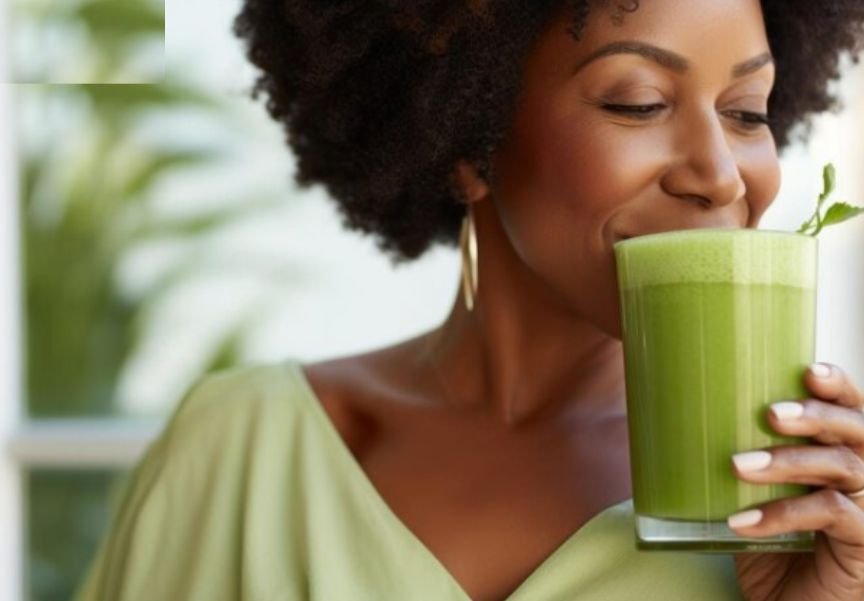
A 90-woman controlled trial tested 7 grams of dried drumstick leaf powder daily for three months in postmenopausal women.
The trial found genuine improvement in menopause symptoms, making this one of the better-evidenced claims about moringa and women’s health specifically.
This does not mean moringa regulates estrogen or progesterone directly, a mechanism no study has actually confirmed.
It means one real trial found symptom relief with a specific, documented dose in a defined population.
Moringa and Menopause: What Research Actually Shows
A 90-woman controlled trial tested 7 grams of dried drumstick leaf powder daily for three months in postmenopausal women.
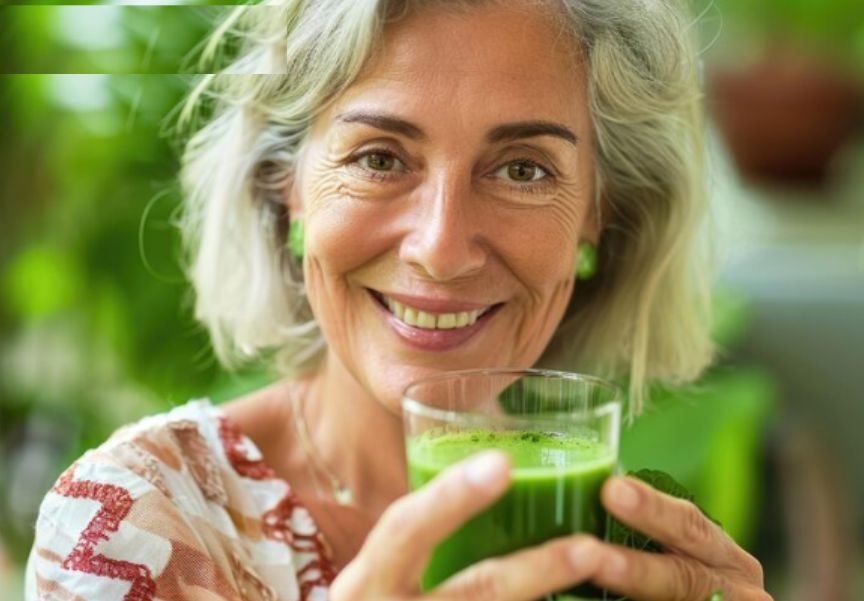
The trial found genuine improvement in menopause symptoms, making this one of the better-evidenced claims about moringa and women’s health specifically.
This does not mean moringa regulates estrogen or progesterone directly, a mechanism no study has actually confirmed.
It means one real trial found symptom relief with a specific, documented dose in a defined population.
Pregnancy and Postpartum
Moringa leaves supply real nutritional value during pregnancy, though this site does not invent a specific safe dose.
See our complete guide to moringa during pregnancy for the honest evidence picture, including a real anemia meta-analysis.
Claims that moringa reliably increases breast milk supply or improves milk quality are more mixed than commonly stated.
A real 2025 trial found no significant difference in milk fat or protein between mothers taking moringa and those who did not.
This guide on moringa for breastfeeding mothers covers this topic fully.
Skin, Hair, and Nails
Most claims about moringa improving skin, hair, or nails in women specifically borrow from general moringa research, not studies on women in particular.
Real evidence for skin and hair does exist in a limited form, mostly for moringa oil rather than tea, powder, or leaves.
The moringa oil post sorts what is genuinely documented from what is not, including its evidence-based skin and hair section.
Bone, Heart, and Metabolic Health
Calcium, magnesium, and vitamin K in moringa leaves support bone density generally, a benefit relevant to women given higher osteoporosis risk after menopause.
General cardiovascular and blood sugar claims mostly extend from broader moringa research rather than female-specific trials.
Here is a post on health benefits guide and research roundup; sort every claim by which population was actually studied.
Precautions
Anyone on blood pressure, blood sugar, or thyroid medication should check with a doctor before regular use, since moringa can affect how these medications work.
Pregnant and breastfeeding women should avoid root, bark, and concentrated extracts entirely, given documented toxicity concerns.
Read more about warnings and risks that covers interactions and specific risk groups in full.
Conclusion
Moringa benefits for women are genuinely mixed: real, trial-backed support for menopause, alongside libido and hormone claims with no applicable research.
Nutrition genuinely supports needs tied to menstruation, pregnancy, and bone health, though most specific mechanisms remain unconfirmed.
Milk supply and quality claims during breastfeeding are more contested than commonly presented, with one real, genuine trial finding no measurable difference.
Skin and hair evidence exists mainly for oil, not for other forms.
Treat sweeping claims with real caution, and talk with a doctor about anything specific to your own health.
Frequently Asked Questions
Does moringa really help with menopause?
Yes, a real 90-woman trial found genuine symptom relief using 7 grams of dried leaf powder daily for three months, one of moringa’s actually stronger, well-documented claims today.
Does moringa balance hormones or boost libido in women?
No applicable research supports either claim in women; libido studies exist only in male rats, and hormone-balancing mechanisms remain genuinely unconfirmed by any actual human trial ever conducted.
Does moringa increase breast milk supply for new mothers?
The evidence is mixed: older studies suggest a possible benefit, but a real 2025 trial found no measurable difference in milk fat or protein content between groups studied.
Which moringa forms should women avoid during pregnancy?
Root, bark, and concentrated extracts carry documented toxicity risk and should be avoided entirely; leaves and pods carry the strongest safety record specifically overall here today genuinely always.

Chims Clements writes about herbs from personal experience and careful research. Growing up in Aba, Nigeria, moringa and tamarind were everyday household plants long before they became globally recognised superfoods. He uses both regularly in his home today. At Six Herbs he goes deep on moringa, tamarind, fenugreek, and sea moss — building honest, experience-backed content that separates what tradition knows from what science confirms. The content on this site is for informational purposes only and is not medical advice. Always consult a healthcare provider before using herbs medicinally.