

I am Chims Clements, and I write about herbs the way many people in Eastern Nigeria live with them, as everyday ingredients woven into food, cooking, and home wellness long before they became global superfoods.
Where This Knowledge Comes From
I grew up in Aba, Abia State, Eastern Nigeria, in a household where herbal knowledge was not taught but lived.
My grandmother, Kanka, was the centre of that knowledge. She did not call herself a herbalist. She did not need to.
She simply knew plants the way people know their own names, instinctively, completely, and without having to think about it.
When one of us had a cough, she did not reach for the medicine cabinet. She went to the backyard and dug up fresh ginger root with her hands.
When the family needed alligator pepper, ose oji, as we call it in Igbo, she walked to the family farm nearby and pulled the pods herself, choosing the ones whose red skins had just emerged above the soil surface, which is how you know they are ready.
The backyard of our family compound was a working herb garden that most people would not recognise as one.
Uziza, Piper guineense, climbed the trees along the fence line, its leaves plucked fresh whenever a pot of pepper soup needed finishing, or a woman in the family had just given birth, because uziza is what you give new mothers in our community.
Utazi grew nearby, broad-leafed and sharply bitter, used for stomach complaints and eaten with yams and red palm oil in the way Eastern Nigerians have eaten it for generations.
Ehuru — African nutmeg — went into the pepper soups. Uda pods gave the broths their smoky depth.
Nchanwu, the scent leaf, went in last, its fragrance filling the kitchen.
Uyayak pods were boiled into broths for both flavour and medicine. Ogiri, fermented locust bean, gave everything its deep, unmistakable base.
These were not exotic ingredients in our home. They were simply what cooking looked like. They were simply what health looked like.
My grandmother passed away in 2017. But the plants she tended are still growing in that compound today.
Uziza still climbs the same trees. Utazi still spreads its leaves in the same corners.
Ginger still grows in the garden. See photos as proof matters more than any amount of written credentials.
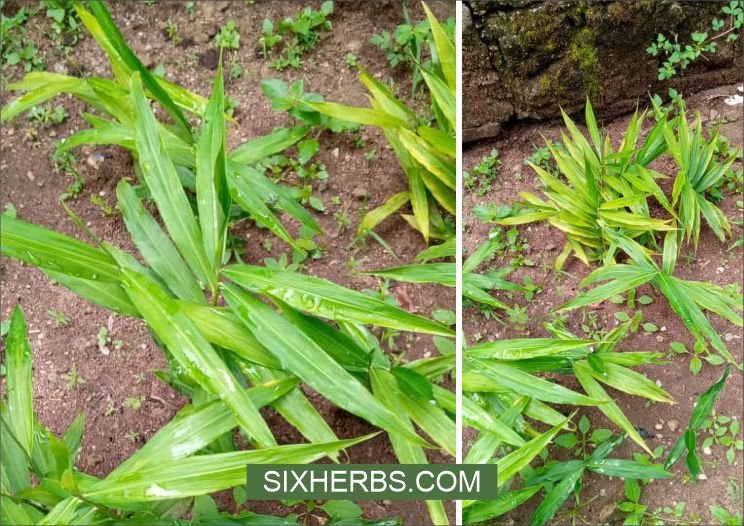
That backyard, and the woman who cultivated it, is where my relationship with herbs truly began.
Everything I write about on Six Herbs is connected to that foundation, the moringa, the tamarind, the fenugreek, the sea moss; all of it is approached through the lens of someone who grew up understanding that plants are not supplements.
They are sustenance. They are medicine. They are culture. They are life.
How I Use These Herbs Today
I use moringa regularly — added to meals, blended into drinks, and as a daily nutritional addition in my household.
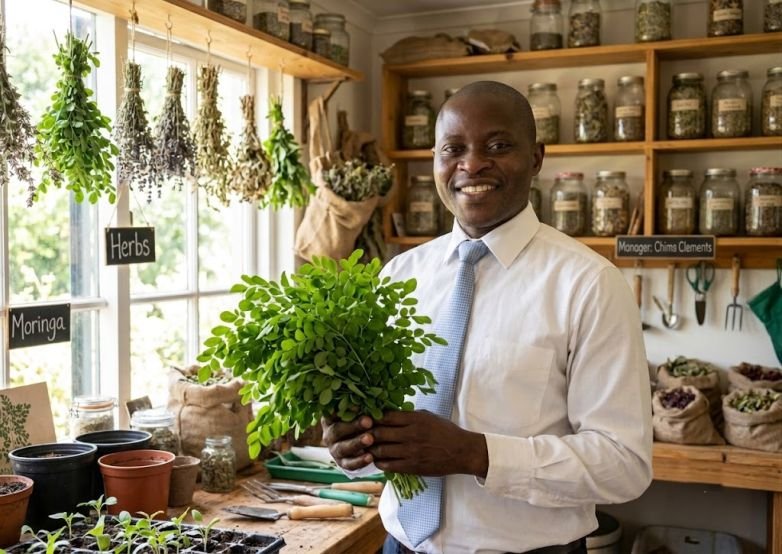
I use tamarind in my cooking and have turned to it for digestive purposes the way my community always has.
This personal, ongoing use of the herbs I write about is what separates the content on this site from articles written purely from a research distance.
I am not a medical doctor or a licensed herbalist, and I am transparent about that.
What I offer is something different — the perspective of someone from a culture with deep traditional plant knowledge, who uses these herbs in real life, researches them carefully and honestly, and takes the responsibility of writing about them seriously.
What Six Herbs Cover
Rather than covering hundreds of herbs at the surface level, sixherbs.com goes deep on six: moringa, tamarind, fenugreek, sea moss, and more for now.
That focus is deliberate. I would rather build a genuinely thorough and useful resource on a small number of herbs than produce shallow content on everything.
Every article on this site is researched carefully, written with awareness that people make real decisions based on what they read about herbs and health, and reviewed against credible sources before publication.
Where the research is mixed or uncertain, I say so. Where personal experience differs from what studies suggest, I note both.
Read about how we source and write our articles and methodology.
My Broader Background
Beyond sixherbs.com, I have been working closely with plants and traditional agricultural knowledge in Eastern Nigeria since 2010.
That broader relationship with the natural world, understanding how plants grow, how communities use them, and how traditional knowledge and modern research can speak to each other, runs through all of my writing.
If you have questions, corrections, or topics you would like this site to cover, we are always open to hearing from readers.
📧 chims@sixherbs.com
📍 Abia State, Eastern Nigeria