
Last updated on September 7th, 2026 at 09:23 am
The moringa tree is more than one species and more than a superfood headline. This guide covers its physical traits, three distinct species, how to grow and care for one, and what research actually supports about its role in agriculture.
Moringa oleifera is the specific species most people actually mean when they say the word moringa, but it is not the only one.
This guide covers the tree itself, including its physical structure, growing conditions, typical lifespan, and realistic yield expectations for anyone considering planting one.
What each specific part of the tree is used for, from leaves to bark, gets a brief mention here with links to the dedicated guide for each.
Environmental and agricultural claims about moringa get the same treatment, kept brief here and covered fully, with real citations, on our dedicated benefits and uses guide instead.
Medical Disclaimer: This article is for informational purposes only and does not replace professional medical advice. Consult a qualified healthcare professional before using herbs or supplements.
Table of Contents
Moringa Species
Most moringa content, including most of this site, focuses on one species: Moringa oleifera.
Two other species show up in specific regions, each with its own distinct uses.
- Moringa oleifera. The most common species, growing 10 to 15 meters tall with feathery leaves rich in vitamins A, C, and E. This is the species behind nearly every moringa product sold worldwide.
- Moringa stenopetala. Native to East Africa, with broader leaves and larger seed pods, used widely in traditional East African dishes.
- Moringa peregrina. Found mainly on the Arabian Peninsula, grown primarily for its seed oil rather than its leaves.
Unless a product specifically says otherwise, assume it comes from Moringa oleifera.
What the Tree Looks Like
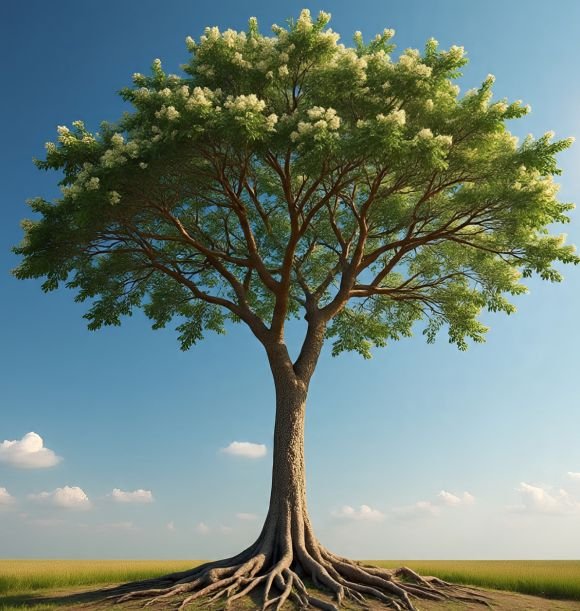
A mature moringa tree reaches 10 to 15 meters tall, with a slender trunk around 30 centimeters wide and rough, grey-brown bark.
Its compound, feathery leaves are made of many small leaflets along a central stem, giving it a soft, fern-like look.
Small, fragrant white flowers, sometimes tinged yellow or purple, attract bees and butterflies and signal that pods are coming.
The long, slender pods, commonly called drumsticks, grow 30 to 60 centimeters and turn brown and papery as they mature.
Growing and Caring for a Moringa Tree
Moringa thrives in warm climates, ideally between 25 and 35 degrees Celsius, with at least six hours of direct sun daily.
Well-drained sandy or loamy soil with a pH between 6.0 and 7.0 supports the healthiest growth.
You can propagate moringa from seeds soaked for 24 hours before planting, or from mature cuttings around 30 to 45 centimeters long.
Water regularly while the tree is young; established trees tolerate drought well and need far less watering.
Regular pruning encourages bushier growth, better airflow, and stronger leaf and pod production.
Lifespan and Yield
A well-cared-for moringa tree can live up to 20 years, with its most productive period lasting around 10 years.
An established tree can yield roughly 150 to 200 kilograms of leaves per year.
My grandmother’s moringa tree in Aba has outlived that estimate by a wide margin.
It still stands in the family compound today, well past the point most guides consider a tree’s peak.
Pests and Common Problems
Aphids, spider mites, and caterpillars are the most common pests, weakening leaves and slowing growth if left unchecked.
Regular inspection catches infestations early, and neem oil or insecticidal soap usually controls them without harsh chemicals.
Root rot, leaf spot, and fungal infections tend to follow poor drainage, overcrowding, or high humidity.
Good spacing, well-drained soil, and removing infected leaves promptly keep most disease problems manageable.
Harvesting Without Harming the Tree
Selective harvesting keeps a tree productive for years, rather than stripping it in one go.
Take no more than about a third of the leaves at a time, which encourages new growth rather than stressing the plant.
Seeds are ready once pods turn brown and papery, while pods for cooking taste best picked young and tender.
For what to do with leaves after harvest, including drying and storage, see our complete guide to moringa leaves.
What Each Part of the Tree Is Used For
Every part of the tree serves a different purpose, and each has its own dedicated guide on this site.
Leaves are the most-used part, eaten fresh or dried into powder; see our guides on moringa leaves and moringa powder.
Seeds are eaten or pressed into oil; see our guides on moringa seeds and moringa oil.
Pods, flowers, roots, and bark each have narrower, more specific uses, covered in our guides on moringa pods, moringa flowers, moringa roots, and moringa bark.
Environmental Role
Moringa contributes to soil and wider ecosystem health, beyond simply feeding people.
Its deep roots help stabilize soil and reduce erosion, and fallen leaves return nutrients to the ground as they decompose.
Its drought tolerance and rapid growth also make it useful in agroforestry, providing shade for other crops in mixed farming systems.
For the fuller picture, including its role as livestock feed and in global agricultural economics, see our on moringa’s cultural, economic, and agricultural impact.
Research on the Moringa Tree
Most research specific to the tree itself, rather than its parts, focuses on cultivation and drought resistance rather than health claims.
For nutrition and health-specific research, including which claims have real human evidence, see our complete research roundup and health benefits guide, both sourced to real, checkable studies.
Safety Note
Leaves, pods, seeds, and properly processed oil are safe parts of the tree for regular food use.
Root and bark are not, since they contain compounds linked to toxicity in animal studies.
See our complete warnings and risks guide before using any part beyond leaves, pods, and seeds.
Conclusion
The moringa tree is more than a nutrition headline: a real plant with three species, specific growing needs, and a role in soil health.
Moringa oleifera remains the species behind nearly everything sold commercially as moringa today.
Growing one takes warm weather, well-drained soil, and patience during the first year, after which the tree becomes remarkably resilient.
What each part does, medically and nutritionally, belongs on its own dedicated guide, linked throughout this page.
Plant one thoughtfully, harvest it selectively, and it can keep producing for two decades or more.
Frequently Asked Questions
How fast does a moringa tree grow?
Very fast: a healthy young tree commonly reaches 10 to 15 meters within its first year or two, given warm, sunny, and stable, well-watered conditions overall each season.
Which moringa species should I plant at home?
For most home growers, Moringa oleifera is the right choice, since it remains by far the most studied, most widely available, and most versatile species worldwide today.
How long does a moringa tree live and produce?
A well-cared-for moringa tree can live up to 20 years, with its single most productive decade typically falling within roughly its first ten years of active growth overall.
Are all parts of the moringa tree safe to eat?
No, leaves, pods, and seeds are generally safe in normal food amounts, but root and bark contain compounds linked to real toxicity and should be avoided as food.

Chims Clements writes about herbs from personal experience and careful research. Growing up in Aba, Nigeria, moringa and tamarind were everyday household plants long before they became globally recognised superfoods. He uses both regularly in his home today. At Six Herbs he goes deep on moringa, tamarind, fenugreek, and sea moss — building honest, experience-backed content that separates what tradition knows from what science confirms. The content on this site is for informational purposes only and is not medical advice. Always consult a healthcare provider before using herbs medicinally.