
Last updated on September 7th, 2026 at 10:49 am
Moringa seeds carry real nutrition and a genuinely useful role in water purification, but not every claim about them online holds up. This guide covers what seeds actually contain, how to eat them, and which specific uses have real evidence.
Moringa seeds are one of the more genuinely useful parts of the tree, with real applications beyond eating them.
Their basic nutrition profile and detailed health claims live on our dedicated health benefits guide, so this page focuses on what makes seeds specifically distinct.
That includes how to eat them, how the oil is extracted, and their documented role in water purification.
It also covers practical uses like fertilizer and biofuel, framed honestly as traditional or exploratory rather than proven.
Safety guidance and buying tips round out the page, since seeds carry a few precautions worth knowing before regular use.
Medical Disclaimer: This article is for informational purposes only and does not replace professional medical advice. Consult a qualified healthcare professional before using herbs or supplements.
Table of Contents
What Are Moringa Seeds
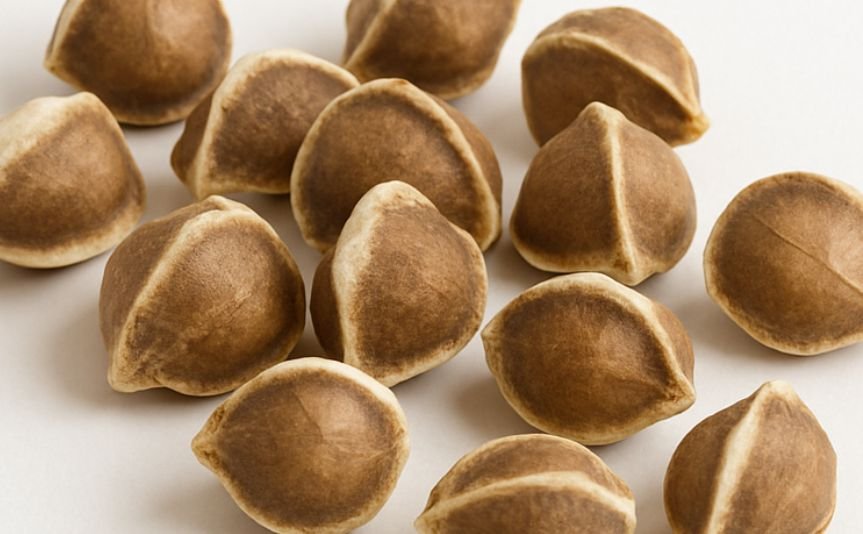
Moringa seeds develop inside the tree’s long pods and are round, with a papery, winged husk that helps them disperse in the wind. They can be eaten raw, roasted, or boiled, and are also pressed for oil.
For the tree and pod they come from, see our guides on the moringa tree and moringa pods.
Nutrition: The Detailed Breakdown
Seed composition varies by study and growing region, so figures below are typical ranges rather than one fixed number.
A 2020 compositional study from Tunisia offers one of the more complete seed-specific breakdowns available:
| Component (dry weight) | Typical Amount |
|---|---|
| Protein | 33–41% |
| Fat / oil | 32–42% |
| Fiber | 3–4% |
| Total sugars | 8–10% |
| Ash (mineral content) | 3% |
Seed oil itself has a distinct fatty acid profile, unlike anything covered on our general nutrition guide, since leaves contain very little fat by comparison:
| Fatty Acid | Approximate Share of Seed Oil |
|---|---|
| Oleic acid (monounsaturated) | 73–77% |
| Palmitic acid (saturated) | 6–12% |
| Behenic acid (saturated) | up to 7% |
| Stearic acid (saturated) | 2–5% |
| Linoleic and linolenic acid (polyunsaturated) | under 5% combined |
That high oleic acid share is similar to olive oil, and it is part of why the extracted oil behaves so well in cooking and skincare.
The same study found alpha-tocopherol makes up about half of the oil’s vitamin E content, and beta-sitosterol accounts for nearly half of its plant sterols.
For leaf-specific nutrition, vitamin and mineral tables, and cross-part comparisons, see our complete nutrition and health benefits guide instead.
Health Benefits: Where the Evidence Actually Stands
Seed-specific human research stays limited compared to leaf research, so many circulating benefit claims are borrowed from leaf studies rather than tested on seeds directly.
Cardiovascular, digestive, and immune claims mostly rest on general moringa research rather than seed-specific human trials.
Our complete health benefits guide and research roundup sort every claim by human, animal, or lab-study evidence, and by which part was actually tested.
Culinary Uses of Moringa Seeds
Raw seeds have a mild, nutty flavor and crunchy texture, good for snacking or tossing into salads.
Roasting brings out a deeper, earthier taste, good for sprinkling over soups or grinding into a powder for smoothies.
Boiling softens the seeds, making them a good addition to curries, stews, or rice dishes.
Start with small amounts, since seeds are more concentrated than leaves and easy to overdo.
Seed Oil
Pressing moringa seeds produces an oil sometimes called ben oil, valued for cooking, skincare, and haircare.
It is notably rich in oleic acid, which gives it good stability and a relatively high smoke point for cooking.
Extraction method, quality signs, and specific uses each deserve more space than fits here.
See our complete guide to moringa oil and our guide on how to choose quality moringa oil.
Practical and Environmental Uses
Crushed moringa seeds release proteins that act as natural coagulants, genuinely useful for clarifying dirty water in low-resource settings.
This is real, decades-old published science, covered in more depth in our guide to moringa’s cultural, economic, and agricultural impact.
Leftover seed cake after oil extraction is traditionally used as a nitrogen-rich soil additive, and the seed’s oil content has drawn exploratory interest as a biofuel source.
Neither of these last two uses has the same depth of research behind it as water purification.
Precautions
Large amounts of moringa seeds can cause nausea, diarrhea, or other digestive upset in some people.
Anyone on blood pressure or blood sugar medication should check with a doctor first, since seeds may affect how these medications work.
Pregnant women, breastfeeding mothers, and children should use extra caution and seek medical guidance before regular use.
Our complete warnings and risks guide and dosage guide cover this in more detail.
Selecting and Storing Moringa Seeds
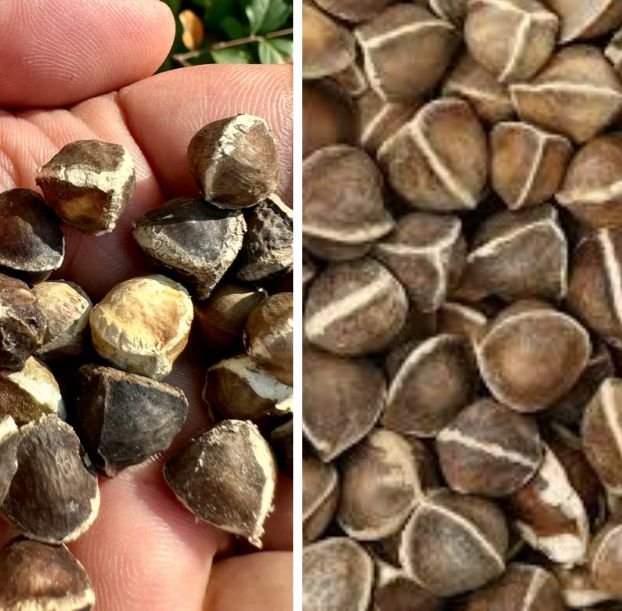
Choose firm, plump seeds with a consistent brown color, avoiding any that look shriveled, discolored, or show signs of mold.
Buy from reputable suppliers who focus on organic or sustainably grown seeds where possible.
Store seeds in a cool, dry, airtight container away from sunlight and moisture.
Refrigeration or freezing extends freshness to about a year, though using seeds within six months preserves the most flavor and nutrition.
Conclusion
Moringa seeds are distinct from leaves, carrying more protein and fat and a real, well-documented role in water purification.
Their oil and health claims belong on their own dedicated guides, linked throughout this page.
What matters most for seeds specifically is eating them safely, storing them properly, and knowing which practical uses actually have research behind them.
Water purification is well established; fertilizer and biofuel uses stay more exploratory.
Start with small amounts, check the linked guides for anything specific, and talk with a doctor if you take regular medication.
Frequently Asked Questions
What is the best way to eat moringa seeds?
Raw, roasted, or boiled preparations all work well: raw seeds offer crunch, roasting deepens flavor, and boiling softens them for cooking into many everyday meals or side dishes.
Is the water purification claim for moringa seeds actually real?
Yes, this is genuine, decades-old published science: proteins released from crushed seeds act as natural coagulants that clump particles and bacteria so they settle out of contaminated water.
Can moringa seeds really be used as fertilizer or biofuel?
These are traditional and exploratory uses rather than fully proven ones: leftover seed cake works as a nitrogen-rich fertilizer, and seed oil shows genuine, growing biofuel potential today.
How long do moringa seeds stay fresh?
Properly stored seeds can stay fresh for up to a year when refrigerated or frozen, though using them within six months preserves the most nutrition and flavor overall.

Chims Clements writes about herbs from personal experience and careful research. Growing up in Aba, Nigeria, moringa and tamarind were everyday household plants long before they became globally recognised superfoods. He uses both regularly in his home today. At Six Herbs he goes deep on moringa, tamarind, fenugreek, and sea moss — building honest, experience-backed content that separates what tradition knows from what science confirms. The content on this site is for informational purposes only and is not medical advice. Always consult a healthcare provider before using herbs medicinally.