
Last updated on September 21st, 2026 at 09:58 am
Sea moss gel is just soaked, blended sea moss, three ingredients and a blender. The part most guides skip is how much water, how long to soak, and what actually changes if you get either wrong.
This guide covers what sea moss gel actually is, a complete step-by-step method for making it at home, and practical ways to use it in food, drinks, and skincare.
For the full nutrient breakdown and health research behind it, I link to our dedicated guides rather than repeating them here.
Gel is simply soaked and blended raw sea moss with the same underlying composition as the plant itself.
Disclaimer: Six Herbs is an educational resource, not a medical service. Nothing in this article constitutes medical advice, diagnosis, or treatment. Always consult a qualified healthcare provider before using any herb or supplement, particularly if you are pregnant, breastfeeding, taking medication, or managing a health condition.
Table of Contents
What Is Sea Moss Gel?
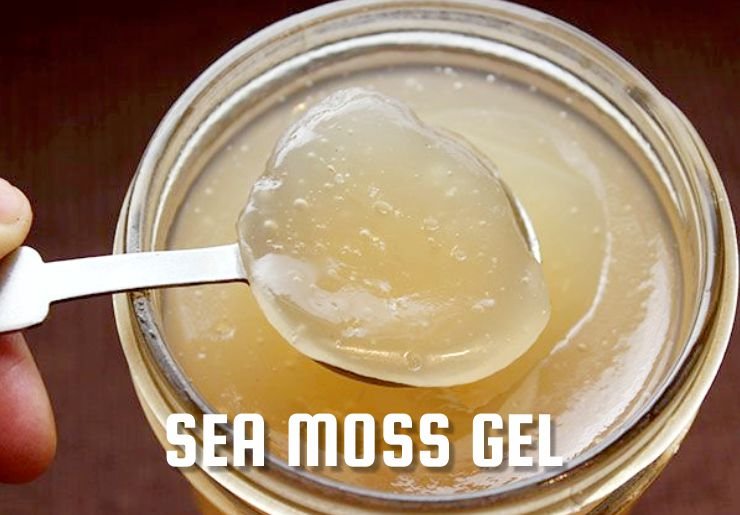
Sea moss gel is a smooth, jelly-like substance made by soaking dried sea moss in water, then blending it until smooth.
It’s the most commonly used form today, since it’s easier to prepare and measure than raw dried moss.
It also retains more of the original nutrient content than heavily processed capsules or gummies.
For the species and variety distinctions that affect what’s actually in your gel, see our sea moss guide.
Organic vs. Standard Sea Moss Gel
Organic sea moss gel is made from moss harvested without synthetic fertilizers or chemical processing, then cleaned and blended with filtered water.
The practical difference from standard gel is mainly about sourcing and contamination risk rather than a different nutrient profile.
Buying from a source that publishes contaminant testing matters more than the organic label itself.
How to Make Sea Moss Gel, Step by Step
- Rinse and clean. Rinse dried sea moss thoroughly under cool water to remove sand, salt, and debris, picking out any damaged pieces.
- Soak. Cover the cleaned moss with filtered water and soak for 12 to 24 hours, until it expands and softens.
- Blend. Transfer the soaked moss to a blender with a small amount of fresh water, blending until smooth. Add water gradually to control thickness.
- Store. Pour the gel into a clean glass jar, seal tightly, and refrigerate.
Nutrition and Health Benefits, in Brief
Sea moss gel carries the same core minerals as raw sea moss, including iodine, magnesium, calcium, potassium, and zinc, detailed in full on our sea moss nutrition facts page.
Its health reputation covers thyroid function, digestion, and antioxidant activity, with evidence quality varying by claim.
See our sea moss benefits guide for the honest breakdown of what’s backed and what’s extrapolated.
Since gel is minimally processed beyond blending, it retains this profile well compared to more heavily processed forms.
Practical and Skincare Uses
Sea moss gel works as a natural thickener in soups, sauces, and puddings without noticeably changing flavor, and blends easily into smoothies and drinks.
Topically, its polysaccharide content helps skin hold moisture, making it a common ingredient in DIY face masks mixed with honey or aloe vera.
It’s also used directly on the scalp as a hydrating hair mask.
Simple Ways to Use It Daily
A spoonful blends into smoothies with fruit, stirs into warm oatmeal, or thickens soup after cooking without changing the flavor much.
As a face mask, mix it with honey or aloe vera and rinse after a short time.
For pairing it with citrus or ginger in a drink, treat this as a flavor combination rather than a detox.
No evidence shows sea moss gel removes toxins the body doesn’t already process on its own.
How Much to Use
A common starting point is one to two tablespoons daily, mixed into food or drinks.
For the fuller breakdown of dosage by body weight, iodine sensitivity, and form, see our guide to how much sea moss gel to take per day.
How to Store Sea Moss Gel
Store gel in a clean, airtight glass container in the refrigerator, where it typically stays fresh for two to three weeks.
Use clean utensils each time to avoid contamination, and discard it if you notice a sour smell, mold, or a watery, separated texture.
Safety Considerations
Sea moss gel carries the same core safety considerations as sea moss generally: variable iodine content and the possibility of heavy metal contamination from its growing water.
Iodine content in tested seaweed products has been found to exceed EU tolerable intake guidance in a meaningful share of samples.
For the full safety picture, see the safety and warning guide.
What the Research Shows
Most published research covers sea moss and related seaweeds broadly rather than the gel form specifically, since gel is simply soaked, blended raw moss with the same underlying composition.
For the fuller research picture, including named citations and stated limitations, see our scientific studies on sea moss page.
Conclusion
Sea moss gel is straightforward: soaked, blended moss that retains most of the plant’s original nutrient profile while being far easier to use daily than raw dried moss.
Its health case rests on the same evidence as sea moss generally, some of it solid, some extrapolated, covered in full on our dedicated benefits and research pages.
Made and stored properly, it’s a practical way to work sea moss into food, drinks, and skincare without much daily effort.
Frequently Asked Questions
What is sea moss gel made from?
It’s made from dried sea moss soaked in water, then blended until smooth, retaining the plant’s natural minerals and fiber without added ingredients.
How much sea moss gel should you take daily?
A common starting point is one to two tablespoons daily, though the right amount depends on iodine sensitivity and the specific product’s concentration.
Can sea moss gel be taken on an empty stomach?
Yes, many people take it in the morning with water or juice, and it doesn’t require food to be absorbed or tolerated well.
How long does sea moss gel last in the fridge?
Properly stored in a clean, airtight container, it typically lasts two to three weeks before quality starts to decline noticeably.

Chims Clements writes about herbs from personal experience and careful research. Growing up in Aba, Nigeria, moringa and tamarind were everyday household plants long before they became globally recognised superfoods. He uses both regularly in his home today. At Six Herbs he goes deep on moringa, tamarind, fenugreek, and sea moss — building honest, experience-backed content that separates what tradition knows from what science confirms. The content on this site is for informational purposes only and is not medical advice. Always consult a healthcare provider before using herbs medicinally.