
Last updated on September 19th, 2026 at 10:33 am
Every tamarind chutney recipe claims to be authentic, sweet, and tangy, which tells you almost nothing useful. This one actually explains what makes sweet, spicy, and date versions truly different, plus what’s honestly backed by research versus generic marketing language.
Tamarind chutney gets described as sweet, tangy, and adaptable on nearly every recipe site, without much said about what actually distinguishes one version from another.
This guide covers the actual ingredients, a complete step-by-step method, and what truly sets sweet, spicy, Indian, date, concentrate, and samosa-style chutney apart from each other.
It also covers what published research supports about tamarind’s health claims, since the digestion and antioxidant benefits commonly get repeated without any source behind them.
For the full range of ways to serve it, storage tips, and answers to common questions, the rest of this guide covers that ground.
Disclaimer: Six Herbs is an educational resource, not a medical service. Nothing in this article constitutes medical advice, diagnosis, or treatment. Always consult a qualified healthcare provider before using any herb medicinally, particularly if you are pregnant, breastfeeding, taking medication, or managing a health condition.
Table of Contents
What Is Tamarind Chutney?
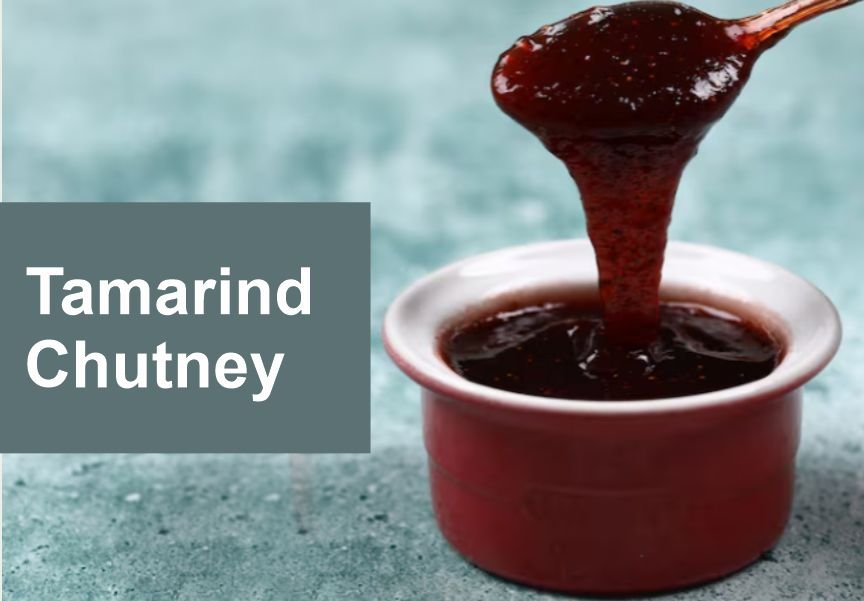
Tamarind chutney is a sweet, tangy, and mildly spiced condiment made from tamarind pulp, especially common in Indian, Pakistani, and other South Asian cuisines.
Unlike many other chutneys, it balances sourness with true sweetness, making it a natural fit for snacks, street food, and sauces.
Its role in Indian cooking runs deep enough that tamarind’s culinary influence extends well beyond chutney itself, as detailed in this history of tamarind in global cuisine.
Ingredients for Making Tamarind Chutney
- Tamarind pulp, the base that brings natural sourness and body; see our tamarind paste and pulp guide for preparation
- Jaggery or sugar, which balances the tartness with a rich, sweet undertone
- Spices like cumin, black salt, chili powder, and optional ginger or roasted coriander for depth and heat
- Water, used to soak the pulp and adjust the final consistency
- Optional additions like dates or raisins, which add natural sweetness and complexity
How to Make Tamarind Chutney, Step by Step
- Soak the pulp. Soften tamarind pulp completely in warm water to release its flavor.
- Blend into a paste. Blend the softened pulp with some of the soaking water, straining out fibers or seeds if needed.
- Simmer with sweeteners and spices. Add jaggery or sugar along with your chosen spices, then simmer gently, stirring until everything dissolves and melds together.
- Adjust consistency. Add water gradually to reach a thinner, drizzling texture or a thicker one for dipping.
- Cool and store. Let the chutney cool fully before transferring it to an airtight container.
Health Considerations: What’s Backed by Research and What Isn’t
This chutney gets credited with a long list of benefits, and it’s worth separating what’s actually documented from what’s just repeated across recipe blogs.
Antioxidants, actually present
Tamarind pulp contains documented antioxidant compounds, detailed in this review of tamarind’s nutritional chemistry, though cooking and added sugar change the final nutrient balance compared to raw pulp.
Digestion, mostly traditional
A review of dietary polyphenols found they can influence gastrointestinal motility, a plausible mechanism behind tamarind’s traditional digestive reputation, detailed in this review of polyphenols and gut motility.
This is mechanistic evidence, not a clinical trial on chutney itself.
A “healthier sugar” alternative, worth qualifying
Chutney does use tamarind’s natural sugars alongside jaggery or sugar, but it’s still a sweetened condiment, not a low-sugar food, so portion size matters more than the sweetener source.
Clinical references classify tamarind as generally safe in food amounts, according to the RxList clinical reference on tamarind.
For the fuller nutrition and research picture, see our tamarind nutrition facts page and our tamarind guide.
Popular Uses of Tamarind Chutney
- As a dip for samosas, pakoras, and chaat, where its sweet-sour brightness balances fried, crispy textures
- As a dressing drizzled over salads or wraps for a tangy layer without overpowering fresh ingredients
- Stirred into rice or noodles for a gentle sweet-sour lift alongside other spices
- Blended into marinades for meat, tofu, or vegetables, where its acidity helps tenderize proteins
- Mixed into drinks or desserts, in the same spirit as tamarind smoothies or tamarind candy, for a tangy twist on sweeter recipes
Variations of Tamarind Chutney
Sweet Chutney
Sweet tamarind chutney leans on jaggery, sugar, or honey for a gentle, approachable flavor, ideal for drizzling over chaat or pakoras.
Spicy Chutney
Spicy tamarind chutney adds chili or black pepper for noticeable heat, working well with fried or roasted foods where you want a bolder kick.
This mirrors the heat level found in spicier versions of tamarind sauce.
Indian-Style Chutney
Indian-style tamarind chutney is the classic street-food version: tamarind pulp, jaggery, cumin, black salt, and chili powder combined into a balanced sweet-sour-spicy condiment used across chaat, bhel puri, and samosas.
Date Chutney
Date tamarind chutney incorporates dates for a richer, naturally caramelized sweetness and thicker texture, cutting down on the need for refined sugar.
Concentrate Chutney
Concentrate tamarind chutney is reduced further into a dense, shelf-stable paste, useful when you want a small amount to deliver a strong, concentrated flavor.
Samosa Chutney
Samosa chutney is typically thicker than other styles, made to cling to fried pastry without making it soggy.
Storage and Shelf Life
Store chutney in an airtight container in the refrigerator, where chilling slows fermentation and helps preserve its texture.
Use a clean spoon each time to avoid contamination.
For longer storage, freeze it in small portions using ice cube trays or freezer-safe containers, which makes it easy to thaw only what you need.
If separation occurs, stir well before use, and adjust water or spices slightly if reheating changes the balance.
Conclusion
Tamarind chutney earns its place in so many cuisines because the sweet-sour-spicy combination actually works, drizzled over chaat or stirred into a marinade.
Its health reputation is grounded in tamarind’s general research base rather than chutney-specific studies, so treat digestion and antioxidant claims as reasonable rather than proven for this preparation.
Each regional variation changes the balance of sweet, sour, and spice rather than the underlying nutrition.
Store it refrigerated or frozen in portions, and it keeps well for weeks. See our detailed tamarind sauce recipe guide for much more.
Frequently Asked Questions
What is the main ingredient in tamarind chutney?
Tamarind pulp forms the base of the chutney, providing natural sourness, body, and rich flavor that pairs well with sweeteners like jaggery or sugar and various added spices.
Can tamarind chutney actually aid digestion?
Traditional use and its fiber and acid content support this, though most of the supporting research is on tamarind pulp generally rather than chutney as a finished dish.
How should tamarind chutney be stored?
Store it in an airtight container in the refrigerator for freshness, or freeze it in small portions, which preserves flavor and texture for much longer without noticeable spoilage.
Is tamarind chutney suitable for sugar-conscious diets?
It uses natural sugars from tamarind and optional jaggery or dates rather than refined sugar, though moderate portions still matter for your daily sugar and total calorie intake.

Chims Clements writes about herbs from personal experience and careful research. Growing up in Aba, Nigeria, moringa and tamarind were everyday household plants long before they became globally recognised superfoods. He uses both regularly in his home today. At Six Herbs he goes deep on moringa, tamarind, fenugreek, and sea moss — building honest, experience-backed content that separates what tradition knows from what science confirms. The content on this site is for informational purposes only and is not medical advice. Always consult a healthcare provider before using herbs medicinally.