
Last updated on September 19th, 2026 at 10:23 am
Tamarind candy is basically tamarind’s tangy pulp turned into something you can hold in your hand: sweet, sour, and usually spicy all at once. Pulparindo, the famous Mexican brand, built an entire candy category around exactly this one combination of flavors.
Tamarind candy takes the fruit’s sharp tang and turns it into a chewy, portable treat, balanced with sugar, salt, and usually chili.
This guide covers the ingredients, a full step-by-step recipe, regional styles from Mexico to Thailand to India, and how large manufacturers turn the same pulp into shelf-stable candy at scale.
I also cover storage, since homemade candy behaves differently than the individually wrapped versions you’d buy at a store.
For the health claims that usually get attached to tamarind candy, I stick to what’s documented about tamarind’s nutrition rather than treating a sugar-heavy treat as a health food.
Disclaimer: Six Herbs is an educational resource, not a medical service. Nothing in this article constitutes medical advice, diagnosis, or treatment. Always consult a qualified healthcare provider before using any herb medicinally, particularly if you are pregnant, breastfeeding, taking medication, or managing a health condition.
Table of Contents
What Is Tamarind Candy?
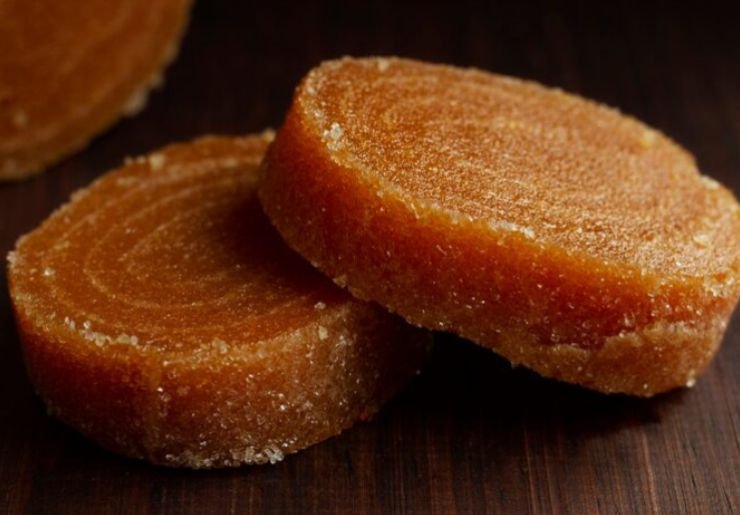
Tamarind candy is a sweet-and-tangy treat made from tamarind pulp combined with sugar, honey, or spices like chili.
Shaped into small balls, rolls, or bars, it’s a popular street snack across dozens of countries, alongside other pulp-based drinks like tamarind juice and tamarind smoothies.
One of the best-known commercial versions is Pulparindo, made from tamarind pulp with sugar, salt, and chili peppers.
This gives it a distinctive sweet, sour, salty, and spicy profile all at once.
What Tamarind Candy Tastes Like
The sharp tang of tamarind pulp is the base flavor, balanced by sugar or jaggery, which softens the acidity into a sweet-sour taste.
Many regional recipes add a pinch of salt or chili powder, contrasting sweetness with sharpness and heat.
The texture is usually chewy and sticky, slowly releasing tang as you chew.
Ingredients for Tamarind Candy
- Tamarind pulp or paste, the base that holds the candy together; see our tamarind paste and pulp guide for preparation
- Sugar or brown sugar, which balances the sour taste and thickens the mixture
- Salt, a small pinch that sharpens the flavor
- Chili powder, for the sweet-sour-spicy combination common in street-style candy
- Lime juice, for brightness and a cleaner, lighter tang
- Ginger powder, for mild warmth
- Corn syrup or glucose syrup, which keeps the candy smooth and prevents sugar crystals from forming
How to Make Tamarind Candy, Step by Step
- Prepare the pulp. Soak tamarind pulp in warm water, then mash and strain out seeds and fibers until smooth.
- Cook the mixture. Combine the pulp with sugar and salt in a saucepan, heating over low to medium heat until thick and glossy.
- Add flavorings. Stir in chili powder, lime juice, or ginger once the mixture thickens.
- Form the candy. Cool slightly, then roll into balls with oiled hands, or press flat and cut into bars.
- Cool and set. Let the shaped pieces firm up on parchment paper, then store in an airtight container.
Tips for the Best Tamarind Candy
Taste while cooking and adjust sugar to balance tamarind’s sharp sourness.
Cook the pulp longer if it feels watery, since a thicker base holds together better.
Start with a small amount of chili and increase gradually until the heat matches your preference.
Dust the finished pieces lightly in sugar to keep them from sticking together during storage.
Popular Types of Tamarind Candy Around the World
Mexican Tamarind Candy
Mexican tamarind candy blends pulp with sugar and chili powder, formed into balls, ropes, or paste-filled sticks and commonly coated in chili seasoning.
Pulparindo is the most widely recognized commercial example, detailed in this overview of the Pulparindo brand.
Thai Tamarind Candy
Thai tamarind candy leans toward sweetness and chewiness, mixing paste with sugar or palm sugar into simple, mild pieces with little or no chili.
Indian Tamarind Candy
Indian tamarind candy mixes pulp with jaggery and warming spices like ginger powder, cumin, or black salt, for a sweet, sour, and gently spiced flavor.
It uses pulp from the same tamarind tree covered in our botanical guide.
Tamarind Lollipop Candy
Tamarind lollipop candy wraps thick paste around a stick, coated in chili powder or sugar, releasing its sweet-sour-spicy flavor slowly as it’s licked or bitten.
How Tamarind Candy Is Made Commercially
Producers start with ripe pods or bulk paste, removing shells, fibers, and seeds before washing the pulp.
Industrial mixers break it down and filter out remaining strands, producing a smooth puree.
Sugar syrup, salt, and any flavor additions are mixed in at scale.
The mixture is then heated and stirred continuously until it thickens into a chewy paste, with careful temperature control to avoid a hard, brittle texture.
The thick paste is pushed through rollers or molds to form consistent pieces, sometimes coated in chili powder or sugar crystals, then cooled, wrapped, and packaged for distribution.
How to Store Tamarind Candy
Keep the candy in an airtight container once it’s fully cooled, away from moisture and humidity that can make it sticky or cause it to harden.
Store it in a cool, dry place away from heat sources and direct sunlight.
Refrigeration extends shelf life further, though letting refrigerated candy sit at room temperature for a few minutes before eating helps it soften back up.
Homemade candy generally lasts several weeks when stored properly, and higher sugar content tends to extend that further, since sugar acts as a natural preservative.
Health Considerations
Tamarind candy is a treat, not a health food, and it’s worth being upfront about that before listing any benefits.
That said, it’s made from actual fruit pulp rather than purely artificial ingredients, so it does carry some of tamarind’s own compounds:
- Antioxidants, documented in tamarind pulp generally and detailed in this review of tamarind’s nutritional chemistry
- Vitamins and minerals, including vitamin C, B vitamins, potassium, magnesium, and iron, though in small amounts relative to the sugar content
- General safety, with tamarind classified as safe in food amounts according to the RxList clinical reference on tamarind, and a six-month toxicity study on tamarind pulp extract finding it well tolerated at tested doses in animal models, detailed in this toxicology study
For the fruit’s fuller nutrition picture, see our tamarind nutrition facts page rather than treating a sugar-heavy candy as a primary source of these nutrients.
Conclusion
Tamarind candy earns its popularity honestly: it’s one of the few candies where sour, sweet, and spicy actually coexist in a single bite.
That’s a combination Mexican brands like Pulparindo built entire product lines around.
Homemade versions let you control sugar and heat precisely, while commercial candy trades some of that control for shelf stability.
It’s a treat, not a health food, though it does carry some of the antioxidants and minerals found in tamarind pulp generally.
Store it in an airtight container, away from heat, and it keeps well for weeks.
Frequently Asked Questions
What ingredients do I need to make tamarind candy?
You need tamarind pulp or paste, sugar or jaggery, a pinch of salt, and optional additions like chili powder, lime juice, or ginger for flavor and extra depth.
How do you make tamarind candy at home?
Cook tamarind pulp with sugar and salt until thick and glossy, mix in any spices you like, then form and coat the candy before it fully cools down.
How long does homemade tamarind candy last?
Stored in an airtight container in a cool, dry place, it typically keeps for several weeks, and refrigeration can extend that further if you prefer a firmer texture.
Is tamarind candy actually healthy?
It’s a treat first, though it does contain some fiber, antioxidants, and minerals from actual tamarind pulp, more than most plain sugar candies typically offer on their own.

Chims Clements writes about herbs from personal experience and careful research. Growing up in Aba, Nigeria, moringa and tamarind were everyday household plants long before they became globally recognised superfoods. He uses both regularly in his home today. At Six Herbs he goes deep on moringa, tamarind, fenugreek, and sea moss — building honest, experience-backed content that separates what tradition knows from what science confirms. The content on this site is for informational purposes only and is not medical advice. Always consult a healthcare provider before using herbs medicinally.