
Last updated on September 18th, 2026 at 05:09 pm
Balancing tamarind’s sharp tang with sugar and spice isn’t something I learned from a recipe card. I picked it up in Eastern Nigeria, tasting and adjusting a pot until it felt right, and I still cook it exactly that way.
Tamarind sauce turns a jar of sour pulp into something worth craving: sweet, tangy, and occasionally spicy, depending on what you mix in.
I grew up adjusting this balance by taste in Eastern Nigeria, not from a written recipe, and that instinct still guides how I make it today.
This guide covers the ingredients, a full step-by-step method, and regional variations from India to the Caribbean.
It also covers practical ways to use the finished sauce, from dipping to glazing to stirring into a stir-fry.
I also cover how tamarind sauce differs from plain tamarind paste, since the two get confused constantly anyway.
Disclaimer: Six Herbs is an educational resource, not a medical service. Nothing in this article constitutes medical advice, diagnosis, or treatment. Always consult a qualified healthcare provider before using any herb medicinally, particularly if you are pregnant, breastfeeding, taking medication, or managing a health condition.
Table of Contents
What Is Tamarind Sauce?
Tamarind sauce is a condiment made primarily from tamarind pulp or paste, sourced from the pod of the tamarind tree.
It’s known for its sweet-and-sour taste, with the natural tang usually balanced by sugar or honey, plus spices, chili, garlic, or ginger depending on the recipe.
What Tamarind Sauce Tastes Like
Tamarind sauce brings a lively mix of sweet and sour flavors, distinct from the sharper taste of raw tamarind pulp itself.
Tamarind pulp provides a sharp tang, while sugar, jaggery, or brown sugar softens the bite and creates balance.
Natural acidity gives the sauce a bright, citrus-like taste that pairs well with fried snacks, grilled chicken, seafood, noodles, and vegetables.
Chili powder or fresh chili adds gentle heat you can adjust to taste.
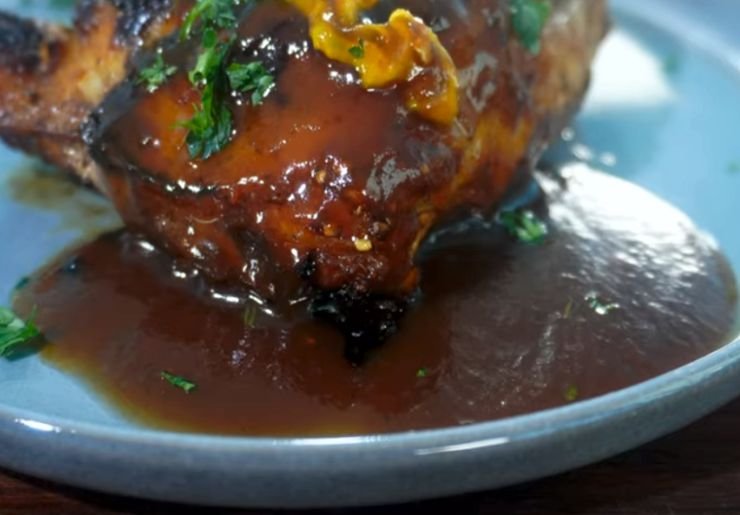
As the sauce simmers, it thickens into a glossy texture that clings well to food, making it ideal for dipping, glazing, or stirring into quick meals.
Ingredients for Tamarind Sauce
- Tamarind paste or pulp, the base of the sauce, giving it deep brown color and bright sour flavor; see our tamarind paste and pulp guide for preparation details
- Sugar, jaggery, or brown sugar, which softens the sour bite and melts into a smooth balance as the sauce simmers
- Salt, a small pinch that sharpens the flavor and keeps the sauce from tasting flat
- Garlic, minced and cooked into the sauce for a savory, aromatic layer
- Fresh ginger, grated for light, spicy warmth
- Chili powder or fresh chili, adjustable from a gentle warmth to a strong spicy kick
- Ground cumin or garam masala, common in Indian tamarind chutney recipes for earthy depth
- Vinegar, which brightens the tang and helps the sauce keep longer in the refrigerator
How to Make Tamarind Sauce, Step by Step
- Prepare the tamarind base. Dilute tamarind paste with warm water until smooth, or soak pulp from pods in warm water, then mash and strain out fibers and seeds.
- Combine ingredients. Pour the tamarind liquid into a saucepan with water, sugar or jaggery, and salt, plus any spices you’re using.
- Simmer. Cook over medium-low heat, stirring occasionally, until the liquid reduces and thickens into a glossy sauce.
- Adjust flavor. Taste and add more sugar if it’s too sour, salt to sharpen, or extra chili for heat.
- Cool and store. Transfer to a clean glass jar or airtight container and refrigerate.
Tips for the Best Tamarind Sauce
Taste before finishing and adjust sugar or jaggery to soften sharp tang, brightening a flat-tasting batch with a little lemon juice or vinegar if needed.
Control thickness with water for a drizzling consistency, or by simmering longer for a thicker glaze.
Straining through a fine mesh removes fibers for a smoother finish, and a final taste at the end helps balance sweet, sour, and spice before serving.
Variations of Tamarind Sauce Around the World
Tamarind sauce takes different forms depending on the region, each reflecting local ingredients and cooking traditions.
Tamarind has traveled an unusually long culinary road.
It’s one of the flavors behind Worcestershire sauce and HP sauce in British cooking, detailed in this history of tamarind in global cuisine.
Indian Tamarind Chutney
Indian tamarind chutney blends tamarind with jaggery, cumin, and chili powder into a sweet, tangy, and slightly spicy sauce served with samosas, pakoras, and other chaat.
See our dedicated chutney guide for the full recipe.
Caribbean Tambran Sauce
Caribbean tambran sauce mixes tamarind with garlic, Scotch bonnet or other local chilis, and fresh herbs into a bold, aromatic sauce that pairs well with grilled meats and seafood.
This is a tradition documented in this Trinidadian tambran sauce recipe.
Southeast Asian Tamarind Sauce
Southeast Asian tamarind sauce commonly combines tamarind paste with fish sauce, palm sugar, and sometimes chili for a tangy, salty-sweet flavor that works in stir-fries and dipping sauces.
Tamarind BBQ Sauce
Tamarind BBQ sauce adds tomato, vinegar, and spices to the tamarind base, complementing grilled meats and ribs with a tangy-smoky combination.
How to Use Tamarind Sauce
- As a dip for samosas, pakoras, spring rolls, or other fried snacks
- As a glaze brushed onto grilled or roasted chicken, pork, or shrimp before finishing on the heat
- As a flavor base stirred into stir-fries or curries for depth and tang
- As a marinade or dressing, mixed with oil, vinegar, or lime juice for meat, tofu, or paneer
- Over roasted vegetables, tossed with the sauce for a bright, tangy finish
It also works well in rice and noodle dishes, drizzled over street-style tacos and wraps, or as a topping for chaats.
Tamarind Sauce vs. Tamarind Paste
Tamarind paste is concentrated pulp with no added sugar, spices, or water, used as a base ingredient in curries, soups, and marinades where you control the flavor during cooking.
Tamarind sauce is the finished condiment, made by mixing that paste or pulp with water, sweetener, salt, and spices into a balanced, glossy, ready-to-use dip or glaze.
For more on tamarind’s nutrient content, including its antioxidant compounds, see this review of tamarind’s nutritional chemistry and our own tamarind nutrition facts page.
General safety information is available from the RxList clinical reference on tamarind.
Conclusion
Tamarind sauce earns its place in so many kitchens because it does one thing well: balance.
Sour pulp, sweetener, salt, and a little heat come together into something that lifts fried snacks, grilled meat, and simple rice dishes.
If you lean toward an Indian chutney style, a Caribbean tambran sauce, or a smoky BBQ version, the technique stays the same.
For the fruit’s broader nutrition profile, see our tamarind nutrition facts page instead of general claims.
Store your finished sauce in the fridge, and it keeps well for several days.
Frequently Asked Questions
What ingredients do I need to make tamarind sauce?
You need tamarind pulp or paste, water, a sweetener like sugar or jaggery, salt, and optional spices such as garlic, ginger, or chili for flavor and extra depth.
How do I prepare homemade tamarind sauce?
Soak or dilute tamarind pulp or paste, strain out the fibers and seeds, then simmer with sweetener, salt, and spices until it thickens into a smooth, ready sauce.
Can tamarind sauce be stored for later use?
Yes, store it in an airtight container in the refrigerator for three to five days, shaking or stirring before serving if separation occurs while it sits in storage.
How can I use tamarind sauce in meals?
Use it as a dip for fried snacks, a glaze for grilled meat, a stir-fry flavor base, or a quick marinade for meat, tofu, or paneer before cooking.

Chims Clements writes about herbs from personal experience and careful research. Growing up in Aba, Nigeria, moringa and tamarind were everyday household plants long before they became globally recognised superfoods. He uses both regularly in his home today. At Six Herbs he goes deep on moringa, tamarind, fenugreek, and sea moss — building honest, experience-backed content that separates what tradition knows from what science confirms. The content on this site is for informational purposes only and is not medical advice. Always consult a healthcare provider before using herbs medicinally.