
Last updated on September 16th, 2026 at 08:46 am
Tamarind seed powder transforms everyday meals, boosts digestion, supports health, and adds a nutty twist you didn’t know you needed.
Tamarind pulp is a staple in many kitchens, yet the seeds or kernel usually get tossed aside.
That overlooked part is now drawing attention as tamarind seed powder finds its way into healthy recipes and home remedies.
In your kitchen, it can support digestion, help manage blood sugar, and add plant-based nutrients to meals.
Its mild, nutty taste works in smoothies, soups, and baked goods.
Curiosity is growing around its fiber content, antioxidant compounds, and natural thickening ability.
Learning how to prepare and use it gives you a simple, low-waste way to get more value from tamarind.
If you are new to tamarind or want to grab all the details about tamarind as a tree, check out this resource.
Disclaimer: Six Herbs is an educational resource, not a medical service. Nothing in this article constitutes medical advice, diagnosis, or treatment. Always consult a qualified healthcare provider before using any herb medicinally, particularly if you are pregnant, breastfeeding, taking medication, or managing a health condition.
Table of Contents
What is Tamarind Seed Powder?
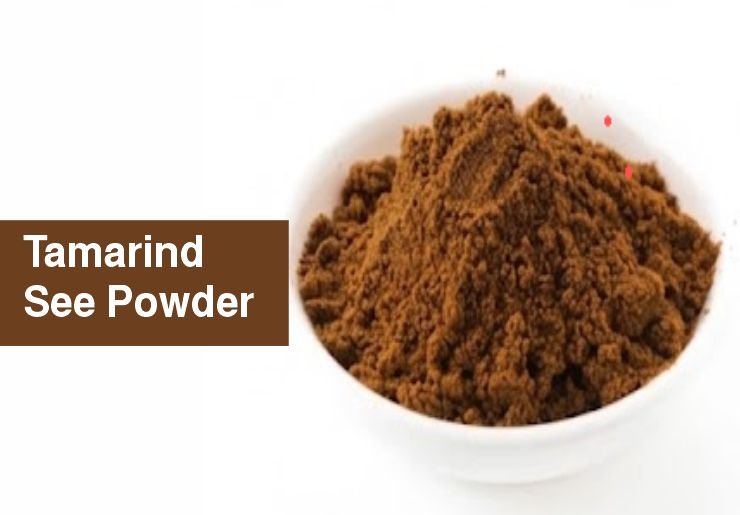
Tamarind seed kernel powder is the finely ground form of tamarind fruit seeds, rich in fiber, natural gums, and plant compounds, used to thicken sauces, boost digestion, and add nutrients to smoothies, soups, and baked goods while supporting traditional health practices.
It’s a different product from powdered tamarind leaves, covered in our tamarind leaves guide, and from tamarind fruit powder, made from the sour pulp rather than the seed.
For more on the whole, unground seed itself, see our whole tamarind seeds guide.
Nutritional Profile of Tamarind Seed (Kernel) Powder
Tamarind seed powder is packed with nutrients that support digestion, immunity, and overall wellness.
Its combination of fiber, protein, minerals, and antioxidants makes it a standout addition to your diet.
A direct nutrient analysis of tamarind kernel powder measured the following per 100 grams:
| Nutrient (per 100g) | Amount |
|---|---|
| Energy | 369 kcal |
| Carbohydrates | 62.1 g |
| Protein | 24.6 g |
| Fat | 2.5 g |
| Crude fiber | 3.7 g |
| Total ash | 2.5 g |
| Moisture | 4.67% |
| Water absorption capacity | 193% |
These figures come from this study on tamarind kernel powder’s physical and nutritional properties. Seed powder runs notably higher in protein than tamarind fruit pulp, which makes sense given it comes from a different part of the plant.
Fiber
Fiber in the seed powder helps regulate digestion, keeps you feeling full, and supports healthy blood sugar levels.
Adding it to smoothies or meals can improve gut movement and overall digestive comfort.
Protein
Plant-based protein in the seed powder contributes to muscle repair, energy, and satiety.
It complements your meals naturally, providing nutrition without relying on animal sources.
Antioxidants
Antioxidants in the powder of tamarind seed protect your cells from free radicals, support immunity, and may reduce inflammation, giving your body natural defense while nourishing it daily.
A review of tamarind seed research found interest in antioxidant and antimicrobial activity from seed-derived compounds specifically, summarized in this review of tamarind seed medicinal properties, though most of this evidence comes from lab testing rather than human trials.
Minerals
Rich minerals like calcium, magnesium, and iron support bone strength, nerve function, and oxygen transport, helping you maintain energy and overall wellness with every serving.
Polyphenols
Polyphenols in the powder act as plant compounds that support digestion, reduce oxidative stress, and may improve metabolic health, adding extra value compared to other plant powders.
See our general tamarind nutrition facts page for how the fruit pulp’s own profile compares to the seed powder numbers above.
Health Benefits of Tamarind Seed Powder
Tamarind seed powder offers more than nutrition, and it’s worth being clear about which of these claims are backed by research and which rest mainly on tradition and general nutrition.
Supports Digestion
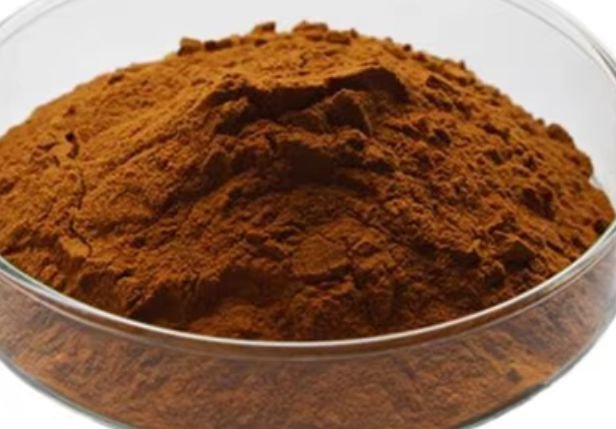
Fiber-rich seed powder of tamarind improves gut health, aids smooth bowel movements, and helps prevent constipation.
Regular use can support healthy digestion and maintain a balanced digestive system naturally.
This rests on the seed’s general fiber content rather than a study testing the powder for digestion specifically.
May Help Manage Blood Sugar
This is the most researched claim about tamarind seed powder, but with an important caveat.
Studies testing a trypsin inhibitor isolated from tamarind seeds found it inhibited the enzyme responsible for breaking carbohydrates into glucose, detailed in this study on tamarind seed compounds and blood sugar.
A related study using a nanoencapsulated version of the same compound reduced fasting blood glucose in animal models, as covered in this preclinical study on tamarind seed extract.
Both studies tested a specific extracted compound rather than the roasted whole-seed powder most people buy or make at home, so treat this as promising early research rather than proof the plain powder lowers blood sugar.
Promotes Heart Health
Powder of the tamarind seed may help lower cholesterol and improve circulation.
Its antioxidants combat oxidative stress, supporting cardiovascular function and helping you maintain long-term heart wellness. As with digestion, this is grounded in the seed’s general nutrient profile rather than a dedicated cardiovascular study on the powder itself.
Anti-Inflammatory Properties
Natural compounds in the powder work to reduce inflammation, helping soothe discomfort in joints and muscles while supporting overall body balance and resilience.
Skin and Hair Benefits
Traditionally, tamarind seed powder is used for glowing skin and strengthening hair.
It may help maintain moisture, support elasticity, and nourish hair for healthier strands. This is a traditional use worth naming as tradition, since it hasn’t been tested directly in published research.
Uses of Tamarind Seed Powder in the Kitchen
Tamarind seed powder is not just nutritious, it can transform your cooking. Its mild, nutty flavor and natural thickening ability make it a useful ingredient in everyday meals.
Thickening Agent in Soups and Sauces
The powder of the tamarind seed naturally thickens soups, stews, and sauces without adding artificial additives.
Stirring it in gives your dishes a smooth texture and subtle flavor.
Added to Smoothies or Drinks
Mixing the seed powder into smoothies or health drinks boosts fiber and nutrients while adding a nutty, slightly tangy twist, helping you support digestion and nutrition in every sip. See our tamarind smoothie recipes for ideas.
Use in Gluten-Free Baking
Its natural gums and binding properties make the seed powder a helpful ingredient in gluten-free baking.
It can improve texture, hold moisture, and add to the nutritional value of breads, cakes, or cookies.
Traditional Dishes Where It Is Used
Many traditional recipes, from Indian to African cuisines, use the seed powder for flavor and consistency.
Adding it to sauces, porridges, or chutneys keeps heritage cooking alive while boosting nutrition.
Industrial and Non-Food Uses of Tamarind Seed Powder
Beyond the kitchen, tamarind seed powder has practical applications in industries, offering natural, plant-based solutions for manufacturing, cosmetics, and everyday products.
If you need serious thickening power for industrial or large-batch use rather than home cooking, tamarind seed gum, the extracted and purified polysaccharide, is the stronger option and is covered in more depth in that dedicated guide.
The brief overview below covers what the plain powder itself contributes.
Use in Textiles and Paper Industries
The powder from the seed of tamarind acts as a natural sizing and thickening agent in textiles and paper.
It improves fabric strength and helps create smoother paper finishes without relying on synthetic chemicals.
Ingredient in Adhesives and Cosmetics
Its natural gum content makes tamarind seed powder valuable in adhesives, lotions, and creams.
It helps bind ingredients, stabilize formulations, and contributes to texture and consistency in cosmetic products.
Role as a Stabilizer or Binder
In manufacturing, this seed powder functions as a stabilizer or binder, holding ingredients together and improving durability.
This plant-based alternative supports eco-friendly production while maintaining product performance.
How to Make Tamarind Seed Powder at Home
Making tamarind seed powder at home lets you get the freshest, most nutrient-rich powder while reducing waste.
The process is simple and can fit into your kitchen routine.
Collecting and Cleaning Seeds
Start by separating seeds from tamarind pulp. Rinse thoroughly to remove sticky residue, then pat dry.
Clean seeds ensure a smooth, high-quality powder without impurities.
Roasting or Drying Process
Dry or roast the cleaned seeds to remove moisture. This step improves flavor, makes grinding easier, and helps preserve the seeds for long-term use.
Grinding into Powder
Use a blender or spice grinder to turn roasted seeds into a fine powder.
Sift the powder to remove larger pieces, ensuring an even texture for cooking or health use.
Storage Tips
Store the powder in an airtight container in a cool, dry place.
Proper storage preserves flavor, prevents clumping, and keeps nutrients intact for several months.
How to Use The Seed Powder
Tamarind seed powder is easy to add to your daily routine for health, cooking, or adding nutrients to meals.
Small, simple steps make it practical for everyday use.
Recommended Daily Intake
Start with about half a teaspoon to one teaspoon per day.
Gradually adjust based on tolerance and your nutritional needs, keeping portions consistent for digestive comfort.
Simple Ways to Add to Meals
Sprinkle the powder into smoothies, soups, or sauces, or mix it into yogurt, porridge, or beverages.
It blends easily, adding fiber, nutrients, and a mild nutty flavor without changing taste much.
Recipes or Serving Ideas
Use it in gluten-free baking to improve texture, stir into sauces to thicken naturally, or add to traditional chutneys, porridges, and health drinks.
Even small amounts add nutrition and support wellness daily.
Side Effects, Safety and Precautions
While tamarind seed powder offers health and culinary benefits, being aware of possible side effects helps you use it safely.
Knowing what to expect ensures it supports wellness without discomfort.
Digestive Discomfort
Too much seed powder can cause bloating, gas, or mild stomach upset because of its high fiber content.
Gradually introducing it into meals allows your digestive system to adjust comfortably.
Allergic Reactions
People allergic to legumes or tamarind may experience itching, swelling, or rashes.
Testing a small amount first can help you avoid unwanted reactions and stay safe.
Interaction with Medications
The seed powder, and especially the concentrated seed compounds discussed above, may affect blood sugar or blood-thinning medications.
If taking prescription drugs, consult a healthcare professional to avoid interference with treatment.
Importance of Moderation
Consuming it in recommended amounts supports digestion, nutrition, and wellness without side effects.
Balanced use keeps meals enjoyable while preventing nutrient overload or discomfort.
Tamarind Seed Powder vs Tamarind Seed Extract
Tamarind seed powder and tamarind seed extract come from the same seeds but serve different purposes.
Powder is made by roasting and grinding whole seeds, retaining fiber, minerals, and natural gums.
It works well in cooking, thickening soups, sauces, smoothies, and baked goods, offering both nutrition and texture.
Tamarind seed extract, on the other hand, is concentrated, usually standardized for specific compounds like polyphenols or antioxidants, including the trypsin inhibitor tested in the blood sugar studies cited earlier.
It’s commonly used in supplements, nutraceuticals, and industrial applications where precise doses or bioactive compounds are needed.
Choosing between them depends on your goal: for culinary use, added fiber, and general wellness, the powder is ideal; for the specific compounds being studied for targeted health effects, concentrated extract is what the research actually tested.
Both have a place depending on how you plan to use them.
Conclusion
Tamarind seed powder turns ordinary ingredients into nutrient-rich, flavorful dishes while supporting digestion, heart health, and skin and hair wellness.
From smoothies to sauces, it brings fiber, antioxidants, and natural gums to your meals.
Easy to make at home and useful in both culinary and non-food uses, it’s a simple way to reduce waste and enjoy the overlooked benefits of tamarind seeds every day.
The blood-sugar research getting the most attention tested concentrated seed extract, not the plain roasted powder, so treat that specific claim as promising rather than settled.
Sprinkled into recipes or used as a natural thickener, incorporating this powder into your routine adds value and flavor.
Frequently Asked Questions
What is the best way to consume the powder from tamarind seed?
Mix it into smoothies, soups, sauces, or baked goods. Small amounts provide fiber, antioxidants, and natural thickening without changing the overall taste much.
Can tamarind seed powder help with digestion?
Yes. Its high fiber content supports healthy bowel movements, improves gut function, and may reduce occasional constipation when used regularly.
Is the seed powder of tamarind safe for everyone?
Generally safe in moderation, but people with legume or tamarind allergies, digestive issues, or pregnant and breastfeeding women should consult a healthcare professional first.
How does tamarind seed powder differ from the extract?
Powder retains fiber, minerals, and natural gums for cooking, while extract is concentrated for supplements or industrial use, offering targeted bioactive compounds.

Chims Clements writes about herbs from personal experience and careful research. Growing up in Aba, Nigeria, moringa and tamarind were everyday household plants long before they became globally recognised superfoods. He uses both regularly in his home today. At Six Herbs he goes deep on moringa, tamarind, fenugreek, and sea moss — building honest, experience-backed content that separates what tradition knows from what science confirms. The content on this site is for informational purposes only and is not medical advice. Always consult a healthcare provider before using herbs medicinally.