

Last updated on September 16th, 2026 at 11:04 am
Tamarind tea turns humble leaves and pods into a soothing cup that refreshes your body and quietly supports digestion every day.
I drink tamarind tea regularly, sometimes from the leaves, sometimes from the pods, depending on what I have at hand.
The leaf version is lighter and more delicate. The pod version is deeper and more sour.
Both settle the stomach after a heavy meal in a way I have come to rely on, and it’s become enough of a habit that I rarely think of it as anything other than what I do after dinner.
Across many cultures, people prepare this herbal drink for daily comfort, digestion support, and simple wellness routines.
Interest in it keeps growing as more people look for natural drinks that fit into busy lives, and the appeal is partly how flexible it is: you can brew it from whatever part of the plant you happen to have.
The drink can come from tamarind pods, roots, bark, fresh or dried leaves, or convenient tea bags.
A few minutes with hot water turns any of these into a soothing beverage that fits morning, afternoon, or evening.
Medical Disclaimer: This article is for informational purposes only and does not replace professional medical advice. Consult a qualified healthcare professional before using herbs or supplements.
Table of Contents
What is Tamarind Tea?
Tamarind tea is a herbal drink made by steeping tamarind pods, pulp, bark, root, or leaves in hot water.
The infusion produces a lightly sour, refreshing beverage enjoyed for hydration, digestion support, and traditional wellness practices, and it can be served warm or chilled, sometimes with ginger, honey, or spices added for flavor.
Each part of the plant brews into a distinctly different cup, and choosing between them is mostly about flavor and what you have on hand.
Tamarind Pod/Fruit Tea
Pod or fruit tea is the most tangy and sour, closest to the fruit itself, with a color and body that darkens the longer it simmers.

It’s packed with vitamins C and B, potassium, magnesium, and calcium, and this is also the form with the most research behind it, since it’s essentially diluted tamarind fruit pulp.
A randomized controlled trial testing 20 grams of tamarind fruit pulp daily in overweight adults found reductions in LDL cholesterol and blood pressure after six weeks, detailed in the trial results published in the International Journal of Preventive Medicine.
That trial used fruit pulp directly, not tea, so treat the connection as reasonable rather than proven for the diluted beverage.
How to Make Tamarind Pod Tea
Start with ripe tamarind pods that have a dark brown shell and soft pulp inside.
Remove the shell, discard the seeds and tough fibers, and break the pulp into small pieces.
Bring water to a gentle boil, add the pulp, and simmer for 10 to 15 minutes, stirring occasionally to release the tangy flavor.
Strain through a fine sieve, pressing gently to extract all the flavor, then sip warm or chill it for a refreshing iced drink.
Tamarind Leaf Tea
Leaf tea tastes lighter and more herbal, with a milder sourness than the pod, and carries vitamins A and C, calcium, and iron.
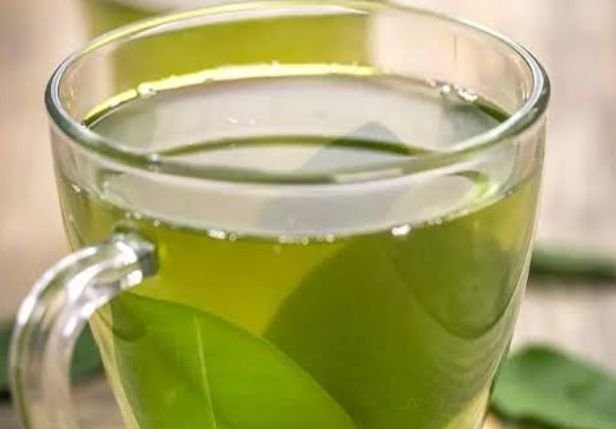
The antioxidant research behind tamarind leaves specifically is covered in our tamarind leaves guide, which this tea draws directly from.
It pairs especially well with ginger or a little honey, since its flavor is subtle enough that stronger additions can overpower it.
How to Make It
Rinse fresh or dried leaves thoroughly to remove any dirt, then add them to boiling water.
Reduce the heat and simmer gently for 5 to 8 minutes to release the nutrients and natural flavor.
Strain through a fine sieve, pressing lightly to capture the full essence of the leaves.
Leaf tea can also be combined with pod tea for a more complex, layered flavor.
Tamarind Root Tea

Root tea has an earthy, robust flavor from simmering the root, and is traditionally linked to digestion and bile flow; see our tamarind root guide for more.
It tends to produce the darkest, most full-bodied cup of the four.
How to Make It
To make the root tea, clean and cut small root pieces, then simmer in water for 15 to 20 minutes over low heat to release the nutrients and plant compounds.
Strain through a fine sieve, pressing gently to extract the full flavor. This version tends to be the most robust and earthy of the four.
Tamarind Bark Tea

Bark tea tastes deep and slightly bitter, with minerals like calcium and potassium plus antioxidant polyphenols; see our tamarind bark guide for more on the bark itself.
A small amount of cinnamon tends to balance its bitterness better than honey alone.
How to Make It
To make tamarind bark tea, use cleaned bark pieces and simmer them in water over low heat for 10 to 15 minutes, stirring occasionally to help the plant compounds fully infuse.
Strain through a fine sieve, pressing lightly to extract extra flavor.
The result has a deep, warming character that works well with a small amount of ginger or cinnamon.
Tamarind Tea Bags
“Tamarind tea bags” can mean two different products, and it’s worth checking the label before you buy.

Some are pure dried tamarind leaves packed into a bag, brewed as a caffeine-free herbal infusion, the same way you’d brew any of the loose forms above.
Others are Ceylon black tea blended with tamarind flavoring, which does contain caffeine despite the tamarind name on the box.
If caffeine matters to your routine, check the ingredient list rather than assuming from the packaging alone.
How to Make It
Place a tamarind tea bag in a cup of hot water, ideally just below boiling to avoid over-extracting bitterness, and let it steep for 5 to 7 minutes depending on how strong you like it.
Press the bag lightly against the side of the cup before removing it to capture the last of the flavor.
Honey, ginger, or a squeeze of lemon are common additions across all four forms, mainly for taste rather than any proven added benefit.
Health Benefits: What’s Backed by Research and What Rests on Tradition
Tamarind tea gets credited with a long list of benefits, and the strength of evidence behind each one varies depending on which part of the plant it comes from.
Digestion, the best-supported claim
A review of dietary polyphenols found they act as multi-target modulators of gastrointestinal smooth muscle, a mechanism plausibly behind tamarind’s traditional reputation for easing digestion, detailed in this review of polyphenols and gut motility.
Most of this evidence is mechanistic rather than a clinical trial on tamarind tea itself. Mild laxative properties may help with occasional constipation.
Heart health, mainly for pod tea
The clinical trial cited above found measurable reductions in LDL cholesterol and blood pressure from tamarind fruit pulp, which pod tea is brewed from directly.
Antioxidant support
Leaf and pod tea both carry polyphenols and flavonoids with antioxidant activity shown in lab studies, covered in more depth on the pages linked above for each part.
Blood sugar
Tamarind contains polyphenols and plant compounds studied for a role in glucose metabolism, discussed further on our tamarind research page.
Drinking tea alongside balanced meals may support steadier energy, though this isn’t proven for the tea specifically.
Weight management and hydration
Tamarind tea is low in calories and can replace sugary drinks, which supports weight goals indirectly.
See our guide on tamarind and weight management for more. It also contributes to daily fluid intake, which supports digestion and overall function.
Immune support
Vitamin C and antioxidants in the leaves and pulp support general immune function, the same way any vitamin-C-containing food or drink would.
Detox and liver cleansing, mostly traditional
Root and bark tea in particular get credited with helping the liver “cleanse” and remove toxins.
This is worth naming plainly as a traditional belief rather than a tested effect: the liver and kidneys already handle detoxification on their own around the clock, and no study in this guide’s research base tested tamarind tea for a measurable detox or liver-cleansing effect.
What the tea more reliably supports is comfortable digestion and steady hydration, which are distinct, more defensible benefits worth naming on their own terms rather than folding into a vaguer “detox” claim.
Safety and Precautions
Clinical references classify tamarind as generally safe in food and beverage amounts, according to the RxList clinical reference on tamarind, and a six-month toxicity study on tamarind pulp extract found it well tolerated at tested doses in animal models, detailed in this toxicology study.
- Moderation matters. Large amounts may cause mild stomach upset or looser stools, especially in sensitive digestive systems. Starting with a small cup and adjusting from there is a reasonable way to gauge your own tolerance.
- Medication interactions are possible. Tamarind can interact with medications for blood sugar or blood pressure, since its natural acids and compounds may increase or reduce how well those treatments work. Consider timing your tea away from doses if you take either, and watch for changes in energy or blood pressure readings.
- Some people should check with a provider first. People who are pregnant, breastfeeding, managing a chronic condition, or on daily medication should speak with a healthcare provider before drinking tamarind tea regularly, just to make sure it fits safely alongside anything else they’re taking.
Conclusion
Tamarind tea earns its place as a simple herbal drink, whatever part you brew.
Pod tea has the strongest research behind it, backed by a human trial on heart-health markers, while leaf tea’s antioxidant reputation holds up in lab studies.
Root and bark tea rest mostly on tradition, and detox claims for any herbal tea deserve healthy skepticism.
Treat this as a pleasant daily habit, not a treatment for any condition. If you take medication or manage a health condition, check with your provider before drinking it regularly.
Frequently Asked Questions
Does tamarind tea actually detox the liver?
No specific study supports liver-detox claims for tamarind tea; the liver already detoxifies on its own, and the tea’s main benefit is comfortable digestion, not liver cleansing itself.
What part of the plant makes the best tamarind tea?
It depends on preference: pod tea tastes deeper and more sour, leaf tea is lighter and milder, and root or bark tea taste earthy, robust, and slightly bitter.
Can tamarind tea help with digestion?
Yes, its natural acids and fiber support digestive comfort, and published research on tamarind’s own polyphenols shows they can influence gut motility in laboratory and mechanistic studies too.
Is tamarind tea safe to drink daily?
Most people tolerate it well in moderation, but those on blood sugar or blood pressure medication, or who are pregnant, should check with a doctor about regular use.

Chims Clements writes about herbs from personal experience and careful research. Growing up in Aba, Nigeria, moringa and tamarind were everyday household plants long before they became globally recognised superfoods. He uses both regularly in his home today. At Six Herbs he goes deep on moringa, tamarind, fenugreek, and sea moss — building honest, experience-backed content that separates what tradition knows from what science confirms. The content on this site is for informational purposes only and is not medical advice. Always consult a healthcare provider before using herbs medicinally.