
Last updated on September 15th, 2026 at 11:09 am
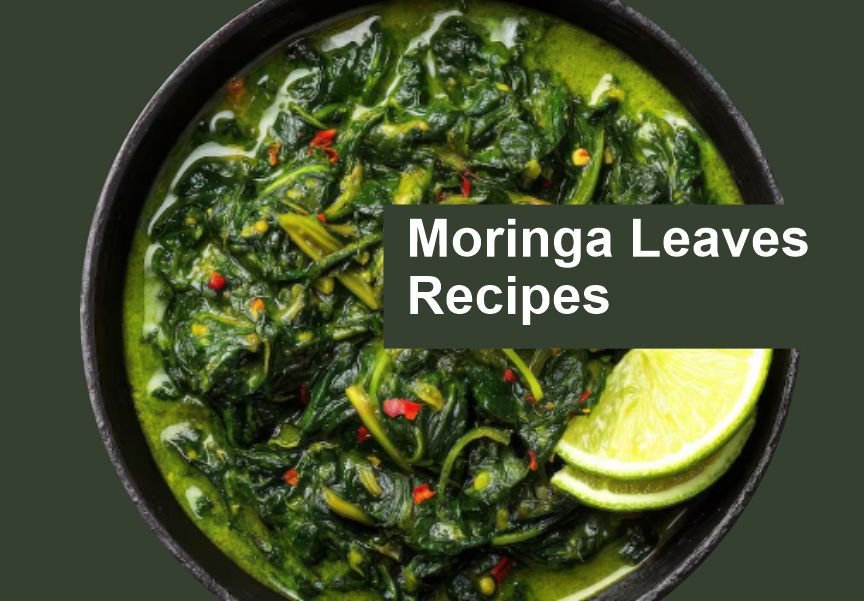
Moringa leaves recipes here come from a kitchen that actually uses them daily, not a wellness photoshoot. This guide covers real West African soup and sauce, plus smoothies, tea, and quick everyday meals, with practical prep tips to reduce bitterness.
Fresh and dried moringa leaves are part of how I cook at home, used regularly in soups, stews, teas, and smoothies.
What makes this guide different is that these methods reflect how moringa fits into everyday African cooking, not how it gets dressed up for a wellness audience.
That distinction matters when you are cooking for a household, not a photoshoot.
This guide covers proper preparation, traditional recipes like moringa soup and leaf sauce, modern combinations like smoothies and pasta, and quick everyday options using eggs or vegetables.
Each recipe uses ingredients you likely already have in your kitchen today.
Medical Disclaimer: This article is for informational purposes only and does not replace professional medical advice. Consult a qualified healthcare professional before using herbs or supplements.
Preparing Moringa Leaves for Cooking
Sort the leaves first, removing dirt, yellowed leaves, and any tough stems.
Rinse in clean water, then soak briefly in salted water before draining thoroughly.
Fresh leaves have a mild taste and soft texture, while dried leaves last longer and store more easily.
Choice depends mostly on the dish, availability, and how you plan to store it.
Adding leaves late in cooking and blanching lightly beforehand both help reduce natural bitterness.
Traditional Recipes
Moringa Soup
This is a light, nutrient-rich soup made by cooking fresh leaves with onions, pepper, oil, and simple seasonings, sometimes with fish or meat.
Pick fresh leaves, remove the stems, and wash thoroughly in clean water.
Boil a small amount of water, then add chopped onions, fresh pepper, seasoning, and a little salt.
Add palm oil or groundnut oil, palm oil being my own preference, and let it simmer for a few minutes.
If you have it, adding fish, meat, or stock gives a richer flavor.
Add the moringa leaves last, once the base is ready, to protect their color and avoid overcooking.
Stir gently and cook for three to five minutes, keeping the soup light rather than thick. Serve it hot with fufu, garri, or pounded yam on the side.
Moringa Leaf Sauce
This sauce cooks leaves with oil, tomatoes, onions, and spices, served over rice, yam, or plantains.
Wash the leaves, removing stems, then heat oil and fry chopped onions until soft.
Add blended or chopped tomatoes and pepper, cooking until the mixture thickens and excess water reduces.
Season with salt, crayfish, or other local spices, adding fish or meat at this stage if using.
Stir in the moringa leaves once the sauce is ready, cooking for three to five minutes to keep them green.
Avoid overcooking the leaves entirely, since that is what causes the bitterness.
Moringa Porridge
This dish combines cooked grains, like maize, rice, or millet, with moringa leaves, oil, and light seasoning for a soft, filling meal.
Cook the grain in water until soft and slightly thick.
Separately, heat oil with onions, pepper, and seasoning, cooking briefly to release flavor.
Combine this with the cooked grain, then stir in washed leaves toward the end.
Let it cook for about three minutes so the leaves soften without losing nutrients, adjusting water for thickness.
For a lighter stew version, reduce the grain and increase the broth instead.
Modern Recipes
Moringa Smoothie
Wash fresh or dried leaves and remove the stems; use less if the leaves are dried, since their flavor is stronger.
Blend banana, pineapple, mango, or apple with a handful of leaves, adding water, milk, or yogurt to taste.
Blend until smooth, adjusting thickness with more liquid as needed.
Add honey or dates if the taste feels too strong, and serve immediately to keep the nutrients fresh.
Moringa Tea
Boil clean water, then add a small amount of fresh or dried leaves and steep for five to ten minutes.
Strain into a cup, adding ginger, lemon, or a little honey for better taste.
Avoid over-boiling the leaves, since this makes the tea taste bitter.
For variation, try combining moringa with green tea or fresh mint leaves.
See our complete guide to moringa tea for more detail on preparation and evidence.
Moringa Pasta or Rice
Cook rice or pasta as usual, then wash and finely chop the moringa leaves separately.
Add the leaves toward the end of cooking, mixing them in gently to protect their color.
For pasta, sauté onions, garlic, and pepper in oil first, then stir in the cooked pasta and leaves together.
Quick Everyday Recipes
Stir-Fried Moringa Leaves
Heat a little oil, add sliced onions, and cook until soft, then add garlic and fresh pepper.
Add the washed, stemmed leaves and stir-fry on low heat for three to five minutes, just until they soften and turn bright green.
Crayfish or a small amount of stock adds extra flavor if you have it on hand.
Moringa Omelette
Wash and chop the leaves finely, then whisk eggs with salt and pepper in a separate bowl.
Cook onions in oil until soft, add the leaves, and stir briefly before pouring in the eggs.
Cook one side, then flip gently for an omelette, or stir continuously for scrambled eggs instead.
Quick Moringa Vegetable Soup
Simmer water or light stock with chopped onions, pepper, and seasoning for a few minutes.
Add vegetables like carrots or green beans early, so they have time to soften properly.
Stir in the washed leaves last, cooking for three to five minutes to keep the soup light and bright.
Precautions
Large amounts of moringa leaves, cooked or raw, can cause mild digestive discomfort in some people.
Anyone on blood pressure, blood sugar, or blood-thinning medication should check with a doctor before regular use.
Read more about the moringa dosage and warnings for full details.
Conclusion
Moringa leaves fit easily into daily meals without changing how you already cook.
Proper washing, short cooking time near the end, and pairing with familiar ingredients all improve your own taste and texture.
From soup and sauce to smoothies, tea, and quick meals, each recipe uses what is likely already in your kitchen.
These methods reflect how moringa actually gets used at home, not how it gets presented for a wellness audience.
Start with small portions, adjust seasoning to taste, and let it become a regular part of your cooking.
Frequently Asked Questions
What is the best way to reduce bitterness in moringa leaves?
Add the leaves late in cooking, right at the very end, and consider a light blanching beforehand, since both genuinely help reduce natural bitterness noticeably in every dish.
Should I use fresh or dried moringa leaves in recipes?
Either works well: fresh leaves suit quick cooking and milder taste, while dried leaves store longer and work better for tea and powder overall generally each specific time.
Can moringa leaves replace spinach in everyday recipes?
Yes, moringa leaves work as a direct spinach substitute in soups, stews, omelettes, and sautés, though their flavor is slightly more earthy and bitter noticeably overall each time.
How long should moringa leaves cook to keep their nutrients?
Add them near the very end of cooking and simmer for just three to five minutes, which genuinely keeps color and nutrients intact well overall each single time.

Chims Clements writes about herbs from personal experience and careful research. Growing up in Aba, Nigeria, moringa and tamarind were everyday household plants long before they became globally recognised superfoods. He uses both regularly in his home today. At Six Herbs he goes deep on moringa, tamarind, fenugreek, and sea moss — building honest, experience-backed content that separates what tradition knows from what science confirms. The content on this site is for informational purposes only and is not medical advice. Always consult a healthcare provider before using herbs medicinally.