
Last updated on June 22nd, 2026 at 08:26 pm
Learn how to store fresh and dried herbs the right way so they stay fragrant, potent, and long-lasting, saving you money while keeping your meals rich in flavor every single time.
Herb storage matters more than most people think.
Poor storage weakens potency, reduces aroma, and limits the health benefits you expect from medicinal herbs.
Many people expose herbs to heat, light, or moisture, then end up with leaves that do little for food or wellness.
Fresh herbs need airflow and gentle handling, while dried herbs require dryness and tight sealing.
Mixing both approaches leads to a loss in quality. Handle storage right, and your herbs stay effective, flavorful, and reliable for daily use.
New to herbs, here is an introductory guide to herbs and health.
Table of Contents
What Are Fresh vs Dried Herbs?
Knowing the difference between fresh and dried herbs helps you store them properly, preserve their flavor and medicinal value, and avoid waste in both your kitchen and home remedy routine.
What Counts as Fresh Herbs
Fresh herbs are leafy, soft plants picked and used in their natural state, like basil, parsley, mint, scent leaf, and cilantro.
High moisture content makes them delicate, so poor storage leads to quick spoilage.
Proper handling keeps flavor, aroma, and active compounds useful for cooking and herbal remedies.
What Counts as Dried Herbs
Dried herbs are plants that have had their moisture removed to extend shelf life, including thyme, oregano, rosemary, and dried neem or bitter leaf.
Low moisture makes them stable, but exposure to air, heat, or light reduces potency.
Proper storage keeps flavor strong and preserves medicinal compounds.
Key Differences in Moisture Content and Shelf Life
Fresh herbs hold water, making them prone to wilting, mold, and fast nutrient loss if not stored well.
Dried herbs lack moisture, so they last longer but lose strength when exposed to humidity or air.
Storage methods must match each type to maintain flavor, aroma, and health benefits.
How to Store Fresh Herbs Properly
Keeping fresh herbs in good condition helps preserve flavor, aroma, and active compounds used in cooking and herbal remedies, while reducing spoilage, waste, and frequent replacement.
Soft Herbs (Basil, Cilantro, Parsley)
Soft herbs have tender stems, delicate leaves, and high water content.
They wilt quickly when exposed to heat or dry air, so gentle handling and proper hydration keep them fresh, flavorful, and useful for both meals and natural health use.
- Trim Stems and Place in Water: Cut stems slightly, place herbs in a jar with clean water like flowers, ensuring stems stay submerged while leaves remain dry to prevent spoilage and extend freshness.
- Cover Loosely with a Plastic Bag: Place a loose plastic bag over the leaves to trap light humidity, reduce moisture loss, and protect herbs from dust, while still allowing airflow to prevent mold buildup.
- Store at Room Temperature or Refrigerate: Keep basil at room temperature away from direct sunlight, while parsley and cilantro last longer in the fridge, where cooler conditions slow decay and preserve freshness.
Hard Herbs (Rosemary, Thyme, Sage)
Hard herbs have woody stems, firmer leaves, and lower moisture content.
They last longer than soft herbs but still lose aroma and potency when exposed to air, excess moisture, or poor storage conditions.
- Wrap in a damp paper towel: Lightly wrap herbs in a damp paper towel to maintain slight moisture, preventing leaves from drying out while avoiding excess water that can lead to mold or decay.
- Place in an airtight container or a zip bag: Store wrapped herbs in an airtight container or zip-lock bag to limit air exposure, helping retain essential oils, flavor, and medicinal value for a longer period.
- Store in the refrigerator: Place herbs in the refrigerator where cool temperatures slow down spoilage, maintain freshness, and help preserve both taste and active compounds used in herbal remedies.
Freezing Fresh Herbs
Freezing works well when you have excess herbs or want long-term storage, helping preserve nutrients, flavor, and medicinal value while keeping herbs ready for cooking or herbal use anytime.
- Chop and Store in Ice Cube Trays: Chop herbs, place into ice cube trays, add water or oil, then freeze into portions that are easy to use for cooking, teas, or herbal preparations.
- Use Freezer Bags for Long-Term Storage: Transfer frozen herb cubes into freezer bags, seal tightly to prevent freezer burn, and label for easy access, keeping herbs fresh and usable for months.
- Best Herbs for Freezing: Parsley, mint, basil, scent leaf, and dill freeze well, retaining flavor and nutrients, while softer herbs benefit most from freezing compared to woody varieties.
How to Store Dried Herbs Properly
Storing dried herbs the right way keeps flavor, aroma, and medicinal strength intact, while protecting them from air, heat, and moisture that cause fast loss of quality and effectiveness.
Choosing the Right Containers
Dried herbs need secure storage that limits air exposure and protects essential oils.
The container used plays a direct role in how long herbs keep their flavor, scent, and health-supporting properties.
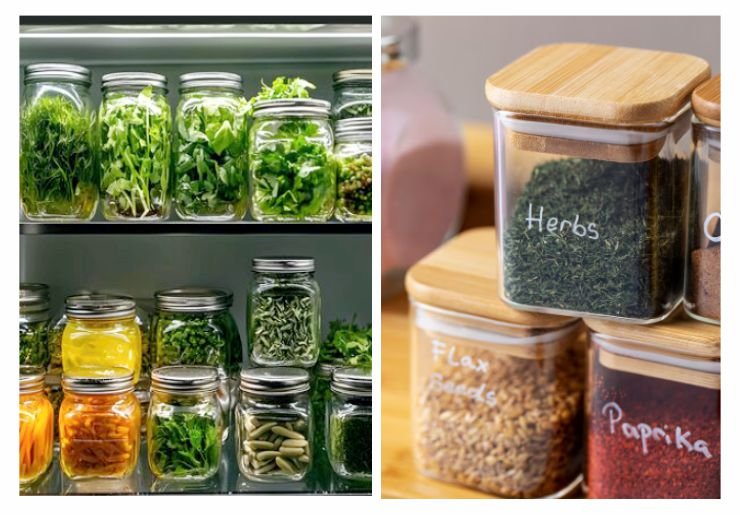
- Airtight Glass Jars vs Plastic Containers: Use airtight glass jars for better protection, as they do not absorb odors or stains, while plastic containers may trap smells and allow slight air exchange that reduces herb quality.
- Importance of Sealing Tightly: Ensure lids close firmly after each use to block air from entering, since oxygen exposure breaks down aroma, flavor, and active compounds, reducing the herb’s overall strength and usefulness.
Ideal Storage Conditions
Dried herbs stay effective when stored in a cool, dark, and dry place.
Exposure to poor conditions leads to faded color, weak aroma, and reduced value for both cooking and herbal remedies.
- Keep Away from Heat, Light, and Moisture: Store herbs in cupboards or drawers away from sunlight, heat sources, and humidity, since these elements break down essential oils and reduce both flavor and medicinal potency quickly.
- Avoid Storing Near Stoves or Windows: Keep herbs away from stoves and windows where heat and light fluctuate, as these conditions speed up loss of aroma, color, and effectiveness in daily use.
Shelf Life of Dried Herbs
Dried herbs last longer than fresh ones, but they do not stay potent forever. Proper storage slows down quality loss and helps maintain their usefulness in food and herbal preparations.
- General Lifespan (6 Months to 1 Year): Most dried herbs keep good flavor and potency for about six months to one year, after which the aroma fades and effectiveness reduces, even if they still look fine.
- How to Tell if Dried Herbs Have Lost Potency: Crush a small amount in your hand and smell it, weak or no aroma means the herb has lost strength and should be replaced for better results.
Common Herb Storage Mistakes to Avoid
Avoiding simple herb storage mistakes helps protect flavor, aroma, and medicinal value, while saving money and keeping your herbs effective for cooking, teas, and natural remedies every day.
Washing Herbs Before Storage Without Proper Drying
Washing herbs before storage traps moisture, leading to mold and spoilage.
Ensure leaves are fully dry using air-drying or a clean towel before refrigerating or sealing.
Leaving Herbs Exposed to Air
Leaving herbs exposed to air dries fresh leaves and weakens dried herbs. Use proper covering or airtight containers to protect aroma, flavor, and medicinal potency.
Storing Dried Herbs in Clear Containers Under Sunlight
Clear containers under sunlight damage dried herbs by breaking down color and active compounds. Store in dark cupboards or tinted jars to maintain strength and freshness.
Keeping Herbs Too Long Without Checking Freshness
Keeping herbs too long reduces flavor and effectiveness. Check regularly by smelling or inspecting the texture, replacing weak or spoiled herbs to maintain quality in cooking and remedies.
Tips to Extend Herb Life and Flavor
Keeping herbs fresh longer improves aroma, potency, and value.
Simple storage habits help maintain herbal quality, reduce waste, and support cooking and natural remedies in daily use at home.
Labeling Jars with Dates
Labeling herb jars with dates helps track freshness, prevents weak stock use, and keeps storage organized for dried herbs, teas, medicinal preparations, and remedies.
Buying in Small Quantities
Buying herbs in small quantities reduces spoilage, keeps flavor strong, and ensures fresher stock for cooking, teas, and herbal remedies used at home daily use.
Crushing Dried Herbs Before Use to Release Flavor
Crushing dried herbs before use releases essential oils, improving aroma, strength, and taste in meals, teas, and herbal remedies, without needing extra quantity needed less.
Rotating Stock Regularly
Rotating herb stock regularly keeps older jars in use first, reduces waste, and maintains stronger flavor and potency across dried and fresh herbs properly managed.
Conclusion
Keeping herbs fresh and well-stored changes everything about how they perform in your kitchen and home remedies.
Proper handling protects aroma, flavor, and medicinal strength, while poor storage drains quality fast.
Fresh herbs need gentle airflow and moisture balance, dried herbs need airtight, dry conditions away from heat and light.
When both are stored correctly, you reduce waste, save money, and keep every leaf or jar working at full strength.
Small habits like labeling, checking freshness, and using the right containers keep your herbs reliable for cooking, teas, and daily natural wellness support without stress or guesswork.

Chims Clements writes about herbs from personal experience and careful research. Growing up in Aba, Nigeria, moringa and tamarind were everyday household plants long before they became globally recognised superfoods. He uses both regularly in his home today. At Six Herbs he goes deep on moringa, tamarind, fenugreek, and sea moss — building honest, experience-backed content that separates what tradition knows from what science confirms. The content on this site is for informational purposes only and is not medical advice. Always consult a healthcare provider before using herbs medicinally.