
Last updated on September 10th, 2026 at 09:44 am
Moringa capsules are just leaf powder or extract in a shell, so their nutrition and evidence largely mirror the powder itself. This guide covers what capsules deliver, how they compare to powder and tea, and how to buy them well.
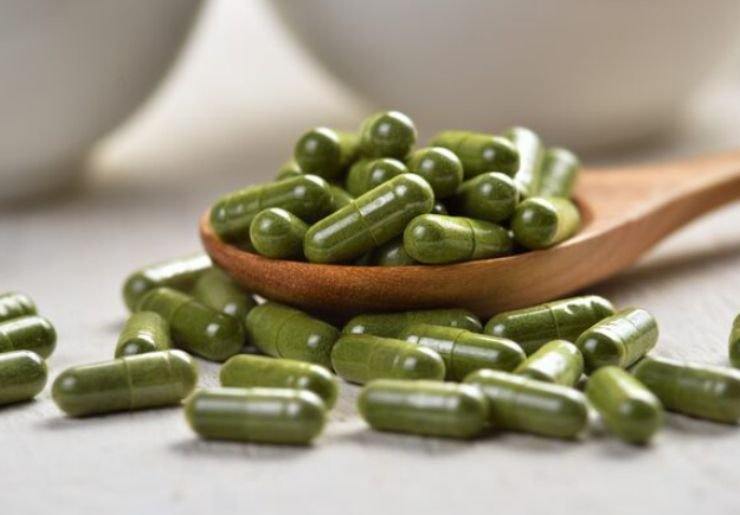
Moringa capsules are simply leaf powder, or sometimes extract, packed into a shell for convenience.
I personally prefer stirring powder into meals, but I understand why capsules appeal to people who dislike the taste or need something portable.
Since capsules share the same nutrition profile as powder, detailed nutrient tables live on our dedicated powder and health benefits guides, not repeated here.
What genuinely belongs on this page is capsule-specific: how they compare to other forms, how to judge quality, and safety notes specific to concentrated extracts.
Dosage guidance for every form lives entirely on our dedicated dosage guide instead.
Table of Contents
What Are Moringa Capsules
Moringa capsules contain either finely ground leaf powder or a more concentrated extract, sealed inside a gelatin or vegetarian shell.
They offer the same basic nutrients as powder, without the taste, texture, or measuring. For the source material itself, see our complete guide to moringa powder.
Types of Moringa Capsules
Leaf powder capsules deliver the broadest nutrient profile, matching whole dried leaves.
Extract capsules concentrate specific compounds, like flavonoids, while removing most of the fiber.
Seed-based capsules deliver seed-specific nutrition, covered in our complete guide to moringa seeds, rather than a distinct detox effect of their own.
Root or bark extract capsules exist on the market, but given documented toxicity, we do not recommend them; see our guide to moringa roots.
Nutrition and Health Benefits
Because capsules are just powder or extract in a shell, their nutrition and evidence match those forms closely.
Full nutrient tables and evidence-tiered health claims already live on our complete nutrition and health benefits guide.
Claims specific to capsules, beyond simple convenience, do not have separate research behind them; the plant material inside is what the evidence actually addresses.
Our research roundup sorts every claim by which part and preparation was actually studied.
Capsules vs. Powder vs. Tea
Capsules win on convenience and taste, delivering a consistent dose with nothing to measure or mix.
Powder offers more flexibility for cooking and blending, though it requires measuring and has a stronger flavor.
Tea delivers a gentler, more gradual intake, but exact dosing is harder to track.
None of these forms is inherently more effective; the right choice depends on your routine and preferences.
Dosage
Commercial capsules commonly contain 400 to 1,000 milligrams of moringa powder or extract, a manufacturing convention rather than a clinically proven amount.
For exact serving guidance, safe ranges by group, and why children and pregnant women need special caution, see our complete moringa dosage guide.
Choosing Quality Moringa Capsules
Organic certification means the plant was grown without synthetic pesticides or fertilizers, generally a cleaner product.
Vegetarian capsule shells suit plant-based diets, while gelatin shells remain animal-derived instead.
Check the label for filler ingredients and artificial additives, since quality products should list plant material as the primary ingredient.
Third-party testing for contaminants adds real assurance that marketing claims alone cannot.
Safety and Precautions
Some people notice mild bloating or nausea when starting, so beginning with a lower dose helps the body adjust.
Capsules can interact with blood pressure, blood sugar, or blood-thinning medication, so check with a doctor first.
Pregnant women, breastfeeding mothers, and anyone with a chronic health condition should get medical clearance before starting.
Our complete warnings and risks guide covers interactions and specific risk groups in full.
Conclusion
Moringa capsules are simply powder or extract in a shell, mirroring those forms rather than something new.
What they genuinely add is real convenience: no taste, no measuring, and an easy way to travel with your routine.
Choose leaf powder capsules for broad nutrition, avoid root or bark extracts given their documented risks, and check labels for fillers.
Exact dosage, by specific form and by group, lives on our dedicated dosage guide rather than repeated here.
Start with a lower dose, and always talk with a doctor before daily use.
Frequently Asked Questions
Are moringa capsules as effective as powder?
Yes, since capsules typically contain the exact same leaf powder, just sealed into a shell; absorption may vary slightly, but nutrition stays essentially identical between the two forms.
Should I choose root or bark extract capsules?
No, root and bark extracts contain compounds linked to real toxicity, with no established safe dose; leaf powder capsules remain the genuinely much safer choice overall even today.
Can I open a moringa capsule and use the powder directly?
Yes, opening a capsule and mixing the powder into food or drinks works perfectly fine, and delivers consistently the same nutrients as taking it whole each single time.
How much moringa should be in one capsule?
Commercial capsules commonly contain 400 to 1,000 milligrams, a manufacturing convention rather than a clinically established amount; always check our full dosage guide for safe and exact guidance.

Chims Clements writes about herbs from personal experience and careful research. Growing up in Aba, Nigeria, moringa and tamarind were everyday household plants long before they became globally recognised superfoods. He uses both regularly in his home today. At Six Herbs he goes deep on moringa, tamarind, fenugreek, and sea moss — building honest, experience-backed content that separates what tradition knows from what science confirms. The content on this site is for informational purposes only and is not medical advice. Always consult a healthcare provider before using herbs medicinally.