
Last updated on September 15th, 2026 at 12:28 pm
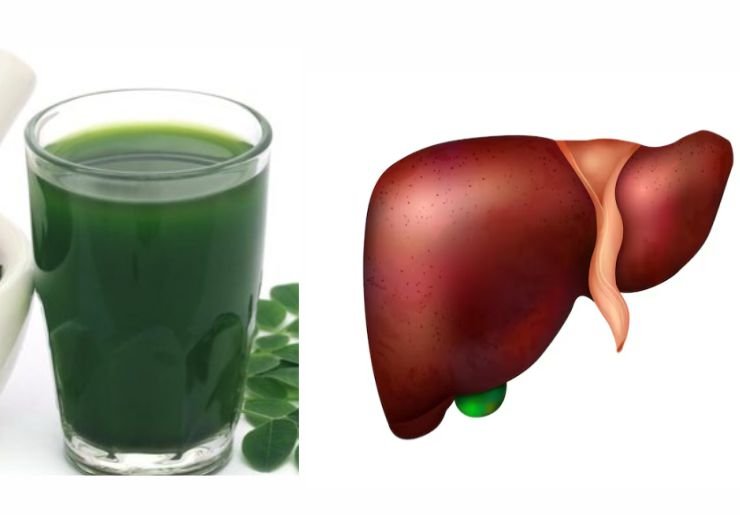
Moringa for liver health rests entirely on animal studies right now, not human clinical evidence. This guide covers what those studies actually found, safe forms to use, and why bark specifically plays no role genuinely here at all even now.
Moringa is the herb I use most consistently, in meals, in powder, occasionally as tea, though never specifically for my liver.
I make no genuine claim that it treated or improved anything inside my body. What I bring here is careful research and the habit of separating what studies actually show from what wellness content sometimes overstates.
Every liver-protective finding on moringa currently comes from rats or mice, examining real markers like liver enzymes and antioxidant activity, not from people.
This guide covers that animal research honestly, safe forms worth considering, and why bark stays entirely out of the conversation.
Medical Disclaimer: This article is for informational purposes only and does not replace professional medical advice. Consult a qualified healthcare professional before using herbs or supplements.
Table of Contents
What the Liver Actually Does
Your liver filters blood, processes nutrients and medications, and produces bile for digesting fat, all as part of its normal, ongoing function.
This filtering job happens continuously regardless of diet, and no food or herb “boosts” it in the dramatic way sometimes implied.
Genuine liver disease has real diagnostic markers, like elevated liver enzymes on bloodwork, not vague everyday symptoms like tiredness or bloating.
The Evidence: Animal Studies, Not Human Trials
A rat study examining non-alcoholic fatty liver disease found real, dose-dependent hepatoprotective and antioxidant effects from moringa leaf extract, confirmed through liver tissue examination.
Its own authors state plainly that human studies have not been performed in clinical practice.
A separate mouse study found leaf extract protected against liver damage from a high-fat diet, measured through real liver enzymes including AST and ALT.
A rat study on liver fibrosis found moringa extract reduced markers of liver damage caused by acetaminophen overdose.
Its authors concluded that considerably more clinical research is still genuinely needed.
None of this research has been replicated in humans, so treat any claim of proven liver benefit in people as premature.
Nutrients Worth Knowing About
Moringa leaves contain quercetin and chlorogenic acid, the two compounds researchers most commonly point to in these animal studies for their antioxidant and lipid-metabolism effects.
Beyond that specific research, general vitamin and mineral content is covered in far more depth on our page about what moringa actually contains nutritionally.
Which Forms Make Sense
Leaf powder and fresh leaves are what the actual research used, stirred into smoothies, soups, or teas without any special preparation.
Root and bark are excluded entirely from this discussion; that decision is explained in full separately, given their documented toxicity.
Capsules offer a measured alternative for anyone who prefers not to prepare fresh or dried leaf themselves.
Using It Sensibly
Since no clinical trial establishes a liver-specific dose, common amounts, roughly one to two teaspoons of powder daily, reflect general practice, not proven science.
Exact serving ranges by form live on a dedicated page, separate from the health claims discussed here.
Who Should Be Careful
Moringa can influence how blood pressure, blood sugar, and certain liver-processed medications work, so anyone taking these should speak with a doctor first.
People managing a diagnosed liver condition should get personalized medical guidance rather than relying on animal research alone.
Broader safety information sits on a separate page, covering interactions and risk groups in more depth than fits here.
Conclusion
Moringa for liver health rests on animal studies alone, showing genuine hepatoprotective effects in rats and mice, but not proven benefit in people.
Real markers, like liver enzymes and antioxidant activity, improved in these studies, meaningfully different from a confirmed human outcome.
Leaf powder and fresh leaves, the forms actually studied, fit easily into meals, while root and bark have no place here.
Dosage reflects general practice rather than any proven amount specific to liver support.
Talk with a doctor before relying on moringa if you manage a real liver condition.
Frequently Asked Questions
Is there human research on moringa and liver health?
No, not yet; every hepatoprotective finding comes from rat or mouse studies, and the researchers behind them say clinical trials in people still do not exist at all.
Does moringa help with fatty liver disease?
Animal research shows real reductions in liver fat accumulation, but this comes entirely from rodent studies, not confirmed results in actual human patients clinically tested anywhere just yet.
Should I use moringa bark for liver support?
No, bark carries documented toxicity risk with no established safe dose, and one animal study using bark tested poison protection, not everyday liver benefit genuinely worth pursuing today.
What is the best way to use moringa for liver support?
Leaf powder or fresh leaves, the forms actually used in research, fit easily into daily meals, though this reflects the studied form, not proven human benefit at all.

Chims Clements writes about herbs from personal experience and careful research. Growing up in Aba, Nigeria, moringa and tamarind were everyday household plants long before they became globally recognised superfoods. He uses both regularly in his home today. At Six Herbs he goes deep on moringa, tamarind, fenugreek, and sea moss — building honest, experience-backed content that separates what tradition knows from what science confirms. The content on this site is for informational purposes only and is not medical advice. Always consult a healthcare provider before using herbs medicinally.