
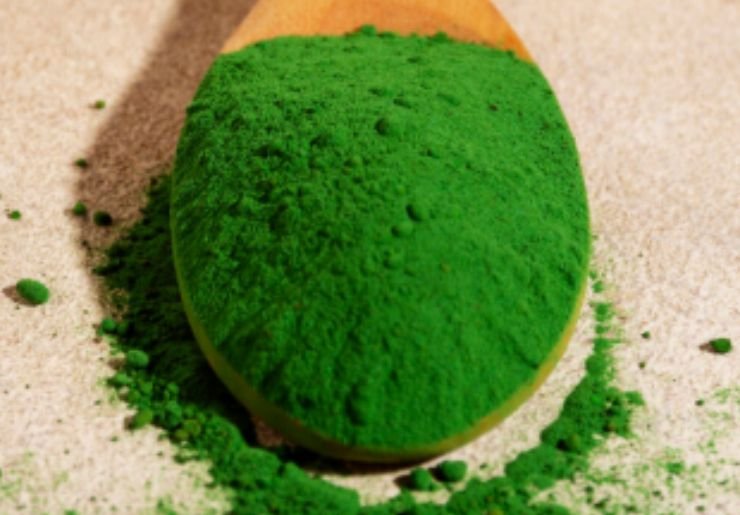
Moringa powder delivers dense nutrition in small servings, supporting wellness, energy, metabolism, and daily health from one powerful plant.
When you use moringa powder, you bring a simple, practical boost to your daily routine.
You can stir it into smoothies, teas, or meals, and it quietly supports your energy, immunity, and overall wellness.
You notice how small additions help your body stay balanced without changing your habits.
Moringa powder fits naturally into morning routines, post-workout drinks, or quick snacks, giving steady support from plant compounds, antioxidants, and natural nutrients.
You do not need complicated preparation to benefit from it.
This guide helps you understand how moringa powder is important, the best ways to include it in your day, and how you can make it part of routines that work for your lifestyle, keeping wellness simple and practical.
Table of Contents
What is Moringa Powder?
Moringa powder, also moringa leaves powder, is a concentrated ground moringa leaves that delivers vitamins, antioxidants, and plant compounds in a convenient form. It supports energy, immunity, digestion, and overall wellness.
You can incorporate it into meals, drinks, or routines to maintain steady daily nutrition.
Its mild taste and versatility make it an easy way to add natural health support. See the general benefits of moringa.
Moringa Leaves Powder Nutrition
Moringa leaves powder delivers concentrated nutrients from dried moringa leaves, offering vitamins, minerals, protein, and antioxidants that support daily nutrition, energy balance, and overall wellness.
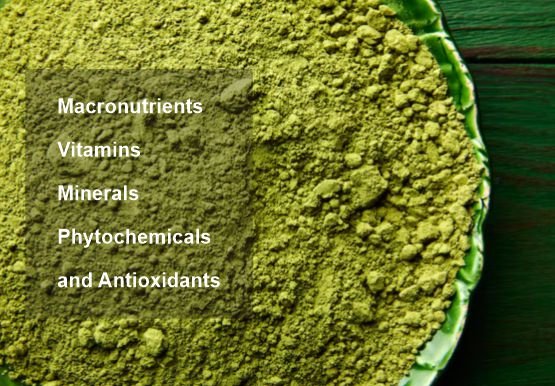
Macronutrient Profile of Moringa Powder
Moringa powder provides a balanced macronutrient profile that supports everyday nutrition without adding excessive calories.
- A typical serving contains about 30 calories, making it a light addition to meals while still delivering meaningful nutrients.
- It offers roughly 2–3 grams of plant-based protein, including essential amino acids that help support muscle repair, tissue health, and enzyme activity.
- Carbohydrates remain low, mostly coming from complex sources that release energy gradually and help avoid sharp blood sugar spikes.
- Around one gram of dietary fiber supports digestion, gut health, and appetite control by adding bulk to meals.
- Fat content is minimal, usually under one gram, which helps keep the powder compatible with heart-healthy and calorie-conscious diets while maintaining strong nutritional value.
Vitamins Present in Moringa Powder
Moringa powder supplies a range of essential vitamins that support many functions in the body.
- Vitamin A helps maintain healthy vision, supports immune defenses, and contributes to skin renewal.
- Vitamin C strengthens immune responses, aids tissue repair, and improves the body’s ability to absorb iron from plant foods.
- Vitamin E acts as an antioxidant, protecting cells from damage caused by oxidative stress while also supporting skin and immune health.
- Vitamin K contributes to proper blood clotting and helps maintain strong bones by assisting calcium metabolism.
- In addition, moringa powder contains several B-complex vitamins such as thiamine, riboflavin, niacin, and folate.
These nutrients help convert food into energy, support nerve function, and maintain healthy metabolism, making moringa powder a helpful addition to daily nutrition.
Minerals Found in Moringa Powder
Moringa powder is rich in essential minerals that support structural health, circulation, and metabolic balance.
- Calcium stands out as one of its key nutrients, helping maintain strong bones and teeth while supporting muscle contractions and nerve signaling.
- Potassium plays an important role in fluid balance and helps maintain healthy blood pressure and heart rhythm.
- Magnesium supports hundreds of biochemical reactions in the body, including muscle relaxation, nerve function, and energy production.
- Iron is another notable mineral, helping produce red blood cells that carry oxygen throughout the body, which contributes to sustained energy levels. Moringa powder also supplies zinc and phosphorus.
- Zinc assists immune function and tissue repair, while phosphorus supports bone health and helps the body convert nutrients into usable energy.
Phytochemicals and Antioxidants
Beyond vitamins and minerals, moringa powder contains beneficial plant compounds that support overall wellness.
- Polyphenols help protect cells from damage by neutralizing free radicals, which may form due to environmental stress, poor diet, or aging.
- Flavonoids contribute to cardiovascular health by helping maintain healthy blood vessels and supporting a balanced inflammatory response.
- Antioxidants present in moringa powder work alongside the body’s natural defense systems, helping reduce oxidative stress and maintain cellular stability.
These compounds may also contribute to improved immune balance and metabolic function.
When consumed in whole food form such as moringa powder, these phytochemicals interact together, creating a synergistic effect that may improve how the body absorbs and uses nutrients while supporting long-term health through consistent dietary intake.
Related
Health Benefits of Moringa Powder
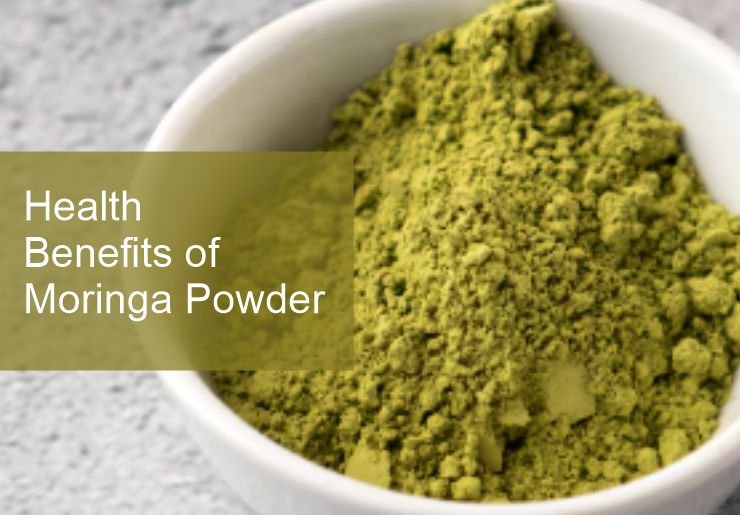
Moringa powder offers a nutrient-dense way to support overall wellness.
Packed with antioxidants, vitamins, and minerals, it helps strengthen immunity, energy, digestion, and heart health.
Concentrated Wellness Support of Moringa Powder
Moringa leaf powder provides concentrated nutrition because the drying process preserves many beneficial compounds found in fresh leaves.
It contains important vitamins such as A, C, and E, along with minerals like calcium, potassium, and iron.
This combination supports immune function, energy levels, and overall vitality.
Because the powder is compact and nutrient-dense, you can gain significant health value without eating large amounts of leaves.
Its versatility also makes daily use easier, as it can be added to smoothies, soups, sauces, or baked foods.
Enhanced Digestive Health
Moringa leaf powder supports digestive health through its fiber and plant nutrients.
Dietary fiber helps regulate bowel movements and supports smoother digestion by adding bulk to stool.
Vitamins and minerals present in moringa may also help maintain the lining of the digestive tract and improve nutrient absorption.
Additionally, certain plant compounds may support a balanced gut environment by encouraging beneficial bacteria.
Regularly including the powder in meals may contribute to improved digestive comfort, more consistent digestion, and better overall gut health.
Boosting Energy and Stamina
The powder can help support natural energy and stamina thanks to its nutrient-rich profile.
Iron supports healthy red blood cells that carry oxygen throughout the body, which contributes to sustained energy levels.
Vitamins and amino acids in moringa assist the body in converting food into usable energy.
Unlike caffeine-based stimulants, moringa provides a steady nutritional boost without causing jitters or sudden energy crashes.
Adding this powder to smoothies, breakfast bowls, or meals may help maintain daily vitality and endurance.
Supporting Healthy Blood Sugar Levels
Certain compounds in the leaf powder may help support healthy blood sugar balance.
Plant antioxidants such as quercetin and chlorogenic acid have been studied for their potential role in improving glucose regulation.
Fiber in the powder also helps slow the absorption of sugars from food, which may promote steadier energy levels after meals.
When used alongside balanced nutrition and healthy lifestyle habits, this powder may support metabolic health and help maintain stable blood sugar levels throughout the day.
Anti-Inflammatory Properties
Moringa powder contains plant compounds that may help support the body’s natural inflammatory response.
Flavonoids, phenolic acids, and antioxidants help reduce oxidative stress that can contribute to inflammation in the body.
These compounds may support joint comfort, cardiovascular health, and general wellness when consumed regularly.
Antioxidant vitamins such as vitamin C and beta-carotene also help protect tissues from damage linked to inflammation.
Including the powder in daily meals may help maintain balance in the body’s inflammatory processes.
Immune System Support
Moringa leaf powder supports the immune system through its combination of vitamins, minerals, and antioxidants.
Vitamin C helps stimulate immune cells that defend against infections, while vitamin A helps maintain protective barriers in the body, such as skin and mucous membranes.
Minerals like zinc and iron also contribute to proper immune function and cellular repair.
In addition, antioxidant compounds help reduce oxidative stress, which can weaken immunity.
Including the powder regularly in meals may help strengthen the body’s natural defenses and support overall resilience.
Moringa Powder for Men’s Health
Moringa leaf powder can support several areas of men’s health.
It may help boost energy and vitality, making it easier to stay active and maintain focus throughout the day.
Research suggests it can support healthy testosterone levels, which play a key role in strength, endurance, and overall well-being.
Fertility may benefit as well, since nutrients in the powder can support sperm count and quality, contributing to reproductive health.
Prostate function is another area where its natural compounds may provide gentle support, helping maintain normal urinary function and overall prostate health.
Including this powder in your routine gives your body concentrated nutrients that work together to support hormone balance, energy, and reproductive wellness.
Regular use alongside a balanced diet and active lifestyle can make a noticeable difference in daily health and performance for men.
Related Posts
Moringa for Liver Health and Detox
Dried Moringa Leaves: Everything to Know
Moringa Bark Powder Uses and Risks
Health Benefits of all the Derivatives of Moringa
General Benefits of the Moringa Plant
Moringa Powder for Women’s Health
The powder from moringa can support several aspects of women’s health naturally.
It may help maintain hormonal balance, assisting your body in regulating mood, energy, and metabolism.
For women with PCOS, nutrients in the powder can support blood sugar balance and overall reproductive wellness.
During pregnancy, it is important to use it safely, focusing on appropriate amounts to support nutrients like iron and calcium while avoiding excess.
Breastfeeding mothers may benefit from improved milk supply and nutrient content, providing gentle support for both mother and baby.
As women age, moringa leaves powder can offer help during menopause by supporting bone health, easing mild discomfort, and maintaining energy levels.
Incorporating it into your routine provides concentrated vitamins, minerals, and plant compounds that support reproductive health, daily energy, and overall wellness in a natural, manageable way.
Moringa Powder for Skin and Hair
Moringa leaves powder can support healthy skin and hair naturally. It helps hydrate your skin, giving it a more radiant glow while maintaining elasticity.
Its nutrients may also slow visible signs of aging by protecting cells from damage and supporting skin structure.
For acne and inflammation, the powder can provide gentle support to reduce irritation and promote a clearer complexion.
Hair health can benefit as well, with nutrients that encourage growth, strengthen strands, and reduce dandruff, helping your hair look fuller and healthier.
Regular use provides vitamins, minerals, and antioxidants that work together to support skin hydration, repair, and overall hair condition.
Adding it to your routine in smoothies, drinks, or meals offers a simple way to maintain your natural beauty while supporting overall wellness from the inside out.
How Moringa Leaves Powder Works in the Body
Moringa leaves powder works in multiple ways to support your body’s functions.
Its nutrients are absorbed efficiently, helping your cells get the vitamins, minerals, and proteins they need for daily energy and repair.
Natural antioxidants in the powder reduce oxidative stress, while its anti-inflammatory compounds help your body manage mild inflammation and support tissue health.
Some nutrients also influence hormonal balance, assisting metabolism, energy, and mood regulation.
At the cellular level, the powder helps protect cells from damage, supporting overall body function and resilience.
It can also benefit your gut microbiome by promoting healthy digestion and maintaining a balanced environment for beneficial bacteria.
Including this powder in your daily routine provides concentrated nutrients that support energy, cellular health, hormonal balance, and digestion, making it easier to maintain overall wellness naturally through food and drinks.
How to Use Moringa Powder in Your Diet
Using moringa powder in your meals and drinks brings a natural boost of nutrients without changing your routine.
Small, simple additions can make your diet healthier and more balanced.
Smoothies and Juices
Blending the powder into fruit or vegetable smoothies gives an instant nutrient lift.
Pair it with banana, mango, or spinach for a creamy texture, or add citrus fruits for a fresh, tangy flavor.
A teaspoon per serving strengthens immunity and adds protein, minerals, and antioxidants without overpowering taste.

Teas and Infusions
Mixing the leaf powder into hot water or herbal teas creates a soothing, green beverage.
Sweeten with honey or pair with ginger and lemon for extra flavor.
Regular sipping helps hydration and delivers vitamins A, C, and calcium in a comforting, easy-to-drink form.
Baking and Cooking
Adding the powder to soups, sauces, muffins, or homemade energy bars blends nutrition into meals naturally.
Heat lightly to preserve nutrients, and experiment with small amounts in pancakes, pasta, or savory dishes.
This way, everyday foods carry more protein, iron, and antioxidants.
Sprinkling on Meals
Sprinkle the powder on salads, yogurt, oatmeal, or avocado toast for a quick, no-prep boost is another potent way to use moringa powder.
The green color signals freshness, while its mild taste blends easily.
Regularly topping meals this way supports energy levels, digestion, and overall nutrient intake throughout the day.
Moringa Powder Dosages and Safety Tips
Knowing the right amounts and safety tips helps you enjoy moringa powder without risk, supporting your health while avoiding unnecessary side effects.
Daily Dosage Guidelines for Adults and Children
Adults can start with one teaspoon (about 2–3 grams) per day, gradually increasing to one tablespoon if well tolerated.
Children should begin with half a teaspoon, adjusting based on age and body weight.
Sticking to these guidelines ensures a steady intake of vitamins, minerals, and protein without overwhelming the digestive system.
Precautions and Possible Side Effects
Some people may experience mild digestive changes, like bloating or nausea, when first starting moringa.
Avoid taking large doses at once, and consult a healthcare professional if pregnant, breastfeeding, or on medication.
High doses can act as a laxative, so moderation keeps your routine safe and effective.
How to Gradually Introduce Moringa into Your Diet
Start by adding small amounts to smoothies, teas, or meals a few times a week. Observe how your body responds before increasing the quantity.
Slowly integrating moringa helps digestion adapt, prevents discomfort, and makes the powder a natural part of your daily nutrition without forcing sudden changes.
Making Moringa Powder at Home
Preparing this powder at home is simple and lets you get fresh nutrients directly from the leaves.
Start by harvesting healthy leaves from a mature tree, picking them carefully to avoid stems.
Once you have your leaves, wash them thoroughly to remove dust or insects and let them dry completely.
You can air-dry them in a shaded area or use a low-temperature oven to preserve nutrients.
After the leaves are fully dry, grind them into a fine green powder using a clean blender or grinder.
Make sure the powder is smooth and free of clumps.
Store it in an airtight container away from heat, sunlight, and moisture to keep it fresh and preserve its nutritional value.
Using homemade moringa leaves powder, you can add it to drinks, meals, or smoothies, giving your body concentrated vitamins, minerals, antioxidants, and plant compounds from a natural source.
Moringa Powder in Traditional Medicine
Moringa leaves powder has a long history of use in traditional medicine around the world.
In Ayurveda, it is valued for supporting digestion, energy, and overall wellness.
Practitioners recommend it to maintain balance in the body and strengthen natural defenses.
In African traditional medicine, it has been used to support immunity, reduce fatigue, and provide nutrients in areas where food may be limited.
Communities often use it in daily meals or herbal preparations to support general health.
In the Philippines and the Caribbean, this powder is added to soups, teas, and porridges to provide essential vitamins and minerals.
People use it to support energy, growth, and overall vitality.
Incorporating the leaf powder in your routine follows these traditional practices, giving your body concentrated nutrients while connecting with centuries of natural health knowledge from different cultures.
Scientific Research
Scientific research shows how moringa powder can support your health.
Human studies suggest it may help maintain healthy blood sugar, blood pressure, and cholesterol levels.
Researchers also observed improvements in energy, immunity, and digestive health in people who included it in their diet.
Animal and laboratory studies provide insight into how its nutrients and plant compounds work in the body, helping reduce inflammation, protect cells, and support organ function.
Key bioactive compounds such as quercetin, chlorogenic acid, and isothiocyanates have been studied for their antioxidant, anti-inflammatory, and metabolic benefits.
Scientists are now exploring new areas, including their effects on fertility, brain function, and aging.
Using moringa powder in your daily routine aligns with these findings, giving your body concentrated nutrients and plant compounds that support multiple systems naturally.
This research helps explain why it has been used traditionally while offering guidance for modern health applications.
Risks and Considerations
While moringa leaves powder offers many benefits, it is important to use it safely.
Some people should avoid it, including those with low blood pressure, certain thyroid conditions, or allergies to plants in the Moringaceae family.
During pregnancy and breastfeeding, take caution and follow recommended amounts, since high doses may affect the body or interact with medications.
The powder can also interact with some drugs, including blood thinners, diabetes medications, and blood pressure treatments, so check with your healthcare provider if you take prescriptions.
The safe maximum daily dosage for adults is generally one to two teaspoons, but individual needs may vary.
Long-term use appears safe when taken in recommended amounts, but excessive intake could cause mild digestive discomfort.
Paying attention to dosage and consulting a professional ensures you gain benefits from the powder without unwanted effects.
Types of Moringa Powder and How to Choose
Choosing the right moringa leaves powder helps you get the most benefits for your health.
Being aware of the types, quality, and certifications makes it easier to select a product that fits your needs and lifestyle.
Organic vs Non-Organic
Organic moringa powder is grown without synthetic chemicals, pesticides, or fertilizers.
Non-organic powder may be less expensive but could contain residues from farming practices.
Choosing organic ensures you get cleaner nutrients, supporting your body safely, while non-organic may still provide vitamins and minerals but with less control over purity.
Raw vs Heat-Dried
Raw moringa leaves powder is made from leaves dried at low temperatures to preserve most nutrients.
Heat-dried powder is processed faster and may lose some vitamins but still provides minerals and protein.
Choosing raw powder gives you more intact plant compounds, while heat-dried options are convenient and shelf-stable.
Leaf Powder vs Seed Powder
Leaf powder delivers vitamins, minerals, antioxidants, and protein.
Seed powder is higher in healthy fats and certain bioactive compounds.
Depending on your health goals, you may prefer leaf powder for nutrition and daily wellness or include seed powder for liver, heart, and metabolic support.
Lab-Tested Products
Lab-tested moringa leaves powder confirms nutrient content, purity, and safety.
Products tested for heavy metals, microbes, and chemical residues give confidence in quality.
Choosing lab-tested powder helps you avoid contaminated or low-quality products that may reduce benefits or cause side effects.
Labels and Certifications to Look For
Look for certifications like USDA Organic, GMP, or ISO approval.
These indicate adherence to quality, safety, and processing standards.
Labels also provide information about nutrient levels, origin, and whether the product is raw or heat-processed.
Checking these helps you select a reliable moringa powder for daily use.
Storage
Proper storage of moringa leaf powder helps you retain its nutrients, flavor, and health benefits.
When stored correctly, it lasts six to twelve months, but nutrient levels may slowly decline over time, so using it within this period ensures maximum value.
Keep the powder away from heat, sunlight, and moisture by storing it in a cool, dry, and dark place.
Airtight containers help prevent air and humidity from affecting the powder, maintaining smooth texture and nutrient content.
You can tell if the powder has gone bad by checking its smell, color, and texture.
A strong off smell, clumping, unusual color, or bitter taste indicates spoilage.
Paying attention to these details helps you consume fresh powder safely and enjoy concentrated vitamins, minerals, antioxidants, and plant compounds in every scoop.
Conclusion
Moringa powder delivers dense nutrition in small servings, supporting energy, immunity, metabolism, and overall wellness. Adding it to your routine is simple and flexible.
You can stir it into smoothies, teas, meals, or snacks and gently support your health without changing habits.
Its concentrated vitamins, minerals, antioxidants, proteins, and plant compounds provide steady daily benefits for men’s and women’s health, skin, hair, and organ function.
Using it safely, storing it properly, and choosing high-quality products ensures you get the most from this natural superfood.
Whether for energy, digestion, hormonal support, or beauty, the powder fits easily into daily life, helping you maintain balance, support your body naturally, and keep wellness simple and practical with every scoop.
Frequently Asked Questions
Is it safe to take moringa leaf powder every day?
Yes, taking one to two teaspoons daily is generally safe for adults, providing nutrients, antioxidants, and minerals when used with a balanced diet.
Can moringa leaf powder help with weight loss?
Moringa powder may support weight management by improving digestion, metabolism, and energy levels, but it works best alongside a healthy diet and regular physical activity.
How quickly does moringa powder work?
The effects of moringa powder vary depending on your body and diet. Some notice energy or digestion benefits in days, while other health improvements may take weeks of consistent use.
What happens if you take too much powder of moringa?
Excessive intake of moringa leaf powder may cause mild digestive discomfort, including nausea or diarrhea. Stick to recommended daily amounts for safe and effective use.
Can moringa leaf powder interact with medications?
Yes, moringa leaf powder may interact with diabetes, blood pressure, or blood-thinning medications. Consult your healthcare provider before combining moringa powder with prescription drugs.
Is moringa powder safe for pregnant women?
Pregnant women should use caution and consult a doctor before taking moringa powder. Small amounts may be safe, but high doses could affect hormone balance or uterine function.
References
- Health Benefits of Moringa Powder
- The Ultimate Moringa Powder Nutrient Guide: Benefits and Considerations
- Moringa powder: another superfood from nature?
- Moringa Powder Benefits: Nutritional Value, Medicinal Use
- 20 Ways to Use Moringa Powder
- How do You Use Moringa Powder? Numerous Possibilities!

Chims Clements writes about herbs from personal experience and careful research. Growing up in Aba, Nigeria, moringa and tamarind were everyday household plants long before they became globally recognised superfoods. He uses both regularly in his home today. At Six Herbs he goes deep on moringa, tamarind, fenugreek, and sea moss — building honest, experience-backed content that separates what tradition knows from what science confirms. The content on this site is for informational purposes only and is not medical advice. Always consult a healthcare provider before using herbs medicinally.