
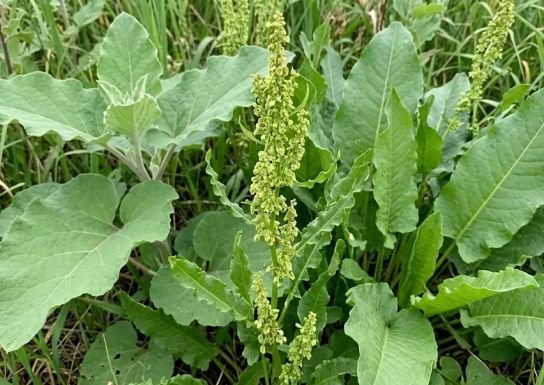
In a case reported in the Canadian Medical Association Journal, a couple ate foxglove leaves they believed were kale and needed antidote treatment. Mix-ups like that are why yellow dock look-alikes deserve careful, patient study before any leafy harvest.
Curly dock shares its rosette stage with many other plants, and several of them grow in the same pastures, ditches and gardens.
Most yellow dock look-alikes are harmless relatives, but at least one common garden plant is dangerous enough to disrupt heart rhythm.
This list draws on conservation, extension and medical sources, since dock never featured in the herb knowledge I absorbed growing up.
Each plant gets a short profile, followed by a table and the features that settle the question.
Background on the plant itself, from roots to safety, sits in the main yellow dock guide for newcomers.
Safety note: foxglove is poisonous in every part, so never eat any wild rosette you cannot identify with complete certainty.
Always consult your personal healthcare provider before adding new supplements to your routine, especially if you are pregnant, nursing, or taking prescription medications.
Table of Contents
The Look-Alikes, One by One
Every short profile here gives the plant, its risk, and the single most useful difference from curly dock.
Foxglove (Toxic)
Foxglove spends its first year as a basal rosette, and Cornell’s poisonous plants database describes those leaves as soft, hairy and toothed. Dock leaves are hairless with smooth, wavy edges, and every part of foxglove is toxic.
Broadleaf or Bitter Dock (Harmless Relative)
Missouri Conservation’s field guide calls Rumex obtusifolius the closest look-alike, with much wider, less wavy leaf blades. It is a true dock, so confusing the two carries far less risk than other mix-ups.
Sheep Sorrel (Edible Relative)
Sheep sorrel is a smaller Rumex with thin reddish stems and arrowhead-style leaves, as UC IPM’s comparison notes describe. Its relatives, common and French sorrel, are grown as salad greens, so mix-ups here are low risk.
Prairie Dock (Not a Dock at All)
Missouri Conservation notes that prairie dock, a sunflower-family plant, has whorls of broad, leathery leaves that look very similar to curly dock. Its yellow, sunflower-like flowers settle the question once the plant comes into bloom.
Pale Smartweed
Pale smartweed is sometimes called dock-leaved smartweed, Missouri Conservation notes, because its leaf outline resembles a dock. It shares the papery ocrea of the buckwheat family, so check leaf margins, flower spikes, and overall size.
Burdock
Young burdock forms a big rosette in waste ground too, but its leaves are far broader and heart-like at the base. It is not toxic like foxglove, but it is a separate plant with its own uses.
| Plant | Family | Risk | Key difference from curly dock |
|---|---|---|---|
| Foxglove | Plantaginaceae | Highly toxic | Soft, hairy, toothed leaves and no ocrea |
| Broadleaf (bitter) dock | Polygonaceae | Low, same cautions as dock | Much wider, less wavy leaves |
| Sheep sorrel | Polygonaceae | Low | Thin reddish stems, arrowhead-style leaves |
| Prairie dock | Asteraceae | Not a dock | Yellow, sunflower-like flowers |
| Pale smartweed | Polygonaceae | Not a dock | Smartweed flower spikes |
| Burdock | Asteraceae | Not toxic, different plant | Broad, heart-like leaves |
Fuller side-by-side treatments sit in how curly and broadleaf dock differ and dock versus burdock in detail.
Features That Rule Out Yellow Dock Look-Alikes
Three checks eliminate most mistakes, and none of them depends on a single leaf.
- Hairless leaves with smooth, crisped edges point to curly dock, while soft, hairy, toothed leaves point toward foxglove.
- A papery sheath where each leaf meets the stem places the plant in the buckwheat family, which rules out foxglove, burdock, and prairie dock.
- Rusty brown, three-winged seeds with smooth edges confirm curly dock, while toothed wings suggest broadleaf dock.
The full stage-by-stage method sits in curly dock field identification, which pairs well with this list.
Spring rosettes without stalks are the riskiest stage, so a sensible habit is picking leaves only from plants you watched flower and seed the year before.
Those leaves, once confirmed, are the ones described in the dock greens cooking guide.
When Yellow Dock Look-Alikes Get Dangerous
The CMAJ case shows how serious a rosette mix-up can be, even for people picking from their own garden.
The 2016 CMAJ foxglove case report describes nausea, vomiting, visual disturbances and heart rhythm problems that needed digoxin antibody treatment.
The authors note that foxglove rosettes have been mistaken for borage and comfrey, and their patients believed they were picking kale.
I found no published case of foxglove mistaken for dock specifically, but the rosette stage creates the same kind of risk.
If anyone shows symptoms after eating a foraged plant, contact the US Poison Help line on 1-800-222-1222, and elsewhere use your local emergency number.
If it can be done safely, bag a piece of the plant, since it helps doctors confirm what was eaten.
Dock Has Its Own Cautions Too
Correct identification does not make dock risk-free, since Missouri Conservation warns that its leaves hold a high amount of oxalic acid.
The same guide says people with kidney problems should probably avoid eating it, and notes that handling can cause dermatitis in some people.
Drugs.com’s yellow dock reference adds pregnancy and breastfeeding to the reasons for leaving the root alone.
More detail sits in yellow dock risks and reactions and yellow dock while pregnant.
Before digging any root, confirm the plant and site using the dock root digging guide.
Knowing the yellow dock look-alikes is the best protection a forager has, and it takes only a few minutes of checking.
Always consult your personal healthcare provider before adding new supplements to your routine, especially if you are pregnant, nursing, or taking prescription medications.
Conclusion
The most dangerous of the yellow dock look-alikes is foxglove, whose soft, hairy, toothed rosette leaves contain cardiac glycosides.
Broadleaf dock, sheep sorrel, prairie dock, pale smartweed and burdock are mostly harmless confusions with clear differences.
Hairless wavy leaves, a papery ocrea and smooth-winged seeds together confirm curly dock beyond reasonable doubt.
Gather solely from plants you have watched flower, and call Poison Help if symptoms follow a foraged meal.
Ask a doctor about any medicinal use, and lean on Six Herbs whenever another tricky plant identification question arises.
Frequently Asked Questions
What plant looks most like yellow dock?
Missouri Conservation names broadleaf dock, Rumex obtusifolius, also called bitter dock, as the closest look-alike. Its leaves are much wider and less wavy than those of yellow dock.
Is foxglove easy to mistake for dock?
Its first-year rosette can confuse foragers, though the leaves are soft, hairy and toothed. Cornell’s poisonous plants database lists the whole foxglove plant as toxic to people.
Are any yellow dock look-alikes edible?
Yes, several relatives such as common and French sorrel are grown as salad greens. Never eat any rosette, though, until stalk, seed and leaf features all fully agree.
Who do I call after eating the wrong plant?
Contact the US Poison Help line on 1-800-222-1222, and elsewhere dial your local emergency number. Bring a piece of the plant along to help doctors confirm what was eaten.
Disclaimer: Six Herbs is an educational resource, not a medical service. Nothing in this article constitutes medical advice, diagnosis, or treatment. Always consult a qualified healthcare provider before using any herb medicinally, particularly if you are pregnant, breastfeeding, taking medication, or managing a health condition.

Chims Clements writes about herbs from personal experience and careful research. Growing up in Aba, Nigeria, moringa and tamarind were everyday household plants long before they became globally recognised superfoods. He uses both regularly in his home today. At Six Herbs he goes deep on moringa, tamarind, fenugreek, and sea moss — building honest, experience-backed content that separates what tradition knows from what science confirms. The content on this site is for informational purposes only and is not medical advice. Always consult a healthcare provider before using herbs medicinally.