
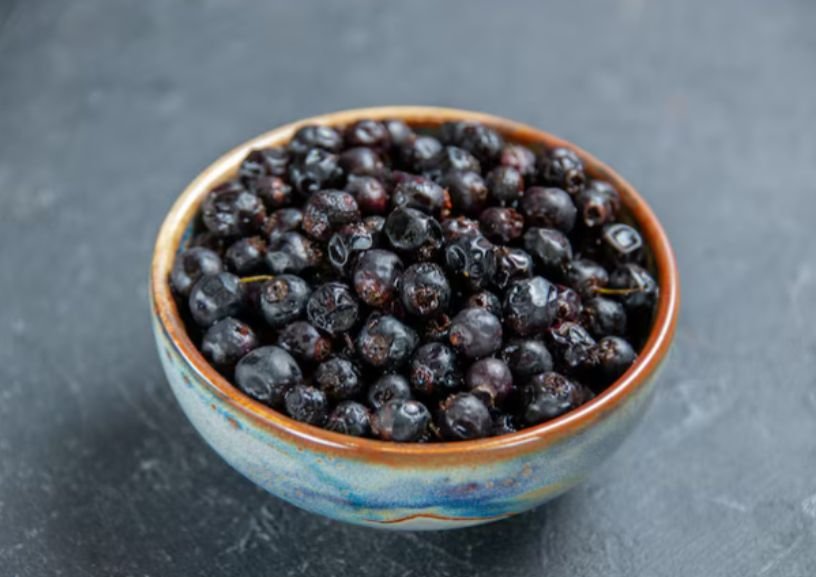
One batch of homemade juice sent eight Californians to hospital in 1983, and the berries were not the main problem. The leaves and branches crushed in with them were, and that detail explains much of the confusion around raw elderberries.
Nobody in my family has ever eaten elderberries, and the shrub does not grow around our home in Abia State.
What we do know well is cassava, a staple that also carries cyanide-forming compounds and must be processed before eating.
That background makes the elderberry question familiar, but every claim below comes from federal health sources and laboratory studies.
This guide explains why raw elderberries can cause illness, which plant parts carry the most risk and what research measured.
It ends with practical steps for picking, stemming and cooking berries safely, plus the symptoms that need medical help.
Safety note: eat only ripe, destemmed, thoroughly cooked elderberries, and never crush leaves, stems or green berries into food or drink.
Always consult your personal healthcare provider before adding new supplements to your routine, especially if you are pregnant, nursing, or taking prescription medications.
Table of Contents
Are Raw Elderberries Poisonous?
The short answer is that raw or unripe berries can make people sick, while ripe, cooked berries are eaten safely in jams and pies.
The NIH elderberry fact sheet states that raw or unripe berries, leaves and stems contain cyanide-producing substances.
Possible effects it names include nausea, vomiting and heavy diarrhea, with serious illness from large amounts, and it says cooking destroys the toxin.
So the safe rule is simple: treat every batch of raw elderberries as unfinished food that still needs stemming and cooking.
A full overview of the plant, its parts and its uses sits in the main elderberry guide.
What Makes Elder Plants Risky
Elder plants contain cyanogenic glycosides, natural compounds that can release hydrogen cyanide when plant tissue is crushed or chewed.
In European elder, the main compound is called sambunigrin, and related compounds such as prunasin also appear in American elderberry tissues.
A 1984 CDC case report lists the leaves, flowers, bark and buds, plus the roots, as carriers of such a compound, with young leaves usually richest.
The same report describes the roots as the most poisonous part of the plant, which is why no recipe should include them.
How Much Each Part Contains
A 2021 Molecules study on American elderberry measured these compounds across fruit tissues, juice, seeds, skins and stems.
Stems showed the highest cyanogenic potential at 37.43 micrograms of cyanide equivalent per gram, followed by whole green berries at 25.6.
Ripe berries had the lowest levels of the tissues tested, and commercial elderberry juice contained no measurable cyanogenic glycosides.
The authors cite European work finding 27.68 to 209.61 micrograms per gram of sambunigrin in leaves, against 0.08 to 0.77 in berries.
A 2016 Science of Food and Agriculture study also found berries carried the lowest levels of all the elder plant parts it analyzed.
That study measured 0.11 micrograms per gram in berries from foothills and 0.59 from hilltops, showing that growing location matters too.
| Plant part | What studies found | Practical rule |
|---|---|---|
| Stems | Highest cyanogenic potential in the 2021 study | Remove completely |
| Green berries | Second highest in the 2021 study | Discard |
| Leaves | Far higher than berries in European elder | Never add to food |
| Roots | Called most poisonous by the CDC report | Never use |
| Ripe berries | Lowest levels measured | Cook before eating |
| Commercial juice | None measurable in the 2021 study | Buy from tested brands |
The 1983 California Case
On August 26, 1983, a group in Monterey County drank juice made from wild elderberries gathered two days earlier.
Staff had crushed the berries together with leaves and branches in a press, then added apple juice, water and sugar.
Within about 15 minutes, 11 people developed nausea and vomiting, and eight of the most ill were airlifted by helicopter to a hospital.
Symptoms included abdominal cramps, weakness, dizziness and numbness, and illness was worse in people who drank more glasses.
Everyone recovered, and health officials advised that the berries may be safe but leaves and stems should never be crushed into juice.
Why Lab Results and Warnings Seem to Differ
The 2021 Molecules authors concluded that cyanogenic levels in American elderberry tissues are low and pose no threat to consumers of fresh and processed products.
Federal guidance still warns against raw elderberries, and the two positions fit together once you look at what each one covers.
- The lab study measured ripe, cleaned tissues, while home harvests can include green berries, stem pieces and stray leaves.
- Levels vary by species, cultivar and growing location, as the 2016 altitude study showed for European elder.
- The CDC case shows how quickly a careless preparation can turn low-risk berries into a harmful drink.
- The 2021 authors themselves advise removing stems, green berries and leaves during product preparation.
Cooking every batch covers all of these gaps at once, which is why it remains the standard advice.
A Lesson From Cassava
In Eastern Nigeria, cassava is the everyday example of a food that must be processed before it is safe to eat.
The FAO guide to roots and tubers explains that cassava’s linamarin releases hydrogen cyanide when crushed cells expose it to an enzyme.
It also notes that boiling alone does not reliably remove cassava’s cyanide, which is why soaking, fermenting and squeezing matter in gari making.
Elderberry chemistry differs, and NIH guidance specifically says cooking eliminates the toxin in elderberries.
The shared lesson is that some plant foods are safe only after the right preparation, and skipping steps carries risk.
How to Prepare Elderberries Safely
These steps follow the CDC report, NIH guidance and the 2021 study’s own preparation advice.
Pick Only Ripe Clusters
Harvest clusters when the berries are fully dark purple to black, and leave any cluster that still shows green fruit.
Ripeness signs and timing are covered in timing the elderberry harvest, including how to judge mixed clusters.
Confirm the Plant
Several toxic plants resemble elder, so be certain of identification before picking anything from the wild.
Key features are set out in how to recognize elder, and risky lookalikes appear in plants mistaken for elder.
Remove Every Stem
Strip all berries from their stems, since the 2021 study found stems carried the highest cyanogenic potential of any tissue tested.
Freezing and fork methods for large batches are explained in destemming made easier.
Discard Green Berries and Leaves
Pick out green or red berries and any leaf fragments, since both carry far more of the risky compounds than ripe fruit.
Rinse the cleaned berries in a bowl of water, where many stray bits float to the top for easy removal.
Cook Thoroughly
Simmer berries in syrups, teas, jams or pies rather than eating them raw, juicing them raw or blending them into smoothies.
Step-by-step methods with times and amounts appear in simmering elderberry syrup and simmered elderberry tea.
Cook Dried Berries Too
Drying does not replace cooking, so dried berries should still be simmered before eating or drinking.
Differences between the forms are covered in fresh versus dried fruit, and home methods in dehydrating elderberries properly.
What About Elderflowers?
The CDC report lists flowers among the parts containing the compound, though elderflower drinks are long established in European kitchens.
Use flower heads only, trim away as much green stem as possible and follow a tested recipe, such as making elderflower cordial.
How flowers and berries differ in harvest, use and handling is compared in elderflower and berry differences.
Symptoms and When to Get Help
Symptoms in the CDC case appeared within about 15 minutes and included nausea, vomiting, cramps, weakness, dizziness and numbness.
- In the United States, call Poison Control at 1-800-222-1222 if someone eats raw berries, leaves or stems and feels unwell.
- Call emergency services straight away for confusion, trouble breathing, fainting or severe weakness.
- Keep a sample of what was eaten, since it helps poison specialists judge the risk.
Children are smaller and more vulnerable, so keep raw clusters out of reach and store homemade products, including homemade elderberry gummy recipes, safely.
Who Should Be Extra Careful
NIH guidance notes that little is known about elderberry safety for pregnant or breastfeeding women.
Anyone taking medicine should talk to a health professional first, because herbs and medicines can interact in harmful ways.
Always consult your personal healthcare provider before adding new supplements to your routine, especially if you are pregnant, nursing, or taking prescription medications.
Conclusion
Raw elderberries are not something to snack on, because unripe fruit, stems, leaves and roots carry cyanide-forming compounds.
Laboratory work shows ripe berries hold the lowest levels, but careless preparation caused the 1983 California poisoning.
Pick only ripe clusters, confirm the plant, remove every stem and leaf, and cook every batch thoroughly.
Call Poison Control if anyone becomes unwell after eating uncooked parts of the plant.
Read the Six Herbs elderberry syrup guide next to put these safety steps into practice in your own kitchen.
Frequently Asked Questions
Can you eat raw elderberries?
No, NIH guidance warns that uncooked or unripe berries may trigger nausea, vomiting and heavy diarrhea.
Cook ripe, destemmed berries thoroughly, since proper heating destroys the toxin in elderberries.
Are elderberry seeds poisonous?
A 2021 study measured low cyanogenic levels in American elderberry seeds, from 0.12 to 2.38 micrograms per gram.
Cooking the whole berry remains the safest approach for every home kitchen.
How many uncooked berries are dangerous?
No reliable threshold exists, because levels vary by ripeness, species, location and stray stems.
Avoid uncooked berries entirely rather than guessing a safe amount for anyone.
Does drying elderberries make them safe?
Drying alone does not replace cooking, so dried berries should still be simmered before eating.
Buy dried fruit from tested sellers and cook it in syrups or teas.
Disclaimer: Six Herbs is an educational resource, not a medical service. Nothing in this article constitutes medical advice, diagnosis, or treatment. Always consult a qualified healthcare provider before using any herb medicinally, particularly if you are pregnant, breastfeeding, taking medication, or managing a health condition.

Chims Clements writes about herbs from personal experience and careful research. Growing up in Aba, Nigeria, moringa and tamarind were everyday household plants long before they became globally recognised superfoods. He uses both regularly in his home today. At Six Herbs he goes deep on moringa, tamarind, fenugreek, and sea moss — building honest, experience-backed content that separates what tradition knows from what science confirms. The content on this site is for informational purposes only and is not medical advice. Always consult a healthcare provider before using herbs medicinally.