
I grew up eating icheku straight off tree branches in Aba, Nigeria, long before I knew tamarind had a scientific name. Decades later, I brew the leaves, cook with the pulp, and now check every health claim against published research.
Tamarind is one plant with an unusually wide range of forms and uses, and this guide covers all of it: what it is, where it comes from, its many culinary forms, and what published research actually supports about its health benefits.
I have used tamarind daily for most of my life, in tea, pulp, and powder, and that lived experience informs how I write about it, though every health claim here is checked against published studies rather than assumed.
This page links out to deeper guides on specific forms, like seeds, leaves, and bark, rather than repeating their detail here.
Disclaimer: Six Herbs is an educational resource, not a medical service. Nothing in this article constitutes medical advice, diagnosis, or treatment. Always consult a qualified healthcare provider before using any herb medicinally, particularly if you are pregnant, breastfeeding, taking medication, or managing a health condition.
Table of Contents
What Is Tamarind?
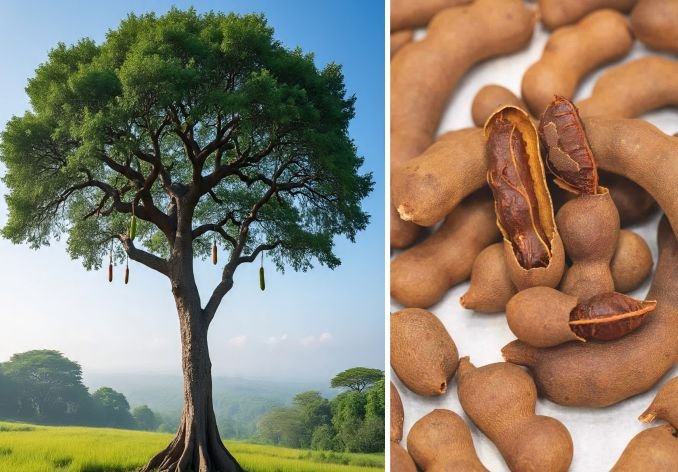
Tamarind is a tropical, evergreen tree that can reach up to 25 meters tall, producing long, curved brown pods filled with sticky, tangy pulp and glossy seeds.
Grown across Africa, Asia, and Latin America, the tree has deep roots that let it thrive in dry climates, and mature trees can live and bear fruit for decades.
Its history traces back to Africa, spreading through trade routes to Asia and later the Americas; Ancient Egyptians used it in cooking and medicine, and it remains a staple ingredient in traditional recipes across dozens of cultures today.
My Relationship With Tamarind
Of all the plants I write about, tamarind is the one I know most intimately, not from research first, but from daily life.
I grew up with it in Abia State, Eastern Nigeria. Black velvet tamarind, which we called icheku, was a childhood snack eaten straight from broken branches on the walk home from the farm, though it’s a different species entirely from true tamarind.
The fruit itself, Tamarindus indica, was a kitchen constant: stirred into drinks, cooked into stews, and reached for when digestion needed a nudge.
I brew tamarind leaves as a warm tea, cook with the pulp, and have switched to tamarind powder on days when fresh fruit isn’t within reach.
That familiarity is the foundation of this guide, though it doesn’t replace the science: every health claim below is checked against published research, and I say so plainly when a claim rests on tradition instead.
Sweet vs. Sour Varieties
Tamarind comes in both sweet and sour varieties, influenced by climate, soil, and regional cultivation.
Indian tamarind tends to be sour and tart, while African and Mexican varieties are typically sweeter and milder.
This is a well-known culinary distinction, but it’s worth being precise about what it does and doesn’t mean: there’s no well-documented, published breakdown of exact nutrient differences between sweet and sour tamarind.
The difference is mainly in tartaric acid content and taste, not a measurably different vitamin or mineral profile.
For the full, sourced nutrition data, see our tamarind nutrition facts page.
Forms of Tamarind
Tamarind shows up in more forms than most people realize, from the raw pod to purified industrial extracts, and each has its own dedicated guide with more depth than this overview can cover.
Fresh and dried pods
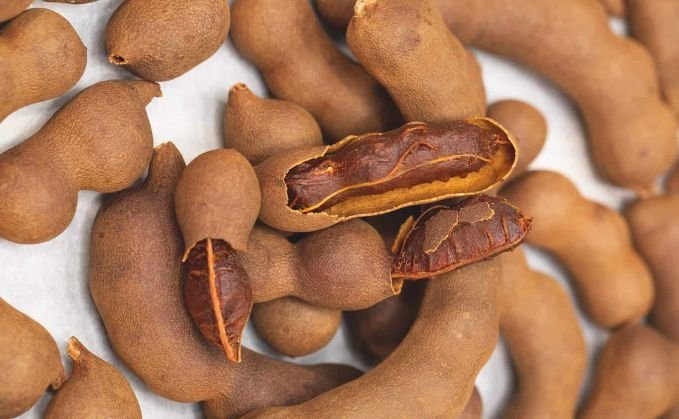

The whole pod is the starting point for most other forms. Fresh pods have a firm shell and sticky pulp; dried pods store longer and get soaked in warm water before use.
Paste and pulp
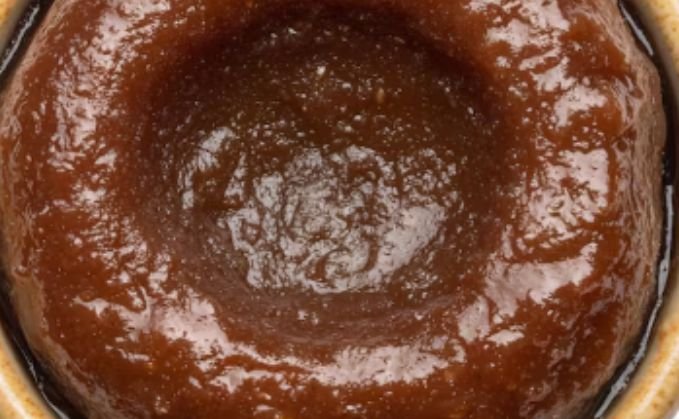
Made by processing the pulp and straining out fibers and seeds, tamarind paste is the ready-to-use form most home cooks reach for.
Fruit powder
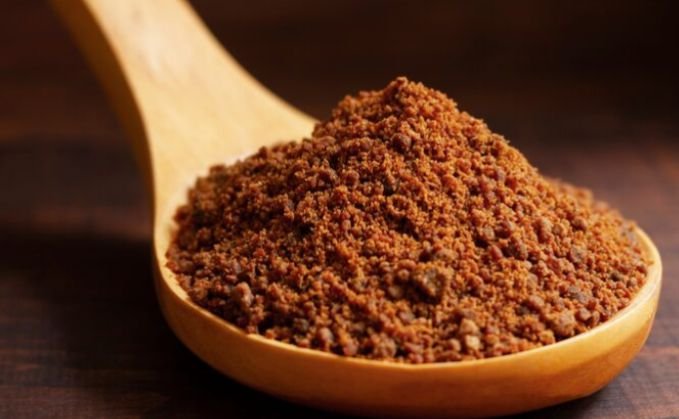
Dried, ground pulp, covered in our tamarind powder guide, works well as a shelf-stable spice for sauces and drinks.
Seeds, seed powder, and seed gum
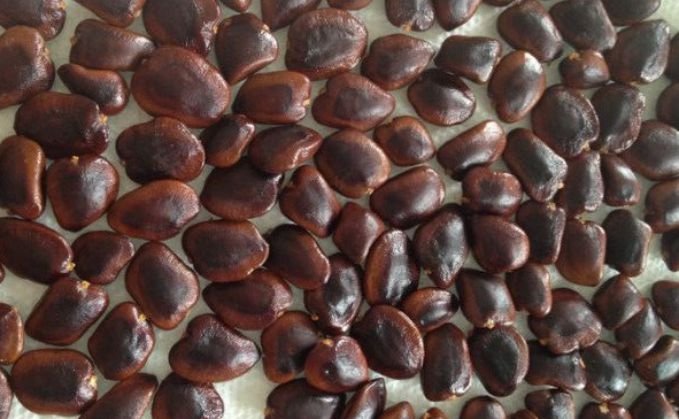
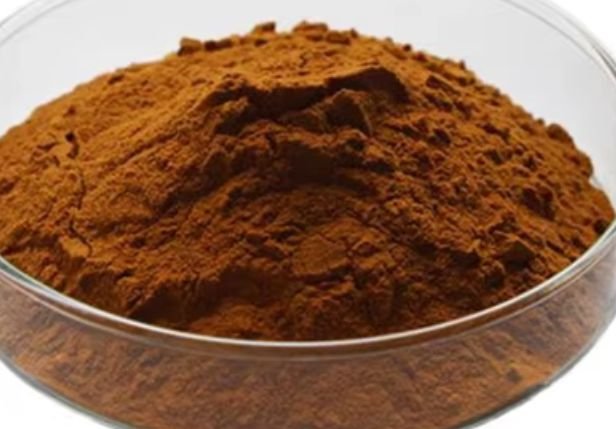
The seeds themselves, roasted or ground into seed powder, carry a notably different nutrient profile than the fruit, higher in protein.
The seed’s natural gum, covered separately in our seed gum guide, has documented industrial uses in textiles, paper, and cosmetics. See our full seeds guide for the whole picture.
Leaves
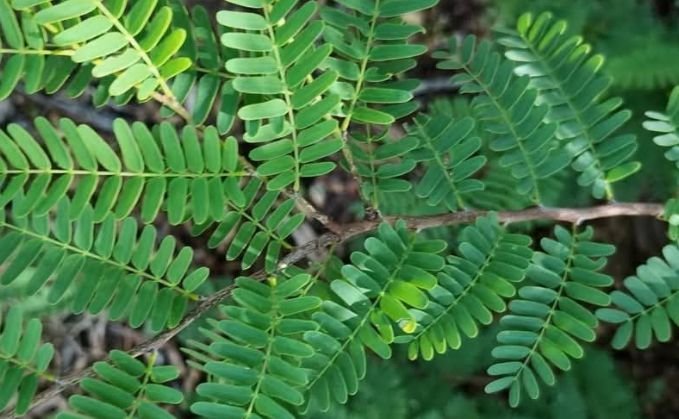
Fresh or dried tamarind leaves get cooked into soups, brewed as tea, or ground into their own powder, with a milder, more herbal flavor than the fruit.
Bark and root

Less commonly used but directly studied: our tamarind bark guide and tamarind root guide cover published research specific to each part, distinct from the fruit.
Tea
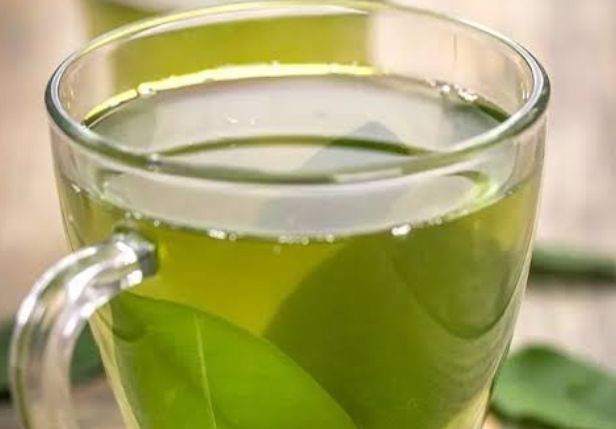
Brewed from pods, leaves, bark, or root, tamarind tea is one of the simplest ways to use any of these forms, covered fully in its own guide.
Juice, gummies, and other drinks
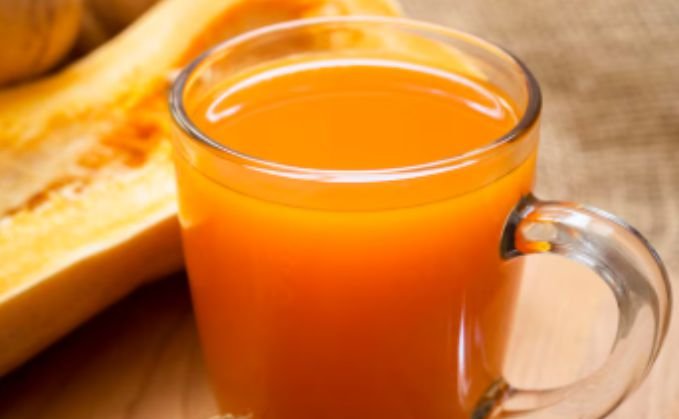

Ready-made tamarind drinks and juice trade some fiber and vitamin content for convenience, while gummies offer a portioned, sweetened snack format.
Tamarind Health Benefits: What Research Supports
This is the section worth reading carefully, since the strength of evidence varies a lot depending on the specific claim and which part of the plant it’s about.
Digestion
This is tamarind’s best-known traditional use, and there’s solid mechanistic research behind it.
A review of dietary polyphenols found they act as multi-target modulators of gastrointestinal smooth muscle, a plausible explanation for tamarind’s reputation for easing digestion, detailed in this review of polyphenols and gut motility.
Most of this evidence is mechanistic rather than a large clinical trial on tamarind specifically. See our tamarind and digestion guide for more depth.
Heart health and metabolic markers
This has some of the strongest human evidence in the tamarind research base.
A randomized controlled trial testing 20 grams of tamarind fruit pulp daily in overweight adults found measurable reductions in LDL cholesterol and blood pressure after six weeks, detailed in the trial published in the International Journal of Preventive Medicine.
That’s an actual human trial, not just a lab or animal study, which makes it worth taking seriously, though it’s a single trial and needs replication before being called settled.
Blood sugar
A 2024 systematic review of tamarind and diabetes found laboratory and some animal evidence for blood-sugar-related effects, though the review’s authors noted human trial evidence remains limited, as detailed in this systematic review.
Treat this as a promising area of ongoing research, not a confirmed effect you should rely on for blood sugar management.
Antioxidant and anti-inflammatory activity
Tamarind’s polyphenols and flavonoids are well documented as antioxidants in lab studies, summarized in this review of tamarind’s nutritional chemistry.
This is one of the more consistently replicated findings across different parts of the plant, from pulp to leaves to bark.
Weight management
Tamarind is low in fat and provides fiber, which can support satiety and reduce reliance on sugary drinks or snacks, though this is a general nutrition principle rather than a tamarind-specific weight-loss effect.
See our tamarind and weight management guide for more.
Skin and hair
Traditional use of tamarind pulp and seed oil for skin and hair is well established culturally.
Also, the antioxidant content above provides a plausible mechanism, but this specific application hasn’t been tested directly in the research cited here.
Treat it as tradition rather than proven.
Tamarind in Cooking
From Indian curries and chutneys to Thai soups and Mexican candies, tamarind travels across an unusually wide range of cuisines.
African stews, Southeast Asian sauces, and Latin American drinks all use it prominently, each balancing its sweet and sour notes differently.
Common preparations include pastes, concentrates, and juices from processed pulp, alongside whole pods soaked or simmered for fresh flavor extraction.
For specific recipes, see our guides to tamarind sauce, chutney, candy, and smoothies.
To prepare tamarind paste at home, remove the shell, soak the pods in warm water until the pulp softens, then mash and strain out the fibers and seeds.
This homemade version lets you control sweetness and consistency more precisely than store-bought paste.
When cooking with tamarind, start with small amounts and taste as you go, since sourness varies noticeably between sweet and sour varieties, and it pairs well with cumin, chili, and ginger.
For the flavor itself, see our guide to what tamarind tastes like.
Safety and Precautions
Tamarind is classified as generally safe in food amounts, according to the RxList clinical reference on tamarind, and a six-month toxicity study on tamarind pulp extract found it well tolerated at tested doses in animal models, detailed in this toxicology study.
- Allergic reactions are possible, though uncommon. Some people experience mild skin irritation or digestive discomfort. Start with small amounts if you’re new to it.
- Overconsumption can cause digestive upset, including cramps or loose stools, especially with concentrated forms like paste or extract.
- Medication interactions matter. Tamarind may interact with medications affecting blood sugar or blood pressure. If you take prescription medication, check with a healthcare provider before using tamarind regularly, particularly in concentrated or supplement form.
A Note on the Research
Tamarind’s research base is honestly mixed in quality and depth: strong on general antioxidant activity and digestion-related mechanisms, promising but early on blood sugar, and backed by at least one solid human trial on heart-health markers.
Not every claim made about tamarind online holds up against the published literature, and this guide tries to be explicit about which is which throughout, rather than treating every traditional use as equally proven.
For the fullest breakdown of citations and study limitations, see our dedicated tamarind research page.
Conclusion
Tamarind earns its place across so many kitchens and traditions: nutrition, wide culinary range, and a body of research that supports several of its traditional uses while leaving others unproven.
Use this guide as your starting point, then follow the links to the form that interests you most, from leaves and seeds to bark or the fruit.
Treat tamarind as a flavorful, nutritious addition to your diet, not a substitute for medical care.
If you manage a health condition or take medication, check with your provider before using it medicinally.
Frequently Asked Questions
What is tamarind, exactly?
Tamarind is a tropical tree, Tamarindus indica, whose curved brown pods contain sticky, tangy pulp used worldwide in cooking, traditional medicine, and beverages across many cultures for centuries.
Are sweet and sour tamarind nutritionally different?
Not in any well-documented way; they differ mainly in cultivar, region, and taste, with sour varieties tasting more tart. See our tamarind nutrition guide for the sourced details.
Which part of the tamarind plant is healthiest?
No single part is objectively best; pulp, leaves, and seeds each offer different nutrients and research support, so the right choice depends on your own specific health goal.
Is tamarind safe to eat every day?
Yes, in normal food amounts for most healthy adults, though people on blood thinners, diabetes medication, or with allergies should check with a doctor before eating it daily.