
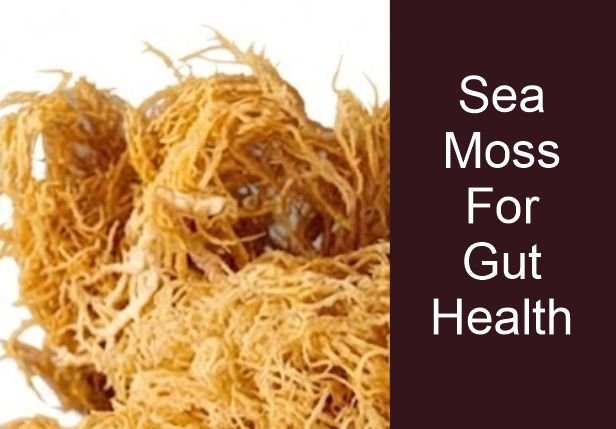
Sea moss is said to feed gut bacteria, soothe the digestive tract, and ease constipation, yet I found no controlled human trial of sea moss for gut health. Here is what the research does show, and exactly where it stops.
Sea moss for gut health is one of the most repeated claims in wellness and one of the least tested.
Because I use tamarind for my digestion, I know how tempting a tidy gut story can be.
I keep two questions ready for every claim: what is the mechanism, and has anyone tested it in people?
I hold no medical or herbalist license, so I lean on trials, reviews, and health agencies to sort plausible claims from proven ones.
For the upside claims, see our sea moss benefits guide, and for the wider picture, start with our sea moss overview.
Disclaimer: Six Herbs is an educational resource, not a medical service. Nothing in this article constitutes medical advice, diagnosis, or treatment. Always consult a qualified healthcare provider before using any herb medicinally, particularly if you are pregnant, breastfeeding, taking medication, or managing a health condition.
Table of Contents
The Short Answer
Sea moss has plausible gut-related properties, but plausible is not the same as proven.
Lab studies on red seaweeds are encouraging, yet I found no controlled human trial of sea moss for digestion, regularity, or the gut lining.
The carrageenan in sea moss adds a further question, because small human trials on it disagree.
Treat sea moss as a food you may enjoy and not as a gut treatment.
What Sea Moss Contains That Matters for the Gut
Sea moss is a red seaweed rich in carrageenan, the gelling polysaccharide that gives the gel its texture.
Many people call this fiber, so check the numbers before you assume a spoonful of gel helps.
USDA data for raw Irish moss list 0.13 grams of fiber in 10 grams and show that the raw seaweed is about 85 percent water.
The FDA sets the Daily Value for fiber at 28 grams, so a spoonful of gel is a small contribution to that target.
Gels and powders differ from raw seaweed, so read the fiber line on your product’s label.
Does Sea Moss Feed Gut Bacteria?
A 2025 in vitro study of red seaweeds, including Chondrus crispus, found prebiotic effects in a laboratory model of the human gut, such as increases in Akkermansia muciniphila.
The authors note that most earlier work used isolated polysaccharides, and only one earlier study used a whole red seaweed.
That makes the result promising but early, because a laboratory model is not a person.
A randomized trial of refined seaweed fibers shows why the gap matters.
Alginate and agar polysaccharides raised stool bulk by 20 to 30 percent, yet did not alter gut bacteria composition at the phylum and family level.
Those were refined agar and alginate extracts and not sea moss gel, so the trial is a caution rather than a verdict.
Carrageenan and the Gut: Small, Conflicting Trials
A 2017 trial in ulcerative colitis randomized patients in remission to carrageenan or placebo capsules and reported earlier relapse with carrageenan, although a published critique disputed its design.
A later crossover pilot study in quiescent ulcerative colitis found food-grade carrageenan neutral, with gastrointestinal symptoms higher during the placebo period.
Both trials were small, both tested carrageenan as an additive and not sea moss gel, and the later study’s authors called for larger trials.
Anyone with inflammatory bowel disease should therefore ask their gastroenterologist before using sea moss regularly.
Soothing, Coating, and Regularity Claims
The idea that sea moss gel coats or heals the gut lining rests on its gel-like texture, and I found no controlled study showing it.
The same goes for constipation relief, where I found no trial of sea moss itself.
A gel that looks slippery in a bowl is not evidence of what happens in the intestine, so treat these claims as marketing until human data exist.
What to Try Before Sea Moss
- Build your fiber from foods, aiming toward the FDA’s 28 gram Daily Value, and follow Mayo Clinic’s advice to add fiber gradually and drink plenty of fluids.
- Read our guide to herbs for digestion for herbs whose gut effects have been studied, such as peppermint oil for irritable bowel symptoms.
- Change one thing at a time, so you can tell what helped, which is a practical habit rather than a research finding.
If You Still Want to Use Sea Moss
Use it as a food, start with one product, and watch how your digestion responds.
Choose tested products by following our advice on choosing herbs carefully, and read our guides to sea moss gel and sea moss side effects for handling and iodine questions.
Who Should Ask a Doctor First
- Anyone with ulcerative colitis, Crohn’s disease, or another inflammatory bowel condition, because the carrageenan trials above are unsettled.
- Anyone with thyroid disease, and pregnant or breastfeeding readers, because sea moss carries variable iodine.
- Anyone with persistent or worsening digestive symptoms, who should be assessed and not self-treated.
Always consult your personal healthcare provider before adding new supplements to your routine, especially if you are pregnant, nursing, or taking prescription medications.
When Gut Symptoms Need a Doctor
NIDDK’s reflux guidance says to see a doctor for chest pain, persistent vomiting, trouble swallowing, vomit that contains blood, black or bloody stool, or unexplained weight loss.
Please do not let any seaweed delay that visit if you notice these signs.
Conclusion
Sea moss for gut health rests mostly on plausible mechanisms and laboratory findings, not on human trials of sea moss itself.
Its carrageenan raises an open question for people with inflammatory bowel disease, and its fiber contribution per spoonful is modest.
Start with fiber-rich foods, plenty of fluids, and herbs with stronger evidence, and involve your provider early if symptoms persist.
Use sea moss as a food if you enjoy it, one product at a time.
Then browse our sea moss guides for more careful, evidence-led reading on related topics.
FAQ
Is sea moss good for gut health?
It may have plausible properties, but I found no controlled human trial of sea moss itself, and laboratory findings on red seaweeds do not prove benefits for people.
Is sea moss a prebiotic?
Laboratory tests suggest red seaweeds can feed gut bacteria, but a human trial of refined seaweed fibers raised stool bulk without changing microbiome markers, so it remains unproven.
Can sea moss help constipation?
I found no controlled study showing sea moss relieves constipation, so add fiber-rich foods and fluids gradually, as Mayo Clinic advises, and see a doctor if constipation persists.
Is carrageenan in sea moss bad for the gut?
Human evidence is small and conflicting, with one colitis trial reporting earlier relapse and a pilot finding neutral effects, so ask your gastroenterologist if you have bowel disease.

Chims Clements writes about herbs from personal experience and careful research. Growing up in Aba, Nigeria, moringa and tamarind were everyday household plants long before they became globally recognised superfoods. He uses both regularly in his home today. At Six Herbs he goes deep on moringa, tamarind, fenugreek, and sea moss — building honest, experience-backed content that separates what tradition knows from what science confirms. The content on this site is for informational purposes only and is not medical advice. Always consult a healthcare provider before using herbs medicinally.