
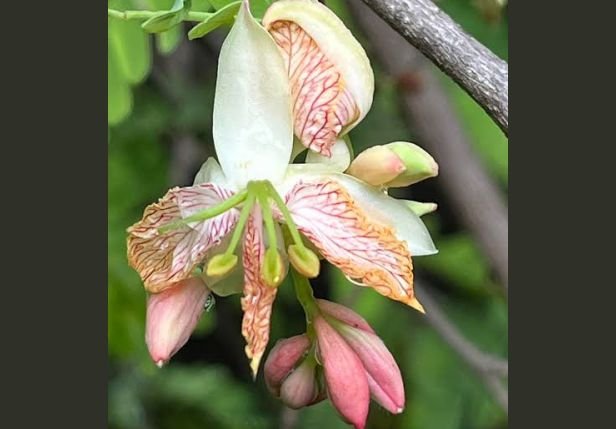
Tamarind flowers sat unnoticed on the tree while everyone reached for the pods. A 2026 study finally measured what’s actually in them: a notable source of fiber and copper, with antioxidant compounds nobody had bothered documenting in careful detail before.
Tamarind flowers are one of the least-discussed parts of the tamarind plant, overshadowed entirely by the fruit, and until a 2026 study measured their nutrient content directly, there wasn’t much published data to go on.
This guide covers what tamarind flowers actually are, what that recent research found about their fiber, mineral, and antioxidant content, and how they’re traditionally eaten in Southeast Asian cuisine, particularly Thailand.
I also cover their ecological role in pollination and fruit production, since the flowers come before every pod on the tree.
Health claims here stay carefully close to what the research actually measured, no more.
Disclaimer: Six Herbs is an educational resource, not a medical service. Nothing in this article constitutes medical advice, diagnosis, or treatment. Always consult a qualified healthcare provider before using any herb medicinally, particularly if you are pregnant, breastfeeding, taking medication, or managing a health condition.
Table of Contents
What Are Tamarind Flowers?
Tamarind flowers are small, fragrant, and pale yellow, marked with thin red or orange streaks, and grow in loose clusters called racemes.
According to the World Agroforestry Centre’s species profile, each flower has four sepals and five petals, with the upper three petals well developed and the lower two reduced to small bristles, and the buds are enclosed by two bracteoles that fall away early.
They bloom before pod formation begins, making them one of the clearest seasonal signals on the tree, on the same tamarind tree that later produces the fruit most people recognize.
Tamarind Flower Nutrition: What a 2026 Study Actually Found
Tamarind flowers went largely unstudied until recently. A 2026 nutritional analysis described them as “an unexplored functional food” and measured their composition directly, rather than assuming it matched the fruit or leaves, as detailed in this study on tamarind flower nutrition and bioactive properties.
Per 100 grams of fresh weight, the study found:
| Nutrient or Compound | Finding |
|---|---|
| Dietary fiber | 45% of the Thai Reference Daily Intake |
| Copper | 41% of the Thai Reference Daily Intake |
| Total phenolic content | 193.95 mg gallic acid equivalent per gram dry weight |
| Total flavonoid content | 475.73 mg quercetin equivalent per gram dry weight |
That fiber and copper contribution is meaningfully high for a flower most people have never considered eating.
Also, the phenolic and flavonoid levels suggest notable antioxidant potential, consistent with what’s already documented in other parts of the tamarind plant; see our tamarind nutrition facts page for how the fruit’s own numbers compare.
Culinary Uses
Tamarind flowers have a traditional place in Southeast Asian cooking, particularly in Thailand, where young flowers are eaten as a vegetable rather than a garnish.
A review of tamarind’s value-added products confirms that pulp, leaves, and flowers are all commonly consumed across intertropical regions for their nutritive value, as detailed in this review of tamarind products and health benefits.
In practice, young flowers get added raw to salads, or cooked into sour curries and boiled vegetable dishes, similar in spirit to how tamarind leaves are used across the same region.
Their flavor leans mildly acidic, in keeping with the rest of the plant.
Pollination and Ecological Role
Tamarind flowers aren’t just a culinary curiosity; they’re the step every pod depends on.
The blooms attract pollinating insects, particularly bees, and successful pollination is what turns a flower into the curved, pulp-filled pod that eventually becomes tamarind fruit.
A tree’s flowering pattern is usually the first visible sign of an approaching fruiting season, useful to know if you’re growing or harvesting from your own tree, as covered in our tamarind tree growing.
Health Considerations: What’s Backed and What Isn’t
The 2026 study’s own framing is worth taking seriously: it describes tamarind flowers as an “underutilized” food with “limited recognition,” meaning full health data is still new and thin.
What can be said with reasonable confidence:
- Antioxidant content is measured and documented. The phenolic and flavonoid levels found in the study are consistent with actual antioxidant activity in lab settings.
- Fiber and copper contribution is meaningful. These are directly measured nutritional facts, not estimates borrowed from another part of the plant.
- No human clinical trials exist yet. Nothing in the current research tests tamarind flowers for a specific health outcome in people, so treat this as a nutritious traditional food rather than a treatment for anything.
How to Prepare Tamarind Flowers
Pick young, freshly opened flowers rather than older or wilted ones, and rinse them gently to remove dirt or insects.
They can be eaten raw in salads for a mild, tangy note, or added toward the end of cooking in soups and curries to preserve their delicate texture, similar to how tamarind leaves are prepared.
As with any less-common edible flower, start with a small amount the first time you try them, since personal sensitivities are always possible.
Safety and Precautions
Tamarind in general is classified as safe in food amounts, according to the RxList clinical reference on tamarind, though this reference covers the plant broadly rather than the flower specifically.
As with any unfamiliar edible plant part, avoid flowers from trees treated with pesticides, and stop eating them if you notice any signs of allergic reaction, such as itching or digestive discomfort.
Conclusion
Tamarind flowers spent decades as an overlooked garnish while researchers concentrated on the fruit, but a 2026 study finally gave them solid nutritional credit: a good source of fiber and copper, with measurable antioxidant compounds.
Traditional Thai cuisine has used them in sour curries and salads for generations, well ahead of the science catching up.
Treat them as a nutritious, traditional vegetable rather than a proven remedy for any condition, since human clinical research on the flowers doesn’t exist yet. See our tamarind tree guide for the fuller botanical picture.
Frequently Asked Questions
Are tamarind flowers actually edible?
Yes, young tamarind flowers are eaten traditionally in Southeast Asian cooking, especially Thailand, added raw to salads or cooked into sour curries and boiled dishes across regional cuisines.
What nutrients do tamarind flowers contain?
A 2026 study found tamarind flowers are a strong source of dietary fiber and copper, with notable phenolic and flavonoid antioxidant compounds per 100 grams of fresh weight.
Do tamarind flowers have proven health benefits?
Not yet in human trials. Lab tests confirm antioxidant compounds in the flowers, but no clinical study has tested them directly for any specific health outcome so far.
What role do tamarind flowers play on the tree?
Tamarind flowers attract pollinating insects like bees, and after pollination they develop into the curved pods that eventually ripen into the fruit people know and eat every day.

Chims Clements writes about herbs from personal experience and careful research. Growing up in Aba, Nigeria, moringa and tamarind were everyday household plants long before they became globally recognised superfoods. He uses both regularly in his home today. At Six Herbs he goes deep on moringa, tamarind, fenugreek, and sea moss — building honest, experience-backed content that separates what tradition knows from what science confirms. The content on this site is for informational purposes only and is not medical advice. Always consult a healthcare provider before using herbs medicinally.