
Last updated on September 15th, 2026 at 01:19 pm
Moringa tea bags vary enormously in quality, and even common brewing advice about water temperature does not genuinely match what actual research actually found. This guide covers how to judge quality, brew it properly, and store bags for lasting freshness.
I grew up watching moringa trees in Eastern Nigeria and have used the leaves and powder regularly in daily cooking.
That makes it genuinely easy to spot when a tea bag contains something worth drinking, or just dust in paper.
Quality varies enormously across different brands, ranging from whole leaf to fine dust used as cheap filler material.
A real 2025 study testing moringa tea specifically found that near-boiling water, brewed for about six minutes, actually produced the highest phenolic content and antioxidant activity measured.
That directly contradicts the common advice suggesting cooler water always protects delicate plant compounds better.
Medical Disclaimer: This article is for informational purposes only and does not replace professional medical advice. Consult a qualified healthcare professional before using herbs or supplements.
What’s Inside the Bag
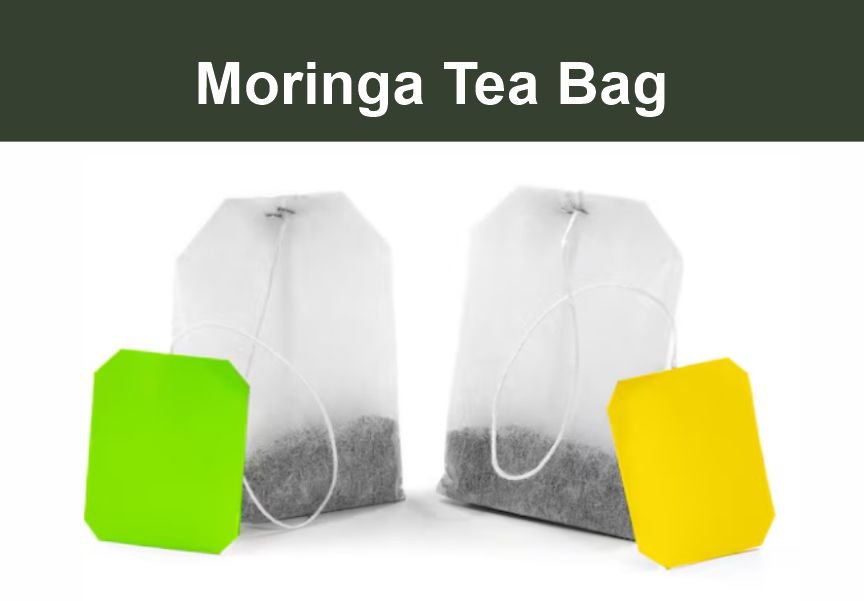
Moringa tea bags contain dried leaves sealed into filter paper for quick brewing without measuring or grinding.
Commercial versions commonly use finely ground leaf dust for cost efficiency, while premium options use whole or cut leaves with gentler drying.
That difference in leaf form directly affects taste, strength, and how much you’re actually getting per cup.
Types Sold on the Market
Pure moringa tea bags contain only dried leaves, giving a clean, mild, earthy taste with the fullest nutrient profile.
Blended versions mix in ginger, lemongrass, mint, or green tea, changing flavor and adding a light caffeine kick if green tea is included.
Flavored commercial variants add lemon, vanilla, or fruit extracts, which shifts the focus toward taste rather than the plant itself, so check labels for what’s actually inside.
Judging Quality at a Glance
Whole or lightly crushed leaves inside the bag signal better processing than fine, dusty powder, which commonly means lower-grade material.
Bright green color suggests proper drying, while dull or brownish leaves suggest age or poor handling.
A mild, earthy aroma when you open the bag is a good sign, while a musty or flat smell suggests the product has already lost freshness.
Brewing It Properly
A 2025 study testing moringa tea specifically tested temperatures from 70 to 100 degrees Celsius and steeping times from 2 to 10 minutes.
The combination of near-boiling water and roughly 6 minutes produced the highest phenolic content and antioxidant activity measured in that specific study.
This runs counter to common advice recommending cooler water to protect delicate compounds, at least for total antioxidant extraction.
A tea bag can generally be reused once, though the second brew tastes noticeably lighter since most compounds release during the first steep.
Full brewing details for loose leaf and powder forms live on the linked moringa tea guide.
Keeping Bags Fresh
Store tea bags in a cool, dry, airtight container away from sunlight, since heat, moisture, and light all speed up quality loss.
Once a pack is opened, air exposure gradually breaks down the leaves, so transferring to a sealed jar helps preserve flavor longer.
Avoiding humid storage spots also reduces the risk of clumping or mold.
Conclusion
Moringa tea bags vary in quality, so checking leaf form, color, and aroma before buying genuinely matters.
A real study on moringa tea brewing found near-boiling water and six minutes produced the strongest measured antioxidant results.
This runs directly contrary to the common advice recommending cooler water instead.
Pure leaf bags offer the fullest profile; blended or flavored versions trade some for taste.
Store bags airtight, away from heat and light, transferring opened packs to a sealed container.
Good moringa tea should taste light and earthy, never flat or dusty.
Frequently Asked Questions
What water temperature is actually best for brewing moringa tea?
A real 2025 study found near-boiling water brewed for about six minutes produced the highest phenolic content, genuinely contrary to common advice favoring cooler water each time overall.
Can I reuse a moringa tea bag for a second cup?
Yes, once; most compounds release during the first steep, so the second brew tastes noticeably lighter and weaker than a genuinely fresh bag would overall each single time.
How can I tell if a moringa tea bag is low quality?
Look for dusty, powdery filler instead of whole leaves, a dull brownish color, a musty smell, or vague labeling that hides the real ingredients used inside the bag.
Are pure moringa tea bags better than blended ones?
Pure bags keep the fullest leaf-based nutrient profile, while blended versions trade some of that purity for added flavor from ginger, mint, or citrus overall each single time.

Chims Clements writes about herbs from personal experience and careful research. Growing up in Aba, Nigeria, moringa and tamarind were everyday household plants long before they became globally recognised superfoods. He uses both regularly in his home today. At Six Herbs he goes deep on moringa, tamarind, fenugreek, and sea moss — building honest, experience-backed content that separates what tradition knows from what science confirms. The content on this site is for informational purposes only and is not medical advice. Always consult a healthcare provider before using herbs medicinally.