
Last updated on September 16th, 2026 at 07:42 am
Tamarind leaves is a popular herb in my hometown that offer gentle flavor and natural medicinal benefits, supporting our digestion, immunity, and wellness through traditional teas, poultices, and remedies.
Tamarind leaves are an important but overlooked part of the tamarind tree, commonly used in traditional cooking and local food practices across Africa, Asia, and other tropical regions.
We value them for their mild sour taste, which adds depth to soups, stews, and sauces.
Beyond flavor, tamarind leaves provide useful nutrients that support everyday nutrition when included in our meals.
In my community, we harvest the leaves fresh or dried for later use, making them an accessible ingredient.
This article looks at the uses of leaves of the tamarind tree, their nutritional content, and the benefits linked to regular, food-based consumption, helping you understand why these leaves continue to hold relevance in both traditional and modern diets.
If tamarind itself is new to you, our introductory guide to tamarind is a good place to start.
Disclaimer: Six Herbs is an educational resource, not a medical service. Nothing in this article constitutes medical advice, diagnosis, or treatment. Always consult a qualified healthcare provider before using any herb medicinally, particularly if you are pregnant, breastfeeding, taking medication, or managing a health condition.
Table of Contents
My Personal Experience with Tamarind Leaves
Tamarind leaves are something I use personally and regularly at home in Abia State, Eastern Nigeria, and they anchor everything I share in this article. I brew them as a tea.
I pick or source fresh tamarind leaves, steep them in hot water for several minutes, and drink the warm infusion.
The taste is mild, gently tangy, and different from tamarind fruit: lighter, less intense, with a subtle sourness that grows on you.
For more on that difference, see our guide to what tamarind tastes like.
Drinking it has been a way of life, and, as a general wellness tea, many households in Eastern Nigeria have used plant-based infusions for generations.
Also, black velvet tamarind, known locally as icheku (Dialium guineense), which is the more abundant relative in our part of Nigeria, also graces my mug.
But it is the leaves of Tamarindus indica, steeped, sipped, and observed for years, that I write about here from firsthand experience. That is the knowledge behind this article.
What Are Tamarind Leaves?
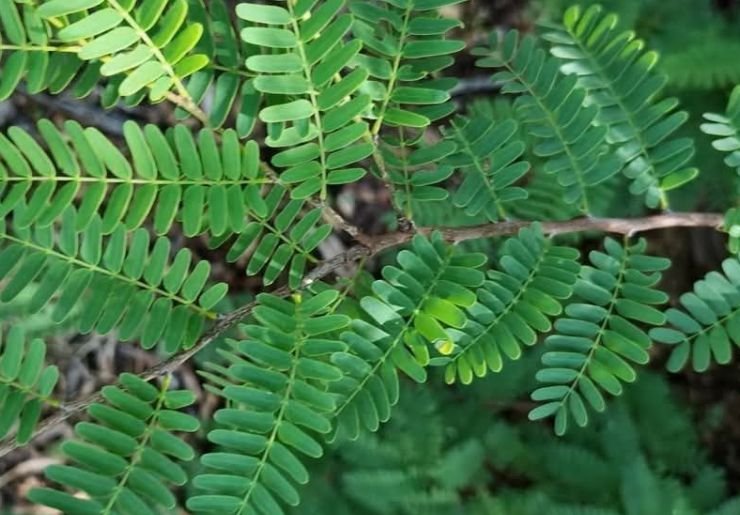
Tamarind leaves are small, feathery, and green, growing in pairs along slender stems.
Young leaves are tender and slightly tangy, commonly used in cooking to add flavor to soups, stews, and sauces.
They are also brewed into teas or used in traditional remedies for mild digestive and wellness benefits.
Both fresh and dried leaves have culinary and herbal value.
Botanical Overview of Tamarind Leaves
Tamarind leaves are delicate, feathery, and richly structured, offering visual cues for identification, culinary potential, and traditional uses.
Recognizing their botanical features helps you make the most of this plant part.
Leaf Structure and Arrangement
The leaves of the tamarind tree are compound and pinnate, with multiple small, oval leaflets arranged in pairs along a central stem.
This feathery arrangement allows sunlight to filter through while providing light shade.
The leaflets fold slightly at night or in low light, reducing water loss and supporting the tree’s natural energy balance.
Color, Texture, and Size
Young leaves are bright green, tender, and soft, while mature leaves darken and develop a firmer texture.
Each leaflet is usually 1 to 2 centimeters long, smooth, and slightly glossy, giving the canopy a uniform, textured appearance that is easy to recognize in gardens or forests.
Flowers and Leaf Association
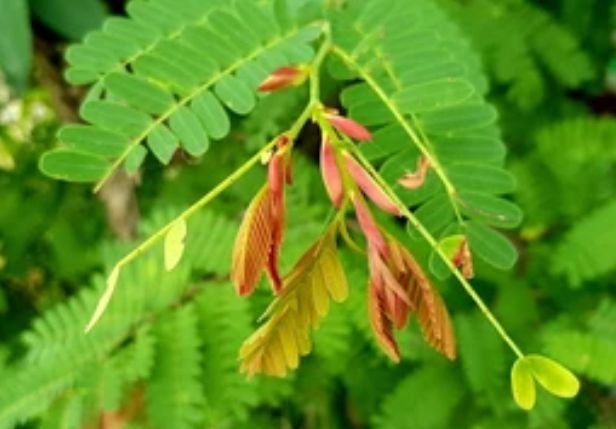
Leaves appear alongside small clusters of pale yellow flowers with red streaks. Their proximity supports pollination and fruiting cycles.
Observing leaves in relation to flowers helps identify tree maturity and potential pod production, which supports both culinary and cultivation planning.
Forms of Tamarind Leaves
This plant’s foliage comes in multiple forms, each suited for different uses in cooking, teas, and herbal remedies.
Knowing how to work with fresh, dried, or powdered leaves allows your kitchen and wellness practices to get the most flavor and natural benefits.
Fresh Leaves
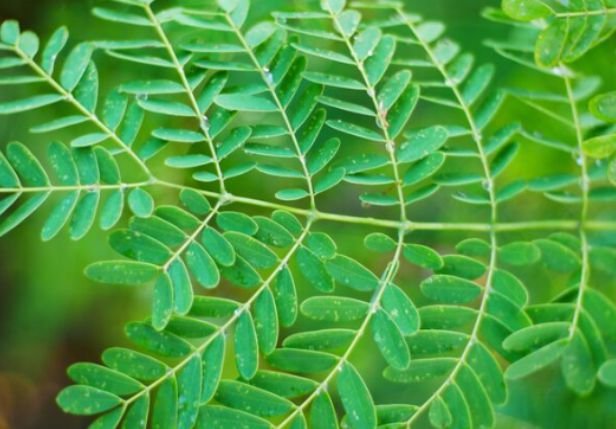
Tender and feathery, fresh leaves are best picked early in the morning for maximum flavor.
They can be added directly to soups, stews, and salads, offering a subtle tang and mild herbal notes.
Natural moisture and aroma make them perfect for quick cooking and light herbal infusions.
Dried Leaves
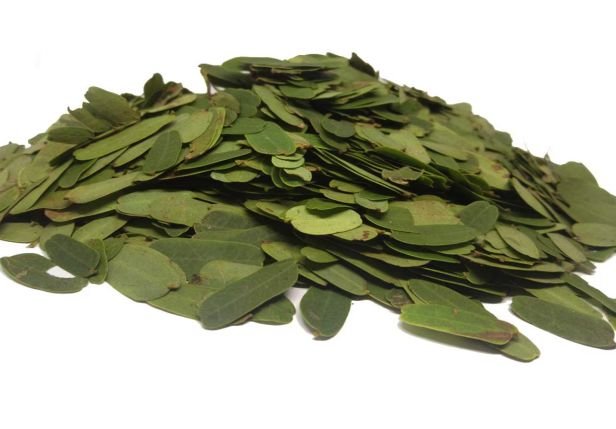
Dried foliage is lightweight, easy to store, and retains much of its taste and beneficial compounds.
Spread for air-drying or sun-drying, keeping leaves clean and away from moisture.
Once dry, you can crush them or add them whole to teas, soups, or slow-cooked dishes, offering convenience without losing their qualities.
Powdered Leaves
Tamarind powdered leaves, different from the pulp powder, are ground from dried leaves into a fine powder; this form works well for seasoning, smoothies, or herbal remedies.
It mixes easily into soups, sauces, and drinks, giving consistent flavor and concentrated nutrients.
This form makes it simple to include natural wellness practices in daily meals.
Frozen Leaves
Freezing preserves color, flavor, and natural compounds for later use. Store in airtight bags and remove excess moisture before freezing.
Frozen foliage can be added directly to cooked dishes or brewed for teas, giving meals and home remedies a convenient, ready-to-use option.
Nutritional Value of Tamarind Leaves
Tamarind leaves provide useful nutrients that support everyday meals, especially in traditional diets where leafy greens are common.
See our full nutritional profile of tamarind for how the leaves compare with the fruit and seeds.
Vitamins, Minerals, and Antioxidants
The leaves contain vitamins such as vitamin C and vitamin A, along with minerals like calcium, iron, and potassium.
One nutrient analysis of dehydrated tender tamarind leaf powder measured 2.4 milligrams of vitamin C and 166.8 micrograms of beta-carotene per 100 grams, alongside measurable iron and calcium, according to this published nutrient composition study.
| Nutrient (per 100g) | Amount |
|---|---|
| Energy | 375 kcal |
| Carbohydrates | 86.3 g |
| Protein | 4.0 g |
| Fat | 1.5 g |
| Crude fiber | 1.0 g |
| Calcium | 96.4 mg |
| Iron | 0.18 mg |
| Beta-carotene | 2.5 mg |
| Vitamin C | 166.8 mcg |
| Moisture | 4.65% |
These figures reflect dehydrated, tender leaf powder rather than fresh raw leaves; the study notes that both vitamin C and beta-carotene drop substantially during dehydration compared to the fresh leaf.
A broader look at the leaves’ nutrient profile is available in Tamarind Leaves: A Nutritional Powerhouse.
Natural antioxidants in the leaves help protect plant cells and contribute to overall dietary balance when eaten as part of regular meals.
Protein, Fiber, and Calorie Content
The leaves offer small amounts of plant protein and dietary fiber, which support digestion and satiety.
They are naturally low in calories, making them suitable for light meals, soups, and vegetable-based dishes without adding excess energy intake.
That same fiber and satiety effect is covered in more depth in our guide to tamarind and weight management.
Comparison With Other Edible Leaves
Compared to common leafy vegetables like spinach or pumpkin leaves, tamarind leaves are more acidic in taste but similar in nutrient density.
Their tangy flavor allows smaller quantities to add both nutrients and taste to dishes.
For how tamarind seeds compare nutritionally, see our seed guide.
Health Benefits of Tamarind Leaves
Tamarind leaves have long been valued in traditional diets and home remedies, mainly for their gentle support of everyday body functions when used as food or simple preparations.
For the fruit’s own health benefits, see our dedicated guide.
Digestive and Gut Support
These leaves are commonly added to soups and stews to support digestion. Their mild acidity may help stimulate appetite and digestive activity.
The fiber content also supports regular bowel movements and overall gut comfort when included in meals.
Anti-Inflammatory and Antioxidant Properties
Natural plant compounds in the leaves provide antioxidant activity that helps counter oxidative stress.
A 2015 study published in the journal PeerJ found that an antioxidant-rich tamarind leaf extract reduced oxidative stress markers and increased antioxidant enzyme activity in liver cells; you can read the full study on tamarind leaf extract for the lab details.
A separate systematic review published in Frontiers in Nutrition summarized several studies confirming antioxidant activity in tamarind leaf extracts, and it also reported no toxicity across the lab and animal studies it reviewed, detailed in this systematic review on tamarind leaf research.
Traditional use also links the leaves to easing minor inflammation, especially when prepared as teas or cooked vegetables in balanced diets.
A comparative chemical analysis across tamarind bark, leaves, seeds, and fruit identified compounds tied to anti-inflammatory and wound-healing activity in laboratory testing, detailed in this comparative study of tamarind plant parts.
Immunity, Blood Sugar, and Heart Support
Vitamins, minerals, and antioxidants in tamarind leaves may help support immune defenses.
Their fiber and plant compounds are also traditionally associated with balanced blood sugar and general heart-friendly nutrition when consumed regularly as food.
None of the research cited above involves large human clinical trials on tamarind leaves specifically, so these connections are best treated as traditional associations rather than settled clinical findings.
Traditional Medicinal Uses of Tamarind Leaves
In many cultures, the leaves are used in herbal remedies for general wellness. They are prepared as decoctions or poultices in traditional practices, passed down through generations as part of natural health routines.
Culinary Uses of Tamarind Leaves
Tamarind leaves are widely used in traditional cooking for their mild sour taste, which adds depth and balance to many dishes.
Cooking Fresh Leaves
Fresh leaves are commonly added to soups, stews, and sauces.
They release a gentle tang that brightens broths and complements vegetables, fish, and meat.
Young leaves are preferred for cooking due to their softer texture and milder flavor.
Teas and Herbal Drinks
These leaves are also brewed into simple teas or herbal drinks.
The leaves are boiled in water and strained, producing a lightly tangy beverage that is enjoyed warm or cooled, depending on local preference.
For other preparation methods, see our full tamarind tea guide.
Drying and Storing Leaves
Leaves can be sun-dried or air-dried and stored in airtight containers. Drying extends shelf life and allows year-round use.
Crushed dried leaves can be added directly to cooked dishes.
Pairing With Other Ingredients
Tamarind leaves pair well with spices, legumes, vegetables, and grains.
They balance rich or spicy ingredients while adding both flavor and nutritional value to meals.
Harvesting, Drying, and Storage Tips
The leaves of the tamarind tree offer flavor and natural wellness benefits, and handling them correctly preserves their taste, nutrients, and medicinal properties.
Simple steps for harvesting, drying, and storing ensure your leaves remain vibrant and useful in cooking, teas, and home remedies, adding depth to your meals and herbal practices.
Harvesting Young Leaves
We harvest tamarind leaves by picking the tender, young leaves early in the morning when moisture and flavor are optimal.
We avoid damaged or insect-infested leaves to maintain quality.
Seasonal timing matters, as leaves harvested at the right stage carry more nutrients, mild tang, and medicinal compounds.
Careful harvesting supports both culinary and wellness uses.
Drying and Storing Tamarind Leaves
When drying the leaves, we spread them for air-drying or sun-drying, keeping them away from direct dust and moisture.
Once fully dry, we store them in airtight containers to retain color, aroma, and medicinal properties.
Proper storage allows you to use leaves long-term in teas, soups, stews, or herbal remedies without losing their benefits.
Tamarind Leaf Powder: What It Is, How It’s Made, and Its Nutrition
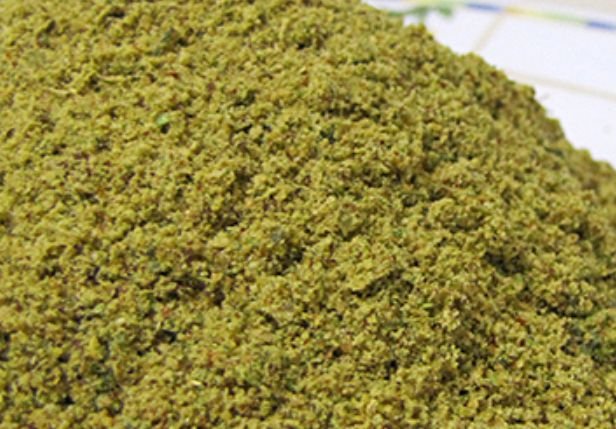
What Is Tamarind Leaf Powder?
Tamarind leaf powder is dried, finely ground tamarind leaves, distinct from both tamarind fruit powder, made from the sour pulp, and tamarind seed powder, made from roasted seeds.
It carries a milder, more herbal tang than either of those, closer to a green tea leaf than to the sharp sourness of the fruit.
Unlike some tamarind claims that rest on tradition alone, this is one of the few forms with a published nutrient analysis behind it, covered below.
How Tamarind Leaf Powder Is Made
- Harvest young, tender leaves in the morning, when moisture and flavor peak, and rinse them to remove dirt or residue.
- Some producers blanch the leaves briefly in hot water before drying; one nutrient study found this step helps retain more B vitamins compared to drying leaves raw.
- Spread the leaves in a single layer and sun-dry or oven-dry at low heat until they turn completely brittle.
- Once fully dry, grind the leaves in a spice grinder or blender until they form a fine, even powder.
- Sift out any coarse fragments or stems for a smoother texture.
Does Tamarind Leaf Powder Have Different Nutrients Than Fresh Leaves?
Yes, and the difference runs in both directions. Drying removes water, which concentrates some nutrients on a per-gram basis, while heat and light exposure during processing reduce others, particularly vitamin C.
A nutrient analysis of dehydrated tender tamarind leaf powder measured the following per 100 grams:
| Nutrient (per 100g) | Amount |
|---|---|
| Energy | 375 kcal |
| Carbohydrates | 86.3 g |
| Protein | 4.0 g |
| Fat | 1.5 g |
| Crude fiber | 1.0 g |
| Calcium | 96.4 mg |
| Iron | 0.18 mg |
| Beta-carotene | 2.5 mg |
| Vitamin C | 166.8 mcg |
| Moisture | 4.65% |
These figures come from this nutrient composition study on dehydrated tamarind leaf powder, and the study’s authors note that both vitamin C and beta-carotene dropped substantially compared to the fresh leaf during dehydration.
In practical terms: if vitamin C is your main reason for eating tamarind leaves, fresh or lightly cooked leaves likely deliver more of it than the dried powder does.
The powder’s advantage is shelf life and convenience, not a nutritional upgrade over fresh leaves.
How to Use Tamarind Leaf Powder
- Stir a small amount into smoothies or herbal teas for a mild, tangy note
- Sprinkle into soups, stews, or sauces near the end of cooking to preserve more of its flavor and remaining nutrients
- Mix into homemade spice blends where a subtle herbal sourness fits better than the sharper fruit powder
Storing Tamarind Leaf Powder
Store the powder in an airtight container, away from moisture, heat, and direct light, the same way you’d store the dried whole leaves discussed earlier in this guide.
Properly sealed, it keeps its flavor and remaining nutrients for several months.
Interesting Facts About Tamarind Leaves
The leaves of tamarind do more than flavor your meals or teas.
They play a role in local ecosystems, support cultural practices, and offer surprising benefits in gardens and daily life, adding both practical and natural value.
Ecological Role
Leaves of the tamarind tree contribute to soil health when they fall and decompose, returning nutrients and supporting nearby plants.
Their dense foliage provides shade for smaller crops and garden areas.
Pollinators are drawn to the tree when flowers bloom, creating a healthy environment for bees, butterflies, and other insects, connecting your garden to natural cycles.
Cultural Importance
Leaves are used in cooking, teas, and traditional remedies across many regions.
Festivals, rituals, and local customs sometimes feature the leaves for decoration, symbolic purposes, or home treatments.
Their presence in daily life shows how local knowledge has preserved practical and cultural uses that benefit your household.
Lesser-Known Uses
Beyond food and wellness, dried or powdered leaves can be used as natural wrappers, mild herbal additives, or gentle remedies for minor ailments.
Leaves also act as mulch in gardens, supporting soil moisture and plant growth.
These hidden uses show how every part of the tree adds value to your kitchen and garden.
Conclusion
Tamarind leaves are a practical, nourishing part of the tree, valued for flavor and everyday use.
Their mild sour taste balances soups, stews, and sauces without artificial seasonings.
The leaves provide vitamins, minerals, fiber, and antioxidants that support general nutrition, though the supporting research remains mostly lab-based rather than confirmed in large human trials.
Easy to harvest, dry, and store, they fit well into traditional and modern kitchens.
Used in moderation, they add variety and natural flavor to daily meals.
If you take medication or manage a health condition, check with your healthcare provider before drinking tamarind leaf tea regularly.
Frequently Asked Questions
Are tamarind leaves safe to eat?
Yes, the leaves are safe to eat when properly cleaned and cooked. They are commonly used in traditional cuisines and herbal preparations.
What do tamarind leaves taste like?
The leaves have a mild, sour and slightly tangy taste. Young leaves are softer and less acidic, while mature leaves are more strongly flavored.
Can tamarind leaves be eaten raw?
Young leaves may be eaten raw in small amounts in some cultures, but cooking is more common to soften the texture and reduce sharp acidity.
How should tamarind leaves be stored?
Fresh leaves should be used quickly or refrigerated. Dried leaves should be stored in airtight containers in a cool, dry place.
How frequently can tamarind leaves be consumed?
They can be eaten regularly as part of meals, especially in soups and stews, provided they are used in moderate, food-based amounts.

Chims Clements writes about herbs from personal experience and careful research. Growing up in Aba, Nigeria, moringa and tamarind were everyday household plants long before they became globally recognised superfoods. He uses both regularly in his home today. At Six Herbs he goes deep on moringa, tamarind, fenugreek, and sea moss — building honest, experience-backed content that separates what tradition knows from what science confirms. The content on this site is for informational purposes only and is not medical advice. Always consult a healthcare provider before using herbs medicinally.