

Moringa is a nutrient-rich superfood with powerful health benefits, versatile culinary uses, and global recognition, transforming everyday wellness naturally and effectively.
You may have heard of moringa, the drumstick tree, one of the herbs for natural remedies, prized for its dense nutrient content and natural health benefits.
Its leaves are packed with vitamins, minerals, and antioxidants, while seeds and pods support energy, immunity, and digestion.
Across Africa and Asia, communities have relied on its flowers, leaves, and seeds in traditional remedies and meals.
Today, in the US and around the world, health enthusiasts are incorporating it into powders, teas, capsules, and even skincare products.
Its resilience in dry climates and rapid growth make it a sustainable crop for regions facing food shortages.
This guide introduces you to this plant and its wonders, helping you understand its nutritional value, uses, cultivation tips, and practical ways to include it in your diet and wellness routine.
Medical Disclaimer: This article is for informational purposes only and does not replace professional medical advice. Consult a qualified healthcare professional before using herbs or supplements.
Table of Contents
My Love for Moringa – A Note from the Author
Moringa is the herb I use most consistently in my daily life, and the one I have spent the most time researching, reading about, and observing firsthand.
I add moringa powder to meals regularly. I have brewed the leaves as tea.
I have watched the tree grow. In the part of Nigeria where I live, moringa is not a rare imported supplement; it is a plant that grows readily in the local environment, and one that households have used quietly for nutrition long before the global wellness industry gave it a name.
That familiarity shapes how I write about it. I do not approach moringa as a miracle cure; I approach it as a genuinely useful plant whose benefits are real, whose limitations are also real, and whose growing body of scientific research deserves honest interpretation rather than hype.
This guide is the most comprehensive resource I have built on any single herb.
Everything in it — the nutrition, the uses, the dosage guidance, the cautions- has been researched carefully, cross-referenced against credible sources, and written with the awareness that you are making real decisions about your health.
Read it with that same care. And if something is unclear, reach out.
What is Moringa?
Moringa, known as the drumstick tree, is a nutrient-rich plant native to South Asia and Africa. Its leaves, seeds, pods, and flowers are loaded with vitamins, minerals, and antioxidants.
Used in traditional remedies and modern supplements, it supports immunity, digestion, and energy.
It is now popular in the US as powders, teas, capsules, and natural health products.
Botanical Classification of the Moringa Tree
The moringa tree belongs to the family Moringaceae, which includes several fast-growing, drought-tolerant species valued for nutrition and traditional uses.
Its most recognized species is Moringa oleifera, a deciduous tree widely cultivated across tropical and subtropical regions.
Within the botanical hierarchy, it falls under the order Brassicales, which groups plants with similar flowering and reproductive traits.
Moringa oleifera is classified as a member of the genus Moringa, which distinguishes it from other related species in the family.
Taxonomists identify this species by features like compound leaves, aromatic flowers, and seed pods.
Understanding the tree’s classification helps you place it in the broader context of plant families, study its evolutionary relationships, and recognize how its various species contribute differently to agriculture, nutrition, and herbal medicine worldwide.
Moringa and Nutrition
Including moringa in your meals provides a steady supply of nutrients that support daily health, energy, and overall wellness. See the nutritional profile of moringa.
The leaves contain plant-based protein that helps with muscle repair, steady energy, and metabolic balance.
Their natural mix of carbohydrates and healthy fats supports regular activity without adding unnecessary calories.
Moringa is also packed with vitamins A, C, several B vitamins, calcium, iron, magnesium, and potassium, all of which contribute to bone strength, healthy blood flow, and immune support.
Its antioxidants and bioactive compounds, such as quercetin and chlorogenic acid, help reduce oxidative stress and inflammation.
These nutrients work together to support digestion, immunity, and long-term vitality.
Moringa can be added to smoothies, teas, soups, or used as a powder in meals for convenient daily intake.
Regular use offers an easy way to maintain energy, balance, and overall well-being.
More Resources
How to Choose Herbs that Match Your Goals
Why Should You Care?
Like me, moringa can become a part of your daily routine to support your health naturally.
When you add its leaves, seeds, or powder to meals or drinks, you are giving your body vitamins, minerals, and antioxidants that help your immune system stay strong.
You may notice more steady energy throughout the day and better support for your metabolism.
Its anti-inflammatory compounds can ease joint discomfort and support heart health by helping maintain healthy blood flow and circulation. See more on the health benefits.
Using moringa regularly can also support your skin and hair, keeping them healthy while aiding digestion through natural fiber.
You can include it in smoothies, teas, soups, or sprinkle the powder into recipes to get these benefits in ways that fit your lifestyle.
Paying attention to your body and adding moringa thoughtfully helps you feel healthier, more energized, and supported in your everyday wellness choices. See a dedicated post on the benefits and uses of moringa.
Forms of Moringa Products
Moringa comes in multiple forms designed for different lifestyles and wellness goals.
Getting to know these options allows you to choose the best method for daily use, nutrition, or personal care, making it easier to incorporate their nutrients into meals, beverages, or beauty routines.
Leaves
My family’s favorite is the leaves because it is the most versatile and easy to prepare. We use them in soups and tea, both fresh and dry.
The leaves are rich in vitamins, minerals, and plant-based protein, making them an excellent addition to meals.
They can be eaten fresh, cooked, or powdered, and are commonly added to smoothies, soups, salads, or teas.
Using leaves in daily dishes provides a natural nutrient boost while supporting energy, immunity, and overall wellness.
Powdered leaves offer a convenient way to supplement your diet, allowing you to enjoy the benefits without altering your regular meals. See an in-depth article on moringa leaves.
Seeds
Seeds are nutrient-dense and can be consumed raw or roasted.
They are often pressed to extract oil, which is rich in antioxidants and healthy fats.
This oil can be used in cooking, salad dressings, or skincare routines, supporting heart health, skin hydration, and hair nourishment.
Adding seeds or oil to meals or beauty practices allows you to benefit from their natural compounds, making them a versatile component for culinary and wellness purposes. See moringa seeds.
Flowers
The edible moringa flowers have a mild, delicate flavor and are packed with vitamins, antioxidants, and anti-inflammatory compounds.
They can be used in teas, salads, or cooked dishes, adding both taste and nutritional value.
Traditional wellness practices also incorporate the flowers for their gentle health-promoting properties.
Including them in daily meals provides a natural way to enhance nutrient intake while enjoying culinary variety and subtle flavor enhancements.
Pods
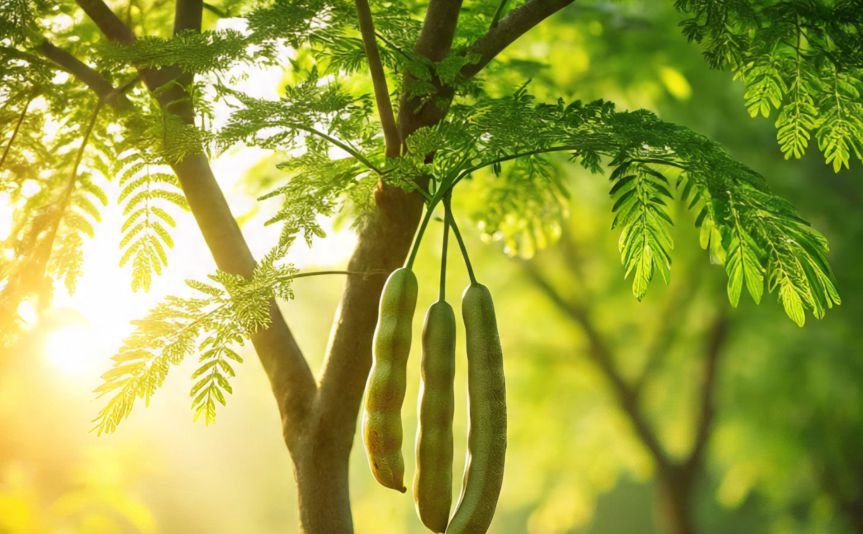
Pods of moringa, often called drumsticks, are commonly used in South Asian cuisine and offer a good source of fiber, vitamins, and minerals.
They can be boiled, stir-fried, or added to curries and soups.
Regularly including pods in meals contributes to balanced nutrition and supports digestive health.
Their versatility in cooking allows for a wide range of flavorful dishes that deliver essential nutrients, complementing a wholesome diet and promoting long-term wellness.
Roots and Bark
The roots and bark have traditional medicinal uses and are valued for their anti-inflammatory and therapeutic properties.
Root powder and bark extracts are typically used in controlled amounts as part of herbal remedies. See moringa bark.
While beneficial, they should be incorporated carefully to avoid overuse.
These parts provide targeted support for wellness practices and have been utilized across cultures for centuries, offering a natural approach to supporting bodily function and promoting overall health. Explore moringa roots here.
Powdered Leaves
Powdered leaves offer a convenient method for adding nutrients to your diet.
You can mix the powder into drinks, soups, sauces, or baked goods without significantly altering flavor.
This form allows easy integration into daily meals while maintaining a steady intake of vitamins, minerals, and antioxidants.
Powdered leaves provide a practical solution for busy lifestyles, ensuring consistent consumption and helping to support energy, immunity, and general wellness naturally.
Capsules
Moringa capsules provide a convenient, pre-measured way to include the plant’s nutrients in a busy schedule.
They deliver consistent doses of protein, vitamins, and minerals without requiring preparation or cooking.
Daily intake supports energy, immune function, and general wellness efficiently.
Capsules are ideal for travelers or those with a hectic routine who want the benefits of natural supplementation.
Regular use allows for a predictable and controlled approach to maintaining nutrient levels while supporting overall health.
Tea
Tea made from dried or fresh leaves offers a soothing, nutrient-rich beverage.
It supplies antioxidants, vitamins, and minerals while supporting hydration and gentle energy.
Drinking this herbal infusion can be a relaxing addition to morning or evening routines, helping to incorporate plant-based nutrition into daily life without complex preparation.
Its mild flavor allows pairing with honey or other natural sweeteners.
Tea offers a practical and enjoyable method for accessing the nutritional benefits of the leaves.
Oil and Extracts
Oil extracted from the seeds and concentrated extracts are popular for culinary, skincare, and haircare applications.
The oil’s moisturizing and antioxidant properties make it a natural ingredient in dressings, cooking, or topical routines, supporting skin and hair health.
Extracts are often used in lotions, creams, or serums, delivering bioactive compounds directly to the body.
These forms expand the plant’s versatility, allowing you to enjoy its nutritional and therapeutic benefits beyond diet and in everyday self-care practices. Get deeper insight into moringa oil.
Concentrates
Concentrates from moringa provide a highly potent source of vitamins, minerals, and antioxidants in small, easy-to-use servings.
They can be added to smoothies, health shots, or beverages for maximum nutritional impact in minimal time.
Ideal for individuals seeking an efficient way to meet daily nutrient needs, concentrates allow for consistent supplementation while maintaining a convenient routine.
Their dense nutrient profile supports energy, immunity, and overall wellness, making them a practical option for integrating concentrated plant-based nutrition into modern lifestyles.
Using Moringa
Using moringa in your daily routine is simple and flexible.
You can add powdered leaves to smoothies, juices, or protein shakes to give your body protein, vitamins, and antioxidants while keeping flavors balanced.
Stir the powder into soups, stews, sauces, or grains near the end of cooking to preserve nutrients and boost the nutritional value of meals.
Seeds are a crunchy snack rich in healthy fats, minerals, and antioxidants.
You can eat them raw, roasted, or mix them into salads and baked dishes for added texture and nutrition.
Brewing dried leaves as tea creates a calming, nutrient-rich drink that supports hydration and gentle energy.
Seed oil can be used in cooking, drizzled over meals, or applied to skin and hair for nourishment.
These methods let you enjoy moringa’s benefits in food, drinks, and self-care, helping you support immunity, energy, and overall wellness naturally. Explore more on how moringa is used.
Scientific Studies
Certainly, moringa is a superfood, but researchers are actively studying its effects to see how it can benefit your health.
Its leaves, seeds, and extracts contain nutrients and compounds that may support your body in many ways.
Blood Sugar and Diabetes
Research shows that consuming moringa leaf powder from this plant can help regulate fasting blood sugar levels.
Individuals who included it in their diet experienced measurable improvements, suggesting it may support glucose management naturally when combined with balanced meals.
Its nutrient profile helps stabilize energy, reduce sugar spikes, and maintain metabolic function.
Incorporating small amounts into daily nutrition routines can complement lifestyle strategies aimed at managing blood sugar while providing additional vitamins, minerals, and antioxidants for overall well-being. See how to manage diabetes with moringa.
Anti-Inflammatory Benefits
Extracts from the tree have been studied for their potential to reduce inflammation in the body.
Bioactive compounds in the leaves and seeds interact with inflammatory pathways, helping to ease joint discomfort, mild swelling, and other conditions linked to chronic inflammation.
Regular inclusion in a balanced diet may support overall wellness by calming oxidative stress and promoting cellular health.
These natural compounds provide a plant-based option for maintaining daily comfort and supporting long-term anti-inflammatory effects.
Heart Health and Cholesterol
The leaves and seeds of moringa contribute to cardiovascular wellness by supporting healthy cholesterol and blood circulation.
Flavonoids and polyphenols help reduce oxidative stress and protect heart tissue from damage, enhancing vascular health.
Regular, moderate consumption may complement a diet aimed at maintaining optimal heart function and blood pressure levels.
Integrating these plant-based nutrients into meals or snacks can support the cardiovascular system naturally, while also providing antioxidants, essential minerals, and healthy compounds that contribute to overall well-being and vitality.
Nutritional Support
Clinical studies found on Healthline indicate that the green leaves of moringa are rich in vitamins, minerals, and essential amino acids.
Adding them to meals can help address nutrient gaps, support energy metabolism, and enhance general health, especially when daily diets lack sufficient plant-based nutrients.
Regular consumption contributes to immune function, cognitive support, and overall vitality.
Incorporating the leaves, seeds, or powders into smoothies, soups, or snacks provides a practical way to access dense nutrition without major dietary changes, supporting long-term health goals naturally.
Research Limitations
Many studies on this plant have small sample sizes or are conducted on animals, meaning results may not fully translate to humans.
While preliminary findings are promising, larger trials are needed to confirm the effects.
It’s important to use the leaves, seeds, or powders thoughtfully as part of a balanced diet.
Understanding that scientific research is still uncovering the full potential of these compounds helps users integrate them safely and effectively into daily nutrition while maintaining realistic expectations.
Global Research Interest
Universities and research institutions across Africa, Asia, and other regions are studying the plant for its health, nutrition, and therapeutic potential.
This growing interest emphasizes its versatility as a nutrient source and highlights the importance of ongoing research to determine safe doses, optimal forms, and long-term effects.
As studies continue, the findings help inform practical applications for daily wellness, supporting energy, immunity, and metabolic health.
Global research underscores the plant’s relevance and encourages further exploration of its benefits. See a dedicated post on moringa laboratory and clinical research.
How Much Moringa at a Time?
Getting the right moringa dosage helps you enjoy its benefits safely.
For powdered leaves, start with one teaspoon a day and gradually increase to three, mixing it into smoothies, soups, or juices to support energy, immunity, and digestion.
Capsules or tablets usually range from 400 to 1,200 milligrams daily, giving a convenient way to maintain consistent intake, especially if you have a busy schedule or travel often.
Moringa tea can be brewed with half to one teaspoon per cup, one to three times a day, offering antioxidants and gentle energy while keeping you hydrated.
For skin and hair, apply one to two milliliters of moringa oil per session, or mix it into lotions and creams to moisturize and nourish.
Always adjust amounts based on your body’s response and consult a healthcare professional if you are pregnant, breastfeeding, or taking medications.
Safe use supports your overall wellness naturally.
Moringa for Specific Groups
The drumstick tree provides targeted nutritional support for different groups.
Its leaves, seeds, and powders are rich in protein, vitamins, minerals, and antioxidants.
Including plant-based nutrition thoughtfully can support growth, immunity, energy, and overall well-being in daily life.
Pregnant Women
Expectant mothers can benefit from the iron, calcium, and folate found in the leaves and extracts of the drumstick tree.
These nutrients help reduce fatigue, support fetal growth, and prevent anemia.
Adding small amounts to meals, smoothies, or soups can meet increased dietary needs safely.
Consulting a healthcare provider ensures proper integration into your prenatal plan and helps you understand the best ways to include nutrient-dense plant foods during pregnancy. See more on how moringa may support pregnancy.
Breastfeeding Mothers
New mothers may gain energy and support milk production through nutrient-rich leaves or mild extracts.
Incorporating these into daily meals replenishes vitamins, minerals, and protein, supporting recovery after childbirth.
Consuming plant-based nutrition regularly can help maintain balanced dietary intake during lactation, ensuring both mother and baby receive essential nutrients.
Combining this with a varied diet enhances overall well-being while keeping meals practical and easy to integrate into your daily routine. See a breakdown of how breastfeeding mothers should approach moringa.
Children
Growing children can benefit from the protein, vitamins, and minerals in the leaves, seeds, or powdered forms of the drumstick tree. See moringa for children.
These nutrients help strengthen immunity, support healthy development, and promote cognitive function.
You can mix powders or crushed leaves into soups, stews, or smoothies to make meals both nutritious and appealing.
Incorporating plant-based nutrition in small amounts daily supports healthy growth while providing energy and sustaining overall wellness during critical developmental stages.
Older Adults
Older adults can use the antioxidant and anti-inflammatory compounds in the leaves and seeds to support heart health, joint mobility, and overall vitality.
Regular, moderate consumption can complement a balanced diet aimed at maintaining resilience in later years.
Including nutrient-dense plant-based ingredients helps protect against age-related decline and supports daily energy levels, mental clarity, and immune function.
Integrating these foods into meals or beverages provides practical ways to maintain long-term wellness naturally.
Athletes and Active Individuals
People with active lifestyles can benefit from the protein, minerals, and vitamins in the leaves, powders, or extracts of the drumstick tree. See moringa for athletes.
Adding these to shakes, smoothies, or post-workout meals helps replenish nutrients lost during exercise, supports muscle recovery, and maintains energy levels.
Regular intake can contribute to endurance and overall performance, while providing antioxidant support.
Integrating plant-based nutrition into daily routines ensures consistent nourishment and sustains optimal physical health for active individuals.
How to Choose High Quality Moringa Products
Choosing high-quality Moringa begins with understanding its benefits and the forms available.
You can find it as powder, capsules, tablets, or tea, each fitting easily into daily routines.
When selecting products, check ingredient lists for purity, favoring organic options grown without pesticides or synthetic fertilizers.
Look for certification labels like USDA Organic or Non-GMO to ensure safety and quality.
Consider sourcing, as leaves from nutrient-rich regions such as India or Africa tend to have higher vitamins and antioxidants.
Fair trade products support ethical farming practices.
Reading customer reviews helps identify reliable brands, while consulting a healthcare professional ensures safe incorporation into your wellness plan.
For more guidance, see the full High-Quality Moringa Products Guide.
Caution and Consideration
Moringa is nutrient-rich, but should be used with awareness and moderation.
Start with small servings of powders, teas, or extracts to let your body adjust, noting energy, digestion, and comfort.
Speak with a healthcare provider before adding Moringa if you have medical conditions, take medications, or are pregnant or breastfeeding.
Avoid roots and bark, which contain stronger compounds that may cause discomfort.
Introduce leaves, capsules, or powders gradually, monitoring for allergies or sensitivities.
Choose high-quality products from reputable brands with clean ingredient lists and certifications.
Stick to recommended dosages to prevent digestive upset, and avoid excessive seed consumption.
Be cautious of potential drug interactions, especially with blood sugar, heart, or thyroid medications.
Children should receive only small amounts, avoiding concentrated forms, to safely gain nutritional benefits.
Careful use ensures wellness without unwanted effects. See a dedicated post on moringa risks and warnings for safety.
Conclusion
Moringa is a nutrient-rich superfood that naturally supports overall wellness, offering vitamins, minerals, protein, and antioxidants.
Its leaves, seeds, flowers, and pods can be added to meals, teas, or smoothies, while oils and extracts enhance skin and hair care routines.
Regular inclusion may promote energy, immunity, digestion, heart health, and cognitive function.
People of all ages, from children to older adults, as well as active individuals, can benefit from its plant-based nutrients.
Understanding dosage, forms, and preparation methods helps you integrate moringa safely and effectively.
By choosing high-quality products and incorporating them thoughtfully into daily life, you can enjoy the versatile health advantages of this remarkable plant.
Frequently Asked Questions
Is moringa safe?
Moringa is generally safe for most adults when taken in recommended amounts. Pregnant or nursing women, or people on medication, should consult a healthcare professional before use.
How fast does it work?
Effects vary depending on dosage, form, and individual health. Some notice increased energy and improved digestion within days, while nutrient benefits may take weeks of consistent use.
Which part of the plant is most nutritious?
Moringa leaves are the most nutrient-dense, packed with vitamins A, C, E, calcium, potassium, and protein, while seeds, pods, and roots provide additional antioxidants and minerals.
Can you take moringa every day?
Yes, daily intake is generally safe for adults if following the recommended doses. Overconsumption may cause digestive discomfort, so start small and monitor your body’s response.
Can moringa cure…?
Moringa supports overall wellness but is not a cure for diseases. It can complement a healthy lifestyle, but medical treatment should never be replaced by supplements.