
Last updated on September 15th, 2026 at 11:26 am
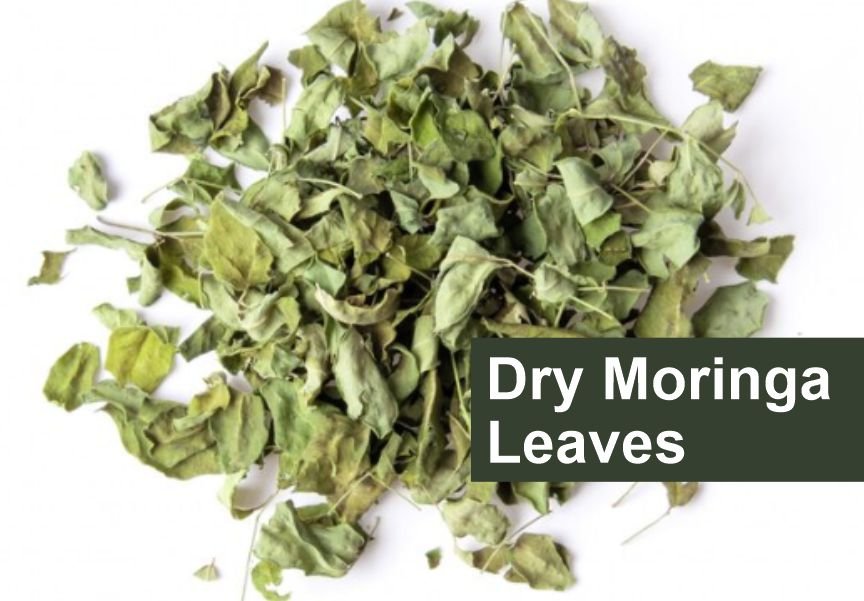
Drying moringa leaves has been part of how I use this plant since long before I found it described in any guide. This guide covers five specific, real drying methods and what genuinely happens to the nutrients each time.
Fresh moringa leaves spoil quickly, and drying is simply the practical way to use more than you can eat at once.
Preservation was never a technique I learned from a guide; it came from working with a plant that genuinely produces faster than any household can use fresh.
This page covers five real drying methods: air drying, dehydrator, air fryer, oven, and microwave, each with specific times and temperatures.
Vitamin C drops noticeably with drying, while protein actually becomes more concentrated per gram.
Proper storage and a few common practical mistakes to avoid round out the rest of this guide.
Medical Disclaimer: This article is for informational purposes only and does not replace professional medical advice. Consult a qualified healthcare professional before using herbs or supplements.
Table of Contents
Why Dry Moringa Leaves
Drying extends fresh leaves into a shelf-stable supply that lasts for months rather than days.
It works for tea, powder, soups, and general cooking, without needing refrigeration.
A 2018 study in Food Science & Nutrition found freeze-drying preserved the most nutrients, followed by air drying, then sun drying, with oven drying losing the most.
Research summarized by ECHO found oven drying at typical temperatures reduced vitamin C by as much as 60% compared to shade drying.
Vitamin C oxidizes rapidly when exposed to heat and air, which explains the loss.
That same research notes drying actually concentrates other nutrients, like minerals and protein, simply because removing water increases their share of the remaining dry weight.
Full nutrient comparisons between fresh and dried leaves are in our guide to moringa leaves.
Air Drying (No Equipment Needed)
Harvest fresh leaves, rinse them lightly, and drain off excess water completely.
Remove the stems, then spread the leaves in a thin layer on a clean tray or mesh rack.
Place them in a shaded, well-ventilated spot, away from direct sunlight, which protects chlorophyll and vitamins.
A comparative study on drying methods found shade-dried leaves retained more vitamin C and beta-carotene than leaves oven-dried at 70 degrees Celsius.
Turn the leaves once or twice daily, since good airflow prevents moisture buildup and mold.
Drying usually takes two to four days, depending on humidity, until the leaves feel crisp and crumbly.
Dehydrator Drying
Wash the leaves and remove thick stems, then spread them in a single layer on the trays for even airflow.
Set the temperature between 40 and 50 degrees Celsius to protect nutrients and keep the green color intact.
A 2023 study in Jurnal Agritechno found that drying at 40 degrees Celsius retained more vitamin C than drying at higher oven temperatures.
Drying takes roughly two to four hours; the leaves are ready when they crumble easily but still look green, not brown.
Let them cool completely before storing in airtight jars or sealed bags.
Air Fryer Drying
Wash the leaves, remove the stems, and place them in the basket lined with parchment paper to prevent sticking.
Set the air fryer to its lowest temperature, usually 40 to 60 degrees Celsius, to avoid scorching.
Drying takes about 20 to 40 minutes; shake the basket gently every 5 to 10 minutes so the leaves dry evenly.
Watch closely near the end, since air fryers heat faster than expected, and cool the leaves fully before storing.
Oven Drying
Wash the leaves, remove the stems, and spread them evenly on a baking tray without overlapping.
Set the oven to its lowest temperature and keep the door slightly open, which lets moisture escape instead of steaming the leaves.
Drying takes one to two hours depending on thickness, and turning the leaves every 20 to 30 minutes prevents uneven browning.
Once crisp and easily crumbled, cool them fully before storing in an airtight container.
Microwave Drying
This is the fastest method, best suited to small batches that need close attention.
Place a small handful of clean leaves between two paper towels to absorb moisture evenly.
Microwave in short 20-second bursts, checking after each one to avoid overheating or scorching.
Repeat until the leaves are dry and crisp but not browned, then cool fully before storing for tea, soups, or grinding into powder.
Using Dried Leaves for Tea or Powder
The drying process is the same whichever end use you have in mind; the difference comes after drying, not during it.
For moringa tea, steep a small amount of dried leaves in hot water for five to ten minutes, then strain before drinking.
For moringa powder, grind the fully dried leaves in a blender or with a mortar and pestle until fine, then sieve for a smoother texture.
Store either form in an airtight container, away from heat, light, and moisture.
Tips for Best Results
High heat damages vitamins and turns leaves brown rather than crisp; stop drying as soon as they crumble easily.
Dry leaves in thin layers with good airflow to prevent mold, and store only fully dried leaves to keep moisture and pests out.
Air drying takes two to four days, while dehydrators work best around 40 to 50 degrees Celsius for two to four hours.
Ovens and air fryers finish fastest, both working best at their lowest available heat setting.
For dosing guidance once your leaves are dried, see the dosage guide; for who should take extra care, see warnings and risks.
Conclusion
Drying moringa leaves genuinely turns a fast-spoiling harvest into a shelf-stable supply that lasts for months.
Air drying needs no equipment at all, while a dehydrator, oven, air fryer, or microwave each trade convenience for speed.
Vitamin C drops noticeably during drying, though protein and minerals remain well preserved, an honest trade-off worth knowing.
Whichever method you choose, low heat, good airflow, and airtight storage protect both flavor and nutrients.
Start with young, tender leaves, watch closely near the end, and store finished leaves away from heat, light, and moisture.
Frequently Asked Questions
How long do dried moringa leaves last?
Stored in an airtight container away from heat and light, dried moringa leaves generally last 6 to 12 months while retaining most of their nutrients well overall.
Can I dry moringa leaves in direct sunlight?
It works, but direct sun fades color and reduces nutrient content faster than shade, so a shaded, airy spot generally gives much better results every single time.
Is dried moringa powder as nutritious as fresh leaves?
Not identically: vitamin C drops noticeably with drying, while protein becomes more concentrated per gram, so the two are different, not simply better or worse either genuinely overall.
Can moringa stems be used for tea or powder?
Stems work in a pinch, but they are fibrous with less flavor, so using only the leaves gives noticeably better taste and nutrient content overall each single time.

Chims Clements writes about herbs from personal experience and careful research. Growing up in Aba, Nigeria, moringa and tamarind were everyday household plants long before they became globally recognised superfoods. He uses both regularly in his home today. At Six Herbs he goes deep on moringa, tamarind, fenugreek, and sea moss — building honest, experience-backed content that separates what tradition knows from what science confirms. The content on this site is for informational purposes only and is not medical advice. Always consult a healthcare provider before using herbs medicinally.