
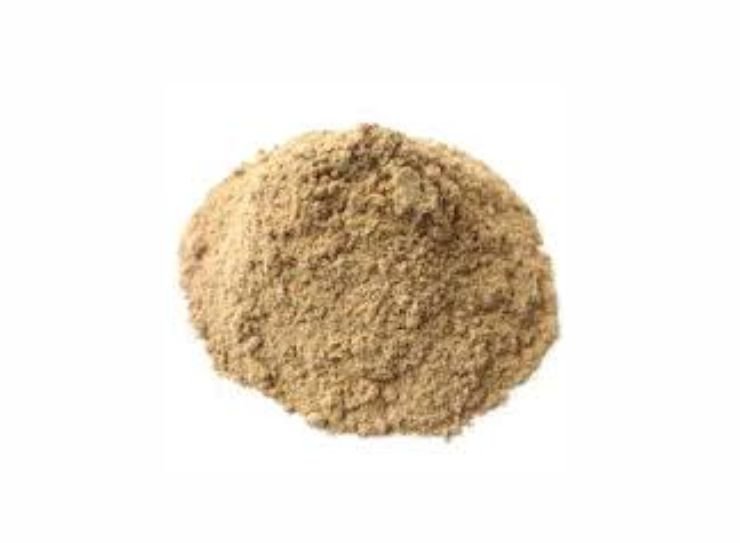
Moringa bark powder provides natural antioxidants and nutrients, supporting digestion, immunity, and wellness, but it must be used with care.
Moringa bark, valued for centuries in traditional medicine, is known for its digestive, anti-inflammatory, and wellness-supporting properties.
Turning this bark into a powder creates a concentrated, versatile form that makes it easier to incorporate into daily routines.
Moringa bark powder retains key antioxidants, minerals, and bioactive compounds, providing a practical way to enjoy its benefits in teas, smoothies, soups, or capsules.
This powdered form simplifies preparation, allowing for consistent intake while preserving its natural potency.
In this guide, readers will discover the health benefits of moringa bark powder, learn how to use it safely, explore practical applications, and understand precautions to ensure effective and responsible consumption for overall well-being.
Explore everything about moringa here.
Table of Contents
What is Moringa Bark Powder?
Moringa bark powder is the finely ground form of the Moringa oleifera tree’s bark, retaining its natural antioxidants, minerals, and bioactive compounds.
This concentrated powder allows easy incorporation into teas, smoothies, soups, or capsules, providing digestive, anti-inflammatory, and wellness-supporting benefits.
Its powdered form ensures consistent intake while simplifying preparation and preserving the bark’s therapeutic properties for safe, practical use.
Key Bioactive Compounds in Moringa Bark Powder
Moringa bark powder preserves active compounds in a convenient form, making it easier to benefit from its natural health properties.
These phytochemicals support digestion, inflammation management, and overall wellness.
Alkaloids
Alkaloids in moringa bark powder contribute to digestive support, blood sugar regulation, and mild pain relief.
Powdering the bark ensures consistent intake of these compounds, allowing steady incorporation into teas, smoothies, or supplements for daily health benefits.
Tannins
Tannins provide anti-inflammatory and antimicrobial properties, helping manage minor digestive issues and supporting gut health.
In powder form, they remain stable, allowing convenient use in beverages or meals while preserving their natural protective effects.
Antioxidants
Moringa bark powder retains antioxidants such as quercetin and chlorophyll, which combat oxidative stress and free radicals.
Regular consumption supports immunity, tissue repair, and overall wellness, making powdered bark a potent source of these protective plant compounds.
How to Make Moringa Bark Powder
Moringa bark powder can be prepared at home to retain its natural nutrients, antioxidants, and bioactive compounds.
Proper preparation ensures safe use, optimal potency, and easy integration into teas, smoothies, or herbal remedies.
Cleaning and Selecting the Bark
Select mature moringa branches with firm, healthy bark. Remove debris, dirt, and any damaged outer layers, washing the bark thoroughly.
To get a pure and potent powder, take extra effort to clean.
Clean bark prevents contamination and preserves the quality of the powder, setting a strong foundation for safe, effective herbal preparation.
Drying the Bark
Cut the cleaned bark into small pieces and dry in a shaded, ventilated area or use a dehydrator.
To have a final potent powder, avoid direct sunlight to protect antioxidants and phytochemicals while reducing moisture and preventing mold.
Even drying ensures consistent texture and long-term stability of the powder.
Grinding into Powder
Once fully dried, crush or grind the bark using a mortar and pestle, spice grinder, or food processor until smooth.
Fine powder allows easy mixing into beverages, capsules, or culinary preparations while retaining nutrients and plant compounds effectively.
Storing the Powder
Store moringa bark powder in an airtight container, away from heat, light, and moisture.
Proper storage preserves antioxidants, tannins, and alkaloids, extending shelf life and maintaining potency for months, making it ready for daily or occasional use in wellness routines.
Tips for Safe Preparation
Small batches are easier to manage and reduce spoilage risk.
Using clean tools and maintaining hygiene ensures safe consumption, allowing the powder to support digestion, immunity, and anti-inflammatory benefits without compromising safety or quality.
Related Posts
Moringa Bark Extracts: Uses and Risks
Potential Health Benefits of Moringa Bark Powder
This powdered form provides a concentrated source of bioactive compounds that may support overall wellness.
Adding it to teas, smoothies, or herbal remedies introduces natural support for digestion, immunity, circulation, and inflammation management.
Anti-Inflammatory and Antimicrobial Effects
The powder contains tannins, saponins, and flavonoids that help reduce inflammation while offering mild antimicrobial properties.
Regular use may soothe joint discomfort, manage minor swelling, and support natural defense against bacteria, enhancing overall body balance through a plant-based approach.
Digestive and Circulatory Support
Alkaloids and fiber contribute to healthy digestion, reducing bloating and promoting regular bowel movements.
Minerals like potassium and magnesium also support circulation, helping maintain healthy blood pressure and proper cardiovascular function when incorporated thoughtfully into daily routines.
Immune System Support
Rich in antioxidants, vitamins, and plant compounds, this preparation is valued in traditional herbal practices for strengthening immunity.
Regular intake in measured amounts may support the body’s natural defense mechanisms, reduce oxidative stress, and contribute to overall resilience and wellness.
Culinary and Practical Uses of Moringa Bark Powder
Moringa bark powder can be incorporated into daily routines in simple, practical ways.
Its mild bitterness and concentrated nutrients make it ideal for herbal teas, wellness drinks, and selective culinary applications, offering both flavor and functional benefits.
Herbal Teas and Infusions
Powdered bark blends smoothly into warm water or herbal infusions, releasing antioxidants and plant compounds that may support digestion and immunity.
Combining it with ginger, cloves, or lemon enhances taste while maintaining therapeutic benefits, making herbal teas both flavorful and functional. Consistent use allows steady intake of its natural compounds.
Powders in Functional Foods or Wellness Routines
Incorporating the powder into smoothies, soups, or wellness shakes adds minerals, alkaloids, and antioxidants without significant preparation.
It complements other herbal powders like moringa leaf or flower powder, providing nutritional diversity.
Measured use ensures health benefits without overwhelming flavor, making it easy to include in balanced routines.
Limited Culinary Applications Due to Taste
The naturally bitter and woody notes of the powder can limit its use in standard cooking.
It is best used in small amounts, mixed with sweeteners, spices, or savory dishes, where its medicinal value can be enjoyed without dominating the flavor profile.
Creative combinations maximize both taste and health benefits.
How to Use Moringa Bark Powder Safely
Moringa bark powder provides concentrated nutrients and plant compounds, but careful use is important to avoid adverse effects.
Understanding safe dosages, preparation methods, and vulnerable groups ensures benefits without unnecessary risks.
Recommended Daily Intake and Dosages
Moderation is key when using moringa bark powder. Typical servings range from half a teaspoon to one teaspoon daily, allowing gradual absorption of antioxidants, alkaloids, and minerals.
Following guidelines from herbal practitioners or product labels helps prevent digestive discomfort or overstimulation while supporting overall wellness.
Methods of Consumption for Maximum Safety
The powder can be added to teas, warm water, smoothies, or blended into foods for gentle intake.
Preparing it in decoctions or infusions helps release bioactive compounds while reducing bitterness.
Small, measured amounts taken consistently maintain safety while preserving the nutritional and therapeutic properties of the powder.
Who Should Avoid or Limit Use
Pregnant and breastfeeding individuals should avoid moringa bark powder due to potential uterine-stimulating effects.
Children, people with sensitive stomachs, or those with low blood pressure may also experience adverse reactions, so consultation with a healthcare provider or herbalist is recommended before use.
Moringa Bark Powder vs Other Moringa Powders
Moringa powders from different parts of the tree offer distinct nutrients and plant compounds.
Comparing bark, leaves, pods, flowers, and roots helps identify which form best suits dietary needs, wellness routines, and safe daily use.
Moringa Bark Powder Compared to Leaf Powder
Moringa bark powder provides higher concentrations of tannins and specific alkaloids, supporting digestion and inflammation management.
Leaf powder is richer in proteins, vitamins A, C, and iron, making it better for general nutrition.
Bark powder is best for targeted wellness, while leaf powder supports overall health and daily nutrient intake.
Moringa Bark Powder Compared to Pod Powder
Pod powder contains more fiber, potassium, and vitamin C, making it gentle on digestion and suitable for soups or stews.
Bark powder, with its antimicrobial and anti-inflammatory compounds, works more effectively in teas, infusions, and medicinal blends.
Pod powder is ideal for regular culinary use, while bark powder focuses on therapeutic effects.
Moringa Bark Powder Compared to Flower Powder
Flower powder is rich in antioxidants, flavonoids, and delicate nutrients, offering immune support and skin health benefits.
Bark powder, on the other hand, emphasizes digestive, circulatory, and anti-inflammatory support.
Flower powder integrates easily into teas and light meals, while bark powder excels in decoctions, capsules, and functional supplements.
Moringa Bark Powder Compared to Root Powder
Root powder contains potent alkaloids and compounds that may require caution due to potential toxicity in excess.
Bark powder provides safer internal and external applications, supporting digestion, inflammation, and circulation.
Root powder is often used sparingly for detox or targeted remedies, whereas bark powder can be incorporated more steadily into wellness routines.
Side Effects and Precautions
Moringa bark powder provides nutrients and plant compounds, but safe use requires attention.
Being aware of potential reactions, dosage limits, and interactions with medications or health conditions ensures benefits without harm.
Digestive or Systemic Effects
Excessive intake of moringa bark powder can irritate the digestive system, causing nausea, stomach cramps, or diarrhea.
Alkaloids and tannins may affect sensitive individuals more strongly.
Starting with small amounts in teas, smoothies, or meals allows the body to adjust gradually and helps reduce gastrointestinal discomfort.
Risks of Overconsumption
Consuming large quantities may strain the liver or kidneys and disrupt blood pressure or blood sugar levels.
Overuse can lead to dizziness, weakness, or fatigue.
Maintaining moderate portions and following recommended dosages helps enjoy its benefits safely without risking systemic effects.
Interaction with Medications or Health Conditions
Certain compounds in moringa bark powder may interact with prescription medications, including blood pressure, diabetes, or anticoagulant treatments.
Individuals with chronic illnesses or sensitive conditions should consult healthcare professionals before regular use to prevent adverse reactions and ensure safe integration into wellness routines.
Frequently Asked Questions
Can moringa bark powder replace raw bark?
Moringa bark powder provides the same beneficial compounds as raw bark in a convenient form, allowing easier use in teas, smoothies, or herbal preparations safely.
Is it safe to consume moringa bark powder daily?
Moderate daily intake of moringa bark powder is generally safe for most adults, but excessive amounts may cause digestive discomfort or interact with medications.
Can moringa bark powder be mixed with foods or drinks?
Yes, moringa bark powder blends well into teas, smoothies, soups, or warm drinks, providing nutrients and antioxidants without drastically altering flavors.
How long does moringa bark powder stay potent after opening?
Stored in an airtight container away from sunlight and moisture, moringa bark powder maintains potency for up to 12 months, preserving nutrients and bioactive compounds.

Chims Clements writes about herbs from personal experience and careful research. Growing up in Aba, Nigeria, moringa and tamarind were everyday household plants long before they became globally recognised superfoods. He uses both regularly in his home today. At Six Herbs he goes deep on moringa, tamarind, fenugreek, and sea moss — building honest, experience-backed content that separates what tradition knows from what science confirms. The content on this site is for informational purposes only and is not medical advice. Always consult a healthcare provider before using herbs medicinally.