
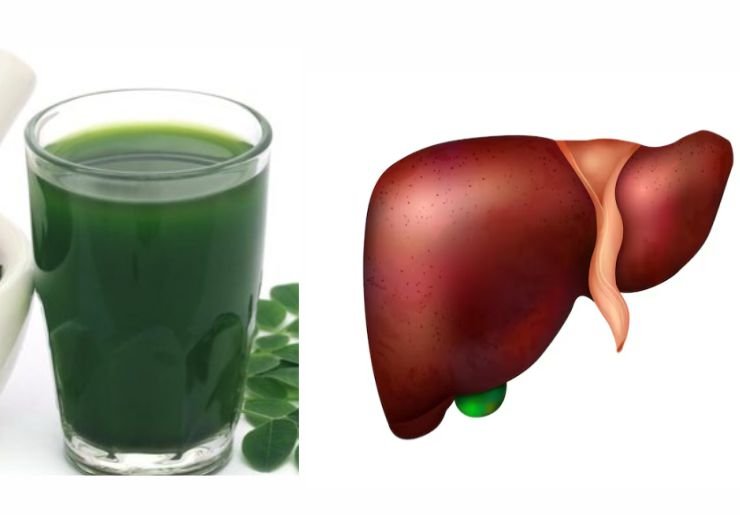
Moringa for liver health and detox supports your body’s natural cleansing process, helping protect liver cells while promoting better digestion, energy, and balance.
Daily habits place constant pressure on your liver, from processed foods and alcohol to environmental toxins and medications.
Strong liver function supports digestion, metabolism, and natural detoxification, helping your body remove waste efficiently.
Adding moringa forms to meals or drinks introduces plant compounds, antioxidants, vitamins, and minerals that support liver cells and promote balanced detox pathways.
Nutrients present in moringa also assist bile production, improve fat metabolism, and help control inflammation linked to liver stress.
Simple additions such as moringa tea, powder in smoothies, or fresh leaves in soups allow steady intake of these protective nutrients.
Small dietary changes can support liver health, maintain energy levels, and help your body manage everyday toxic load naturally.
How I Approach Writing About Moringa and Liver Health — Chims Clements
Moringa is the herb I use most consistently — in meals, in powder, occasionally as tea. I do not use it specifically for liver health, and I make no claim that it treated or improved anything in my body.
What I bring to this article is careful research, a genuine daily relationship with the plant, and the habit of separating what studies actually show from what wellness sites often overstate. That distinction matters most on a topic as serious as liver health.
Table of Contents
The Liver and Its Detox Functions
Your liver performs constant work to keep your body balanced, filtering toxins, processing nutrients, and supporting digestion.
Healthy liver function helps maintain energy, metabolism, and internal cleansing every day.
What the Liver Does in the Body
Inside your body, the liver acts as a powerful filter, cleaning the blood and breaking down toxins from food, alcohol, and environmental chemicals.
Nutrients from digestion pass through this organ for processing and storage.
The liver also produces bile, a digestive fluid that helps break down fats, supports nutrient absorption, and keeps digestion moving efficiently.
Filtering Toxins From Blood
Every minute, blood passes through the liver where harmful substances are neutralized or prepared for removal.
Alcohol byproducts, pollutants, and metabolic waste are converted into safer compounds.
Healthy liver detox pathways help your body remove these toxins through bile, urine, and stool, protecting cells and maintaining internal balance.
Processing Nutrients and Medications
After food enters the digestive system, nutrients reach the liver for sorting and distribution.
Vitamins, minerals, fats, and sugars are stored, converted, or released when needed for energy.
Medications are also broken down here, helping your body use them safely while preventing harmful buildup in the bloodstream.
Producing Bile for Digestion
Bile produced by the liver supports fat digestion and nutrient absorption in the small intestine.
Proper bile flow helps your body break down dietary fats, absorb fat-soluble vitamins, and remove waste products.
Balanced bile production also supports gut health and smooth digestive function.
Posts You May Love
How to Use Moringa for Metabolism
Moringa for Hypertension: Everything to Know
Moringa Liver Detox Benefits
Moringa supports liver detox by promoting clean liver function, helping your body remove toxins efficiently, supporting healthy digestion, and maintaining balanced metabolism for overall wellness.
Supporting Clean Liver Function
Liver enzymes break down chemicals, metabolic waste, and environmental pollutants.
Nutrients in moringa help these enzymes work efficiently, ensuring toxins are safely processed and eliminated through bile, urine, and stool, keeping your liver functioning optimally.
Assisting Toxin Elimination
Antioxidants in moringa, including flavonoids and polyphenols, help neutralize harmful compounds from pollutants, processed foods, and alcohol byproducts.
This reduces oxidative stress and allows your liver to filter blood effectively.
Promoting Healthy Digestion and Bile Flow
Bile supports fat breakdown and waste removal. Moringa nutrients aid bile production, improve nutrient absorption, and maintain digestive balance, helping your liver cleanse the body naturally and efficiently.
Signs Your Liver May Need Support
According to Max Healthcare, when this organ becomes overworked, certain signals may appear.
Paying attention to these signs helps you recognize when dietary support, hydration, and nutrient-rich foods such as moringa may benefit your liver health.
Fatigue and Low Energy
Persistent tiredness may reflect poor detox function. When the liver struggles to process toxins and metabolic waste, energy production may slow.
Supporting liver health through nutrient-rich foods and proper hydration can help restore metabolic balance and improve daily energy levels.
Digestive Discomfort
Digestive upset, such as nausea, heaviness after meals, or irregular digestion, can occur when bile production or fat metabolism becomes inefficient.
Supporting liver function helps improve bile flow, allowing your digestive system to process fats and nutrients more smoothly.
Skin Issues
Skin changes may appear when toxins accumulate faster than the liver can remove them.
Acne, dull complexion, or irritation sometimes reflect an internal detox imbalance. Improving liver health supports toxin elimination and contributes to clearer, healthier-looking skin.
Bloating or Sluggish Metabolism
Bloating and slow metabolism may signal reduced bile flow or inefficient nutrient processing.
A well-supported liver helps regulate digestion, metabolic balance, and fat breakdown, allowing your body to process food efficiently while maintaining comfortable digestion and steady energy.
How Moringa Supports Liver Health
Several biological actions explain why moringa supports liver health.
Antioxidants protect cells, plant nutrients assist detox pathways, and metabolic support reduces fat buildup.
Together, these effects help your liver process toxins, regulate cholesterol, and maintain balanced digestion and energy.
Protecting Liver Cells from Damage
Antioxidants in moringa help shield liver cells from damage linked to toxins, alcohol byproducts, and metabolic waste.
These protective compounds reduce oxidative stress inside liver tissue, allowing cells to function efficiently while maintaining the organ’s ability to filter blood and remove harmful substances.
Supporting Natural Detox Pathways
Detox processes in the liver rely on enzymes that transform toxins into compounds the body can remove through bile, urine, and stool.
Nutrients in moringa assist these pathways by supporting enzyme activity, helping your body manage chemical exposure from food additives, medications, and environmental pollutants.
Reducing Fat Accumulation in the Liver
Excess fat in liver tissue can slow detoxification and metabolism.
Plant nutrients in moringa help support fat metabolism and energy balance, assisting the body in processing dietary fats more efficiently and reducing the risk of fatty liver buildup associated with a poor diet or metabolic imbalance.
Helping Regulate Cholesterol and Metabolism
Balanced cholesterol levels reduce stress placed on the liver during fat processing.
Compounds found in moringa help regulate lipid metabolism, supporting a healthier cholesterol balance.
Improved fat transport and metabolism allow the liver to perform detox work more efficiently while maintaining steady energy production throughout the day.
Best Ways to Use Moringa for Liver Health
Moringa can be added to your routine in simple ways that support liver function, digestion, and natural detox.
Moringa Powder
Moringa powder blends easily into smoothies, juices, and warm drinks, making daily intake simple.
Mixing a small spoon into fruit smoothies, yogurt, or vegetable juices provides antioxidants, vitamins, and minerals that support liver detox pathways, assist metabolism, and protect liver cells from oxidative stress linked to toxins and processed foods.
Moringa Tea
Forms of moringa tea offer a gentle way to support daily detox and hydration.
Steeping dried leaves in hot water releases plant nutrients and antioxidants that assist liver cleansing, digestion, and bile production.
Drinking this herbal tea regularly supports metabolic balance and helps your body process toxins through natural detox pathways.
Fresh Moringa Leaves
Fresh moringa leaves can be cooked into soups, stews, and vegetable dishes, adding nutrients that support liver health and digestion.
Including these leaves in meals supplies fiber, antioxidants, and minerals that assist detox processes, improve nutrient absorption, and support healthy metabolism during everyday eating habits.
Moringa Capsules or Supplements
Capsules and supplements provide a convenient option when fresh leaves or powder are unavailable.
Standardized moringa extracts deliver concentrated nutrients that support liver detox, metabolic health, and antioxidant protection.
Regular intake following recommended doses helps maintain steady nutrient levels that assist natural cleansing and liver function.
Medical Disclaimer: This article is for informational purposes only and does not replace professional medical advice. Consult a qualified healthcare professional before using herbs or supplements.
How Much Moringa to Take for Liver Support
Moringa can support liver health when taken in moderate, consistent amounts.
For adults, a common starting intake is about 1 teaspoon of moringa powder daily, mixed into smoothies, tea, or food.
After a few days, intake may gradually increase to 1–2 teaspoons per day, depending on tolerance and dietary needs.
Capsules or supplements usually provide 500–1000 mg per serving, with many adults taking one to two servings daily according to product directions.
Fresh moringa leaves can also be included in soups, stews, or salads several times a week.
Starting with smaller amounts allows your body to adjust while supporting digestion and detox pathways.
Consistent intake, balanced meals, hydration, and reduced alcohol or processed foods help your liver function more efficiently and maintain natural detox activity. More on moringa dosage.
Who May Benefit Most from Moringa for Liver Health
Certain lifestyle factors can place extra pressure on the liver, affecting detoxification, digestion, and metabolism.
Here are people who may benefit most from moringa detox:
People with High Toxin Exposure
Daily exposure to air pollution, household chemicals, pesticides, and processed foods can increase the toxin load your liver must process.
Nutrients and antioxidants found in moringa support liver detox enzymes, helping the body filter harmful compounds from the bloodstream and maintain healthier cellular protection against environmental stress.
Individuals with Poor Diet or Digestive Issues
Heavy meals, excess sugar, fried foods, and irregular eating habits may slow digestion and increase pressure on liver metabolism.
Nutrients present in moringa help support digestive balance, assist bile production, and contribute to improved nutrient absorption, helping your body manage fats and metabolic waste more efficiently.
Those Seeking Natural Detox Support
Many people look for natural ways to support internal cleansing and metabolic balance.
Plant compounds, antioxidants, and vitamins in moringa support liver cells, assist detox pathways, and promote healthier digestion.
Adding moringa tea, powder, or fresh leaves to meals provides a simple way to support daily liver wellness.
Side Effects and Precautions When Taking Moringa for Liver Health
Moringa can support liver function and detox pathways, yet responsible use matters.
Proper intake helps avoid digestive discomfort, potential medication interactions, and other concerns that may arise with excessive consumption or certain health conditions.
Overconsumption Risks
Taking large amounts of moringa powder, seeds, or concentrated extracts may lead to digestive discomfort such as nausea, stomach cramps, or loose stool.
Moderation supports better absorption of nutrients while preventing unnecessary strain on digestion and metabolism.
Gradual intake helps your body adapt to moringa’s active plant compounds.
Possible Interactions with Medications
Plant compounds present in moringa may influence how certain medications work in the body.
Blood pressure drugs, diabetes medications, and treatments processed through liver metabolism could interact with high moringa intake.
Careful use and medical advice help prevent unwanted changes in medication effectiveness or metabolic balance.
Who Should Consult a Healthcare Professional
Pregnant women, people with chronic liver conditions, and those taking regular medications may benefit from professional guidance before adding moringa to daily routines.
A healthcare professional can assess current health status, medication use, and dietary habits, helping determine safe intake levels for liver support.
See more on the general side effects of moringa and safety.
Combining Moringa with Other Liver-Friendly Habits
Moringa supports liver health best when paired with healthy lifestyle habits.
Simple daily practices, like hydration, nutrient-rich meals, exercise, and limiting toxins, help your liver detox efficiently and maintain energy.
Drinking Enough Water
Staying hydrated aids the liver in flushing toxins and supports bile flow.
Water helps metabolic waste move efficiently, improving digestion and keeping your body’s natural cleansing processes balanced.
Eating Fiber-Rich Foods
Fiber from vegetables, fruits, and whole grains complements moringa’s benefits by supporting digestion, promoting gut health, and helping the liver manage fat and cholesterol effectively.
Regular Physical Activity
Moderate exercise improves circulation, supports metabolism, and encourages efficient detoxification.
Activity helps maintain a healthy body weight and reduces fat accumulation in the liver.
Reducing Alcohol and Processed Foods
Limiting alcohol and processed foods decreases the liver’s toxic burden.
Combining moringa intake with cleaner eating improves liver function, detox efficiency, and overall metabolic health.
Research that Supports Moringa for Liver Health and Detox
Studies show that moringa supports liver function and detox pathways through antioxidant, anti-inflammatory, and metabolic effects.
Laboratory research demonstrates that moringa leaves and extracts help protect liver cells from oxidative stress caused by toxins, alcohol byproducts, and environmental chemicals.
Animal studies indicate that moringa supplementation can reduce fat accumulation in the liver, support bile production, and improve overall liver enzyme activity, promoting natural detoxification.
Bioactive compounds such as polyphenols, flavonoids, and vitamins help regulate inflammation and support liver repair.
Clinical evidence also suggests moringa may aid in balancing cholesterol and metabolic processes, reducing stress on the liver.
Incorporating moringa in daily meals, teas, powders, or supplements provides a practical, natural approach to support liver health, enhance detoxification, and maintain balanced metabolism over time.
Conclusion
Moringa for liver detox helps your body remove toxins efficiently while protecting liver cells.
Its antioxidants, vitamins, minerals, and plant compounds support bile production, reduce oxidative stress, and improve fat metabolism.
Including moringa powder, tea, fresh leaves, or supplements in meals provides steady nutrient intake.
Combined with hydration, fiber-rich foods, exercise, and limiting alcohol or processed foods, moringa strengthens detox pathways, supports liver resilience, and promotes overall metabolic balance naturally and effectively.
Frequently Asked Questions
How does moringa aid liver detox?
Moringa’s antioxidants and plant compounds support liver enzymes, help neutralize toxins, and promote bile production for efficient natural detoxification.
What is the recommended daily intake for detox support?
Start with 1 teaspoon of moringa powder or 500 mg capsules daily, gradually increasing to 1–2 teaspoons or two capsules for consistent liver detox support.
Can moringa interact with medications during detox?
Moringa may influence medications processed by the liver, including blood pressure or diabetes drugs, so consult a healthcare professional before regular detox use.
Who benefits most from moringa detox support?
People exposed to environmental toxins, processed foods, alcohol, or those seeking natural liver cleansing and improved digestion, gain the most benefit from moringa.

Chims Clements writes about herbs from personal experience and careful research. Growing up in Aba, Nigeria, moringa and tamarind were everyday household plants long before they became globally recognised superfoods. He uses both regularly in his home today. At Six Herbs he goes deep on moringa, tamarind, fenugreek, and sea moss — building honest, experience-backed content that separates what tradition knows from what science confirms. The content on this site is for informational purposes only and is not medical advice. Always consult a healthcare provider before using herbs medicinally.