
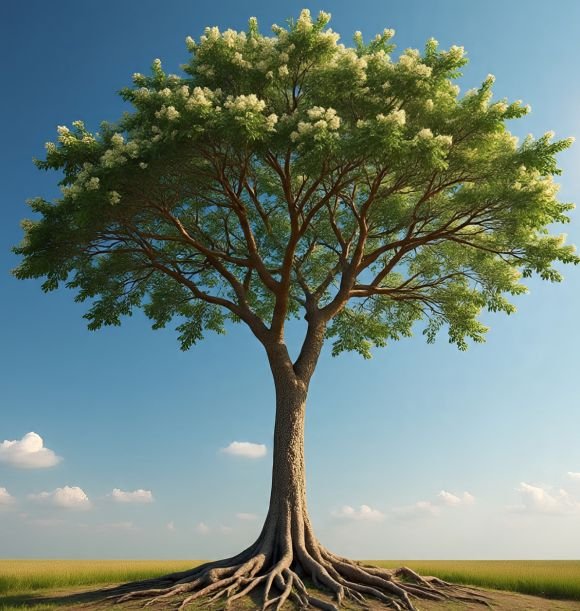
The moringa tree stands tall with nutritious leaves, slender pods, fragrant flowers, resilient growth, ecological adaptability, and wide-ranging health benefits.
The moringa plant, or moringa oleifera, stands out with its bright green feathery leaves, slender trunk, and long drumstick-like pods.
You can find it thriving across tropical and subtropical regions, adapting easily to sandy or loamy soils and varying climates.
Its resilience makes it a reliable source of nutrition and a practical choice for farmers facing drought or humid conditions.
The leaves, seeds, and pods offer vitamins, minerals, and antioxidants that support energy, immunity, and overall wellness.
Communities worldwide use the tree in meals, teas, and traditional remedies, benefiting from both its flavor and health properties.
By including it in your diet or garden, you gain a sustainable, versatile plant that nourishes your body while contributing to local food security. New to moringa, see the moringa beginners’ guide.
Table of Contents
The Moringa Tree
The moringa plant belongs to the family Moringaceae and includes several species.
Each species has distinct traits, offering nutritional and culinary benefits for diets and supplements worldwide.
Knowing the differences is important for choosing the right variety for your needs, whether for cultivation, cooking, or supplementation.
Moringa Oleifera
Moringa oleifera, often called the drumstick tree, grows rapidly up to 10 to 15 meters.
Its finely divided, feathery leaves are rich in vitamins A, C, and E, calcium, iron, and essential amino acids.
You can consume the leaves fresh, cooked, or powdered.
This species supports immunity, digestion, and energy levels, making it the preferred choice for nutritional supplements and health-focused diets across the world.
Moringa Stenopetala
Moringa stenopetala, native to East Africa, grows similarly tall but has broader leaves and larger seed pods.
The leaves are nutrient-rich and commonly used in traditional dishes, adding flavor and health benefits.
The slightly larger seeds provide protein, minerals, and antioxidants, making it a reliable resource in local diets.
This species is valued for both its culinary and nutritional contributions in communities across East Africa.
Moringa Peregrina
Moringa peregrina, found mainly in the Arabian Peninsula, is prized primarily for its oil, which is used in cooking, skincare, and cosmetics.
The tree grows more bushy, and its smaller seeds still contain beneficial nutrients and antioxidants.
While less common than Moringa oleifera, it offers unique applications, particularly for oil extraction, and contributes to local economies through its culinary and cosmetic uses, highlighting its versatility and value.
Physical Characteristics of the Moringa Tree
The moringa plant displays distinctive features that make it easy to identify and highly valued for nutrition, herbal remedies, and sustainable agriculture.
By understanding its size, leaves, flowers, and seed pods, you can recognize the tree, appreciate its growth patterns, and see why it thrives in tropical and subtropical regions while providing nutrition, shade, and ecological benefits.
Height and Trunk
This tree can grow between 10 and 15 meters tall, sometimes taller in ideal conditions.
Its trunk is slender, around 30 centimeters in diameter, with bark ranging from light grey to brown and a rough texture.
The open, rounded canopy allows sunlight to reach the leaves efficiently, supporting photosynthesis.
The trunk provides stability and resilience against wind and rain.
Observing the trunk and canopy helps you select branches for harvesting leaves or seeds safely while identifying a healthy, vigorous tree that can sustain long-term growth in a garden or farm setting.
Leaves and Foliage
Moringa plant has compound, feathery leaves that are composed of many small leaflets arranged along a central stem.
This structure maximizes light absorption and keeps foliage bright green and healthy.
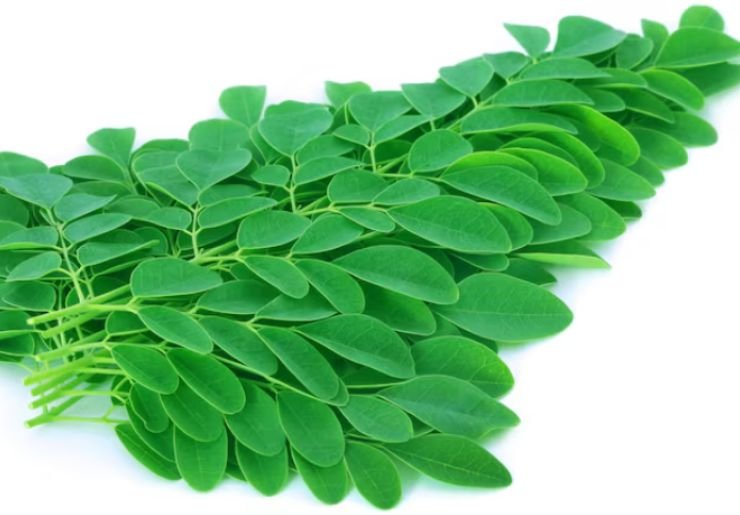
The delicate leaf clusters allow airflow, reducing the risk of disease while supporting growth in humid conditions.
When harvesting or preparing leaves for meals or teas, you can feel their tender texture and appreciate their nutrient density, including vitamins, minerals, and antioxidants.
These characteristics make the foliage highly valuable for health while adding visual appeal to gardens and farms.
Flowers and Pollination
Clusters of small, fragrant flowers bloom, usually white with occasional yellow or purple tones.
The blossoms attract pollinators such as bees and butterflies, essential for seed production and reproduction.
Observing the flowers helps you track the reproductive cycle and anticipate when pods will form.
Their fragrance also adds aesthetic value to gardens and farm environments.
Flowering signals the tree’s readiness to produce seeds, which can be harvested for planting or consumption.
These blooms play a critical role in maintaining healthy populations while supporting biodiversity in the surrounding ecosystem. See more on moringa flowers.
Seed Pods and Seeds
The elongated seed pods of moringa, often called drumsticks, grow between 30 and 60 centimeters.
They turn brown and papery as they mature. Inside, round seeds are encased in thin husks that aid wind dispersal and natural propagation.
The seeds provide nutritional and medicinal benefits and are easy to store for future planting.
By observing the pods, you can identify the best time for harvesting.
Their structure ensures reliable reproduction and supports sustainable cultivation.
These features make the tree a dependable source of seeds for food, planting, and herbal purposes.
Adaptability and Morphology
The combination of slender trunk, feathery leaves, fragrant flowers, and elongated pods allows this tree to thrive in tropical and subtropical soils.
Its physical features support growth, reproduction, and nutrient storage efficiently.
The open canopy and compound leaves optimize photosynthesis, while flowers and pods ensure sustainable propagation.
These characteristics make it a resilient species capable of enduring varied climatic conditions.
By learning these traits, you can cultivate them successfully, harvest leaves and seeds effectively, and understand their value in food security, herbal use, and ecological contribution.
Related Posts
Nutritional Benefits of Moringa
Growing and Cultivating Moringa Trees
Successful cultivation depends on understanding the tree’s environmental needs, soil preferences, and propagation methods.
By learning how to plant, water, and care for the tree, you can enjoy a reliable source of nutritious leaves, seeds, and pods in your garden or farm.
Climate and Sunlight
This tree thrives in warm climates, with temperatures between 25 and 35 degrees Celsius.
It needs at least six hours of direct sunlight each day to grow vigorously.
Choosing a sunny location ensures healthy leaf production, strong stems, and optimal flowering.
Excessive shade can stunt growth and reduce yield.
By observing how the tree responds to light, you can adjust placement or pruning to maximize sunlight exposure and support robust development over time.
Soil Requirements
Well-draining sandy or loamy soil with a pH between 6.0 and 7.0 is ideal for cultivating the moringa plant.
Heavy clay soils may hinder root growth and increase the risk of rot. Amending the soil with organic matter improves nutrient availability and drainage.
Conducting a soil test before planting can help determine necessary adjustments for a fertile growing environment.
Proper soil ensures the roots receive enough oxygen and nutrients to support strong growth, healthy leaves, and abundant seed production while reducing the risk of disease and waterlogging.
Propagation Methods
Propagation of the moringa plant can be done using seeds or cuttings.
Seeds can be sown directly into the soil or started in trays for transplanting.
Soaking seeds for 24 hours before planting improves germination.
Cuttings taken from mature trees, about 30 to 45 centimeters long, can also be planted directly into prepared soil.
Ensuring adequate moisture during the early growth period is critical for both methods.
By selecting the right propagation technique, you can establish healthy young plants that grow quickly and produce leaves, flowers, and pods efficiently for long-term use.
Watering and Maintenance
Regular watering is essential during the first few months, especially in dry periods.
Once established, the tree becomes drought-resistant and requires less frequent watering.
Pruning encourages bushier growth, removes damaged branches, and improves airflow.
Proper pruning also supports leaf production, flowering, and seed pod development.
Observing the tree regularly allows you to identify issues early, such as pests, disease, or nutrient deficiencies.
Consistent care helps ensure that your tree remains healthy, productive, and capable of supplying leaves, seeds, and pods for culinary, nutritional, or medicinal use.
Pruning and Harvesting
Prune moringa regularly to encourage branching and maintain a manageable height.
Harvest leaves frequently for teas, powders, or cooking, taking care not to remove more than one-third of the foliage at a time.
Proper pruning ensures strong growth, nutrient-rich leaves, and a productive plant for ongoing use.
Lifespan and Growth Rate of the Moringa Plant
Understanding how long the tree lives and how quickly it grows helps you plan for harvesting, cultivation, and long-term use.
With proper care, this resilient tree can provide leaves, seeds, and pods for years, making it a valuable addition to your garden or farm.
Typical Lifespan
Under optimal conditions, a tree can live up to 20 years. Its most productive period usually lasts about 10 years for consistent leaf and pod yields.
Longevity depends on climate, soil, pruning practices, and pest control.
By caring for the tree thoughtfully, you can extend its productive years, enjoy steady harvests, and ensure the plant continues contributing nutrition and ecological benefits to your environment.
Early Growth and Height
This tree grows extremely fast during its first year, reaching up to 10-15 meters in ideal conditions.
Young plants respond well to sunlight, water, and nutrient-rich soil.
Fast growth allows you to harvest leaves early while the tree establishes itself.
Regular monitoring ensures branches develop properly, preventing overcrowding and supporting a healthy canopy. You can maximize space and yield by spacing plants correctly and guiding their initial growth.
Factors Affecting Growth Rate
Environmental factors strongly influence growth. Warm climates, well-drained soil, and adequate water support faster development.
Fertilization can enhance leaf production and overall vigor.
Pests, diseases, and poor soil conditions may slow growth, while pruning encourages bushier structures.
Observing your plants helps you adjust care practices and respond to challenges, allowing the tree to reach its potential height and provide high-quality leaves, pods, and seeds for years.
Long-Term Productivity
Even after peak growth, the tree remains resilient and can continue producing leaves and seeds.
Proper care, including pruning and soil maintenance, prolongs productivity.
By understanding the natural growth cycle, you can plan staggered harvesting, ensure sustainable use, and maintain a steady supply of nutrition for personal or community use.
Managing the tree thoughtfully ensures it remains a reliable source of food, medicinal leaves, and ecological benefits throughout its lifespan.
Ecological and Environmental Benefits of the Moringa Plant
Understanding how the tree supports the environment helps you appreciate its broader value beyond nutrition.
From soil health to climate support, its presence can transform gardens, farms, and local ecosystems sustainably.
Soil Enrichment and Fertility
The tree’s leaves are packed with nutrients. When they fall and decompose, they return valuable minerals and organic matter to the soil, improving fertility naturally.
This process nourishes nearby plants, boosts crop productivity, and strengthens the overall ecosystem.
Its deep roots also bring nutrients from lower soil layers to the surface, enriching the soil and making it more resilient for long-term cultivation.
Erosion Prevention and Soil Stability
With its strong root system, the tree anchors soil and reduces erosion caused by wind and rain.
This is especially important in areas prone to land degradation.
By stabilizing the soil, it protects landscapes, maintains agricultural productivity, and supports surrounding vegetation, creating a more secure environment for both plants and wildlife.
Carbon Sequestration and Climate Support
Growing the tree contributes to absorbing carbon dioxide from the atmosphere.
Its leaves, stems, and wood act as natural carbon sinks, helping reduce greenhouse gas levels.
Incorporating the tree in farms and community spaces supports climate mitigation while promoting a healthier environment, making it a simple yet effective tool in sustainability efforts.
Biodiversity and Agroforestry Benefits
Integrating the tree into farms or gardens creates microhabitats for birds, insects, and beneficial wildlife.
Its shade moderates temperatures, supports pollinators, and encourages crop growth.
By planting the tree alongside other crops, you enhance biodiversity, improve soil and water conditions, and foster a balanced, thriving ecosystem that benefits both people and nature.
Uses of the Moringa Tree
The moringa tree offers more than just nutrient-rich leaves. Every part of the tree can serve a purpose, from seeds to wood, supporting your health, meals, and even household needs in practical ways.
Seeds and Ben Oil
Moringa seeds are rich, and pressing them produces ben oil, which is both edible and beneficial for your skin and hair.
You can use this oil in cooking, thanks to its high smoke point, making it perfect for sautéing, frying, or adding flavor to meals.
Beyond the kitchen, it works as a moisturizer and hair conditioner.
Combined with moringa leaves in your diet, you gain additional nutrients and antioxidants, supporting overall wellness.
Using both seeds and leaves together gives you a balanced intake of moringa’s natural compounds while enjoying practical benefits in everyday life. See the health benefits of moringa seed.
Moringa Leaves and Powder
Moringa leaves are the most used part for food and health. You can cook fresh leaves in soups or dry them into a fine powder to add to smoothies, sauces, or baked goods.
The powder gives you a concentrated way to get vitamins and antioxidants without eating large volumes.
When you use leaves or powder, you support digestion, immunity, and skin health.
Powder also mixes into drinks for a quick nutrient boost while leaves add texture and fiber to meals. Keep both on hand for flexible cooking and wellness options.
Pods for Cooking
The long pods, or drumsticks, are commonly used in soups, curries, and stews.
They are rich in vitamins, minerals, and antioxidants, complementing moringa leaves beautifully for a nutrient-packed dish.
Cooking them until tender preserves their health benefits while adding flavor and texture to meals.
Combining pods and leaves creates a powerful boost of plant-based nutrients, supporting digestion, immunity, and general wellness.
These parts of the moringa tree offer both culinary appeal and practical nourishment, allowing you to enjoy diverse meals while benefiting from the natural compounds present throughout the tree.
Flowers for Health and Food
Moringa flowers are small and delicate but packed with nutritional value.
They can be added raw to salads or cooked into soups and stews, alongside moringa leaves for a complete nutrient profile.
Traditionally, the flowers have supported respiratory health, lactation, and gentle detoxification.
Adding them to meals not only introduces mild flavor but also delivers antioxidants and vitamins.
Combined with leaves, the flowers provide a natural way to boost immunity, support energy, and promote overall health.
Using moringa flowers with leaves ensures you harness multiple plant compounds in your diet for a balanced and wholesome approach to wellness.
Bark and Roots
In some cultures, moringa bark and roots are used for their soothing and anti-inflammatory properties.
While not common in modern meals, they can be applied in herbal remedies to ease minor aches or support natural healing.
Integrating them with moringa leaves in teas or broths can provide gentle nutrition while also delivering bioactive compounds that support immunity and reduce inflammation.
Using bark and roots alongside leaves allows you to access the tree’s healing potential in a practical, natural form.
Traditional remedies often pair these parts with leaves for a balanced and effective approach to well-being.
Wood and Industrial Uses
Moringa wood has practical applications in fuel, construction, and handicrafts.
Using the tree for these purposes reduces waste while providing sustainable resources.
While you benefit from leaves, pods, seeds, and flowers nutritionally, the wood supports your household and community in other ways.
By incorporating the tree holistically, you maximize its value and reduce environmental impact.
Even when leaves are harvested for meals or teas, the wood can serve practical purposes, showing how every part of the moringa tree contributes to daily life, nutrition, and local economies sustainably and efficiently.
Moringa Tree in Traditional Medicine
The moringa tree has been valued for centuries in traditional medicine across Africa, Asia, and Latin America.
Its leaves, pods, seeds, and roots are used in remedies to support nutrition, digestion, immunity, and overall wellness.
In Africa, the leaves combat malnutrition and are made into nutrient-rich drinks to promote health.
In South Asia, Ayurveda incorporates the pods and seeds for respiratory support, detoxification, and water purification, while seed oil serves culinary and cosmetic purposes.
Latin American traditions use the roots for pain relief and wound care, highlighting the tree’s healing properties.
Across cultures, the moringa tree remains an accessible, natural source of nutrients and therapeutic benefits, integrating seamlessly into local diets and remedies to support daily health and well-being.
Scientific Research on the Moringa Tree
Scientific studies on the moringa tree highlight its adaptability, resilience, and nutritional value.
Researchers have observed that it thrives in diverse soils and climates, making it ideal for agroforestry and sustainable farming.
Its drought resistance allows it to grow in arid regions, providing communities with reliable resources.
Nutritional research shows that the leaves, pods, and seed oil are rich in vitamins A, C, and E, as well as calcium and iron, supporting healthy diets and addressing malnutrition.
Studies also note the seed oil’s high oleic acid content, suitable for cooking.
Ecologically, the tree improves soil fertility, enhances water retention, and attracts beneficial insects, supporting crop productivity.
Scientific findings reinforce its dual role as a nutrient source and a sustainable agricultural tool, confirming its relevance for health and the environment.
Pests, Diseases, and Tree Care
Keeping your moringa tree healthy requires attention to both pests and diseases.
By understanding the common threats and seasonal care needs, you can protect your tree, encourage strong growth, and maintain consistent yields for years.
Common Pests and How to Manage Them
You may notice insects like aphids, spider mites, and caterpillars feeding on the leaves and sap of your moringa tree.
These pests weaken the plant, reduce leaf quality, and can slow growth.
Regular inspection of leaves and stems helps you catch infestations early.
Using natural solutions, such as neem oil sprays or insecticidal soaps, can control these insects safely.
Introducing beneficial insects like ladybugs also keeps pest populations in check while maintaining your garden’s ecological balance.
Timely intervention ensures your tree remains vibrant and productive without harming the surrounding environment.
Diseases and Preventive Measures
Moringa trees can suffer from root rot, leaf spot, and fungal infections caused by poor drainage, overcrowding, or high humidity.
To protect your tree, ensure the soil drains well and avoid overwatering.
Spacing trees adequately improves airflow and reduces fungal spread. Remove infected leaves promptly to stop disease progression.
Mulching around the base helps maintain consistent moisture while preventing soil splash that spreads pathogens.
Monitoring your tree regularly for discoloration, spots, or wilting allows you to act quickly.
Healthy soil, proper spacing, and attentive care greatly reduce the risk of diseases, keeping your moringa tree strong and resilient.
Seasonal Care and Maintenance
Your moringa tree performs best when planted in spring after frost risks have passed.
During the growing season, provide regular watering to support leaf and branch development, but scale back in cooler months to encourage dormancy.
Applying organic fertilizer during active growth supplies essential nutrients and supports leaf production.
Pruning dead, damaged, or overcrowded branches improves air circulation and encourages new growth.
Mulching preserves soil moisture, while protective measures during storms prevent physical damage.
By following seasonal care routines and adjusting watering, fertilization, and pruning to your tree’s needs, you ensure it thrives throughout the year, producing nutritious leaves, flowers, and seed pods consistently.
Harvesting and Yield
Knowing when and how to harvest your moringa tree ensures you get the best leaves, seeds, and pods without harming the tree.
Proper techniques and timing boost productivity and keep your tree healthy for many seasons.
Harvesting Moringa Leaves
You should collect leaves when they are mature, usually two to three months after planting.
Use selective harvesting by picking only a third of the leaves at a time.
This encourages new shoots to grow, increasing leaf production continuously.
Regular harvesting stimulates a bushier tree and higher yields.
Handle leaves gently to avoid damage and store them promptly in a cool place to maintain freshness, nutrients, and color.
By following these steps, you can enjoy a steady supply of nutritious leaves for teas, cooking, or supplements throughout the year.
Collecting Moringa Seeds
Moringa seeds are ready to harvest when the pods turn brown and begin drying. At this stage, the seeds inside are mature and viable.
Gently twist or cut the pods from the branches to prevent damage.
Avoid harvesting during wet conditions, as moisture can cause seed rot and reduce germination rates.
Once collected, seeds can be dried further in a well-ventilated area and stored for future planting or oil extraction.
By timing your harvest carefully, you ensure the highest seed quality and maximize the potential for propagation or culinary and medicinal uses.
Harvesting Moringa Pods
Drumstick pods should be picked when tender for cooking or left to mature for seed collection.
Harvesting young pods preserves their texture and flavor for soups, curries, or other dishes.
Mature pods are harder and contain fully developed seeds suitable for planting or oil extraction.
Always use clean cutting tools to avoid injuring the branches and check pods for signs of pests or disease.
Regular monitoring and careful selection of pods allow you to maintain tree health while enjoying the nutritional and culinary benefits of both tender and mature pods.
Maximizing Yield and Tree Health
The productivity of your moringa tree depends on spacing, soil quality, irrigation, and pruning.
An established tree can yield 150 to 200 kilograms of leaves per year.
Applying organic fertilizer and watering during dry periods supports consistent growth.
Proper pruning encourages bushier branches and better airflow, reducing disease risks.
By combining careful harvesting practices with good cultivation strategies, you maintain a healthy tree that produces high-quality leaves, seeds, and pods.
This approach ensures sustainable yields and allows you to enjoy the full nutritional and economic benefits the moringa tree provides.
Moringa Tree in Landscaping and Community Projects
Adding Moringa trees to public and private spaces can transform the environment while providing practical benefits.
Their rapid growth, resilience, and nutritional value make them excellent choices for urban gardens, parks, and community projects, creating greener spaces that support both health and sustainability.
School Gardens and Educational Spaces
Planting Moringa trees in school gardens gives children a hands-on experience with sustainable agriculture.
You can teach students about growing food, nutrition, and healthy eating.
The leaves can be harvested to supplement school meals, providing vitamins and minerals that support learning and overall health.
Observing the tree’s growth also inspires curiosity about nature and encourages a lifelong connection to gardening and healthy food habits.
Community Farms and Eco Projects
Moringa trees help create sustainable microclimates in community farms.
Their canopy provides shade for crops, while deep roots improve soil structure and retain moisture.
By planting them strategically, you can reduce erosion and enhance soil fertility, supporting other plants and increasing overall productivity.
This approach encourages local communities to adopt resilient farming practices, improving crop yield and ensuring a reliable source of nutrition for households.
Public Parks and Food Security Initiatives
Incorporating Moringa into parks and shared spaces combines beauty with practicality.
You can provide access to fresh, nutrient-dense leaves for local families while promoting environmental stewardship.
These trees act as a natural resource for food security, particularly in areas facing malnutrition or limited access to fresh vegetables.
Their presence enhances community well-being, offering a living solution that supports health, education, and sustainable urban planning.
Urban Landscaping and Green Projects
The fast-growing Moringa tree fits well in urban landscaping projects, creating shade and improving air quality.
You can use them along streets, in residential areas, and in green belts to reduce heat and improve the aesthetic appeal of neighborhoods.
Their adaptability allows them to thrive in diverse conditions, making them a reliable choice for eco-conscious projects that combine environmental benefits with social impact.
Frequently Asked Questions
How fast does a moringa tree grow?
Under ideal conditions, a moringa tree can reach up to ten feet in one year. Adequate sunlight, well-draining soil, and regular watering encourage this rapid growth.
What climates are suitable for moringa trees?
Moringa thrives in tropical and subtropical regions but can adapt to warm temperate areas. It tolerates drought and brief frost, though optimal growth occurs with consistent rainfall.
Which moringa varieties are best for home planting?
Moringa oleifera is most popular for nutrition, while Moringa stenopetala offers a different taste and growth traits. Choose based on climate, intended use, and available space.
Are moringa roots and bark safe to use?
Leaves and pods are safe and nutritious, but roots and bark can be toxic. Consult a healthcare professional before use, especially during pregnancy or breastfeeding.
References

Chims Clements writes about herbs from personal experience and careful research. Growing up in Aba, Nigeria, moringa and tamarind were everyday household plants long before they became globally recognised superfoods. He uses both regularly in his home today. At Six Herbs he goes deep on moringa, tamarind, fenugreek, and sea moss — building honest, experience-backed content that separates what tradition knows from what science confirms. The content on this site is for informational purposes only and is not medical advice. Always consult a healthcare provider before using herbs medicinally.