
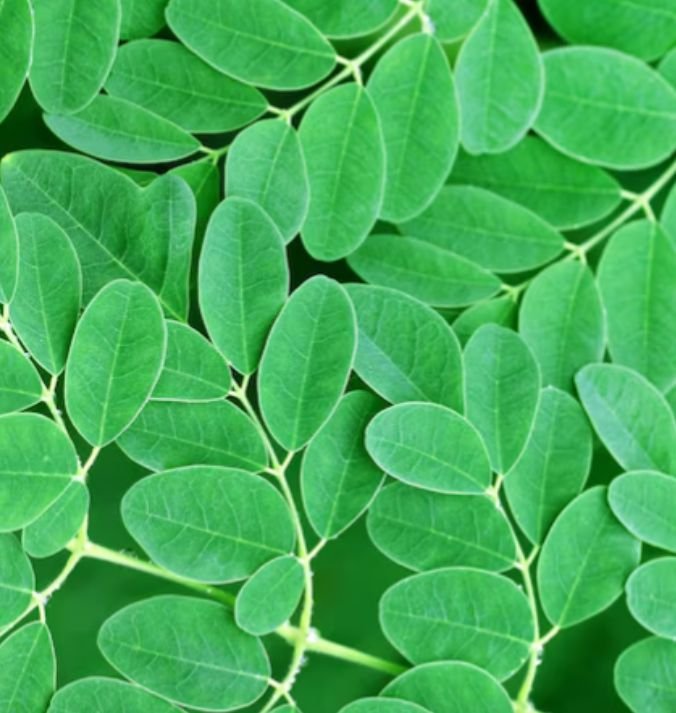
Moringa leaves give your body steady nourishment, natural balance, and daily vitality, making them one of nature’s most reliable health boosters.
These leaves offer a natural way to support your health every day. You can use them fresh in meals or dried for teas and long-term storage.
Eating them regularly may help with energy, digestion, and maintaining balanced blood sugar.
You might notice improvements in skin and hair when you include them in your routine.
Cooking or steeping the leaves releases vitamins, minerals, and antioxidants that your body can absorb easily.
You can add them to soups, salads, or smoothies, or make a warm leaf tea.
This guide will show you how to pick, prepare, and use both fresh and dried leaves safely. You will also learn how to get the most nutrition from each serving.
If you are new to the moringa herb, check our moringa introductory guide.
Table of Contents
What Are Moringa Leaves
Moringa leaves are the leaves of the moringa tree, a fast-growing plant found in tropical and subtropical regions. They are small, oval-shaped, and bright green with a tender texture.
Both fresh and dried leaves provide a rich source of vitamins, minerals, antioxidants, and plant-based protein.
People use them as food, in teas, or dietary supplements to support daily wellness, energy, digestion, and overall vitality.
Botanical Background
The moringa tree belongs to the Moringaceae family and has several species, with Moringa oleifera being the most common.
It grows quickly and adapts to a variety of climates. The tree produces long, slender seed pods, flowers, and clusters of delicate leaves.
Its leaves are compound, meaning each leaf stem carries multiple small leaflets, giving it a feathery appearance.
Understanding its botanical background helps you identify the tree and distinguish its leaves from other plants in gardens or markets.
Leaf Structure and Key Characteristics
Moringa leaves are pinnate, composed of many tiny, oval leaflets arranged along a central stem.
They have a mild, slightly earthy taste and a soft texture when fresh, but become more concentrated and slightly bitter when dried.
The leaves contain high levels of vitamin A, vitamin C, calcium, iron, and antioxidants, making them a nutrient-rich addition to meals or teas.
Their structure allows for easy harvesting and drying while preserving nutritional value, so you can store them for months if kept properly.
Where Moringa Leaves Grow and Thrive Globally
Moringa thrives in tropical and subtropical regions with warm temperatures and moderate rainfall. Countries in Africa, India, Southeast Asia, and Central and South America grow moringa commercially.
The tree adapts to different soils but grows best in well-drained, sandy, or loamy soil under full sun.
Even in dry areas, it can survive with minimal water once established.
Knowing where it grows naturally helps you source fresh leaves locally or consider planting your own tree for a steady supply of nutritious leaves.
Related Posts
Moringa Bark: Is it of Any Benefits?
Nutritional Facts of Moringa Leaves
Fresh vs Dried Moringa Leaves
Fresh and dried moringa leaves offer distinct ways to boost nutrition.
Fresh leaves are tender, mildly earthy, and rich in water-soluble nutrients like vitamin C.
They’re ideal for salads, smoothies, juices, or light cooking, providing hydration, a mild flavor, and visual appeal, but spoil quickly and must be refrigerated.
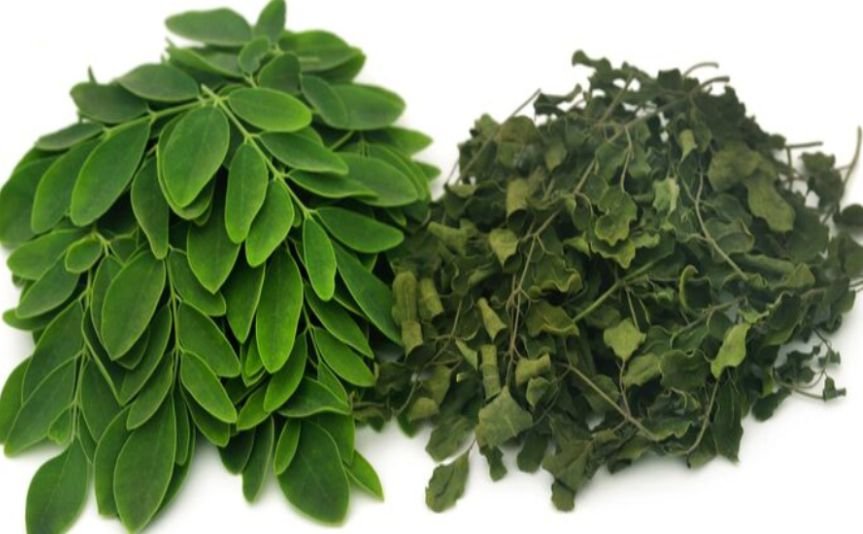
Dried leaves, in contrast, have concentrated minerals, antioxidants, and protein, with a stronger, slightly bitter taste.
They store for months in cool, dry conditions, making them perfect for teas, powders, capsules, or fortified foods.
Even small amounts deliver significant nutritional benefits, supporting immunity, energy, and bone health.
Choose fresh leaves for immediate, light, and hydrating meals, and dried leaves when seeking long-term storage, convenient supplementation, or an intensified nutrient boost in recipes or beverages.
Moringa Leaves Nutrition Facts
Moringa leaves offer a concentrated mix of nutrients that support energy, immunity, and overall wellness.
Fresh leaves provide water-soluble vitamins, while dried leaves deliver higher protein, minerals, and stable plant compounds.
Using both forms lets meals stay vibrant, nutritious, and adaptable to your daily routine.
Macronutrients in Moringa Leaves
Proteins, fats, carbohydrates, and fiber combine to provide energy and support digestion.
Fresh leaves contain 6–9 grams of protein per 100 grams, while dried leaves concentrate up to 30 grams.
Carbohydrates and fiber help regulate digestion, maintain fullness, and support gut health, while essential fatty acids contribute to heart and brain function.
Micronutrients and Minerals
Vitamins A, C, and folate in fresh leaves support vision, immunity, and cellular health.
Calcium, potassium, magnesium, and iron maintain bones, nerves, and energy.
Dried leaves offer even more concentrated minerals for stronger nutritional impact.
Trace Elements and Phytochemicals
Selenium, zinc, copper, and manganese aid immunity, bone health, and enzyme function.
Flavonoids, polyphenols, and chlorophyll help reduce inflammation, protect cells, and support detoxification.
Fresh vs Dried Leaves
Fresh leaves retain delicate vitamins and provide hydration, ideal for salads, smoothies, and light cooking.
Dried leaves concentrate protein and minerals, making them effective in teas, powders, and fortified dishes.
Combining both forms ensures nutrient balance and variety in your diet.
Tips for Maximizing Nutrition
Store fresh leaves in a breathable container in the fridge and use within a week.
Dried leaves keep best in airtight containers, away from light and moisture.
Add fresh leaves toward the end of cooking or blend into smoothies, while using dried leaves carefully to preserve phytonutrients.
Antioxidants and phytonutrients help protect cells from damage and support overall wellness. More on moringa leaves antioxidant benefits.
Health Benefits of Moringa Leaves
Moringa leaves provide powerful natural nutrients that support immunity, digestion, heart health, metabolism, and energy, making them a practical addition to daily meals and wellness routines.
Cardiovascular Health Benefits of Moringa Leaves
Moringa leaves support heart health by providing nutrients and plant compounds that help your cardiovascular system function efficiently.
Regular consumption may assist in maintaining balanced blood pressure and healthy cholesterol levels.
Antioxidants such as flavonoids and polyphenols help protect blood vessels from oxidative stress and inflammation.
Minerals like potassium contribute to proper circulation and vascular stability.
When you add moringa leaves to soups, smoothies, or vegetable dishes, your meals provide nutrients that gradually support cardiovascular wellness.
Over time, consistent intake may help strengthen circulation, maintain flexible arteries, and support the heart as it pumps blood effectively throughout the body during daily activity.
Digestive Health Support from Moringa Leaves
Moringa leaves support digestive health by providing fiber, vitamins, and natural plant compounds that help the digestive system work smoothly.
Fiber encourages steady movement of food through the digestive tract, supporting regular bowel movements and reducing constipation.
Anti-inflammatory compounds may help soothe occasional bloating and digestive discomfort.
Nutrients such as magnesium and vitamin B6 assist digestive enzymes that help break down food and improve nutrient absorption.
Adding moringa leaves to soups, sauces, or smoothies provides gentle digestive support while enriching meals with nutrients.
Before long, regular consumption helps maintain balanced gut function, making digestion more comfortable and helping your body absorb nutrients efficiently.
Metabolic and Weight Management Advantages of Moringa Leaves
Moringa leaves support metabolism by helping the body process carbohydrates, fats, and proteins efficiently.
Their mix of vitamins, minerals, antioxidants, and plant compounds contributes to balanced metabolic activity.
Fiber in the leaves helps you feel fuller for longer, which may support appetite control and prevent unnecessary snacking.
Antioxidants help protect metabolic processes from oxidative stress that may interfere with energy balance.
Including moringa leaves in everyday meals or smoothies offers nutritional support that fits easily into healthy routines.
With consistent use, these nutrients help the body maintain metabolic stability and support healthier weight management without requiring extreme dietary changes.
Immune System Support from Moringa Leaves
Moringa leaves help strengthen the immune system by supplying vitamins, minerals, and antioxidants that support the body’s natural defenses.
Vitamin C, vitamin A, and vitamin E help protect immune cells and support their activity when the body responds to infections or environmental stress.
Antioxidants such as flavonoids and polyphenols help neutralize free radicals that may weaken immunity.
The leaves also contain anti-inflammatory compounds that support balanced immune responses.
When moringa leaves are included in soups, smoothies, or cooked meals, they provide consistent nutritional support.
Regular consumption helps the body maintain stronger immune function and better resilience against everyday health challenges.
Energy-Boosting Properties of Moringa Leaves
Moringa leaves help support natural energy levels by providing nutrients that improve oxygen delivery and muscle function.
Iron contributes to hemoglobin production, allowing oxygen to move efficiently through the bloodstream and reducing fatigue.
Vitamin C enhances iron absorption, helping the body use this nutrient effectively.
The leaves also provide amino acids that assist muscle repair and recovery after activity.
Antioxidants reduce oxidative stress that can contribute to tiredness and low stamina.
Adding moringa leaves to meals, smoothies, or teas provides steady nourishment that supports endurance, alertness, and daily productivity while delivering the broader health benefits of moringa leaves.
Culinary Uses of Moringa Leaves
Fresh moringa leaves can be added to many dishes to boost nutrition.
You can rinse and chop them before cooking, then stir them into soups, stews, omelettes, salads, or stir-fries.
Start with small amounts to avoid overpowering flavors and gradually include them in daily meals.
Avoid overcooking, as it can reduce vitamins, and always wash thoroughly to remove dirt or insects.
Dried moringa leaves offer convenience and a longer shelf life.
Whole or crushed leaves work well in teas, herbal blends, broths, and infused cooking.
You can rehydrate them by soaking them in warm water before adding to dishes.
Dried leaves have a slightly stronger, earthy taste, so balance them with milder ingredients.
Both fresh and dried forms provide vitamins, minerals, antioxidants, and plant-based protein, letting you enjoy their health benefits in various ways.
By using leaves thoughtfully, you can enhance meals without changing the taste too much. See more on moringa leaves recipes.
Moringa Leaf Tea
You can enjoy a warm cup of tea using moringa fresh or dried leaves.
For fresh leaves, rinse and bruise them lightly before steeping in hot water for a few minutes.
Dried leaves can be added directly to boiling water and allowed to infuse longer for a richer flavor.
The tea has a mild, earthy taste with subtle vegetal notes, and you can pair it with honey, lemon, or ginger to balance and enhance the flavor.
Drinking it regularly may support digestion, provide antioxidants, and promote gentle detoxification.
You can enjoy it hot or cold, as a morning energizer or evening calming drink.
Experimenting with different steeping times and flavor combinations lets you create a tea that suits your taste while making the most of the natural benefits found in the leaves.
How to Harvest, Clean, and Store Moringa Leaves
You can harvest moringa leaves from young, healthy branches to get the best nutrition and flavor.
Cut or pinch leaf stems carefully, leaving the tree intact for continued growth.
After harvesting, rinse the leaves thoroughly to remove dirt, insects, or dust.
How to Store Fresh Moringa Leaves
For fresh leaves, store them in a clean, dry container in the refrigerator to maintain crispness and nutrients for several days.
Drying leaves allows for long-term storage. You can sun-dry, shade-dry, air-dry, or use a low-temperature oven, making sure the leaves are completely dry to prevent mold.
How to Store Dry Moringa Leaves
Store dried leaves in airtight containers away from light and moisture to preserve color, aroma, and nutrient content.
By following these steps, you can enjoy fresh or dried leaves safely, maximize shelf life, and maintain the full flavor and benefits in teas, meals, or herbal blends.
Moringa Leaves in Traditional Medicine
Across many cultures, moringa leaves have been used for their health-supporting properties.
In African and Asian traditions, they are incorporated into meals, teas, and herbal remedies to help maintain energy, support digestion, and strengthen the body naturally.
Ayurvedic medicine uses them to balance the body and support immunity, often combining them with other herbs for targeted benefits.
People have long believed the leaves can help with mild fatigue, digestive discomfort, and general wellness.
Common uses include preparing teas, infusions, or pastes and adding leaves to daily diets for a gentle health boost.
While modern research continues to study these effects, traditional practices offer insight into how communities have valued the leaves for generations.
By understanding these cultural uses, you can adopt practical ways to include them safely in your meals, drinks, or home remedies.
Scientific Research on Moringa Leaves
Studies have shown that moringa leaves contain high levels of antioxidants that help protect your cells from damage and support overall wellness.
Research also highlights their anti-inflammatory activity, which may help reduce mild aches, support joint comfort, and protect tissues from oxidative stress.
Several studies indicate that regular consumption can support healthy blood sugar levels and metabolic function, making it a useful addition to meals for maintaining energy and overall balance.
Scientists have confirmed that the leaves are nutrient-dense, providing vitamins, minerals, amino acids, and plant-based protein in concentrated amounts.
This makes them a valuable food source for supporting daily nutrition.
By reviewing these findings, you can better understand how the leaves contribute to health, and use them confidently in teas, meals, or supplements while knowing their benefits are supported by research.
Risks and Safety
While these leaves are generally safe, some people should moderate their intake.
Pregnant women, those with low blood pressure, or people taking certain medications may need to limit consumption.
The leaves can interact with blood-thinning drugs, diabetes medications, or blood pressure treatments, so it is best to consult a healthcare professional if you take medication.
Fresh and dried forms are safe when used in moderate amounts, such as a handful in meals or a teaspoon in teas.
Start slowly, adding small amounts to your diet, and observe how your body responds before increasing portions.
Gradual introduction allows your digestive system to adjust and reduces the chance of mild stomach discomfort.
By following these guidelines, you can enjoy the leaves’ nutritional benefits safely, whether you include them in daily meals, smoothies, or herbal drinks.
Buying Tips
When buying fresh leaves, choose vibrant green ones without yellowing or wilting.
Look for tender stems and avoid leaves with spots, signs of insects, or damage.
For dried leaves, check for a consistent color, pleasant aroma, and lack of mold or dust.
High-quality dried leaves should be crisp and free from excessive stems or debris.
Organic leaves are grown without synthetic pesticides, while non-organic leaves may be treated with chemicals, so consider your preference and safety needs.
Avoid low-quality or contaminated leaves by sourcing from reputable markets, trusted suppliers, or certified organic producers.
Proper selection ensures that you get the maximum nutrition, flavor, and safety.
By learning to identify quality leaves, you can confidently use them in teas, meals, or supplements while enjoying the full health benefits.
How to Use Moringa Leaves
You can incorporate moringa leaves into your daily routine in many ways.
Fresh leaves work well in salads, soups, stews, omelettes, or stir-fries, adding nutrition without overpowering flavor.
Dried leaves can be brewed into teas, added to herbal blends, or rehydrated for cooking.
Start with small amounts to let your taste buds adjust and gradually increase portions for maximum benefits.
You can also blend them into smoothies or sprinkle powdered forms into sauces and broths.
Combining the leaves with mild ingredients like vegetables, grains, or legumes balances flavor and preserves nutrients.
By learning how to use them in both fresh and dried forms, you can enjoy their vitamins, minerals, antioxidants, and plant-based protein in meals, beverages, or supplements.
Thoughtful use helps you get the most health benefits while keeping your dishes flavorful and enjoyable. Visit this post for an in-depth on how to use moringa leaves.
Conclusion
Moringa leaves give your body steady nourishment and daily vitality.
Using them fresh or dried lets you enjoy vitamins, minerals, antioxidants, and plant-based protein in meals, teas, or smoothies.
Regular inclusion may support energy, digestion, blood sugar balance, and immunity while gently nourishing skin and hair.
Harvesting, cleaning, and storing the leaves properly preserves nutrients and flavor.
Whether you add them to soups, salads, or beverages, thoughtful use maximizes health benefits.
Both traditional practices and scientific research confirm their value.
By understanding how to prepare, cook, and consume the leaves safely, you can make them a reliable part of your daily routine, supporting wellness and energy naturally while keeping your meals enjoyable and flavorful.
Frequently Asked Questions
What are moringa leaves used for?
Moringa leaves support daily wellness, including energy, digestion, immunity, skin, and hair health. They can be used fresh in meals or brewed as tea.
Can I eat moringa leaves every day?
Yes, small amounts daily are safe for most people. Start gradually to let your body adjust and avoid digestive discomfort.
Are fresh or dried leaves better?
Fresh leaves provide vitamin C, mild flavor, and aroma, while dried leaves are richer in minerals, antioxidants, and plant-based protein for long-term use.
How should I store moringa leaves?
Keep fresh leaves in the refrigerator in a clean container for a few days. Store dried leaves in airtight containers away from moisture and light.
Who should avoid moringa leaves?
Pregnant women and people on blood-thinning, diabetes, or blood pressure medications should moderate their intake and consult a healthcare professional before regular use.
References

Chims Clements writes about herbs from personal experience and careful research. Growing up in Aba, Nigeria, moringa and tamarind were everyday household plants long before they became globally recognised superfoods. He uses both regularly in his home today. At Six Herbs he goes deep on moringa, tamarind, fenugreek, and sea moss — building honest, experience-backed content that separates what tradition knows from what science confirms. The content on this site is for informational purposes only and is not medical advice. Always consult a healthcare provider before using herbs medicinally.