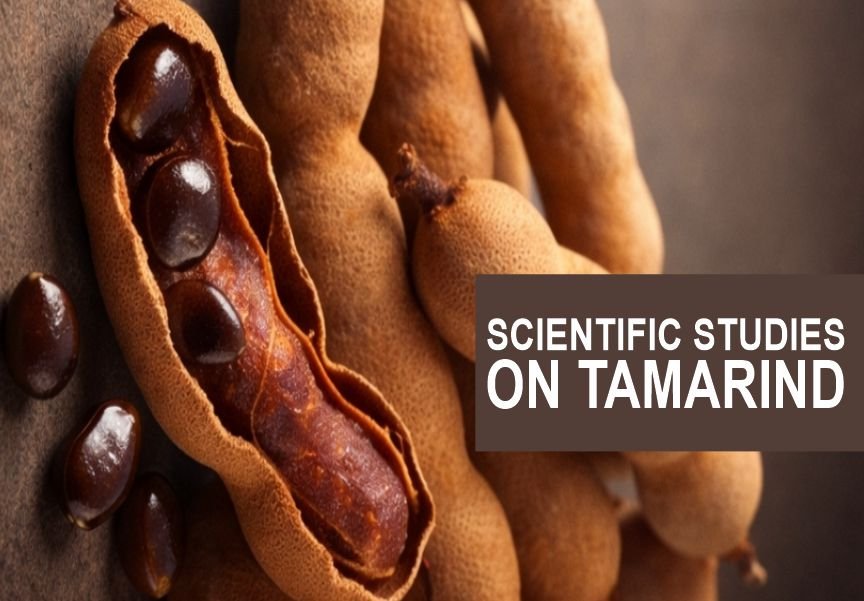
Scientific Studies and Research on Tamarind

The scientific studies and research on tamarind reveal bioactive compounds linked to digestion, blood sugar control, and inflammation. This research-backed breakdown highlights what evidence actually shows, separating traditional claims from tested results you can trust today in real contexts.

Interest in tamarind has moved beyond traditional use into lab-tested findings.

There is growing attention on its bioactive compounds, antioxidant activity, blood sugar effects, and digestive support.

Research papers, clinical trials, and nutrition studies now give clearer insight into how it works in the body.

Questions about safety, dosage, and real benefits matter when reading scientific data.

This guide breaks down evidence in simple terms, helping you connect research results with everyday use.

If you are new to tamarind, here is an introductory guide you will find helpful.

Overview of Tamarind (Tamarindus indica)

Tamarind, known scientifically as Tamarindus indica, is a tropical tree with a hard brown pod that holds sticky, tangy pulp.

It grows widely across Africa and Asia, thriving in warm climates.

In daily life, it appears in cooking, herbal remedies, and cultural practices tied to digestion, fever relief, and skin care.

Traditional medicine values its cooling effect and gentle laxative action.

Researchers now focus on different parts of the plant, including the pulp, seeds, leaves, and root.

Each part shows distinct chemical compounds, making tamarind a subject of interest in nutrition studies and plant-based health research today.

What Sparks Scientific Studies and Research on Tamarind?

Curiosity around tamarind comes from what sits inside the fruit and plant parts.

Tamarind nutrients and plant compounds connect directly to research on digestion, blood sugar, inflammation, and oxidative stress.

Macro and Micronutrients

Inside tamarind pulp, you get carbohydrates that supply quick energy, along with dietary fiber that supports gut health and bowel movement.

According to the International Journal of Current Microbiology and Applied Sciences, minerals like potassium, magnesium, and iron contribute to heart function and oxygen transport. See the report here.

Small amounts of B vitamins support metabolism, making tamarind relevant in nutrition studies.

Bioactive Compounds (Polyphenols, Flavonoids, Tannins)

Research attention leans toward tamarind’s polyphenols, flavonoids, and tannins, which act as natural antioxidants.

These compounds help reduce oxidative stress in cells.

Studies highlight their role in limiting free radical damage, supporting skin health, and contributing to anti-inflammatory effects seen in plant-based diets.

How These Compounds May Impact Health

When these nutrients and compounds work together, your body may respond in measurable ways.

Research links tamarind to improved digestion, mild blood sugar control, and reduced inflammation markers.

Chemical profiles from pulp, seeds, and leaves guide studies in metabolic health, gut function, and natural food-based therapies.


Recommended Posts

How Tamarind Aids Digestion

How to Use Tamarind Tea for Prostate Health

Tamarind for Weight Loss: Everything to Know

The Health Benefits of Tamarind


Scientific Research on Tamarind and Digestive Health

Scientific interest in tamarind and digestion focuses on how its compounds interact with gut function.

Research looks at enzymes, bowel movement, and relief from digestive discomfort in both lab and clinical settings.

Studies on Digestive Enzymes and Gut Motility

When you eat tamarind, natural acids and plant compounds may influence how food breaks down in your gut.

Studies show that tamarind extracts can stimulate digestive enzymes like amylase and lipase, helping your body process carbohydrates and fats more efficiently.

Research also points to improved gut motility, meaning food moves through the digestive tract at a healthier pace.

This matters if you deal with slow digestion, bloating, or irregular bowel patterns.

Animal studies suggest increased intestinal movement after tamarind intake, which supports its traditional use in easing digestive sluggishness and maintaining regular gut function without harsh chemical stimulants.

Research on Tamarind as a Laxative or Digestive Aid

Traditional use as a mild laxative has pushed researchers to test tamarind in controlled settings.

According to Thiem E-Journals Planta Medica, the pulp of tamarind contains fiber and organic acids that can soften stool and support easier bowel movement.

This effect may help when dealing with occasional constipation, especially when the diet lacks fiber.

Studies highlight how tamarind works gently, unlike strong laxatives that may irritate the gut.

Its natural sugars and tartaric acid may also promote hydration in the intestines, which supports stool passage.

These findings connect well with its long use in herbal medicine as a safe, food-based digestive aid for maintaining regularity.

Clinical Evidence (Human and Animal Studies)

Evidence from both human and animal studies gives more clarity on how tamarind works in real conditions.

Animal trials show improved bowel frequency, reduced gut inflammation, and better enzyme activity after tamarind extract use.

Human data, though more limited, support its role in easing mild constipation and improving digestive comfort.

Some studies also note changes in gut microbiota, suggesting a possible prebiotic effect that feeds beneficial bacteria.

While results are promising, more large-scale human trials are still needed.

Current findings still give a solid base for using tamarind as part of a balanced, digestion-friendly diet.

Research on the Metabolic Health of Tamarind

Interest in tamarind and metabolic health centers on blood sugar balance and lipid control. See report.

Nutrients and plant compounds link to studies on glucose metabolism, insulin response, and cholesterol levels.

Blood Sugar and Diabetes Studies

Research on tamarind and diabetes focuses on how its compounds affect blood glucose levels and insulin response.

Findings suggest that tamarind may help reduce post-meal sugar spikes by slowing carbohydrate breakdown.

Animal studies show consistent glucose-lowering effects, while small human trials report modest improvements.

These results connect tamarind intake with better glycemic control when included in a balanced diet.

Attention also goes to its antioxidant activity, which may support metabolic stability and reduce stress linked to high blood sugar levels.

Effects on Glucose Metabolism and Insulin Sensitivity

Once inside your system, tamarind compounds may influence how glucose is absorbed and used.

Studies suggest improved insulin sensitivity, meaning your cells respond better to insulin signals. This can help manage blood sugar levels after meals.

Fiber and polyphenols may slow glucose release into the bloodstream, reducing sharp spikes.

Research also points to enzyme activity that affects carbohydrate digestion.

These combined actions support steady energy levels and align with dietary strategies aimed at improving metabolic balance and reducing risks linked to insulin resistance.

Animal vs. Human Trial Outcomes

Animal studies provide stronger and more consistent results, showing reduced blood glucose, improved insulin markers, and better overall metabolic function after tamarind intake.

Human studies remain limited, with smaller sample sizes and varied outcomes.

Some trials report mild improvements in blood sugar control, while others show minimal change.

Differences in dosage, preparation methods, and participant diet play a role in these mixed findings.

Current evidence supports tamarind as a helpful addition to the diet, but not a standalone solution for managing diabetes or metabolic disorders.

Possible Mechanisms

Researchers link tamarind’s metabolic effects to several biological actions within the body.

Polyphenols may reduce oxidative stress, which plays a role in insulin resistance.

Dietary fiber can slow glucose absorption in the gut, helping maintain stable blood sugar levels.

Some studies suggest tamarind may support pancreatic function, aiding insulin production.

Enzyme inhibition may also reduce the rate at which carbohydrates are broken down.

These mechanisms together explain how tamarind fits into research focused on improving glucose control and supporting long-term metabolic health.

Cholesterol and Lipid Profile Research

Scientific studies on tamarind also examine its effect on cholesterol and lipid levels.

Animal research shows reductions in total cholesterol, LDL cholesterol, and triglycerides after regular intake.

Early human studies suggest similar trends, though results vary based on diet and dosage.

Tamarind’s fiber and antioxidant compounds are believed to play a role in these effects.

This area of research connects tamarind consumption with improved heart health markers and supports its use in dietary approaches aimed at managing lipid levels naturally.

Evidence for Lowering LDL or Triglycerides

Evidence suggests that tamarind may help lower LDL cholesterol and triglycerides, both linked to heart disease risk.

Polyphenols may reduce fat oxidation, while fiber can limit cholesterol absorption in the digestive tract.

Animal studies consistently show improved lipid profiles, while human data offer moderate support.

These effects may also improve blood vessel function and reduce plaque formation risk.

Including tamarind as part of a balanced diet may support better lipid management, especially when combined with other heart-friendly food choices and lifestyle habits.

Study Designs: In Vitro, Animal, Human

Research on tamarind spans several study types, each offering different insights.

In vitro studies focus on isolated compounds and their biological activity in controlled environments.

Animal studies test how these compounds work in living systems, providing data on metabolism and safety.

Human trials offer practical insight but remain limited in number and scale. Each method contributes to a broader view of tamarind’s effects.

Together, they help researchers connect lab findings with real-world health outcomes and guide future clinical research directions.

Antioxidant and Anti-Inflammatory Research

Research on tamarind in this area looks at how its compounds handle oxidative stress and inflammation.

Focus stays on antioxidant activity, cell protection, and changes in inflammation markers across lab and biological studies.

Lab and Animal Studies Measuring Antioxidant Activity

Laboratory tests and animal studies measure how tamarind extracts neutralize free radicals and reduce oxidative stress.

High levels of polyphenols and flavonoids show strong antioxidant activity in controlled settings.

These studies use assays like DPPH and FRAP to track how effectively compounds protect cells.

Animal models also show reduced oxidative damage in tissues after tamarind intake.

Findings support its role in limiting cell damage linked to aging, metabolic stress, and environmental exposure, making it a focus in plant-based antioxidant research.

Inflammation Markers Influenced by Tamarind Extracts

Inflammation studies examine how tamarind extracts affect markers like C-reactive protein, cytokines, and enzymes linked to inflammatory response. See report.

Results from animal models show reduced levels of these markers after treatment, suggesting a calming effect on inflammation pathways.

This may help in conditions tied to chronic inflammation, including metabolic disorders and joint discomfort.

Bioactive compounds, especially flavonoids and tannins, are linked to these effects.

Research continues to map how these compounds interact with immune signals and support a balanced inflammatory response in the body.

Comparison with Standard Antioxidants

Tamarind extracts are sometimes compared with known antioxidants like vitamin C and vitamin E in lab studies.

Results show that tamarind holds competitive antioxidant capacity, depending on concentration and extraction method.

While standard antioxidants act in well-defined ways, tamarind offers a mix of compounds working together, which may provide broader protection.

Studies highlight that whole plant extracts may perform differently from isolated compounds.

This comparison helps place tamarind within the wider field of natural antioxidants used in nutrition and health research today.

Antimicrobial and Antiviral Studies

Research on tamarind in this area focuses on how its compounds act against microbes and viruses.

Studies examine pathogen control, lab-identified mechanisms, and gaps that still limit real-world medical use.

Evidence Against Specific Pathogens

Laboratory studies show tamarind extracts can act against bacteria such as E. coli, Staphylococcus aureus, and Salmonella.

Some antifungal activity is also reported against common strains affecting skin and food safety.

These effects are linked to compounds found in the pulp, leaves, and seeds.

Results suggest tamarind may help limit microbial growth in controlled settings.

This supports its traditional use in food preservation and herbal remedies.

Still, most findings come from lab studies, not large human trials, which limits direct clinical application.

Mechanisms Identified in Lab Research

Research points to several ways tamarind compounds act on microbes.

Polyphenols and tannins may damage microbial cell walls, making it harder for bacteria to survive.

Some studies show interference with the enzyme activity that microbes need for growth.

Others suggest disruption of protein synthesis and membrane stability.

These actions reduce the ability of pathogens to multiply.

Antiviral research is more limited, but early findings suggest certain compounds may block viral entry into host cells.

These mechanisms help explain observed antimicrobial effects in controlled environments.

Tamarind in Skin and Wound Healing Research

Research on tamarind in skin care and wound healing looks at tissue repair, infection control, and skin barrier support.

Studies connect plant compounds with faster healing, reduced microbes, and improved skin condition.

Studies on Wound-Healing Effects

Lab and animal studies show tamarind extracts may support faster wound closure and tissue repair.

Compounds in the leaves and pulp are linked to increased collagen formation, which helps rebuild damaged skin.

Improved blood flow to the wound area is also reported, supporting nutrient delivery and healing.

Some studies note reduced swelling and better skin regeneration after treatment.

These effects align with traditional use in treating minor cuts and burns.

Research continues to examine how tamarind supports each stage of the wound healing process.

Evidence for Antimicrobial Skin Benefits

Tamarind extracts show antimicrobial activity against bacteria linked to skin infections, including Staphylococcus aureus.

This makes it relevant for managing minor wounds, acne, and surface infections.

Tannins and flavonoids may help limit bacterial growth while supporting skin balance.

Some studies also suggest mild antifungal effects. These findings support its use in topical preparations aimed at keeping skin clean and protected.

While results are promising, most evidence comes from lab studies, so real-world effectiveness depends on formulation and consistent application.

Clinical Trial Data or Dermatological Research

Clinical research on tamarind in dermatology is still limited but growing.

Small-scale human studies suggest benefits in skin hydration, mild exfoliation, and improved texture due to natural acids in the pulp.

These acids may support the removal of dead skin cells and promote smoother skin.

Evidence for wound healing in humans remains less developed compared to animal studies.

Dermatological interest continues to grow, especially in plant-based skin care.

More controlled human trials are needed to confirm safety, dosage, and long-term effects in skin treatments.

Tamarind Cardiovascular Health and Blood Pressure Studies

Tamarind research in cardiovascular health focuses on blood pressure regulation, artery function, and inflammation.

Studies connect plant compounds to heart health markers and vascular wellbeing in lab and animal models.

Research on Blood Pressure Regulation

Animal studies indicate that tamarind extracts may help lower high blood pressure by relaxing blood vessels and supporting electrolyte balance.

Compounds such as potassium and polyphenols appear to influence vascular tone and reduce strain on the heart.

Some small human trials show modest reductions in systolic and diastolic pressure when tamarind is included in the diet.

These effects may support overall cardiovascular function, particularly when combined with a balanced diet and healthy lifestyle habits.

Research continues to identify effective doses and preparation methods.

Effects on Arterial Health or Inflammation

Studies suggest tamarind compounds may reduce arterial stiffness and inflammation markers linked to cardiovascular disease.

Polyphenols and antioxidants in the pulp and seeds may protect vessel walls from oxidative stress, support healthy lipid metabolism, and reduce chronic vascular inflammation.

Animal models show improved endothelial function and less plaque buildup after tamarind intake.

These effects contribute to better blood flow and may lower cardiovascular risk factors.

Lab research links anti-inflammatory and antioxidant mechanisms directly to improved arterial health.

Findings and Limitations

Current findings are promising but limited. Most studies rely on animals or small human trials, making it difficult to generalize results.

Dosages, extract types, and study durations vary, affecting consistency.

While lab evidence supports antioxidant, anti-inflammatory, and blood pressure benefits, larger controlled human trials are still needed.

Tamarind shows potential as part of a heart-healthy diet, but it should not replace standard treatments for hypertension or cardiovascular disease.

Researchers continue to investigate optimal intake and long-term safety for cardiovascular benefits.

Safety and Toxicology Research

Research on tamarind safety focuses on how its compounds affect the body at different doses, potential side effects, and what is known about long-term use.

This helps guide dietary or therapeutic use.

Studies Assessing Toxicity at Different Doses

Laboratory and animal studies test tamarind extracts at varying doses to determine safe intake levels.

Results generally show low toxicity, even at higher doses, though very concentrated extracts may affect liver or kidney markers in animals.

These studies help identify thresholds for safe consumption, supporting traditional use in foods and herbal remedies.

Such research guides dosage recommendations for supplements and experimental treatments, ensuring that beneficial compounds can be used without causing harm.

Side Effect Profiles in Animal vs Human Studies

Animal studies sometimes report mild gastrointestinal effects, like loose stools, when tamarind intake is very high.

Human trials show minimal adverse effects, mostly limited to mild stomach discomfort or allergic reactions in sensitive individuals.

There is little evidence of serious toxicity at typical dietary levels.

Comparing animal and human studies helps identify realistic risks, showing that while animal models detect potential issues at high doses, normal consumption is generally safe.

These findings support safe inclusion of tamarind in food or controlled supplemental forms.

Long-Term Safety Evidence (or Lack Thereof)

Long term studies in humans remain limited, so data on extended use of tamarind extracts are scarce.

Most evidence comes from traditional dietary consumption, which appears safe, and short-term clinical trials.

Lack of long term toxicology studies means caution is advised when using concentrated extracts regularly.

Researchers highlight the need for extended human trials to confirm safety over months or years.

Current findings suggest that moderate dietary use is safe, but concentrated supplementation or medicinal doses should be monitored carefully for potential side effects.

Gaps in Current Research on Tamarind

Despite growing interest in tamarind, several areas remain understudied, limiting how confidently results can be applied to real-world health use.

Research gaps point to where future studies could provide stronger evidence.

What Areas Are Understudied?

Many health benefits of tamarind, including antimicrobial, antiviral, wound healing, and long-term metabolic effects, have limited data.

Specific plant parts, such as the root and seeds, are less explored compared with pulp and leaves.

Interactions with other dietary components and effects on gut microbiota, chronic inflammation, and cardiovascular outcomes need more focused research.

These gaps leave uncertainty about optimal use, dosage, and how benefits translate from lab models to humans.

Limitations in Methodology or Sample Sizes

Existing studies often rely on small sample sizes, short durations, or animal models, which makes results difficult to generalize.

Variability in extraction methods, compound concentration, and administration routes further complicates interpretation.

Many lab studies use isolated compounds rather than whole plant preparations, which may not reflect real dietary use.

These methodological limitations reduce the reliability of findings and highlight the need for more standardized research protocols to generate actionable insights.

Need for More Human Clinical Trials

While animal and lab studies provide valuable mechanistic insight, large-scale human trials remain scarce.

Evidence on long-term safety, metabolic effects, cardiovascular benefits, and skin or wound applications is particularly limited.

More randomized controlled trials with diverse participants, standardized extracts, and clear endpoints would strengthen conclusions.

Such research would confirm real-world benefits, clarify optimal dosing, and help safely integrate tamarind into evidence-based dietary or therapeutic approaches.

Practical Takeaways from Scientific Evidence

Scientific research on tamarind supports several areas where evidence is strongest.

Lab and animal studies consistently show antioxidant, anti-inflammatory, digestive, and metabolic benefits, including mild blood sugar regulation and improved gut motility.

Evidence for cardiovascular support, antimicrobial effects, and skin healing is promising but still preliminary.

Human clinical trials remain limited, so real-world outcomes may vary depending on dosage, preparation, and individual response.

For readers interested in using tamarind, incorporating pulp, seeds, or extracts into a balanced diet appears safe in moderate amounts.

Concentrated supplements should be used cautiously, and professional guidance is recommended for managing specific health conditions.

Frequently Asked Questions

What do research and studies on tamarind reveal about digestion?

Scientific studies on tamarind show its compounds may improve gut motility, stimulate digestive enzymes, and act as a mild, food-based laxative supporting regular bowel movement.

What do research and studies on tamarind show for blood sugar control?

Studies on tamarind indicate fiber and polyphenols may improve insulin sensitivity, reduce post-meal glucose spikes, and support stable blood sugar in controlled lab and human trials.

What do research and studies on tamarind suggest about antioxidant activity?

Laboratory and animal studies show tamarind extracts have strong antioxidant activity, neutralizing free radicals and reducing oxidative stress, potentially supporting metabolic health and inflammation control.

What do research and studies on tamarind say about safety?

Toxicology research shows moderate dietary use is generally safe, while concentrated extracts may cause mild stomach discomfort; long-term human studies remain limited.

References