
Last updated on September 18th, 2026 at 04:53 pm
Tamarind oil and “La Bamakoise tamarind oil” get treated as the same thing online. They’re not. One is plain seed oil; the other is a skin-lightening brand that commonly contains hydroquinone, a restricted ingredient with safety concerns of its own.
Tamarind seed oil is a distinct product from the fruit, leaves, or seed powder covered elsewhere on this site. It’s extracted specifically for its fatty acids and used in skin and hair care.
This guide covers what’s actually in the oil, how it’s extracted, and what published research supports, since some claims made about it online go further than the evidence does.
It also addresses something most articles skip entirely. “La Bamakoise tamarind oil” is a specific commercial skin-lightening brand, not a generic term for plain tamarind oil.
Some of its products contain ingredients worth knowing about before you buy.
Disclaimer: Six Herbs is an educational resource, not a medical service. Nothing in this article constitutes medical advice, diagnosis, or treatment. Always consult a qualified healthcare provider before using any herb medicinally, particularly if you are pregnant, breastfeeding, taking medication, or managing a health condition.
What Is Tamarind Seed Oil?
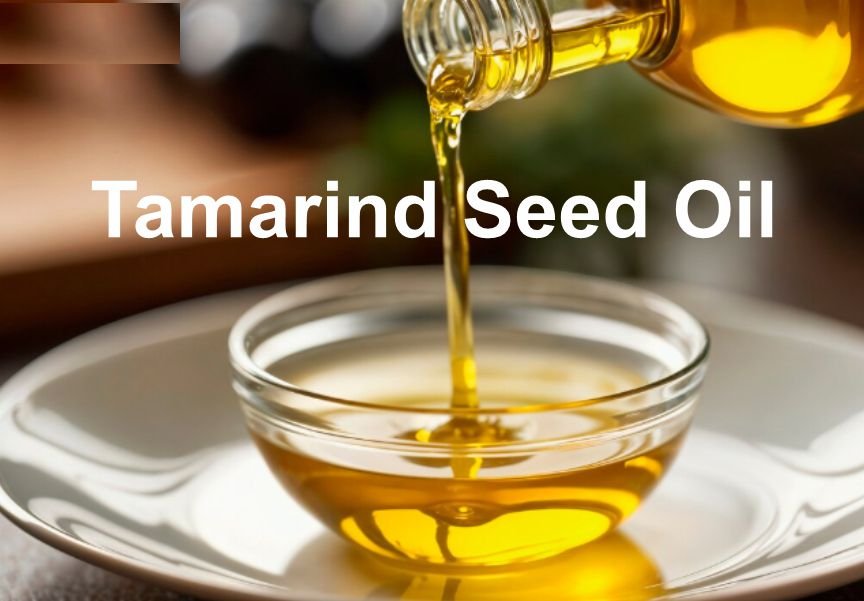
Tamarind seed oil is extracted mainly from tamarind seeds and valued for its fatty acid content and conditioning properties in skin and hair care.
It’s a different product from whole tamarind seeds or tamarind seed powder, since it’s the pressed or extracted lipid fraction rather than the ground whole seed.
Important: “La Bamakoise” Is Not the Same as Plain Tamarind Oil
This needs to be said plainly, since it isn’t elsewhere online. La Bamakoise is an actual, commercially available West African skincare brand, sold as oils, lotions, creams, and soaps marketed around “tamarind” as an ingredient name.
Several of its listed products are marketed specifically for skin lightening, evening tone, and reducing dark spots.
Some list hydroquinone in the ingredients, a skin-lightening compound that carries documented regulatory restrictions in parts of the world due to safety concerns with prolonged use.
That’s not a criticism of tamarind itself; it’s a distinction worth knowing before assuming a “La Bamakoise” product is simply branded tamarind oil.
If you want plain tamarind seed oil, check the ingredient list rather than the product name.
Composition: What’s Actually in the Oil
Studies analyzing tamarind seed oil consistently find it dominated by unsaturated fatty acids, particularly linoleic and oleic acid.
These make up roughly 70 percent of the oil’s fatty acid content, detailed in this chemical profile of tamarind seed oil.
A separate study measuring the oil’s antibacterial activity confirmed similar fatty acid dominance alongside antioxidant potential and tocopherol content.
This is detailed in this study on tamarind seed oil’s fatty acids and antibacterial activity.
A broader review of tamarind seed research also links these same fatty acids to reduced LDL cholesterol in other studies, detailed in this review of tamarind seed medicinal properties.
What’s Backed by Research and What Isn’t
- Antibacterial activity, directly tested. The study cited above found measurable antibacterial activity from the oil and its isolated fatty acids. This is a specifically oil-based finding rather than one borrowed from the whole seed.
- Antioxidant potential, reasonably supported. Tocopherol and phenolic content in the oil is consistent with antioxidant activity documented in lab testing.
- Skin conditioning, plausible and traditional. The oil’s fatty acid content is consistent with moisturizing and softening effects, though this hasn’t been tested in dedicated skin trials specific to tamarind oil.
- Hair growth, overstated. Tamarind oil can condition hair and reduce breakage, which makes hair look thicker and healthier. That’s different from stimulating new hair growth, a claim not supported by any study referenced here.
- Skin-tightening and anti-aging, traditional and cosmetic. These claims rest on traditional use and general cosmetic reasoning rather than published clinical testing on the oil itself.
How Tamarind Oil Is Extracted
Cold-pressed extraction cleans and dries the seeds, then presses them mechanically at low temperature without added heat.
This method best preserves fatty acids, antioxidants, and natural aroma, making it the preferred method for skin and hair care.
It works in a similar spirit to how tamarind seed gum is extracted with minimal heat to preserve its structure.
Solvent Extraction
Solvent extraction uses a food-safe solvent to dissolve the oil from cleaned, dried seeds, then evaporates the solvent under heat.
This yields more oil than cold-pressing but can lose some heat-sensitive compounds, making it more common in larger-scale industrial or cosmetic production.
Traditional Methods
Traditional methods roast or boil the seeds to loosen the oil, then crush and press them by hand, sometimes with added water to help separate the oil.
This produces a distinct aroma and texture tied to cultural practice, though it’s slower than modern methods.
How to Use Tamarind Oil
For skin, massage a few drops onto clean or damp skin to help lock in moisture.
For hair, warm the oil slightly and work it into the scalp, paying attention to dry patches or split ends.
Leave it on for at least 30 minutes, or overnight, before rinsing.
It also blends well with other carrier oils like coconut, almond, or jojoba if you want to adjust texture or absorption.
Safety and Precautions
- Patch test first. Apply a small drop to your inner wrist or behind your ear, wait 24 hours, and watch for redness, swelling, or itching before using it more broadly.
- Some people should avoid it. Anyone with known allergies to legumes or tamarind, very sensitive skin, open wounds, or recent cosmetic treatments should skip it or check with a dermatologist first.
- Pregnancy and breastfeeding. Check with a healthcare provider before using concentrated plant oils regularly during pregnancy or while breastfeeding.
For general tamarind safety information, see the RxList clinical reference on tamarind.
For more on tamarind seeds themselves, including the seed’s own research base, see our tamarind seeds guide, and for the fuller tamarind research picture, our tamarind research page.
Conclusion
Tamarind seed oil holds up as a distinct product, with documented fatty acid and antibacterial research behind it, separate from the fruit or seed powder.
Hair growth and skin-tightening claims rest mostly on tradition and cosmetic use, not clinical proof, and deserve to be labeled that way honestly.
Keep “La Bamakoise” separate from plain tamarind oil, since some of those products contain hydroquinone, an ingredient with its own safety profile worth knowing.
Patch test new oil first, and check with a provider if you have sensitive skin or plant allergies.
Frequently Asked Questions
Is La Bamakoise tamarind oil the same as plain tamarind oil?
No, La Bamakoise is a specific commercial skin-lightening brand, and some of its products contain hydroquinone, unlike plain tamarind seed oil pressed directly from seeds with nothing added.
Does tamarind oil actually promote hair growth?
Not directly. It conditions hair and scalp, reducing breakage and dryness, which can make hair look thicker and healthier, though this differs from stimulating actual new hair growth.
How is tamarind seed oil extracted?
Cold-pressing preserves the most nutrients and is best for skin and hair care, while solvent extraction yields more oil but loses some beneficial compounds in the entire process.
Is tamarind oil safe to use on skin?
Yes, for most people, though a patch test is strongly recommended first, especially if you have sensitive skin, known plant allergies, or a recent history of skin reactions.

Chims Clements writes about herbs from personal experience and careful research. Growing up in Aba, Nigeria, moringa and tamarind were everyday household plants long before they became globally recognised superfoods. He uses both regularly in his home today. At Six Herbs he goes deep on moringa, tamarind, fenugreek, and sea moss — building honest, experience-backed content that separates what tradition knows from what science confirms. The content on this site is for informational purposes only and is not medical advice. Always consult a healthcare provider before using herbs medicinally.