
Last updated on September 16th, 2026 at 11:48 am
Tamarind bark gets treated like generic herbal filler online, but a published study found it showed anti-inflammatory, analgesic, and even blood-sugar-lowering activity in animal testing, specific to the bark itself, not borrowed from the fruit everyone already widely knows about.
Tamarind bark sits at the base of the same tree that produces the fruit most people know, but it carries its own separate body of research.
This guide covers what tamarind bark actually is, which health claims hold up against published studies on the bark specifically, and which ones rest mainly on tradition.
It also covers how to prepare and source it safely, since bark quality varies more than most other tamarind forms.
For bark tea specifically, I keep the brewing instructions brief here and point to our tamarind tea guide instead, since that page already covers the full method.
Disclaimer: Six Herbs is an educational resource, not a medical service. Nothing in this article constitutes medical advice, diagnosis, or treatment. Always consult a qualified healthcare provider before using any herb medicinally, particularly if you are pregnant, breastfeeding, taking medication, or managing a health condition.
Table of Contents
What Is Tamarind Bark?
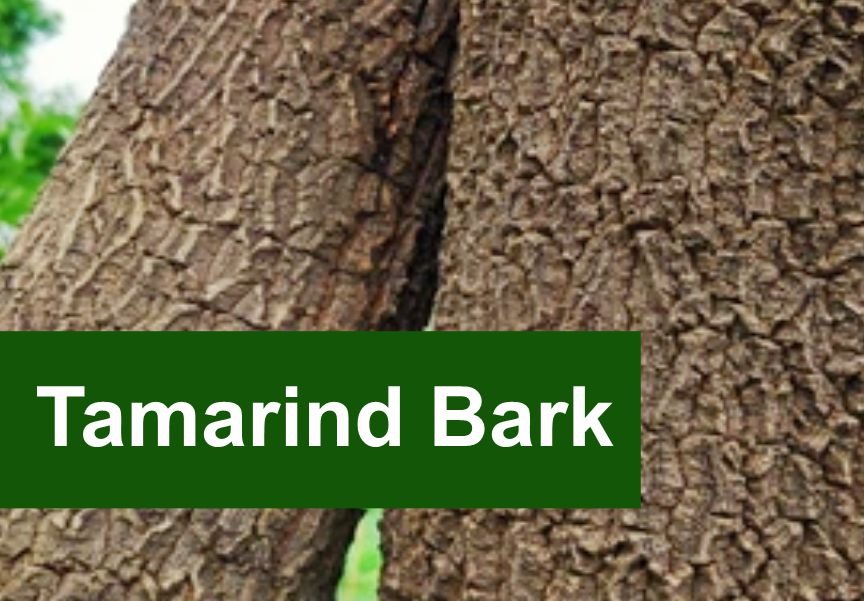
Tamarind bark is the outer layer of the tamarind tree, Tamarindus indica, valued across Africa and Asia.
While the tree is best known for its fruit pods, the bark carries a long, separate history in traditional medicine, prepared as decoctions, powders, or infusions.
Just like tamarind root, the bark is tied to knowledge passed through generations.
If tamarind is new to you, our introductory tamarind guide is a good starting point.
Chemical Composition
Tamarind bark is rich in tannins, which give it a strong astringent effect useful for tightening tissue and supporting wound care.
It also contains flavonoids and antioxidants that help counter oxidative stress, small amounts of alkaloids linked to antimicrobial and anti-inflammatory activity, and trace minerals including calcium, magnesium, and potassium.
This tannin and gum-adjacent compound profile is distinct from the polysaccharide gum found in tamarind seeds, which serves different industrial purposes entirely.
A detailed chemical analysis of tamarind bark identified lupeol and related compounds as major constituents, detailed in this comparative metabolic study of tamarind’s plant parts, which also tested the bark’s anti-inflammatory and wound-healing activity directly.
Health Benefits: What’s Backed by Research and What Isn’t
Tamarind bark gets credited with a wide range of benefits, and it’s worth separating what’s been tested from what rests on tradition.
Anti-inflammatory, analgesic, and blood-sugar effects, directly tested on bark
The comparative study cited above found the bark showed measurable anti-inflammatory and wound-healing activity in lab testing.
Also, other research on the same plant part found in vivo anti-inflammatory, analgesic, and blood-sugar-lowering effects specific to bark extract.
A separate study testing both root and stem bark extracts together found both possessed measurable anti-inflammatory and antioxidant activity, supporting their traditional use for skin inflammation and wounds, covered in this study on tamarind bark and root extracts.
These findings come from animal and lab models, not human clinical trials.
Digestive support, mostly traditional
Tannins in the bark may help reduce excess fluid in the gut, which plausibly supports the bark’s traditional use for bloating and loose stools.
No study in this guide’s research base tested the bark specifically for digestive outcomes.
Antimicrobial effects, extrapolated from broader tamarind research
Antimicrobial activity has been documented in other tamarind plant parts, and the bark’s tannin and alkaloid content make similar activity plausible, though this hasn’t been directly confirmed for bark extract in the studies referenced here.
Oral care and chewing sticks, tradition only
Some communities use tamarind bark as a chewing stick for dental hygiene.
I could not find a study testing tamarind bark specifically for this use, so treat it as a cultural practice rather than a research-backed one.
Traditional and Cultural Uses
In many African communities, tamarind bark decoctions are prepared for stomach issues, fever, and mild infections, with preparation knowledge passed down from local healers.
In Ayurvedic and other Asian traditions, the bark appears in powders and infusions for digestion and inflammation, sometimes blended with ginger or turmeric.
Pastes and washes made from the bark are also used topically for minor skin irritation, similar to traditional uses of tamarind leaves, and some communities include bark in cleansing rituals tied to broader wellness beliefs.
How to Prepare Tamarind Bark
Tea: Rinse dried bark and boil it in clean water for several minutes, then strain before drinking. For the fuller method, including how bark tea compares to pod, leaf, and root tea, see our tamarind tea guide.
Powder: Grind dry bark into a fine powder. Small amounts can be mixed with warm water, herbal blends, or honey, and portions should stay controlled since concentrated plant compounds can affect your system in excess.
Topical paste or wash: Mix powdered bark with water to form a paste for application to affected skin areas, or use a decoction as a rinse. This supports the wound-care use described above.
Dosage and Safety
- Start small. Begin with a light decoction or diluted tea, especially if tamarind bark is new to your routine, to let your body adjust before increasing the amount.
- Use clean, properly dried bark. Bark that shows mold, discoloration, or insect damage should be discarded rather than used.
- Limit frequency. Short-term, occasional use for specific concerns is a more cautious approach than daily use, giving your body breaks between doses.
- Watch for side effects. Some people experience mild stomach upset, diarrhea, or nausea in large amounts, and allergic reactions are possible though rare.
- Some people should be cautious. Pregnant or breastfeeding people, children, and those with chronic medical conditions should consult a healthcare professional first, according to the RxList clinical reference on tamarind on interaction risks generally. A six-month toxicity study on tamarind fruit extract found it well tolerated at tested doses in animal models, detailed in this toxicology study, though that study tested the fruit rather than the bark specifically.
How to Source Quality Tamarind Bark
Look for reputable suppliers, either local herbal markets or trusted online stores, that provide bark from mature trees with the active compounds still potent.
Inspect visually for uniform color, firm texture, and the absence of mold, cracks, or insect damage.
Freshness matters, so choose recently harvested or properly stored batches, and organic or pesticide-free sourcing reduces chemical exposure.
If collecting your own, harvest only from healthy trees and dry the bark thoroughly in a shaded, ventilated area.
Conclusion
Tamarind bark holds up better than generic herbal filler once you check the research: a published study found measurable anti-inflammatory, analgesic,
and blood-sugar-related activity in bark extract specifically. Oral care and chewing-stick uses rest mainly on tradition, not a dedicated study.
Bark quality varies more than other tamarind forms, so sourcing clean, properly dried bark matters.
If you manage a health condition or take medication, check with your provider first before using it regularly. See our tamarind tea guide for the full brewing method that covers every single plant part.
Frequently Asked Questions
Is there published research on tamarind bark specifically?
Yes, a study found measurable anti-inflammatory, analgesic, and blood-sugar-related activity specific to tamarind bark extract, though only in animal models rather than confirmed human clinical trials so far.
Is tamarind bark good for teeth and oral health?
Chewing sticks made from tamarind bark are a traditional practice in some cultures, but no published study specifically tests tamarind bark for dental or oral health benefits directly.
How do you prepare tamarind bark safely?
Use clean, properly dried bark, start with small amounts like a light decoction, and watch for stomach discomfort or skin irritation before gradually increasing how much you use.
Who should avoid tamarind bark?
Pregnant or breastfeeding people, children, and those with chronic conditions or on medication should consult a healthcare professional before using tamarind bark on a regular basis at all.

Chims Clements writes about herbs from personal experience and careful research. Growing up in Aba, Nigeria, moringa and tamarind were everyday household plants long before they became globally recognised superfoods. He uses both regularly in his home today. At Six Herbs he goes deep on moringa, tamarind, fenugreek, and sea moss — building honest, experience-backed content that separates what tradition knows from what science confirms. The content on this site is for informational purposes only and is not medical advice. Always consult a healthcare provider before using herbs medicinally.