
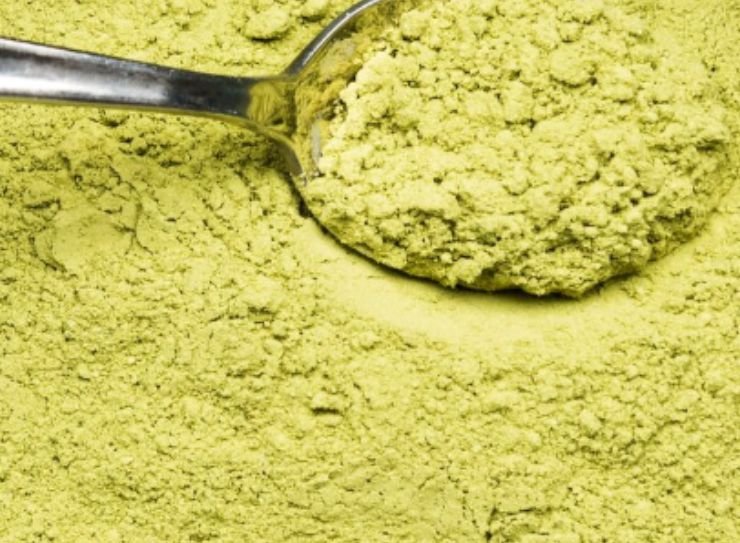
Moringa pod powder turns meals into fiber-rich, plant-powered nourishment, supporting digestion, balanced energy, and simple wellness through natural nutrition.
Moringa pods have long held a place in traditional cooking and wellness practices across Africa, South Asia, and Southeast Asia.
Valued for their fiber, plant protein, and nourishing minerals, these pods have supported everyday meals, home remedies, and cultural food traditions for generations. (See a comprehensive post on moringa pods)
As modern lifestyles demand convenience, moringa pod powder has emerged as a practical way to enjoy these benefits in a concentrated form that fits easily into daily routines.
This guide walks through the key benefits linked to the powder of the moringa pod, its nutritional value, common culinary uses, and important safety tips.
Readers will also gain clear preparation advice and portion guidance, helping moringa pod powder become a confident, balanced addition to wholesome meals and wellness-focused diets.
New to moringa? Start from the introduction to moringa.
Table of Contents
What is Moringa Pod Powder?
Moringa pod powder is a fine, plant-based powder made from the seed pods of the moringa tree. The pods are dried and ground into powder to create a concentrated, easy-to-use form.
Compared to fresh pods, which are cooked and eaten whole, the powder is smoother, lighter, and more convenient for daily use.
Fresh pods have a crunchy texture and mild taste, while the powder has a gentle, earthy flavor that blends easily into meals.
Its low moisture content gives it a longer shelf life when stored properly.
Nutritional Profile of Moringa Pod Powder
This powdered form of moringa pods delivers concentrated nutrition from dried seed pods, supplying vitamins, minerals, fiber, and plant compounds that support digestion, energy, and balanced daily meals.
Vitamins and Minerals
Vitamin C supports immune response and skin repair, while vitamin A contributes to vision and tissue health.
B vitamins assist energy metabolism and nerve function.
Potassium helps regulate fluid balance, calcium supports bones, magnesium aids muscle movement, and iron supports healthy blood circulation and oxygen delivery.
Fiber and Plant Compounds
Dietary fiber promotes smooth digestion, supports gut bacteria, and helps maintain steady blood sugar levels.
Natural plant compounds such as quercetin and chlorogenic acid help manage oxidative stress.
Together, these nutrients support internal balance, satiety, and metabolic function through regular food-based intake.
Comparison With Fresh Pods and Leaves
Compared to fresh pods, moringa pod powder contains more concentrated nutrients due to moisture removal and offers longer shelf stability.
Fresh pods provide crunch and freshness, while leaves supply higher protein.
The powdered pods sit between both, offering balanced fiber, minerals, and a mild taste suited for daily use.
Related Posts
Moringa Bark Powder Uses and Precaution
Moringa Bark: Everything to Know
Moringa Tea: A Comprehensive Guide
Moringa Roots: Nutrition and Medicinal Uses
Health Benefits of Moringa Pod Powder
This form of moringa nutrition supports digestion, metabolic balance, circulation, and daily vitality.
Its fiber, minerals, and plant compounds work together to promote steady wellness through simple dietary inclusion.
Digestive Health and Gut Support
Dietary fiber supports regular bowel movements, reduces bloating, and feeds beneficial gut bacteria.
Gentle plant compounds help the digestive tract function smoothly, allowing nutrients to be absorbed better and meals feel lighter, supporting long-term gut comfort through food-based nourishment.
Blood Sugar and Heart Health Support
Natural fiber slows glucose absorption, supporting stable blood sugar levels after meals.
Potassium and antioxidants aid circulation and blood pressure balance.
These nutrients support heart function while helping manage energy dips linked to sharp sugar spikes.
Anti-Inflammatory and Antioxidant Properties
Plant compounds such as quercetin and chlorogenic acid help reduce oxidative stress and calm inflammatory responses.
Regular intake supports joint comfort, tissue balance, and cellular protection, contributing to healthier internal function without relying on synthetic additives.
Energy and Overall Wellness Benefits
B vitamins support energy release, iron assists oxygen transport, and minerals aid muscle function.
Together, these nutrients help maintain stamina, mental clarity, and daily strength.
Moringa pod powder fits well into meals that support consistent energy and whole-body balance.
Culinary Uses of Moringa Pod Powder
Moringa pod powder brings concentrated nutrition to meals and drinks, making it easy to include plant-based fiber, minerals, and vitamins in everyday cooking and beverages.
Adding to Soups, Stews, and Sauces
Stirring pod powder into soups, stews, or sauces boosts fiber and nutrients without changing the dish’s texture or flavor.
It blends smoothly, enriching broths and sauces while keeping meals wholesome, balanced, and easy to prepare for daily nutrition.
Use in Smoothies, Teas, and Functional Drinks
Pod powder mixes well into smoothies, herbal teas, or other functional drinks, providing plant-based nutrition in liquid form.
Its mild earthy taste complements fruits, herbs, or spices while supporting digestive health, energy, and overall wellness with minimal effort.
Seasoning Blends and Everyday Meals
Incorporating the powder into spice mixes or everyday dishes enhances nutrient content while keeping flavors intact.
Sprinkling it over cooked vegetables, grains, or proteins provides fiber, vitamins, and minerals, helping maintain balanced nutrition through convenient, regular meal preparation.
How to Make Moringa Pod Powder at Home
Creating moringa pod powder at home allows control over quality and freshness, turning raw pods into a convenient, nutrient-rich ingredient for meals, drinks, and wellness recipes.
Selecting and Cleaning Pods
Choose young, tender pods free from blemishes or signs of spoilage.
Rinse them thoroughly under running water to remove dirt, dust, or residues, ensuring the pods are clean and safe before drying and processing into powder.
Drying Methods and Grinding Tips
Pods can be air-dried in a well-ventilated area or dehydrated at low heat to preserve nutrients.
Once fully dried, grind them in a blender or spice grinder until smooth, creating a consistent powder ready for culinary or nutritional use.
Storage and Shelf-Life Best Practices
Store the powder in airtight containers, away from moisture, heat, or direct sunlight.
Proper storage preserves flavor, color, and nutrients, allowing the homemade pod powder to remain usable for several months.
How to Use Moringa Pod Powder Safely
Incorporating moringa pod powder thoughtfully helps maintain digestive comfort, nutrient balance, and overall wellness.
Awareness of portion size and timing ensures benefits without discomfort or adverse effects.
Recommended Daily Intake
Limiting intake to one to two teaspoons per day provides nutrients without overwhelming the digestive system.
Starting with smaller amounts allows observation of how the body responds, helping maintain safe and steady incorporation into meals or drinks.
Best Times and Ways to Consume It
Adding pod powder to breakfast smoothies, mid-day soups, or evening teas helps distribute nutrients across the day.
Combining it with liquids or soft foods improves digestibility and integrates it smoothly into daily routines.
Combining with Other Foods for Better Absorption
Pairing pod powder with healthy fats, proteins, or vitamin C-rich foods enhances nutrient absorption.
For example, adding it to dishes with olive oil, nuts, or citrus fruits ensures vitamins and minerals are better utilized by the body.
Moringa Pod Powder vs Other Moringa Powders
Moringa Pod Powder vs Moringa Leaves Powder
Moringa pod powder provides fiber, potassium, and a mild, slightly sweet taste, ideal for cooking and soups.
Leaf powder is richer in vitamins A, C, and E, antioxidants, and amino acids, making it more suitable for daily nutrition and smoothies.
Moringa Pod Powder vs Moringa Root Powder
Moringa pod powder offers a gentle flavor and minerals for regular meals.
Root powder contains concentrated bioactive compounds, requiring controlled doses and primarily used in traditional remedies or herbal preparations.
Their applications differ due to potency and nutritional focus.
Moringa Pod Powder vs Moringa Flower Powder
Pod powder gives fiber and subtle sweetness to meals, while flower powder emphasizes antioxidants and delicate flavors for teas or infusions.
Daily consumption is safer with pods, while flower powder supports culinary variety with gentle nutrition.
Nutritional and Culinary Differences
Pod powder blends easily into soups, sauces, and drinks without altering texture, emphasizing fiber and minerals.
Leaf powder has a stronger, grassy flavor and is higher in protein.
Flower powder contributes antioxidants and gentle sweetness, ideal for teas or light dishes.
Which Form Suits Different Health Goals
Fiber and digestion support benefit most from pod powder, while leaf powder serves energy, protein, and immune support.
Flower powder works well for antioxidant intake and light culinary applications, allowing tailored use according to nutritional or meal goals.
Side Effects, Precautions, and Interactions
Moringa pod powder provides concentrated nutrients, but awareness of possible side effects and safe use helps maintain digestive comfort, avoid interactions, and ensure suitability for different health conditions.
Possible Digestive Effects
High intake can cause nausea, diarrhea, or mild stomach upset due to fiber and plant compounds.
Starting with small amounts allows observation of tolerance and helps prevent digestive discomfort while incorporating it into meals or drinks.
Who Should Consult a Healthcare Provider
Individuals taking medications for diabetes, blood pressure, or thyroid conditions should seek guidance before regular use.
People with known food allergies or sensitivities also benefit from professional advice to prevent adverse reactions.
Safe Use During Pregnancy or Medical Conditions
Moderation is important for pregnant or breastfeeding individuals and those with chronic illnesses.
Consulting a healthcare provider ensures safe inclusion, portion control, and compatibility with existing treatments or dietary requirements.
Frequently Asked Questions
Can moringa pod powder replace fresh pods?
Moringa pod powder can be used in place of fresh pods in many recipes. It provides similar nutrients but lacks the crunchy texture and fresh flavor of whole pods.
Does cooking affect moringa pod powder’s nutrients?
Cooking with moringa pod powder slightly reduces heat-sensitive vitamins, but most minerals, fiber, and plant compounds remain intact. Gentle cooking preserves nutritional benefits effectively.
How long does moringa pod powder last when stored properly?
When kept in an airtight container away from heat, moisture, and sunlight, moringa pod powder can remain fresh and retain nutrients for up to six to twelve months.
References