
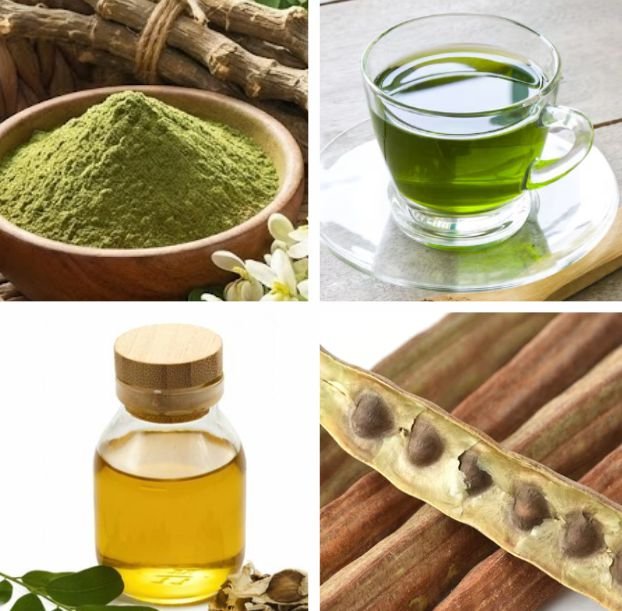
The benefits and uses of moringa span health, culinary, cosmetic, economic, traditional, and medicinal purposes, supporting health, beauty, and daily wellness naturally.
Moringa proves itself far more than a nutrient-packed plant; it is a multi-purpose resource that touches nearly every area of human life.
Its leaves, pods, seeds, bark, and roots contribute not only to nutrition and wellness but also to traditional medicine, cultural heritage, and everyday household practices.
Communities rely on it for food, healing, water purification, and even rituals.
Economically, Moringa supports farmers, small industries, women-led cooperatives, and global commercial markets.
Agriculturally, it thrives in harsh environments, enriches soil, feeds livestock, and strengthens sustainable farming systems.
Its role in cosmetics, culinary innovation, nutraceuticals, and environmental protection further highlights its remarkable versatility.
Altogether, the benefits and uses of Moringa reveal why it remains one of the most valuable and impactful plants in the world today.
If you are already familiar with the uses and benefits, see our post on how to use moringa.
Table of Contents
Moringa and Nutrition
Moringa is widely valued for its rich nutritional makeup, offering a remarkable blend of vitamins, minerals, protein, and antioxidants that contribute to its status as a nutrient powerhouse.
The leaves provide vitamins A, C, and E, along with calcium, potassium, iron, and essential amino acids.
Dried Moringa leaf powder delivers these nutrients in an even more concentrated form, making it an easy way to enrich meals with higher nutrient density.
For a full breakdown of its vitamins, minerals, macronutrients, and antioxidant levels, see the detailed nutritional facts of moringa.
Across many cultures, Moringa has long been integrated into daily diets.
Communities cook the fresh leaves in stews, soups, and sauces, use young pods in curries, and enjoy the seeds roasted or blended into local dishes for added flavor and nourishment.
Medicinal and Therapeutic Benefits and Uses
You use Moringa in traditional medicine because its leaves, pods, and seeds support many healing practices across cultures.
In Ayurveda, you take it to help balance your doshas and maintain daily wellness.
In many African and Asian communities, you rely on Moringa for inflammation, infections, and nutritional problems.
Its healing power comes from strong phytochemicals.
Studies show that Moringa offers anti-inflammatory, antimicrobial, and antioxidant support, helping your body manage common health concerns and oxidative stress.
Research also points to benefits for blood sugar control, healthier cholesterol levels, and weight management due to compounds like quercetin and chlorogenic acid.
Early findings suggest possible anti-cancer activity, with extracts showing potential against some cancer cells.
Using Moringa in your wellness routine connects you to a long line of plant-based healing backed by growing scientific research.
Moringa and Health
Moringa can support your health in many ways. Its leaves help strengthen immunity, reduce inflammation, and support heart health, and research suggests they may help protect cells from damage linked to chronic diseases.
Regular use may improve energy, metabolism, and promote healthy skin and hair.
Seeds can aid digestion, support detoxification, and contribute to immune resilience.
Pods, or drumsticks, are used in traditional medicine to support overall wellness and may help manage blood sugar, blood pressure, and inflammation.
Powdered moringa is easy to add to teas, smoothies, or recipes, providing antioxidants that help protect the body.
Moringa oil can be applied to skin and hair, supporting healing and hydration.
Flowers and roots have traditional uses in addressing infections and supporting liver and kidney function.
Each part links to guides for medicinal, cosmetic, and culinary applications, helping you include moringa safely in your daily routine. See our dedicated post on the health benefits of moringa.
Cultural and Traditional Uses
You see Moringa deeply rooted in cultural life across many African and Asian regions.
In Indian traditions, you use the leaves and pods during prayers and festivals, and the tree is welcomed for bringing health and prosperity.
Families keep it close as a plant that supports both spiritual and practical needs.
You also find Moringa in stories passed down through generations.
These stories highlight its strength, its steady role as food, and the respect people have for it.
This keeps Moringa connected to community identity and shared heritage.
In daily life, you cook the leaves, pods, and seeds in soups, stews, and local dishes because they supply dependable nourishment.
In some communities, you use the seeds to clean water where safe water is hard to find.
Through food, rituals, and daily problem-solving, Moringa remains a trusted part of cultural practice and community life.
Economic Importance of Moringa
You benefit from the growing global demand for Moringa powder, oil, and supplements, which has opened steady income opportunities for farmers and producers.
Countries like India, Nigeria, and the Philippines supply much of the market, and you see more buyers turning to Moringa for food, skincare, and wellness products.
When you grow or process Moringa, you tap into a market that values its nutrient-rich profile.
The powder moves into smoothies, snacks, teas, and supplements, which boosts sales and supports steady earnings for farming communities.
Also, women in rural areas gain financial stability through small cooperatives that process Moringa leaves, seeds, and oil.
Their work strengthens local economies and creates long-term income.
As processing, packaging, and distribution expand, more jobs open beyond farming. This gives you a wider economic chain built around a single reliable crop.
Agricultural and Environmental Benefits of Moringa
You can grow Moringa in dry or poor soil conditions without heavy fertilizer or constant irrigation, making it a reliable crop in challenging climates.
Its drought resistance helps you maintain production even when water is scarce, and its deep roots improve soil structure, prevent erosion, and enrich the land through nitrogen fixation.
When you plant Moringa in hedgerows or mixed farming systems, it protects the soil while supporting nearby crops.
You can also use the leaves as livestock feed for poultry, cattle, goats, and fish, giving your animals protein and nutrients that boost growth and reduce feeding costs.
By cultivating Moringa, you support sustainable agriculture, improve food security, protect the environment, and create practical solutions for both crop and livestock farming in areas with limited resources.
Moringa in Cosmetics
Moringa can be part of your skincare and haircare routine naturally.
Its oil, leaf extracts, and powdered leaves can be applied to the skin to moisturize, soothe, and protect against environmental stress.
You can create masks or creams with moringa to support hydration and promote a healthy, refreshed appearance.
For hair, moringa oil and leaf-based treatments help nourish the scalp, strengthen strands, and encourage growth.
Its antioxidant compounds support skin and hair health by reducing the effects of free radicals and helping maintain elasticity.
Regular use of moringa in topical routines can help reduce signs of aging, improve texture, and promote a healthy glow.
You can also mix powders or extracts into homemade scrubs or conditioners, making it easy to add moringa into your self-care practices.
These cosmetic and topical applications make moringa a practical addition to daily beauty routines.
Culinary Uses of Moringa
You can use nearly every part of Moringa in your cooking, from leaves and pods to seeds, flowers, and even the edible root.
The leaves, rich in vitamins and minerals, can be dried and powdered, then added to smoothies, soups, baked goods, or sprinkled over salads for extra nutrition.
Young Moringa pods are tender and work well in stews, soups, or curries, giving a mild flavor and added nutrients.
You can lightly fry the flowers or mix them into salads for color and taste.
The seeds, with their nutty flavor, can be boiled, roasted, or ground into meals, adding protein and healthy fats.
Even the edible root can be cooked like a vegetable in soups or stir-fries, contributing flavor and nutrients.
You can also brew Moringa tea from leaves or flowers for a refreshing, nourishing drink.
Using Moringa in your meals adds variety, nutrition, and natural flavor.
Forms of Moringa that Enhance Its Usage
Moringa is available in multiple forms, each offering unique ways to enjoy its health benefits.
From powder to oil, seeds, and leaves, you can choose the form that best fits your daily routine.
Moringa Powder
Moringa in powder form is made by drying and grinding the leaves, concentrating vitamins, minerals, and antioxidants.
It mixes easily into smoothies, teas, or meals, making daily intake simple.
Regular consumption can support energy levels, digestive function, immunity, and heart health.
Its convenience and versatility make it ideal for people seeking a practical way to enjoy moringa’s wellness properties every day. More on how moringa powder supports health.
Fresh or Dried Moringa Leaves
Fresh or dried moringa leaves are among the most versatile parts of the plant, packed with vitamins, minerals, antioxidants, and dietary fiber.
They can be added to meals, brewed into teas, or incorporated into smoothies to enhance nutrition without altering flavor significantly.
Cooking leaves in soups, stews, or stir-fries preserves their nutrients while offering digestive support, immune system benefits, and overall wellness.
Dried leaves are particularly convenient for long-term storage, maintaining potency for months while providing a concentrated nutrient source.
Their mild taste and adaptability in cooking make them ideal for everyday consumption, ensuring you can easily incorporate moringa’s natural health-boosting properties into your diet, promoting balanced nutrition and sustained energy throughout the day.
Moringa Seeds
Moringa seeds are nutrient-dense, packed with antioxidants, minerals, and healthy fats.
They can be eaten raw, roasted, or sprouted, supporting digestion, detoxification, and immune function.
Their concentrated plant-based nutrition provides natural energy, promoting overall wellness.
Seeds also have practical uses, including water purification and small-scale economic opportunities through oil extraction or direct sale.
Regular consumption ensures steady intake of bioactive compounds that enhance gut health, cellular protection, and vitality, highlighting both their dietary and functional benefits.
Moringa Oil
Moringa oil, extracted from seeds, is rich in fatty acids, antioxidants, and anti-inflammatory compounds.
It can be used topically to moisturize skin, strengthen hair, and reduce irritation, or in cooking to support heart health and metabolic function.
Its stability under heat makes it versatile for culinary use, while also serving as a premium cosmetic ingredient.
Economically, it offers market value. Moringa oil promotes holistic wellness, blending nutritional, beauty, and medicinal benefits in a natural, versatile form.
Moringa Roots
The roots of moringa contain alkaloids and antioxidants traditionally used for anti-inflammatory, antimicrobial, and digestive support.
They are processed into powders or decoctions to aid gastrointestinal health and liver function.
In some cultures, roots are chewed or boiled as herbal remedies.
Economically, they can be sold as supplements or herbal ingredients.
Caution is advised, as excessive raw consumption may cause toxicity.
When used responsibly, moringa roots provide medicinal, culinary, and economic value, offering diverse applications beyond common leaves and pods.
Moringa Flowers
The flowers of moringa are nutrient-rich, offering antioxidants, vitamins, and minerals.
They are consumed fresh, cooked, or brewed as herbal teas to support reproductive health, enhance lactation, and reduce inflammation.
Beyond nutrition, they provide economic opportunities through sale as fresh, dried, or processed products.
Their delicate, aesthetic appeal makes them popular for ornamental use.
Moringa flowers combine culinary, medicinal, and market value, serving as a versatile part of the tree that supports health, wellness, and small-scale agricultural economies naturally.
Moringa Capsules or Supplements
Moringa capsules or tablets provide a convenient, practical way to access its nutrients, delivering controlled dosages of vitamins, minerals, and antioxidants.
They support immunity, energy, digestion, and overall wellness without preparation.
Ideal for busy lifestyles, capsules ensure consistency in daily intake while maintaining the benefits of moringa in a portable form.
This supplement form allows individuals to enjoy the plant’s nutritional and functional properties efficiently, making it easy to incorporate moringa into modern health routines.
Usage Tips
Including moringa in your daily routine is simple and flexible.
You can add fresh leaves to soups, stews, and salads for natural flavor and wellness support.
Powdered moringa mixes easily into smoothies, teas, or baked recipes, making it convenient to get its benefits at any time of day.
Seeds can be eaten raw, roasted, or pressed for oil to use in cooking or topical applications.
Moringa oil can be applied to skin and hair or drizzled over dishes to add gentle nourishment.
Combining different forms, such as powder in a morning smoothie and seeds in a midday meal, lets you enjoy multiple benefits throughout the day.
By including moringa thoughtfully, you can support immunity, energy, digestion, and overall wellness in ways that fit your lifestyle.
Small additions to drinks, meals, and self-care routines make moringa easy to use every day. See our dedicated post on how to use each part and form of moringa.
Safety Concerns
Using moringa safely means knowing the right amounts and which parts to avoid.
Leaves, seeds, pods, and powder are generally safe in moderate daily doses, but roots and bark should be used cautiously, as large amounts may cause adverse effects.
Some people may experience mild allergic reactions or digestive upset, so it’s best to start with small amounts and observe how your body responds.
Moringa can interact with certain medications, including blood pressure and diabetes treatments, so consulting a healthcare professional is important if you take prescription drugs.
Special care is advised for children, pregnant or breastfeeding women, and anyone with chronic health conditions.
Following recommended usage helps you enjoy moringa’s benefits while reducing risks.
By paying attention to preparation, dosage, and personal health needs, you can include moringa in your diet and wellness routines safely and effectively every day. See a dedicated post on safety concerns and precautions.
Conclusion
The benefits and uses of moringa reach into many areas of daily life, supporting health, beauty, and overall wellness naturally.
You can include leaves, seeds, pods, or powder in meals and drinks to add flavor and plant-based support.
Its oil and extracts make it simple to integrate into skincare and hair routines, providing hydration and nourishment.
Traditional and medicinal uses highlight moringa’s long history in wellness practices, while modern applications show how it can support immunity, energy, digestion, and balance.
By using different parts safely and combining forms like powder, seeds, and oil, you can enjoy the full benefits and uses of moringa in ways that fit your lifestyle, helping you maintain health, beauty, and well-being every day.
Frequently Asked Questions
What are the benefits and uses of moringa?
The benefits and uses of moringa include supporting immunity, reducing inflammation, aiding digestion, boosting energy, protecting heart health, and promoting healthy skin and hair.
How can I use moringa in cooking?
Moringa leaves, seeds, pods, and powder can be added to soups, stews, smoothies, teas, and baked dishes to enjoy its benefits and uses daily.
Can moringa be used for skincare and haircare?
Yes, moringa oil, leaves, and extracts are used topically for skin hydration, hair nourishment, scalp health, and antioxidant support as part of its benefits and uses.
Are there safety concerns with moringa use?
Leaves, seeds, pods, and powder are safe in moderate amounts. Roots and bark need caution. Consult a doctor if pregnant, breastfeeding, or on medication.
References

Chims Clements writes about herbs from personal experience and careful research. Growing up in Aba, Nigeria, moringa and tamarind were everyday household plants long before they became globally recognised superfoods. He uses both regularly in his home today. At Six Herbs he goes deep on moringa, tamarind, fenugreek, and sea moss — building honest, experience-backed content that separates what tradition knows from what science confirms. The content on this site is for informational purposes only and is not medical advice. Always consult a healthcare provider before using herbs medicinally.