
Last updated on September 16th, 2026 at 11:14 am
Tamarind root sounds like folk medicine filler until you check the actual studies. Two published lab studies found measurable anti-inflammatory and antimicrobial activity in root extract specifically, not just claims borrowed from research done on the fruit or leaves instead.
Tamarind root doesn’t get much attention next to the fruit, but it turns out to have some of the more specific research behind it in the whole tamarind family.
This guide covers what tamarind root actually is, which health claims hold up against published studies on the root itself, and which ones are borrowed from research on other parts of the plant.
It also covers practical forms like powder and paste, since those don’t overlap with anything else on this site.
For root tea specifically, I keep the brewing instructions brief here and point to our tamarind tea guide instead.
Disclaimer: Six Herbs is an educational resource, not a medical service. Nothing in this article constitutes medical advice, diagnosis, or treatment. Always consult a qualified healthcare provider before using any herb medicinally, particularly if you are pregnant, breastfeeding, taking medication, or managing a health condition.
Table of Contents
What Is Tamarind Root?
Tamarind root is the underground part of the tamarind tree, used in traditional medicine and cooking.
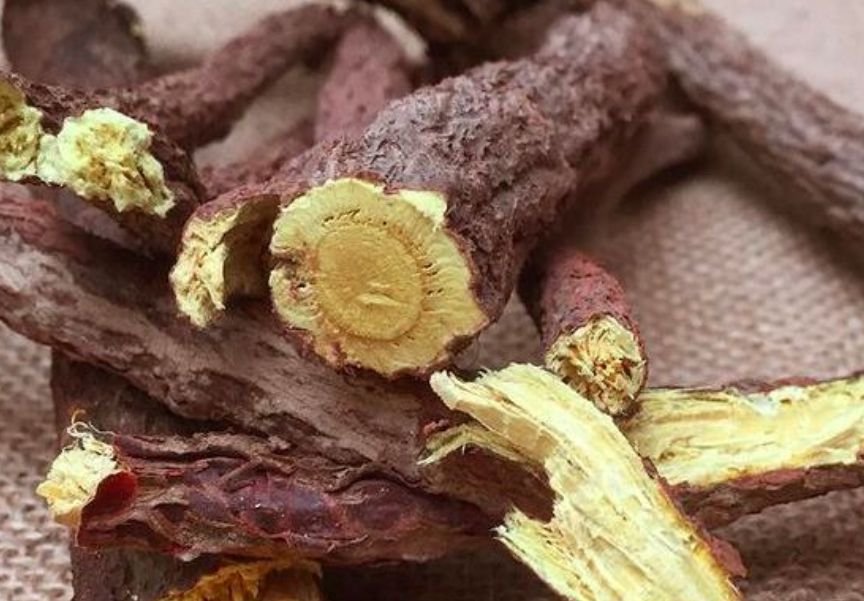
It appears as thick, fibrous material with a rough brown outer layer and a dense, woody interior, sometimes showing natural grooves and knots that reflect the tree’s age.
When prepared for use, pieces are cleaned, dried, or boiled to release their compounds, much like preparing tamarind bark or tamarind leaves for similar herbal uses.
Its aroma is earthy, with a color ranging from pale brown to deeper reddish tones.
Nutritional and Medicinal Compounds in Tamarind Root
Tamarind root contains alkaloids, tannins, antioxidants, flavonoids, and minerals including calcium, potassium, and magnesium.
Tannins act as natural astringents, which is part of why the root has a traditional reputation for managing minor swelling and irritation.
Dietary fiber in the root is also linked to smoother digestion, though this rests on the root’s general composition rather than a dedicated study.
Health Benefits: What’s Backed by Research and What Isn’t
Most tamarind research focuses on the fruit, leaves, or seeds, but a smaller number of studies have tested the root specifically, and it’s worth being clear about which claims come from those versus general assumptions about the plant.
Anti-inflammatory and antimicrobial effects, directly root-specific
A study on Tamarindus indica root extract found it more effective than a standard reference drug in some anti-inflammatory and pain-relief models, alongside antimicrobial activity, detailed in this study on tamarind root extract.
A separate study testing both root and stem bark extracts found both possessed measurable anti-inflammatory and antioxidant activity, supporting their traditional use in treating skin inflammation and wounds, covered in this study on tamarind root and bark extracts.
These are two of the better-supported claims about tamarind root specifically, though both are lab and animal studies rather than human clinical trials.
Digestive support, mostly traditional
The root’s fiber and tannin content plausibly support digestion, and traditional remedies have long used root decoctions for this purpose.
No study in this guide’s research base tested the root specifically for digestive outcomes.
Immune support, extrapolated from general antioxidant activity
The antioxidant activity confirmed in the studies above supports cell protection broadly, which is reasonably connected to immune function, though no study tested tamarind root for immune outcomes directly.
Blood sugar regulation, unconfirmed for the root
Some traditional practices and general tamarind research suggest a possible role in blood sugar regulation, but no study specifically tests tamarind root for this.
If you’re diabetic, treat this as a reason for caution and closer monitoring rather than a reason to rely on the root for blood sugar control.
Traditional and Modern Uses
Herbal decoctions and teas made from the root are the most common traditional preparation, used for digestive comfort and general wellness, much like teas brewed from tamarind pods.
Powdered root, made by drying and grinding the cleaned root, can be added to capsules, teas, or combined with other herbs for more measured, convenient use.
Root pastes, made by soaking and grinding the root, are applied topically in traditional skincare for minor irritation, drawing on the same astringent and antioxidant properties confirmed in the studies above.
Many cultures have used tamarind root this way for generations, particularly for digestive comfort, joint support, and minor skin ailments.
How to Prepare Tamarind Root
- Tea or decoction: Wash the root thoroughly, cut it into small pieces, and boil in water for 20 to 30 minutes before straining. For the fuller method, including how root tea compares to pod, leaf, and bark tea, see our tamarind tea guide.
- Powder: Wash and dry the root completely, then grind it using a mortar and pestle or an electric grinder until smooth. Store in an airtight container to preserve its compounds.
- Paste: Wash and chop the root, soak it in water until soft, then grind it into a paste. This can be applied topically for minor skin irritation or mixed with oils for easier application, or used in small amounts internally for digestive support.
Precautions and Side Effects
Overconsumption can cause digestive discomfort
Too much tamarind root, in any form, may cause mild stomach upset, diarrhea, or bloating. Introduce it gradually and watch how your body responds.
Some people should avoid it or use extra caution
Pregnant or breastfeeding women, and people with diabetes, blood pressure issues, or gastrointestinal disorders, should approach tamarind root cautiously, since its compounds can affect blood sugar or interact with existing treatments.
Medication interactions are possible
Tamarind root may interact with medications for blood sugar, blood pressure, or digestive function.
Clinical references note similar interaction risks for tamarind generally, detailed in the RxList clinical reference on tamarind.
A six-month toxicity study on tamarind pulp extract found it well tolerated at tested doses in animal models, detailed in this toxicology study, though that study tested the fruit, not the root specifically.
Check with a healthcare provider before regular use if you take any of these medications.
Conclusion
Tamarind root holds up better than most obscure herbal ingredients once you check the actual research: two published studies found measurable anti-inflammatory and antimicrobial activity in root extract specifically.
Digestion, blood sugar, and immune claims rest more on tradition and general tamarind research than on root-specific studies, so treat those as reasonable rather than proven.
For tea, see our tamarind tea guide; for powder and paste, the methods here are specific to the root.
If you manage a health condition or take medication, check with your provider before using it regularly.
Frequently Asked Questions
Is there published research on tamarind root specifically?
Yes, two published studies found measurable anti-inflammatory and antimicrobial activity in tamarind root extract itself, not claims borrowed from studies on other parts of the wider tamarind tree.
Can tamarind root help with blood sugar?
Some traditional practices suggest this, but no published study tests tamarind root specifically for blood sugar, so people with diabetes should monitor levels carefully and use extra caution.
How do you prepare tamarind root at home?
Wash and clean the root thoroughly, then boil pieces in water for tea, grind dried root into powder, or soak and grind it into a smooth, concentrated paste.
Who should avoid tamarind root?
Pregnant or breastfeeding women, people with diabetes or gastrointestinal conditions, and anyone taking blood-thinning or blood-sugar medication should check with a doctor first before starting any regular use.

Chims Clements writes about herbs from personal experience and careful research. Growing up in Aba, Nigeria, moringa and tamarind were everyday household plants long before they became globally recognised superfoods. He uses both regularly in his home today. At Six Herbs he goes deep on moringa, tamarind, fenugreek, and sea moss — building honest, experience-backed content that separates what tradition knows from what science confirms. The content on this site is for informational purposes only and is not medical advice. Always consult a healthcare provider before using herbs medicinally.