
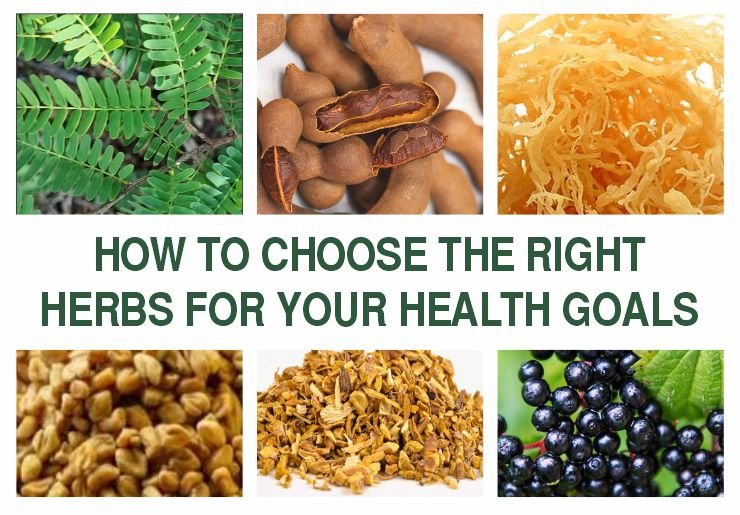
Choosing the right herbs starts with understanding your body’s needs, not trends. Match each herb to clear health goals, so you build a routine that works and avoid wasting time on options that don’t support you.
Herbs play a steady role in your daily health, supporting how your body feels and functions.
And that is why knowing how to choose the right herbs for your health needs is nonnegotiable.
Energy levels, digestion, immunity, stress, and sleep all respond to different herbal remedies and natural supplements.
Picking the right ones saves effort and brings better results.
Of course, it is a simple logic that a herb that boosts energy may not suit digestion, and one for immune support may not help with sleep.
Clear choices lead to a routine that fits your needs.
This guide shows you how to match herbs to your health goals, choose the right forms, and build a simple plan that works for your lifestyle without confusion or wasted effort.
Table of Contents
Understand Your Health Goals First
Clear health goals shape every choice you make with herbs and natural remedies.
Think about what your body needs right now: more energy, better digestion, stronger immunity, balanced hormones, or support for stress and sleep.
Each goal points to different herbal support, and mixing them without focus can slow results.
Energy boosting herbs differ from those used for gut health or immune support.
Clarity keeps your routine simple, targeted, and easier to track.
Notice how you feel daily, pay attention to symptoms, and choose herbs that match those signals.
A focused plan helps you avoid wasting money, prevents confusion, and leads to better results that fit your lifestyle.
How to Determine What Your Health Needs for Herbs Are
Determining your health needs for herbs starts with paying attention to your body and lifestyle.
Notice energy levels, digestion, sleep patterns, stress, and immune response to identify areas that need support.
Consider your diet, daily routine, age, and any health conditions, as these influence how herbs work.
Instead of guessing, going for tests like blood work, nutrient panels, or hormone checks gives clear insight into deficiencies or imbalances, guiding targeted herb choices.
Keeping a simple journal of symptoms, mood, and how you feel after trying an herb helps track what works best.
Start with gentle options and observe your body’s response before adding multiple herbs.
Consulting a healthcare professional is important if you have chronic conditions, take medications, or are pregnant.
Matching your health goals to the right herbs ensures safety, effectiveness, and meaningful results.
Learn the Basic Types of Herbs
Getting familiar with herb categories helps you choose faster and with confidence.
Each group supports a specific need, so knowing where a herb fits makes your routine clearer and more effective.
Adaptogens for Stress Support
Adaptogenic herbs help your body handle stress and stay balanced.
Daily pressure, poor sleep, and mental fatigue can drain you, so these herbs support energy levels and calm your system.
Common options include ashwagandha and rhodiola, used for stress relief, focus, and steady mood without sudden crashes.
Digestive Herbs for Gut Health
Digestive herbs support how your body breaks down food and absorbs nutrients.
Bloating, gas, or slow digestion can signal a need for gut support.
Ginger, peppermint, tamarind, and fennel help ease discomfort, improve digestion, and support a healthy gut, making meals feel lighter and easier to process.
Immune-Support Herbs for Body Defense
Immune-support herbs help your body fight infections and stay strong.
Frequent colds or low energy can point to weak immune function.
Elderberry, echinacea, and garlic support immune response, help reduce symptoms, and keep your body ready to handle seasonal changes and everyday exposure.
Detoxifying Herbs for Internal Cleanse
Detoxifying herbs support your body’s natural cleansing systems, especially the liver and kidneys.
Poor diet, stress, and environmental toxins can build up, affecting how you feel.
Herbs like dandelion root and milk thistle help support detox, improve digestion, and promote better internal balance.
Nutrient-Dense Herbs for Daily Nutrition
Nutrient-dense herbs supply vitamins, minerals, and antioxidants that support overall health.
Low energy or a poor diet can leave gaps in nutrition.
Moringa, nettle, and spirulina help fill those gaps, support energy, and improve daily wellness through simple, natural plant-based nutrition.
Match Herbs to Specific Health Goals
Clear health goals guide your herb choices and help you avoid wasting time on the wrong options.
Energy support herbs like ginseng and moringa help reduce fatigue and improve daily performance.
Digestive herbs such as ginger and peppermint ease bloating, gas, and slow digestion while supporting better nutrient absorption.
Immune-support herbs like elderberry and garlic help strengthen your body’s defense, especially during stress or seasonal changes.
Detox herbs, including dandelion and nettle, support natural cleansing, while stronger options are best used for short periods.
Stress and sleep herbs like chamomile and ashwagandha help calm your system, improve sleep quality, and support better balance, making your routine more effective and easier to maintain.
Consider Your Body and Lifestyle
Your body and daily habits shape how herbs work for you. Age, diet, routine, and sensitivities all affect results, so personal factors should guide every choice you make.
Age, Diet, and Daily Routine
Your age, eating habits, and daily schedule influence how your body responds to herbal remedies.
A busy routine may need easy-to-use forms like powders or teas. Diet quality also matters, as nutrient gaps can affect results, so herbs should support your lifestyle, not complicate it.
Sensitivities and Allergies
Certain herbs can trigger reactions, especially if you have food sensitivities or allergies.
Paying attention to how your body responds helps you avoid discomfort.
Start with small amounts, watch for changes, and choose gentle herbs first, so your body adjusts without stress or unwanted side effects.
Existing Health Conditions
Health conditions can affect how herbs work in your body. Some herbs may interact with medications or worsen certain issues.
Checking what suits your condition helps you stay safe.
Simple research or guidance from a health professional can help you choose herbs that support your needs.
Why One Herb Doesn’t Fit Everyone
Each body responds differently to herbs due to metabolism, lifestyle, and health status.
A herb that works well for someone else may not suit you.
Paying attention to your body helps you adjust choices, avoid frustration, and build a routine that truly fits your needs.
Choose the Right Form of Herbs
Herbs come in many forms, each affecting how your body absorbs nutrients and fits into your routine.
Choosing the right form helps you get results without complicating daily habits.
Powders
Powdered herbs blend easily into smoothies, juices, or meals, making them convenient for daily use.
They often absorb faster than whole herbs, giving your body quicker access to nutrients.
Powders are ideal if you prefer flexibility and like mixing herbs into your existing diet without swallowing capsules.
Teas
Herbal teas provide hydration and gentle absorption of active compounds.
Steeping herbs releases nutrients slowly, supporting digestion and relaxation.
Teas are perfect if you enjoy warm drinks, want a calming routine, or need a soothing way to take herbs throughout the day.
Capsules
Capsules deliver precise doses with minimal taste, making them convenient for busy schedules or travel.
They work well if consistency matters most and you want an easy, mess-free option without measuring powders or brewing teas.
Tinctures
Liquid tinctures are concentrated extracts, absorbed quickly under the tongue or in water.
They are useful if fast results are needed or if you want flexible dosing.
Tinctures can be strong, so start small and adjust based on how your body responds.
Fresh vs Dried Herbs
Fresh herbs retain certain volatile compounds, offering flavor and nutrients, while dried herbs are more shelf-stable and concentrated.
Choice depends on availability, potency, and how you plan to use them in meals, teas, or remedies.
Check Quality and Sourcing
The quality of herbs shapes how effective they are and how your body responds.
Being attentive to sourcing, freshness, and suppliers ensures your routine delivers real benefits without unwanted risks.
Organic vs Non-Organic
Organic herbs are grown without synthetic pesticides or fertilizers, reducing chemical exposure and supporting cleaner intake.
Non-organic options may be cheaper but can carry residues.
Choosing organic when possible protects your health and helps you get the full benefit from nutrients and active compounds.
Freshness and Processing Methods
Freshness impacts potency, flavor, and effectiveness. How herbs are dried, stored, or processed also matters, as improper handling can reduce nutrient content.
Look for herbs kept in sealed containers, away from heat and light, to preserve active compounds and ensure maximum results.
Trusted Suppliers
Reliable suppliers guarantee quality, purity, and accurate labeling.
Buying from reputable sources reduces the risk of contamination, fake products, or low-potency herbs.
Reviews, certifications, and transparency about sourcing help you pick suppliers you can trust for consistent results.
Why Quality Affects Results
Herbs that are old, poorly processed, or contaminated may not provide benefits and can even cause harm.
High-quality herbs retain active compounds and nutrients, making your routine more effective and safe.
Investing in quality ensures your body absorbs what it needs and supports your health goals fully.
Know When to Seek Professional Advice
Herbs can support health, but certain situations require guidance to keep you safe.
Consulting a professional ensures your choices complement your body, lifestyle, and any treatments you may be using.
Chronic Conditions
Long-term conditions like diabetes, heart disease, or digestive disorders can be affected by herbs.
Some herbs may alter blood sugar, blood pressure, or other body processes.
Checking with a healthcare provider helps avoid complications and ensures herbs support your condition instead of interfering.
Pregnancy or Medications
Pregnancy, breastfeeding, and prescription medications require caution.
Herbs can affect hormone levels, fetal development, or interact with drugs.
Professional advice ensures you use safe options that support your health without risk to you or your baby.
When Herbs May Interact with Treatments
Herbs can change how treatments work, enhancing or reducing their effects.
Awareness of possible interactions prevents unwanted side effects and supports your overall health plan.
Discussing your herbal routine with a professional helps maintain safety and effectiveness.
Common Mistakes to Avoid
Even the best herbs won’t work if routines include common missteps.
Recognizing pitfalls helps you get results safely, avoid frustration, and make herbal support part of your daily life.
Choosing Herbs Based on Trends
Following popular herbs without considering your goals can waste time and money.
Not every trending herb fits your needs, and what works for others may not suit your body.
Focus on herbs that match your health priorities for meaningful results.
Ignoring Dosage
Taking too little may have no effect, while too much can cause side effects.
Paying attention to recommended amounts, form, and frequency ensures herbs work safely and effectively for your body.
Expecting Instant Results
Herbs support your body gradually, not immediately. Effects build with consistent use, so patience matters.
Tracking changes over days or weeks helps you see real benefits and adjust routines as needed.
Mixing Incompatible Herbs
Combining herbs without knowing interactions can reduce effectiveness or cause discomfort.
Some herbs may compete or amplify effects. Research combinations carefully or seek guidance to create safe, complementary routines.
Conclusion
Choosing herbs that fit your health goals, body, and lifestyle creates a routine that actually works.
Matching forms, quality, and dosages helps your body absorb nutrients effectively.
Paying attention to sensitivities, conditions, and potential interactions keeps you safe.
Patience and consistency turn herbal support into real results, while avoiding trends and common mistakes saves time and effort.
By planning thoughtfully, observing how your body responds, and adjusting when needed, herbs can become a reliable part of your daily wellness, supporting energy, digestion, immunity, stress, and sleep in ways that suit you personally.
Frequently Asked Questions
How do I know which herb is right for my goal?
Look at your specific health needs, body signals, and lifestyle. Match herbs that support energy, digestion, immunity, stress, or sleep for best results.
Can I take multiple herbs at the same time?
Some combinations work well, but others may interfere or cause side effects. Research interactions or consult a professional before mixing herbs in your routine.
Are herbal supplements safe during pregnancy or with medications?
Certain herbs can affect hormones or interact with medications. Always check with a healthcare provider to ensure safety before use.
How long before I notice benefits from herbs?
Herbs work gradually. Some effects appear in days, others in weeks. Consistent use, correct dosage, and matching your goals help you see real results.

Chims Clements writes about herbs from personal experience and careful research. Growing up in Aba, Nigeria, moringa and tamarind were everyday household plants long before they became globally recognised superfoods. He uses both regularly in his home today. At Six Herbs he goes deep on moringa, tamarind, fenugreek, and sea moss — building honest, experience-backed content that separates what tradition knows from what science confirms. The content on this site is for informational purposes only and is not medical advice. Always consult a healthcare provider before using herbs medicinally.