
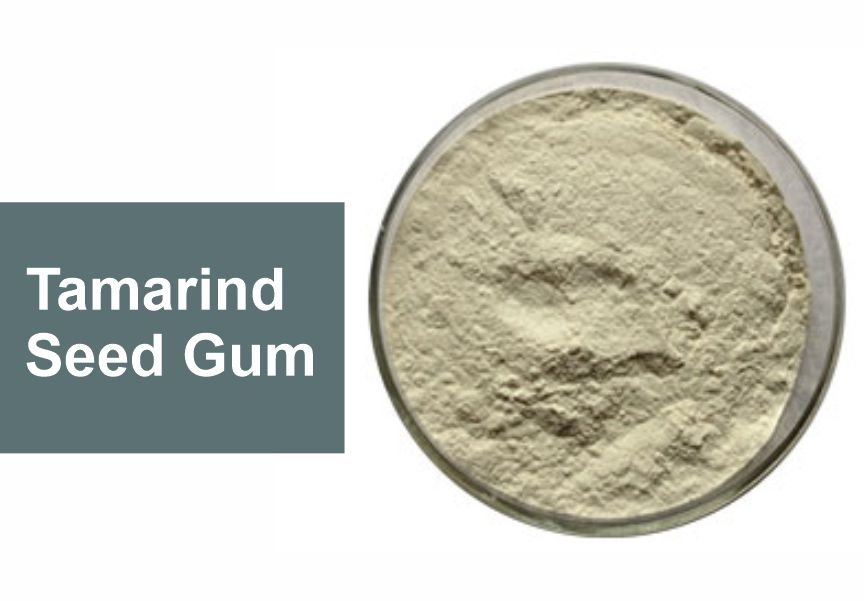
Tamarind seed gum is quietly transforming textures, stabilizing foods, and unlocking surprising benefits across industries and everyday kitchen creations worldwide.
Tamarind grows across tropical regions, known for its tangy pulp used in sauces, drinks, and traditional recipes.
What you may overlook is the value hidden in its seeds, which support the production of tamarind seed gum with wide practical uses.
As you look closer, you will notice its growing role in food processing, improving texture, stability, and shelf life in everyday products.
It also finds space in pharmaceuticals and cosmetics, supporting formulations that require consistency and smooth performance.
Paying attention to this shift can help you see new opportunities in natural ingredients, clean label trends, and cost-effective solutions shaping modern industries. See the beginner’s guide on tamarind.
Table of Contents
What is Tamarind Seed Gum?
Tamarind seed gum, also called tamarind seed polysaccharide, is a natural polysaccharide extracted from tamarind seeds, used as a thickening, stabilizing, and gelling agent.
Composition and Nutritional Properties of Tamarind Seed Gum
Looking closer at tamarind seed gum reveals how its structure supports texture, stability, and functionality.
Each component plays a role in how your food, cosmetic, or industrial formulations perform daily.
Polysaccharide Structure and Function
At the core, tamarind seed gum contains complex polysaccharides, mainly xyloglucan, which gives it strong thickening and stabilizing power.
This structure helps you control viscosity, improve mouthfeel, and maintain consistency in sauces, dairy products, and gluten-free recipes, making your formulations more reliable and easier to manage.
- Xyloglucan: Drives thickening, stabilizing, and gel formation, helping you control viscosity and improve texture.
- Glucose backbone: Supports structural strength, keeping formulations stable during mixing and storage.
- Xylose and galactose side chains: Improve solubility and hydration, allowing smooth blending in food and cosmetic systems.
Fiber Content and Digestive Support
Natural dietary fiber within tamarind seeds supports digestive health and gut balance.
When added to food products, it can help improve digestion, promote satiety, and support regular bowel movement.
This makes it useful for functional foods aimed at better gut health and improved daily nutrition.
- Soluble fiber: Helps regulate digestion and supports gut health by forming a gel-like consistency.
- Insoluble fiber: Adds bulk to stool, supporting regular bowel movement and digestive comfort.
- Prebiotic compounds: Feed beneficial gut bacteria, supporting a balanced microbiome and better nutrient absorption.
Protein and Minor Nutrients
Small amounts of protein and trace minerals like potassium, magnesium, and calcium are present in tamarind seed derivatives.
These nutrients contribute to product value, especially in health-focused formulations.
Including it in your process can support nutritional labeling while maintaining texture and stability in finished products.
- Plant protein: Supports structure and binding in formulations, while adding nutritional value.
- Potassium: Helps maintain fluid balance and supports normal cell function.
- Magnesium: Contributes to enzyme activity and supports muscle and nerve function.
- Calcium: Supports bone health and adds value to fortified food products.
Low Fat and Calorie Contribution
Low-fat content makes tamarind seed gum suitable for low-calorie and reduced-fat formulations.
It allows you to maintain thickness and structure without adding extra calories.
This supports clean label goals, helping you create products that feel rich while aligning with modern dietary preferences.
- Low lipid content: Keeps formulations light while maintaining desired thickness.
- Minimal calories: Supports calorie-controlled products without affecting texture.
- Neutral profile: Blends easily without altering taste, making it suitable across product types.
Water Binding and Stability Properties
Strong water-binding capacity allows tamarind seed gum to retain moisture and prevent separation.
This helps you extend shelf life, reduce syneresis, and maintain product quality during storage.
In cosmetics and pharmaceuticals, it supports smooth application and consistent performance, improving the overall user experience.
- Emulsion support: Keeps oil and water phases stable, reducing separation in products.
- Hydrophilic groups: It absorbs water efficiently, improving moisture retention and consistency.
- Gel-forming ability: Helps maintain structure in semi-solid and liquid formulations.
Related Posts
Uses and Benefits of Tamarind Seed Oil
How to Make a Tamarind Smoothie at Home
Steps to Extract Gum from Tamarind Seeds
Extracting tamarind seed gum involves a series of careful steps that determine its quality, texture, and performance.
Following the right process helps you get a smooth, functional gum suitable for food, cosmetic, or pharmaceutical use.
Cleaning and Drying Seeds
Start by removing pulp, dirt, and any damaged seeds.
Washing thoroughly and drying under controlled conditions prevents microbial growth and preserves natural properties.
Clean, dry seeds make the extraction process more efficient and ensure the final gum has a consistent texture, color, and solubility for your applications.
Dehulling and Grinding
Removing the hard seed coat exposes the inner kernel, which contains the polysaccharides needed for gum.
Grinding the dehulled seeds into a fine powder increases surface area, making it easier to extract the gum while maintaining viscosity and thickening properties.
Properly ground seeds give better yield and smoother results.
Extraction with Water or Mild Alkali
Mix the powdered seeds with hot water or a mild alkali solution to release the gum.
Gentle heating and stirring help dissolve polysaccharides without breaking them down.
This step determines viscosity, gel strength, and hydration capacity, ensuring your gum performs reliably in sauces, creams, or industrial formulations.
Filtration and Purification
Filter the mixture to remove insoluble seed fragments and impurities.
This step ensures clarity, smooth texture, and uniform consistency.
Clean, filtered gum reduces the risk of sedimentation or clumping in your final product, making it easier to work with and improving shelf stability.
Drying and Final Powdering
Dry the extracted gum using low heat or sun drying, then grind it into a fine, uniform powder.
Proper drying preserves water-binding properties and prevents microbial growth.
The resulting powder is ready to use, offering consistent thickening, stabilizing, and gel-forming performance in your formulations.
Tamarind Seed Polysaccharide (Gum)
The gum from the tamarind seed finds applications across food, pharmaceutical, cosmetic, and industrial sectors.
Its natural thickening, stabilizing, and water-binding properties make it a reliable ingredient for your formulations and daily products.
Food Industry
In cooking and food production, tamarind seed gum helps control texture and consistency.
- Thickening sauces, jams, and beverages: It improves mouthfeel, prevents separation, and maintains smooth texture in liquid and semi-solid foods, giving you consistent results in cooking or commercial processing.
- Natural emulsifier: Helps blend oil and water phases in dressings, beverages, or dairy products, keeping your mixtures stable and visually appealing over storage.
Pharmaceutical Applications
Its functional properties support controlled drug delivery and product stability in medical formulations.
- Controlled-release tablets: Tamarind seed gum slows dissolution, allowing medication to release steadily over time, supporting better therapeutic outcomes.
- Digestive health support: Soluble fiber and gel-forming properties aid gut function when included in supplements, promoting satiety and intestinal comfort for patients.
Cosmetic and Other Uses
Its ability to bind water and improve texture makes it valuable in skincare and industrial products.
- Skin-care formulations: Adds smoothness, hydration, and stability to creams, lotions, and gels, improving application and user experience.
- Industrial applications: Supports textile sizing, adhesives, and coatings by providing viscosity control, water retention, and structural consistency for reliable performance.
Benefits of Tamarind Gum
Tamarind seed polysaccharide brings more than texture to your products.
Its natural, plant-based properties provide functional advantages for digestion, product formulation, and the environment, making it a smart choice across industries.
Supports Digestion and Gut Health
Soluble fiber and gel-forming properties help maintain smooth digestion and gut comfort.
Including tamarind seed gum in your food or supplements can support regular bowel movements, feed beneficial gut bacteria, and promote overall digestive balance, giving your body gentle, natural support while improving nutrient absorption and gut function.
Natural Plant-Based Alternative to Synthetic Thickeners
This gum offers a clean-label option to replace synthetic additives.
In sauces, jams, beverages, and dairy, it controls viscosity, improves texture, and stabilizes mixtures without artificial chemicals.
Your products can maintain smooth consistency and shelf stability while meeting growing consumer demand for recognizable, plant-based ingredients.
Biodegradable and Environmentally Friendly
Its plant origin ensures tamarind seed gum breaks down naturally, reducing environmental impact compared to chemical thickeners.
Using it in your formulations supports sustainable practices, from food production to cosmetics and industrial applications, all while delivering reliable thickening, water-binding, and stabilizing performance.
Safety and Dosage Considerations
Tamarind seed polysaccharide is generally safe when used in foods, supplements, and cosmetic products.
Following proper amounts, monitoring sensitivities, and considering age ensures effective, reliable, and comfortable use in your formulations.
Typical Daily Usage Levels in Foods and Supplements
For food products, using 0.1 to 1 percent of total weight ensures proper thickening and stabilizing.
In supplements, 1–3 grams per day supports gut health while maintaining texture and viscosity.
Possible Side Effects or Allergies
High intake above recommended levels may cause mild digestive discomfort, bloating, or gas.
Rare allergies could trigger skin irritation or sensitivity. Monitoring your tolerance prevents unwanted reactions while retaining benefits.
Recommendations for Different Age Groups
Children should consume 0.5–1 gram daily, adults 1–3 grams, and older adults 1–2 grams. Adjusting intake for age ensures digestive comfort, safety, and consistent performance in your products.
How to Add Tamarind Seed Gum
Knowing different ways to use it correctly helps you create smooth, stable, and professional-feeling results in your kitchen.
Smoothies and Beverages
Adding a small pinch (about 0.2–0.5 grams per cup) of tamarind seed gum to smoothies, juices, or milkshakes thickens the liquid naturally.
Stirring thoroughly ensures even hydration, preventing lumps while giving your drinks a creamy texture, improved viscosity, and longer-lasting freshness without changing the flavor.
Sauces and Dressings
In sauces, gravies, and salad dressings, 0.1–0.3 percent of the total mixture weight helps prevent separation and keeps the consistency smooth.
Gentle heating or whisking dissolves the gum evenly, improving stability and mouthfeel so your sauces hold together longer on plates or in storage.
Baked Goods and Doughs
Incorporating 0.3–0.5 percent of flour weight into bread, muffins, or pastry dough enhances moisture retention and structure.
It helps your baked goods rise evenly, reduces crumbling, and keeps them soft longer, while supporting gluten-free or low-fat recipes where texture can otherwise be a challenge.
Conclusion
Tamarind seed gum proves itself as a natural, reliable ingredient, improving texture, stability, and consistency across foods, beverages, cosmetics, and pharmaceuticals.
Its plant-based properties support digestive health, act as a clean-label thickener, and reduce environmental impact.
Incorporating it into your kitchen or formulations adds functional benefits, extends shelf life, and provides a smooth, professional finish.
Paying attention to proper usage and dosage ensures safety and effectiveness, allowing you to harness its full potential.
From everyday recipes to industrial applications, tamarind seed gum offers practical, sustainable, and versatile solutions for modern products.
Frequently Asked Questions
Can tamarind seed gum replace cornstarch?
Yes, tamarind seed gum can replace cornstarch in recipes. It thickens sauces, soups, and desserts naturally, offering a smoother texture and improved stability.
Is it safe for children and pregnant women?
Tamarind seed gum is generally safe in moderate amounts. Children and pregnant women should follow recommended daily intakes to avoid digestive discomfort or mild bloating.
How does it differ from tamarind seed powder?
Tamarind seed gum is extracted and purified for thickening and stabilizing, while tamarind seed powder is whole ground seeds, less soluble, and less consistent for recipes.
Where can I buy high-quality tamarind seed gum?
High-quality tamarind seed gum is available from specialty food suppliers, natural ingredient stores, and reputable online retailers focused on clean-label, plant-based, or industrial-grade products.
References

Chims Clements writes about herbs from personal experience and careful research. Growing up in Aba, Nigeria, moringa and tamarind were everyday household plants long before they became globally recognised superfoods. He uses both regularly in his home today. At Six Herbs he goes deep on moringa, tamarind, fenugreek, and sea moss — building honest, experience-backed content that separates what tradition knows from what science confirms. The content on this site is for informational purposes only and is not medical advice. Always consult a healthcare provider before using herbs medicinally.