
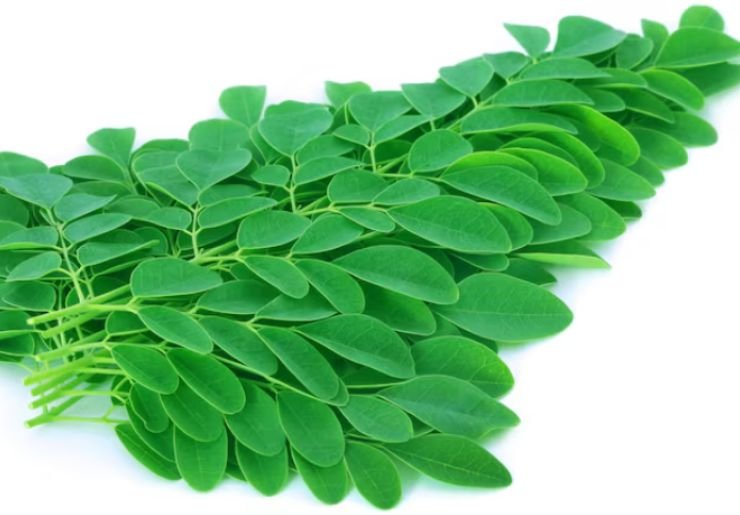
Moringa leaves have antioxidant benefits and protect your cells naturally, supporting immunity, skin, heart, and overall wellness through simple, daily food-based nutrition.
Antioxidants help your body fight oxidative stress, protect cells, and support overall wellness.
Moringa leaves are rich in natural antioxidants, including vitamins, polyphenols, and plant compounds, that work gently with your body. See moringa leaves nutrition facts.
Including these leaves in meals, smoothies, or teas provides daily nutrient support while helping reduce free radical damage.
People use moringa leaves not only for general health but also to support immunity, skin, heart, and metabolic balance.
Adding them to your diet is a simple way to incorporate natural protection into everyday life, helping your body stay resilient and energized through food-based, nutrient-rich choices.
Table of Contents
What Are Antioxidants and Why Do They Matter
Free radicals are unstable molecules that can damage your cells, proteins, and DNA, contributing to aging and disease risk.
Antioxidants neutralize these molecules, helping protect your body from oxidative stress.
By including antioxidant-rich foods like moringa leaves in your diet, you support cellular health, reduce inflammation, and maintain overall wellness.
Consistent intake of antioxidants plays a key role in long-term health and disease prevention.
Antioxidants Found in Moringa Leaves
Moringa leaves are packed with natural antioxidants that protect your cells and support overall health.
Including them regularly in meals or drinks helps combat oxidative stress naturally.
Vitamin C and Vitamin E
Vitamin C and E in moringa leaves help neutralize free radicals, supporting immune function and protecting cells from oxidative damage.
These vitamins also help maintain healthy skin, blood vessels, and energy metabolism when consumed consistently.
Beta-Carotene (Vitamin A Precursor)
Beta-carotene converts to vitamin A in your body, supporting vision, skin health, and antioxidant protection.
Moringa leaves provide a plant-based source that complements other nutrient-rich foods in your diet.
Flavonoids and Polyphenols
Plant compounds like flavonoids and polyphenols combat oxidative stress and support healthy inflammation responses.
Regular intake of moringa leaves helps maintain cellular balance and contributes to long-term wellness.
Chlorophyll and Plant Enzymes
Chlorophyll and natural plant enzymes help reduce free radical buildup and support detoxification.
Adding moringa leaves to smoothies, teas, or meals allows these compounds to work gently while supporting overall antioxidant defense.
How Moringa Leaves Antioxidants Benefit the Body
Moringa leaves provide antioxidants that help protect cells, support immunity, and maintain healthy circulation and brain function.
Including them in meals or drinks allows these compounds to work gently and consistently.
Cellular Protection
Antioxidants in moringa leaves reduce oxidative damage to your cells, helping maintain normal function.
This protection slows cellular aging, supports tissue repair, and keeps your body’s systems working efficiently, making daily energy and overall wellness easier to sustain.
Immune System Support
Vitamin C, E, and plant compounds in moringa leaves strengthen your immune system.
Regular intake helps your body respond to daily environmental stressors, supporting natural defenses and promoting quicker recovery from minor infections or immune challenges.
Heart and Circulatory Health
Antioxidants help protect blood vessels from oxidative stress, reducing strain on the heart and arteries.
Moringa leaves also support healthy cholesterol and blood pressure levels, contributing to smoother circulation and lower cardiovascular risk through everyday dietary use.
Brain Health and Cognitive Support
Oxidative stress can damage neurons and affect memory or focus.
Antioxidants in moringa leaves help protect brain cells, support cognitive function, and may help maintain mental clarity, alertness, and memory performance as part of a nutrient-rich diet.
Related Posts
Moringa Leaves Benefits for Menopause
How to Use Moringa Leaves for Food
How Moringa Leaves Benefit Health
Guide to Moringa Leaves Powder
Moringa Leaves Antioxidant Benefits for Different Groups
Moringa leaves can be included in everyday meals or drinks to support your body’s natural defense against oxidative stress, tailored to your lifestyle and age.
Adults Under Daily Stress
Daily stress from work, pollution, or poor sleep increases free radicals in your body.
Antioxidants in moringa leaves help neutralize these molecules, supporting cell protection and energy balance.
Adding them to smoothies, teas, or cooked meals provides gentle, ongoing antioxidant support.
Older Adults
As you age, your cells face more oxidative damage, which can affect skin, circulation, and overall vitality.
Moringa leaves provide vitamins, polyphenols, and plant compounds that help reduce age-related oxidative stress, supporting healthy aging and maintaining resilience.
Active Individuals
Exercise produces free radicals that can temporarily strain cells.
Antioxidants in moringa leaves help protect muscles and tissues, support recovery, and reduce oxidative stress caused by intense physical activity.
Regular intake can complement a balanced, nutrient-rich diet for active lifestyles.
Best Ways to Use Moringa Leaves for Maximum Antioxidant Benefits
Using moringa leaves in the right way helps your body get the most antioxidants while keeping flavors and nutrients intact. Simple daily habits make this easy.
Fresh vs Dried Leaves
Fresh moringa leaves retain moisture, fiber, and many antioxidants, making them ideal for cooked meals or salads.
Dried moringa leaves and powder are convenient for teas, smoothies, or long-term storage.
Both forms provide antioxidant support, so choose based on convenience and how you like to include them in your diet.
Tea, Smoothies, Soups, and Meals
Moringa leaves can be brewed as tea, blended into smoothies, stirred into soups, or added to cooked dishes.
Tea and smoothies deliver antioxidants quickly, while soups and meals combine nutrients with fiber for steady absorption and longer-lasting benefits.
Cooking Tips to Preserve Antioxidant Content
Avoid overcooking, which can reduce antioxidant potency.
Lightly sauté, steam, or add leaves at the end of cooking. Using minimal water preserves vitamins and polyphenols.
For tea or smoothies, use gentle heat or blend raw to maintain maximum antioxidant activity.
How Often Can Moringa Leaves Be Used?
Regular, moderate use of moringa leaves helps your body benefit from antioxidants while supporting overall health naturally.
Consistency matters more than large amounts at once.
Daily Dietary Intake Guidance
Including a small handful of fresh leaves or 1–2 teaspoons of dried powder each day provides steady antioxidant support.
Using moringa in teas, smoothies, soups, or meals allows nutrients to work gradually, supporting cell protection and overall wellness.
Emphasizing Food-Based, Long-Term Use
Moringa leaves work best as part of your daily diet rather than as concentrated supplements.
Combining them with other nutrient-rich fruits, vegetables, and whole foods strengthens antioxidant intake and supports long-term health benefits safely and effectively.
Safety and Precautions
Moringa leaves are safe for most people when consumed in moderate, food-based amounts.
Awareness and balance help you enjoy the benefits without unwanted effects.
Moderation to Avoid Overconsumption
Large amounts of moringa leaves or powder can cause mild digestive discomfort.
Stick to moderate portions, such as a handful of fresh leaves or 1–2 teaspoons of dried powder daily, to support antioxidant benefits safely.
Considerations for Pregnancy or Medical Conditions
If you are pregnant, breastfeeding, or have existing medical conditions, consult a healthcare provider before adding moringa leaves regularly.
While generally safe, individual circumstances may require adjustments to portion or frequency.
Conclusion
Moringa leaves provide a rich, natural source of antioxidants that support your body’s defenses, protect cells from oxidative stress, and promote overall wellness.
Regular intake helps maintain heart, brain, and immune health while supporting healthy aging.
Fresh or dried leaves can be added to teas, smoothies, soups, or meals, making them easy to include in your daily routine.
Consistent, moderate use paired with a balanced diet maximizes benefits safely, helping your body stay resilient, energized, and better able to handle daily stressors naturally.
Frequently Asked Questions
How many moringa leaves should I eat daily for antioxidants?
A small handful of fresh leaves or 1–2 teaspoons of dried powder daily is sufficient for steady antioxidant support.
Can moringa leaves be used in smoothies and cooked meals?
Yes, both fresh and dried leaves can be blended into smoothies or added to soups and meals, preserving nutrients with light preparation.
Are moringa leaves safe during pregnancy?
Fresh and dried moringa leaves are generally safe in food amounts, but consult a healthcare provider before regular use if pregnant or breastfeeding.
Can antioxidants from moringa leaves prevent aging?
They help reduce oxidative stress at the cellular level, supporting skin, brain, and heart health, but overall lifestyle and diet also play a key role.
Reference