
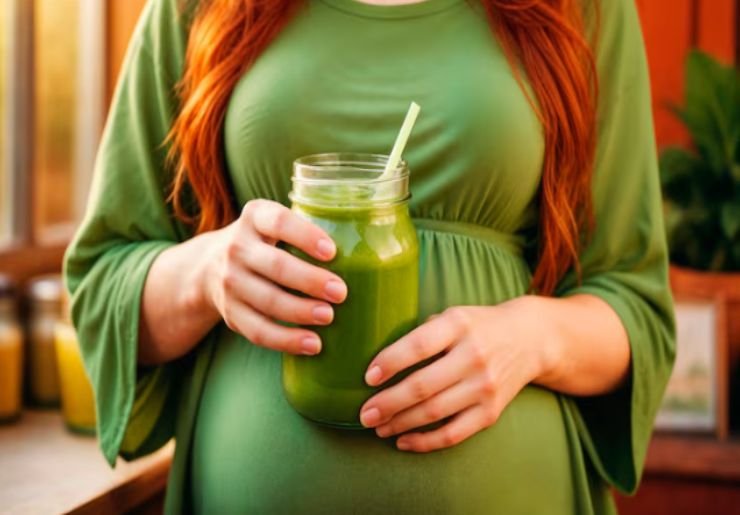
Moringa for pregnant women supports healthy fetal development and provides essential nutrients for a smoother pregnancy journey.
Moringa can support your body throughout pregnancy, providing nutrients that help maintain energy and combat fatigue.
Including it in your diet may help strengthen bones, support blood health, and contribute to steady fetal growth.
Rich in iron, calcium, and vitamins A, C, and E, it supplies what your body needs to meet increased demands, while supporting your immune system.
You might notice more stable energy levels and reduced risk of common pregnancy challenges like anemia.
Adding moringa to smoothies, teas, or meals can make daily nutrition easier to manage, helping you feel nourished and confident as your body adapts to the needs of pregnancy and prepares for the months ahead.
Table of Contents
Nutritional Profile of Moringa for Pregnant Women
Pregnancy increases your body’s demand for nutrients, and adding moringa can help supply iron, calcium, folate, vitamins, and protein that support both your health and your baby’s growth. More on the general moringa nutritional information.
Iron for Healthy Blood and Energy
Iron in moringa helps your body produce hemoglobin, improving oxygen flow to your growing baby.
Including moringa leaves in your diet can reduce fatigue and lower the risk of anemia, supporting steady energy levels throughout pregnancy without relying on heavy supplements.
Calcium for Strong Bones and Teeth
Calcium from moringa supports the development of your baby’s bones and teeth.
Plant-based calcium in moringa leaves provides a clean, low-fat option, especially helpful if you follow a vegetarian or vegan diet, making it easy to meet your daily calcium needs naturally.
Folate for Fetal Development
Folate in moringa promotes healthy fetal growth and helps prevent neural tube defects.
Regularly adding moringa to meals can contribute to your well-being and support early development, giving your baby a strong start from the earliest stages of pregnancy.
Vitamin C for Immunity and Iron Absorption
Vitamin C in moringa aids tissue repair, strengthens your immune system, and improves iron absorption.
Including moringa in your diet helps your body make the most of its nutrients while keeping you energized and better protected against illness.
Vitamin A for Growth and Vision
Vitamin A in moringa contributes to your baby’s eye development and immune health.
Adding moringa leaves or powder to your meals ensures steady vitamin intake, supporting healthy growth and development throughout pregnancy.
Protein for Tissue Growth
Protein is critical for forming fetal tissues and supporting your changing body.
Moringa powder delivers concentrated plant-based protein, making it simple to meet daily requirements while keeping meals easy and nutrient-rich.
Related Posts
Benefits of Moringa for Pregnant Women
Pregnancy brings new demands on your body, and adding moringa can provide nutrients and support that help your health and your baby’s development every step of the way.
Supports Healthy Fetal Growth
Vitamins and minerals in moringa, including folate, calcium, and vitamin A, supply what your baby needs for strong bones, eyes, and overall growth.
Regular intake can reduce the risk of neural tube defects and give your little one a strong start.
Prevents Anemia and Boosts Energy
Iron-rich moringa helps your body maintain healthy hemoglobin levels, improving oxygen transport.
This can reduce fatigue, support steady energy, and help you feel more vital throughout your pregnancy.
Strengthens Immunity
Antioxidants and antimicrobial compounds in moringa support your immune system, helping protect you and your baby from infections.
Keeping your immunity strong can lead to a smoother, healthier pregnancy experience.
Supports Lactation Post-Delivery
Nutrient-dense moringa may increase breast milk production after birth.
Consuming it during pregnancy can help your body prepare for breastfeeding, keeping energy levels steady during the early postpartum months.
Promotes Overall Maternal Well-Being
Including moringa in your meals can help meet daily nutrient needs, support digestion, and maintain energy.
Small additions, like smoothies, teas, or soups, make it easy to nourish yourself while caring for your growing baby.
How to Safely Use Moringa During Pregnancy
Adding moringa to your diet during pregnancy can support your health and your baby’s growth, but following the right dosage and forms ensures safety and effectiveness.
Fresh Leaves for Everyday Meals
Fresh moringa leaves can be added to soups, stews, or salads after thorough washing.
Consuming about 1 to 2 cups per week helps provide iron, calcium, and vitamins without overwhelming your system.
Regular use adds nutrients steadily, supporting energy levels and fetal development naturally.
Cooked Pods as a Nutritious Side
Pods of moringa can be included in curries or vegetable dishes. One cup of cooked pods, several times a week, delivers calcium, protein, and antioxidants.
Cooking properly unlocks nutrients and ensures they are easy to digest, making meals both safe and nourishing.
Moringa Powder for Convenient Supplementation
Powdered moringa can be mixed into smoothies, oatmeal, or yogurt. Stick to half a teaspoon to one teaspoon per day.
This small amount is enough to gain vitamins and minerals while avoiding excessive intake that could strain your body.
Avoid Concentrated Extracts Without Guidance
High-dose moringa extracts or supplements may carry uncertain concentrations.
Consulting your healthcare provider before using these ensures safety, helping you and your baby get the benefits without unnecessary risks.
Moringa Preparations for Pregnant Women
Adding moringa to your diet can be simple and enjoyable, helping you get the vitamins and minerals your body and baby need during pregnancy.
There are many easy ways to include it in daily meals.
Soups and Stews for Nutrient-Rich Meals
Tossing fresh moringa leaves or powder into soups and stews boosts iron, calcium, and vitamins A and C.
Simmer vegetables like carrots, spinach, and garlic with moringa for a flavorful, nourishing dish that supports your immune system and keeps energy levels steady.
Smoothies for Convenient Nutrition
Blending moringa powder with fruits such as bananas, mangoes, or spinach creates a nutrient-packed drink.
Perfect as a snack or quick meal, smoothies deliver vitamins, minerals, and energy that help you stay nourished throughout the day.
Tea for Hydration and Health
Steeping moringa leaves or powder in hot water makes a soothing tea.
Enjoy it hot or cold to hydrate and absorb nutrients, adding a gentle boost to your daily routine without extra effort.
Everyday Meals Made Easy
Sprinkle moringa powder over salads, mix it into omelets, or add it to baked goods like muffins.
These small additions provide essential nutrients without changing the flavor of your favorite dishes, making it easy to stay consistent.
Safety Considerations and Precautions for Moringa During Pregnancy
Moringa can support your pregnancy, but not all parts of the plant are safe.
Knowing which forms to use and how much to consume helps protect both you and your baby.
Avoid Roots, Bark, and High-Dose Seeds
Moringa roots, moringa bark, and unprocessed seeds contain compounds that may trigger uterine contractions.
Staying away from these parts eliminates risks that could harm you or your developing baby.
Focus on safe forms to gain nutrients without worry.
Moderate Leaf Consumption
Moringa leaves are generally safe, but too much can cause digestive discomfort like nausea, diarrhea, or gas.
Introducing leaves gradually into meals helps your body adjust and ensures you benefit from nutrients without side effects.
Watch for Allergic Reactions
Some people may react to moringa with itching, swelling, or difficulty breathing.
Paying attention to your body after first use is key, and stopping consumption if any symptoms appear protects your health. See moringa risks, warning and safety.
Consult Your Healthcare Provider
Before adding moringa to your pregnancy diet, speak with a doctor or nutritionist.
Personalized guidance ensures you receive the benefits safely while avoiding complications and supporting your overall well-being.
Moringa for Postpartum and Lactation Support
Moringa offers valuable support for women during postpartum recovery and breastfeeding.
Packed with vitamins A, C, B-complex, calcium, and essential amino acids, it helps replenish nutrients lost during childbirth and supports energy levels.
One key benefit is its potential to enhance milk production, as phytoestrogens in moringa may stimulate lactation and help establish a consistent breastfeeding routine.
Calcium and other minerals also contribute to both maternal and infant bone health.
Beyond lactation, moringa can aid postpartum recovery by reducing inflammation, supporting tissue repair, and promoting overall well-being.
Generally safe when consumed in moderation, moringa can be added to meals, smoothies, or teas.
Consulting a healthcare professional ensures safe integration, allowing new mothers to nourish themselves while providing essential nutrients to their babies through breast milk.
See a dedicated post on moringa for breastfeeding mothers.
Conclusion
Moringa can support your pregnancy and postpartum journey by providing iron, calcium, protein, and vitamins that boost energy, immunity, and overall well-being.
Regularly including moringa in meals, smoothies, or teas helps maintain steady nutrient intake, supports healthy fetal development, reduces fatigue, and promotes recovery after childbirth.
Its gentle, natural profile can aid lactation, strengthen bones, and enhance maternal health.
With mindful use, moderation, and guidance from healthcare providers, moringa offers a safe, nourishing way to support both you and your baby throughout pregnancy and the postpartum period.
Frequently Asked Questions
What is the best form of moringa for pregnant women?
Fresh leaves, cooked pods, and powder are safest, providing nutrients while avoiding roots, bark, and high-dose seeds that may pose risks.
How much moringa should I consume during pregnancy?
Stick to 1–2 cups of fresh leaves weekly, one cup of cooked pods, or ½–1 teaspoon of powder daily for safe nutrient intake.
Can moringa help with milk production after birth?
Moringa may support lactation by stimulating milk production, supplying vitamins and minerals that enhance nutrient-rich breast milk for your baby.
Are there any side effects of moringa during pregnancy?
Excessive consumption can cause nausea, gas, or diarrhea, and allergic reactions are possible, so monitor your body and consult a healthcare professional.
References