
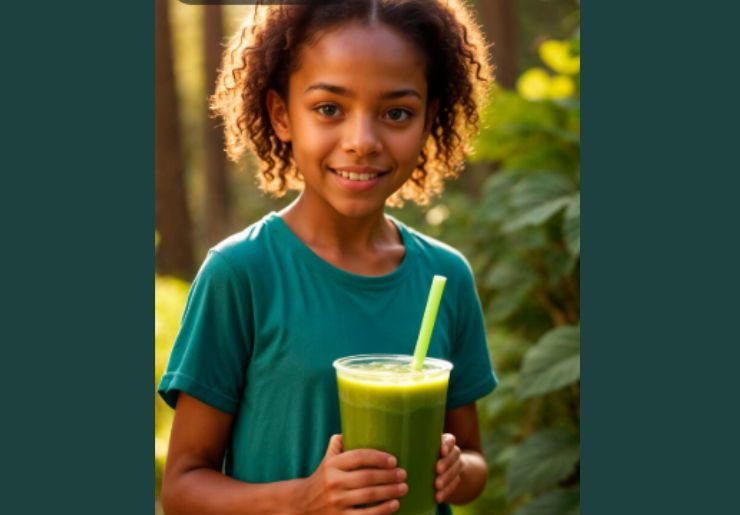
Moringa for children supports growth and healthy development, strengthens immunity, and provides essential nutrients, with safe dosage tips.
Moringa provides children with nutrients that support growth, immunity, and energy, helping their bodies stay strong during rapid development.
Vitamins A, C, and E help maintain a healthy immune system, while calcium and iron contribute to strong bones and healthy blood.
Amino acids and antioxidants support overall wellness and cognitive function, helping your child stay active and focused throughout the day.
Incorporating moringa into meals, smoothies, or snacks is simple, making it easy to add nutrition without fuss.
With its natural nutrient profile, moringa can help fill dietary gaps, support healthy growth, and give your child the energy they need to thrive during school, play, and daily activities.
If you are getting started with the miracle tree, start from the beginning: introduction to Moringa.
Table of Contents
Nutritional Profile of Moringa for Kids
Moringa supplies children with vitamins, minerals, protein, and antioxidants that support growth, energy, immunity, and overall health, making it easy to include in daily meals and snacks. See the general nutritional facts of moringa.
Vitamins That Support Immunity and Vision
Vitamin A supports healthy vision and eye development, while vitamin C strengthens immunity and protects cells, helping children stay healthy and active throughout daily activities.
Minerals for Strong Bones and Energy
Calcium builds strong bones and teeth, while iron supports hemoglobin production and energy, helping children maintain stamina for school, play, and sports activities.
Protein and Amino Acids for Growth
Moringa provides all nine essential amino acids, supporting tissue growth, muscle repair, and healthy development, especially for children with limited protein intake from other foods.
Fiber and Digestive Health
Dietary fiber in moringa aids digestion, supports healthy gut function, and helps maintain a balanced weight, keeping children comfortable and energetic throughout the day.
Antioxidants That Protect and Support Development
Antioxidants in moringa combat oxidative stress, protect cells from damage, and support healthy development, helping children grow strong while staying resilient to environmental and lifestyle stressors.
Potential Benefits of Moringa for Children
Moringa provides nutrients that support immunity, energy, digestion, and growth, helping children stay active, focused, and healthy while meeting their daily nutritional needs naturally.
Supports a Strong Immune System
Antioxidants and vitamins in moringa strengthen the immune system, helping children fight infections, recover quickly from illnesses, and stay healthy during school and play activities.
Boosts Energy and Focus
Protein and micronutrients in moringa help maintain steady energy levels, supporting concentration, learning, and active play, keeping children alert and engaged throughout their day.
Promotes Digestive Health
Dietary fiber in moringa encourages regular bowel movements, prevents constipation, and supports nutrient absorption, contributing to a healthy gut and overall well-being.
Supports Skin and Hair Health
Vitamins, minerals, and antioxidants in moringa nourish skin and hair, improve hydration, and help maintain healthy growth for children with active lifestyles.
Safe Ways to Introduce Moringa to Children
Introducing moringa carefully helps children enjoy its benefits while avoiding digestive upset or reactions, making it simple to add nutrients safely into meals and snacks.
Start with Small Amounts of Moringa Powder
Mix a quarter teaspoon of ground moringa leaves into smoothies, yogurt, or oatmeal, gradually increasing to one teaspoon, letting the digestive system adjust without discomfort.
Incorporate Cooked Leaves into Meals
Add small portions of cooked moringa leaves to soups, stews, or stir-fries, allowing children to explore flavors while receiving vitamins and minerals safely.
Offer Moringa Pods as Snacks
Tender moringa pods can be a snack for children over three, introduced in small servings to encourage acceptance and safe consumption.
Avoid Roots and Bark
Only leaf-based parts should be given to children, as moringa roots, bark, and seeds may be toxic and could cause harm if consumed.
Creative Ways to Incorporate Moringa into Kids’ Diets
Adding moringa to meals can be simple and fun, helping children enjoy nutrient-rich foods while supporting growth, immunity, and energy naturally every day.
Blend Moringa into Smoothies
Mix moringa powder with fruits like bananas, mangoes, or berries to mask its taste, creating vibrant, nutrient-packed smoothies children enjoy drinking daily.
Stir Moringa into Porridge or Oatmeal
Add moringa powder to porridge or oatmeal with milk, honey, cinnamon, or fruit, providing a balanced breakfast that supports energy and overall wellness.
Add Moringa to Soups and Stews
Sprinkle moringa powder into soups or stews at the end of cooking, preserving nutrients while blending flavors, so children receive health benefits unnoticed.
Mix Moringa into Baked Goods and Snacks
Incorporate moringa into muffins, pancakes, or yogurt dips, turning favorite treats into nutrient-rich options that encourage healthy eating and make mealtime fun.
Safety Considerations and Precautions
Introducing moringa thoughtfully ensures children receive its benefits without digestive issues or allergic reactions, helping parents add this nutrient-rich food safely into daily meals.
Start with Small Amounts
Begin with tiny portions of moringa powder or cooked leaves, gradually increasing, to allow the digestive system to adjust and prevent nausea, cramps, or diarrhea.
Watch for Allergic Reactions
Monitor for rashes, itching, or swelling, especially if the child has a history of plant-related allergies, stopping use immediately if symptoms appear.
Use Only Safe Plant Parts
Stick to leaves and pods, which are safe for children. Avoid seeds, bark, or roots, as these parts may be harmful or toxic.
Consult a Pediatrician
Check with a healthcare professional before regular use, especially if your child has medical conditions, dietary restrictions, or takes other supplements.
Moringa’s Role in Overall Child Health
Moringa supports your child’s growth, immunity, and overall health, helping them stay active and strong during daily activities.
Calcium in moringa promotes healthy bones and teeth, supporting skeletal development and reducing the risk of deficiencies like rickets.
Iron aids hemoglobin production, improving oxygen delivery for energy, focus, and mental alertness, which is vital during school and play.
Antioxidants and anti-inflammatory compounds help protect cells from damage, supporting long-term wellness and resilience against illness.
Adding moringa to meals, smoothies, or snacks can fill dietary gaps, complementing a balanced diet with a variety of foods.
Regular inclusion can help your child maintain energy, support cognitive function, and build a strong foundation for healthy growth and overall well-being.
Moringa Compared with Other Nutritional Supplements for Kids
Moringa provides children with natural, plant-based nutrients, offering vitamins, minerals, and protein in a single source, making it an easy addition to support growth, immunity, and energy.
Natural vs. Synthetic Supplements
Unlike many commercial supplements with artificial additives, moringa delivers nutrients directly from the plant, giving children a cleaner, organic option that fits into a healthy diet.
Vitamins and Minerals for Growth
Vitamins A, C, and E support immune function, while iron, calcium, and protein promote strong bones and muscles, helping children stay active and maintain energy levels daily.
Holistic Nutrition in One Source
Moringa provides multiple nutrients together, improving absorption and supporting overall health more naturally than supplements that only offer isolated vitamins or minerals.
Complement, Don’t Replace a Balanced Diet
While moringa is beneficial, children still need a varied diet of fruits, vegetables, whole grains, and proteins to meet all nutritional requirements effectively.
Conclusion
Moringa offers a natural way to support your child’s growth, immunity, and energy, making it easier to meet daily nutritional needs.
Regular inclusion in smoothies, meals, or snacks provides vitamins, minerals, protein, and antioxidants, helping maintain strong bones, healthy blood, and steady energy. Its fiber supports digestion, while antioxidants protect cells and aid long-term wellness.
When combined with a balanced diet of fruits, vegetables, and proteins, moringa can help children thrive, stay active, and focus throughout the day, laying a foundation for healthy growth, resilient immunity, and overall well-being.
Frequently Asked Questions
How much moringa is safe for children?
Start with a quarter teaspoon of powder for children over one, gradually increasing to one teaspoon, adjusting based on tolerance and digestive comfort.
What forms of moringa are best for kids?
Leaf-based options like powder, cooked leaves, or tender pods are safe, providing nutrients while avoiding roots, bark, or seeds that can be harmful.
Can moringa help with immunity?
Vitamins A, C, and antioxidants in moringa support immune function, helping children fight infections, recover faster, and stay healthy during school and play.
How can moringa be added to meals?
Mix moringa powder into smoothies, oatmeal, soups, baked goods, or yogurt dips, making it easy to include nutrients without affecting taste or routine.
References