
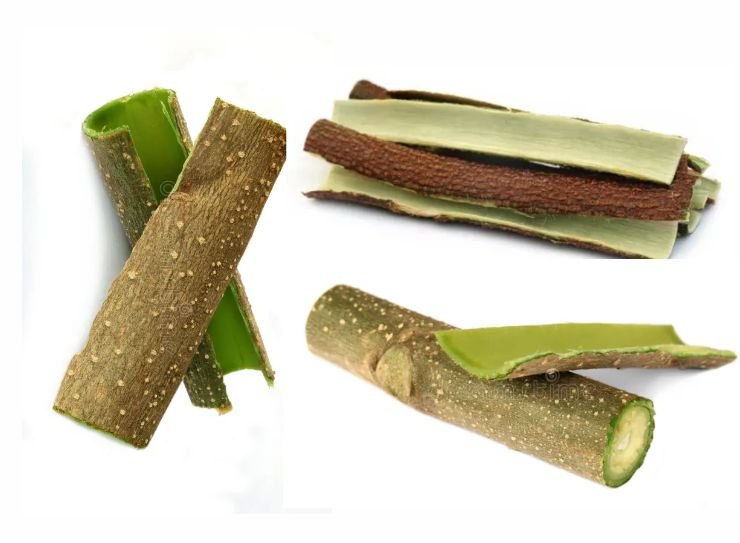
Moringa bark offers health-boosting nutrients and antioxidants, but must be approached with caution to ensure safe, effective use and benefits.
Moringa bark, harvested from the Moringa oleifera tree, has been valued for centuries in traditional medicine for its therapeutic properties.
Traditionally, it has been used to support digestive health, reduce inflammation, and promote overall wellness.
Herbalists and wellness practitioners often incorporate moringa bark into remedies, teas, and topical applications, appreciating its natural nutrients and bioactive compounds.
While its potential health benefits are significant, moringa bark must be approached with caution, as improper use may lead to adverse effects.
In this article, we explore the nutritional profile, medicinal uses, and practical applications of moringa bark while applying safety considerations.
For everything about moringa, start with the basics of moringa.
Table of Contents
What is Moringa Bark?
Moringa bark is the outer layer of the Moringa oleifera tree’s trunk and branches, traditionally used in herbal medicine. Rich in nutrients, antioxidants, and bioactive compounds, it supports wellness practices and remedies.
Its therapeutic properties make it a valued natural ingredient in teas, powders, and topical applications.
Description of the Bark
Moringa bark is rough and fibrous, with a grayish-brown outer surface that may show vertical fissures or slight peeling.
The inner layer is lighter, softer, and slightly spongy. When broken, it reveals a pale beige to light brown color. It has a faint earthy aroma and a firm texture, making it easy to distinguish from leaves or wood.
Forms Available: Raw, Powdered, or Extracts
Moringa bark is available in several forms to suit different applications. Raw bark can be used in traditional decoctions or chewed for medicinal purposes.
Powdered bark is convenient for teas, capsules, or cooking, while concentrated extracts offer a potent form for supplements and topical treatments.
Each form preserves key bioactive compounds for health benefits.
Nutritional and Phytochemical Profile
Moringa bark contains a variety of nutrients and plant compounds that contribute to health and wellness.
Its composition offers more than just basic nutrition, supporting traditional remedies, herbal teas, and dietary supplements with natural bioactive elements.
However, caution should be applied:
Key Bioactive Compounds
Moringa bark contains alkaloids, tannins, and antioxidants, each playing a role in supporting the body.
Alkaloids may aid in digestion and blood sugar regulation, tannins contribute to anti-inflammatory effects, and antioxidants help counter oxidative stress.
These compounds work together, offering a natural way to support wellness through careful preparation and consumption.
Vitamins and Minerals Present
This bark provides vitamins like B-complex, vitamin C, and small amounts of vitamin A, alongside minerals such as calcium, potassium, and iron.
These nutrients support metabolic processes, bone health, and overall body function, making it a practical addition to herbal teas, decoctions, or powdered supplements for everyday wellness.
How Bark Composition Differs from Other Moringa Parts
Compared to leaves, pods, and seeds, the bark has a higher concentration of tannins and specific alkaloids, while containing fewer proteins and vitamins.
Its chemical makeup gives it distinct herbal properties, which influence how it is used in traditional remedies and wellness practices, offering effects different from other moringa parts.
Dangers in Moringa Bark Composition
Moringa bark contains alkaloids and tannins that, in large amounts, may irritate the digestive system, lower blood pressure, or affect liver and kidney function.
Excessive consumption can lead to nausea, vomiting, or diarrhea.
Pregnant and breastfeeding individuals should avoid high doses due to potential uterine effects.
Careful measurement and moderate use help minimize risks, making it safer to enjoy the bark’s benefits in teas, powders, or herbal remedies.
How Moringa Bark Compares with Other Moringa Parts
Moringa, often called the drumstick tree, provides different health benefits depending on which part of the plant is used.
Leaves, seeds, roots, pods, and bark each offer specific nutrients and medicinal properties, allowing flexibility in traditional and modern herbal applications.
Leaves: Nutrient-Rich and Widely Used
Moringa leaves are high in vitamins A, C, and E, as well as iron, calcium, and protein.
They are commonly consumed fresh, powdered, or as extracts to support immunity, energy, and overall health.
While leaves excel in general nutrition, their antibacterial and skin-supportive effects are less prominent than those found in the bark.
Roots and Seeds: Detox and Water Purification
Moringa roots are sometimes used in traditional remedies for detoxification, but excessive consumption may be toxic.
The seeds contain natural coagulants, useful for water purification, and also offer healthy fats and protein.
Bark, by contrast, provides safer internal and external applications for digestion, inflammation, and pain relief, making it suitable for broader use.
Bark: Complementary Therapeutic Applications
The bark is valued for antimicrobial, anti-inflammatory, and digestive-supporting compounds.
It often complements leaves, roots, or seeds in traditional medicine, particularly for remedies targeting skin, digestive, or inflammatory conditions.
While leaves nourish the body broadly, the bark delivers targeted therapeutic effects that expand the plant’s overall medicinal potential.
Pods: Culinary and Mild Wellness Benefits
Moringa pods are primarily consumed for flavor and mild nutrient content, including fiber and vitamins.
They are often used in cooking, soups, or stews.
Compared with pods, bark offers more concentrated medicinal compounds, making it better suited for teas, decoctions, and external applications in herbal treatments.
Traditional and Cultural Uses
The bark of the Moringa tree has supported communities for centuries, serving both health and cultural purposes.
Across regions, it has been valued for its natural compounds, incorporated into remedies, teas, and wellness routines.
Its historical use reflects a balance between nutrition and medicinal application, guiding modern practices.
Historical Uses in Folk Medicine
Folk healers prepared the bark in decoctions or poultices to relieve digestive discomfort, reduce fever, and support joint and muscle health.
Alkaloids and tannins contributed to mild pain relief and anti-inflammatory effects.
Recipes were adapted to local ingredients, showing how traditional knowledge shaped natural medicine.
Cultural Significance in Various Regions
In Africa, Asia, and parts of South America, this tree bark held symbolic and practical value. It appeared in ceremonies, daily wellness routines, and cooking.
Generations passed down techniques for teas and remedies, preserving both its cultural and medicinal importance.
Common Ailments Treated
Traditional use targeted digestive issues, mild inflammation, joint pain, and occasional fever.
Certain communities also applied it for blood sugar and blood pressure management.
The natural compounds offered support for these conditions when consumed carefully and in measured amounts.
Health Benefits of Moringa Bark
Moringa bark provides natural support for immunity, digestion, heart health, and blood sugar management.
Packed with antioxidants, minerals, and plant compounds, it can be incorporated into teas, powders, or supplements safely.
Immune Support
Antioxidants and vitamins in the bark strengthen the immune system, fight free radicals, and improve oxygen delivery.
Regular use in teas or smoothies helps defend against infections and supports overall resilience naturally.
Anti-Inflammatory Effects
Flavonoids, tannins, and saponins in the bark help regulate inflammatory responses, relieve joint or gut inflammation, and reduce oxidative stress. Including it in the diet promotes comfort, mobility, and wellness.
Digestive Health Benefits
High fiber and phytochemicals in moringa bark support bowel regularity, improve gut bacteria, and aid nutrient absorption.
Consuming it in meals or teas can ease constipation, gastritis, or acid reflux naturally.
Cardiovascular Benefits
Minerals like potassium, calcium, and magnesium, along with antioxidants, support blood pressure regulation, circulation, and heart function.
Regular intake may lower cardiovascular risks while maintaining vascular health.
Blood Sugar Support
Bioactive compounds such as flavonoids improve insulin sensitivity and glucose metabolism.
Consuming bark in teas, powders, or capsules can stabilize blood sugar, reduce energy fluctuations, and support metabolic health.
Digestive Benefits in Traditional Medicine
Ayurvedic preparations use moringa bark to ease bloating, gas, constipation, and diarrhea.
Decoctions or infusions extract active compounds, allowing internal or external use to support digestion and gut balance safely.
Fever and Anti-Inflammatory Uses
Herbalists recommend bark extracts to lower fever and ease inflammation.
Conditions such as arthritis may benefit from its anti-inflammatory effects, which come from specific phytochemicals.
Regular, measured use of decoctions or infusions can help manage mild inflammatory discomfort while supporting overall well-being through natural compounds.
Wound Care and Antibacterial Applications
The bark can be applied as a poultice to aid wound healing.
Its antibacterial properties help prevent infection and promote recovery, making it a common choice in traditional herbal practices.
Local communities have relied on this use for minor cuts, scrapes, and skin irritations for generations.
How to Use Moringa Bark
Using moringa bark in daily routines depends on simple methods that match wellness goals.
Traditional and modern options include teas, decoctions, powders, and supplements, each offering minerals, antioxidants, and plant compounds in measured amounts.
Herbal Teas and Decoctions
Teas and decoctions remain the most common forms. Chopped bark simmered in water releases tannins, alkaloids, and antioxidants.
The drink supports digestion and general wellness when taken in small servings.
Natural additions like ginger or honey help balance taste and improve comfort during use.
Powder in Foods and Drinks
Powdered bark blends easily into smoothies, soups, or warm beverages.
This method allows steady intake of calcium, potassium, magnesium, and trace minerals.
Mixing small amounts with meals helps support bone health and muscle function while avoiding digestive discomfort linked to excessive use.
Capsules and Extracts
Capsules and extracts offer a convenient option for those avoiding home preparation.
These forms provide measured doses and consistent strength.
Extracts mix well with drinks, while capsules suit daily routines.
Following recommended intake guidelines helps reduce side effects and supports safe long-term use.
Combining With Other Ingredients Safely
Herbal teas often combine the bark with ginger, cloves, or lemon to improve taste and digestion.
Mixing with calming herbs like chamomile may help balance its effects.
Powders blend well with honey or warm water. Avoid combining with strong laxatives or blood pressure herbs, as interactions may increase unwanted reactions.
Moringa Bark in Herbal Preparations
Herbal preparations made from moringa bark rely on careful processing and traditional methods passed through generations.
Proper drying, grinding, and preparation help retain active compounds while making the bark safer and more effective for internal and external use.
Drying and Processing Methods
Freshly harvested bark is dried to reduce moisture and prevent mold growth.
Shade drying is preferred, as it helps preserve phytochemicals and nutrients.
Once fully dried, the bark becomes stable for storage and later use.
Proper processing ensures consistent quality for herbal remedies and reduces the risk of spoilage or contamination.
Powders, Decoctions, and Infusions
Dried bark can be ground into powder for teas, capsules, or blended remedies.
Decoctions involve boiling chopped pieces to extract tannins, alkaloids, and antioxidants more efficiently.
Infusions use steeping rather than boiling, offering a milder option for those sensitive to strong herbal preparations while still supporting digestion and wellness.
Poultices and External Applications
Ground bark mixed with clean water forms a paste for external use.
Poultices are applied to the skin to support wound care, ease inflammation, and reduce minor swelling.
Antimicrobial and anti-inflammatory compounds contribute to these effects.
Clean preparation and limited application time help prevent skin irritation or reactions.
Forms of Moringa Bark
Different forms make it easier to fit moringa bark into daily wellness habits.
Each option offers plant compounds, minerals, and antioxidants, with preparation methods that suit teas, supplements, and simple home remedies.
Choosing the right form depends on ease of use, dosage control, and personal preference.
Powder
Powdered bark is produced by drying and finely grinding mature bark. This form blends easily into herbal teas, soups, or warm drinks. More on moringa bark powder here.
Calcium, potassium, magnesium, and antioxidants support bone health and muscle function.
Capsules can also be made for measured intake. Airtight storage protects nutrients and maintains freshness.
Extract
Moringa bark extracts provide a more concentrated option, available as liquids or powders.
Key alkaloids, antioxidants, and trace minerals remain intact, making them suitable for digestion support and inflammation management.
Small amounts mix into beverages or supplements with ease.
Following recommended serving sizes helps reduce side effects while maintaining steady nutrient intake.
How to Prepare Moringa Bark
Proper preparation helps preserve minerals, antioxidants, and plant compounds found in moringa bark.
Simple methods such as cleaning, drying, boiling, or grinding support safe use while making it easier to include in herbal teas and home remedies.
Cleaning and Drying the Bark
Fresh bark should be washed to remove dirt and surface impurities.
Cutting it into small sections allows for even drying.
Shade drying in a ventilated space helps protect antioxidants and minerals. Fully dried bark stores better and reduces the risk of mold or spoilage.
Crushing or Grinding Methods
Once dry, the bark can be crushed into small pieces or ground into powder.
Mortar and pestle, spice grinders, or food processors work well.
Powdered bark mixes smoothly into teas, soups, and capsules, making it easier to measure intake and combine with other herbal ingredients.
Making a Traditional Decoction
Decoctions involve boiling chopped bark in water for several minutes.
This method helps release tannins, alkaloids, and antioxidants.
The liquid can be taken warm or cooled. Ginger, cloves, or honey may be added to improve flavor and support digestion.
Using Prepared Bark in Foods and Drinks
Prepared bark powder blends easily into teas, smoothies, or soups.
Small amounts allow gradual intake while supporting nutrient absorption.
Careful preparation maintains the bark’s natural compounds and helps reduce digestive discomfort linked to improper processing.
Moringa Bark Side Effects
Awareness of possible side effects helps support safe use and better results.
Plant compounds found in the bark can affect digestion, hormones, and blood pressure when intake is not controlled or guidance is ignored.
Digestive Reactions and Discomfort
High intake may irritate the digestive tract, leading to nausea, stomach cramps, bloating, or diarrhea.
Tannins and alkaloids can be harsh on sensitive stomachs, especially when taken on an empty stomach.
Mild reactions usually ease once intake is reduced or preparation methods improve.
Risks During Pregnancy and Breastfeeding
Pregnant women should avoid use due to compounds linked to uterine stimulation.
This may increase the risk of contractions. Breastfeeding mothers are advised to avoid it as well, since active plant compounds may pass into breast milk and affect infants.
Toxicity From Excessive or Improper Use
Consuming large amounts or using poorly prepared bark may strain the liver or kidneys.
Certain compounds become harmful at high levels.
Long-term misuse may also lower blood pressure or blood sugar too much, causing dizziness, weakness, or fatigue.
Safety Concerns and Precautions
Safe use of moringa bark depends on awareness, moderation, and proper guidance.
Its active plant compounds can affect digestion, hormones, and medication response, making careful intake and informed choices necessary for wellness support.
Digestive Sensitivity and Internal Use
Digestive irritation is one of the most reported concerns. Symptoms may include nausea, stomach cramps, or diarrhea, especially in people sensitive to plant alkaloids and tannins.
Introducing moringa bark in small amounts allows the body to respond gradually.
Proper preparation methods such as boiling or dilution help reduce harsh effects.
Pregnancy, Breastfeeding, and Vulnerable Groups
Pregnant women should avoid internal use due to compounds linked to uterine stimulation.
Breastfeeding mothers are advised to stay cautious, as active phytochemicals may pass through breast milk.
Children, older adults, and those with low blood pressure or chronic illness may react more strongly and should avoid unsupervised use.
Dosage Control and Professional Guidance
Moderation remains key when using moringa bark in teas, powders, or supplements.
Reputable sources help reduce contamination risks.
Medical advice is recommended for people taking prescription drugs, as interactions may affect blood sugar, blood pressure, or liver function.
Professional guidance supports safe intake and reduces unwanted reactions.
Harvesting and Processing Moringa Bark
Responsible harvesting and careful processing protect tree health and product quality.
Sustainable methods support long-term use, preserve active compounds, and ensure safe herbal preparation without harming the natural growth cycle.
Ethical and Sustainable Harvesting Practices
Harvesting moringa bark should never weaken the tree.
Removing no more than 20 to 30 percent from a single trunk allows natural healing and regeneration.
Partial harvesting reduces stress, supports future yields, and maintains ecological balance.
Ethical sourcing also protects surrounding plant life and supports responsible herbal traditions.
Best Timing and Environmental Conditions
The dry season offers ideal conditions for harvesting moringa bark.
Warm weather makes the outer layer easier to remove and limits excess moisture.
Rainy periods increase water content, raising the risk of mold and reduced potency.
Timing harvests correctly improves texture, handling, and final herbal quality.
Drying, Storage, and Quality Control
Freshly collected moringa bark should be dried in shaded areas with steady airflow. Avoid direct sunlight, as heat can damage phytochemicals.
Once fully dried, sealed containers protect against moisture and light.
Recording harvest dates and drying conditions helps track freshness, potency, and long-term storage safety.
Conclusion
Moringa bark offers a wealth of health-promoting nutrients, antioxidants, and bioactive compounds, making it a valuable addition to traditional and modern wellness practices.
Its digestive, anti-inflammatory, and cardiovascular benefits, alongside immune support, highlight its role as a natural ally for maintaining overall health.
Careful preparation, measured intake, and attention to safety considerations are essential, as excessive use or improper processing can lead to digestive irritation, blood pressure changes, or other adverse effects.
By choosing the right form, whether powder, decoction, or extract—and sourcing it responsibly, moringa bark can be incorporated safely into teas, meals, or supplements.
Frequently Asked Questions
Can moringa bark be used daily?
Daily use is possible in small, measured amounts, such as teas or powders, but excessive intake may cause digestive irritation or other mild side effects.
Is it safe during pregnancy or breastfeeding?
Pregnant and breastfeeding individuals should avoid moringa bark due to uterine-stimulating compounds and potential transfer of active phytochemicals to infants. Professional guidance is recommended.
How is bark prepared for consumption?
Bark is cleaned, dried, and either powdered, boiled into decoctions, or made into extracts. These methods preserve nutrients while making it easier to consume safely.
Are there any known interactions with medications?
Moringa bark may interact with blood pressure, blood sugar, or liver medications. Consulting a healthcare provider ensures safe use alongside prescription treatments.
References