
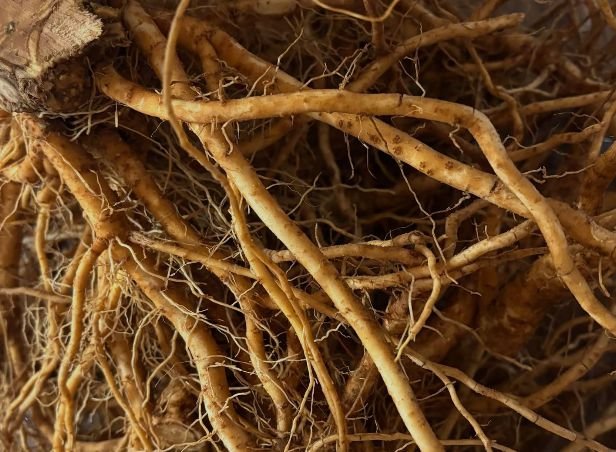
Moringa roots carry deep traditional value, offering minerals and bioactive compounds long used in herbal practices and cultural remedies worldwide.
Moringa roots come from the same resilient tree valued for its leaves, pods, and seeds, yet they remain far less discussed in modern nutrition and wellness conversations.
Across generations, these roots have held a place in traditional practices, especially in parts of Africa and Asia, where herbal knowledge guided daily health choices.
Healers prepared the roots carefully, using them for specific purposes tied to digestion, pain relief, and circulation.
Such uses were shaped by experience, caution, and cultural wisdom passed down through families and communities.
Today, renewed interest calls for a balanced look at these roots, recognizing their place in history while paying close attention to safety.
Knowing potential benefits alongside risks supports informed decisions and respectful use grounded in both tradition and modern awareness.
Want to know everything about moringa? Start from the introduction to moringa.
IMPORTANT SAFETY NOTICE
Moringa roots are not the same as moringa leaves, pods, or seeds. While the leaves are widely regarded as safe for regular consumption, the roots — and particularly the bark — contain concentrated alkaloids including moringinine and spirochin that can be toxic in high amounts or with prolonged use.
This article documents traditional and research-based uses of moringa roots. It is not a recommendation to consume them regularly or without guidance. Moringa roots are not recommended for pregnant or breastfeeding women, children, people with liver or kidney conditions, or anyone on blood pressure, blood sugar, or blood-thinning medication.
If you are looking for a safe everyday moringa option, moringa leaves and moringa powder are far better studied and lower-risk alternatives.
Why I Wrote About Moringa Roots
The moringa I use daily is the leaf — in meals, in powder form, occasionally as tea. The root is something I have researched carefully but do not personally use, and this article reflects that distinction honestly.
People search for information about moringa roots, and they deserve accurate, balanced coverage — not silence, and not hype. That is why this article exists.
Table of Contents
What Are Moringa Roots?
Moringa roots are the underground parts of the moringa tree that anchor the plant and absorb water and nutrients from the soil. They develop early in the tree’s life and grow deeper as the plant matures.
Traditionally, these roots have been used carefully in herbal preparations, valued more for specific medicinal purposes than everyday food use.
Description of Moringa Roots and How They Grow
Moringa roots begin as a slender taproot that grows downward soon after germination, helping the tree survive dry conditions.
As growth continues, smaller side roots branch out, improving nutrient uptake. The root system supports fast shoot development above ground.
In loose, well-drained soil, roots grow deeper and thicker, storing compounds that traditional healers later harvest.
Growth strength depends on climate, soil quality, and watering patterns.
Differences Between Young and Mature Roots
Young moringa roots are thinner, lighter in color, and milder in aroma.
They contain lower concentrations of strong plant compounds and are easier to process.
Mature roots grow thicker, darker, and develop a sharper, horseradish-like scent.
With age, potency increases, which explains why traditional medicine applies stricter preparation methods.
Mature roots also carry a higher risk if misused, making careful handling and dosage knowledge important.
How Moringa Roots Compare with Other Moringa Parts
Moringa offers several edible components, each with distinct flavors, nutrients, and uses.
Roots, leaves, pods, and seeds provide different ways to include this plant in daily routines, supporting both culinary creativity and wellness goals.
Comparing these parts helps make informed choices for nutrition, cooking, and traditional remedies.
Moringa Leaves
The leaves of moringa are nutrient-dense, providing vitamins A, C, and E, along with antioxidants and essential amino acids.
Commonly used in powders, teas, or fresh in salads, they support overall wellness and can be incorporated into daily meals with ease.
Their mild taste and adaptability make them a practical choice for consistent nutrition.
Moringa Pods
Pods, also called drumsticks, offer a crisp texture and mildly sweet flavor ideal for curries, stews, or soups.
Rich in vitamins, minerals, and fiber, they provide gentle support for digestion and overall nutrition.
Regular use in meals introduces nutrients while complementing flavors without overpowering other ingredients.
Moringa Seeds
Seeds of moringa contain beneficial oils and protein, useful for both culinary and medicinal purposes.
They can be eaten roasted, used to extract oil, or incorporated into natural remedies.
The seeds’ nutrient profile differs from leaves and pods, contributing unique compounds for energy, skin health, and circulation.
Moringa Bark
Moringa bark contains antioxidants, tannins, and alkaloids that support digestive health, inflammation reduction, and overall wellness.
Often used in teas, powders, or decoctions, it provides targeted therapeutic effects while complementing other moringa parts in traditional and modern herbal practices.
Moringa Flower
The flowers of moringa are rich in antioxidants, vitamin C, and flavonoids, helping to support immunity, reduce inflammation, and promote digestive health.
Used in teas, infusions, or culinary dishes, they add both nutrients and subtle flavor, making them easy to integrate into daily routines.
Nutritional and Phytochemical Compounds in Moringa Roots
According to Nation Institute of Health, moringa roots contain a variety of bioactive compounds, minerals, and vitamins that influence their medicinal and culinary uses.
Understanding these components helps integrate roots safely and effectively into diets and herbal remedies.
Alkaloids
Moringa roots contain alkaloids such as moringinine and moringine, which influence circulation and digestion, and have mild anti-inflammatory effects.
These compounds are concentrated in the roots, making careful, moderated consumption important for safety while supporting traditional medicinal uses.
Phenolic Compounds
Phenolic compounds, including flavonoids and tannins, are present in moringa roots.
They act as antioxidants, helping neutralize free radicals, and may support digestive health and overall metabolic balance, contributing to the roots’ traditional therapeutic applications.
Minerals
Essential minerals in moringa roots include calcium, potassium, and magnesium, which support bone strength, fluid balance, and muscle function.
These minerals complement the roots’ bioactive compounds, making them a valuable addition when incorporated safely into herbal or culinary preparations.
Vitamins
Moringa roots contain small amounts of vitamins, including vitamin C and some B-complex components.
These vitamins work alongside minerals and bioactive compounds, supporting mild antioxidant effects, metabolic activity, and overall nutritional contribution.
Antioxidants
Antioxidants such as quercetin, chlorogenic acid, and other polyphenols help protect cells from oxidative stress.
In moringa roots, these compounds support digestion, circulation, and subtle systemic balance when consumed in moderate, controlled amounts.
Why Roots Are Used Differently from Leaves and Pods
Moringa roots are typically employed in teas, decoctions, and powders rather than eaten raw or cooked frequently.
Their stronger flavor and bioactive compounds require careful preparation and moderation.
Unlike leaves and pods, which are integrated regularly into dishes, roots are used selectively to extract specific health benefits while avoiding potential toxicity.
Potential Health Benefits of Moringa Roots
Incorporating moringa roots into herbal preparations or tonics can provide targeted health support while offering mild nutrients and bioactive compounds.
Digestive and Antimicrobial Properties
Moringa roots have traditionally been used to support digestion and address mild digestive discomfort.
They contain compounds believed to help regulate gut function and balance intestinal microflora.
Additionally, their antimicrobial properties may aid in controlling certain bacterial growth, making them a common ingredient in herbal remedies aimed at maintaining digestive wellness.
Anti-Inflammatory and Circulatory Support
Bioactive compounds in moringa roots are linked to anti-inflammatory effects, potentially helping reduce joint or muscle discomfort.
They may also promote healthy blood circulation, supporting nutrient delivery to tissues and overall cardiovascular function when included in controlled amounts.
Use in Herbal Preparations and Tonics
Roots are often integrated into powdered supplements, teas, or tinctures for mild wellness support.
Their compounds complement other plant-based ingredients, allowing for tonics that may enhance digestion, circulation, and immune resilience while offering a traditional, holistic approach to natural health.
Uses of Moringa Roots
Moringa roots have long been part of food traditions and herbal practices.
Knowing how they are applied helps guide safe preparation, correct portions, and responsible use of their plant compounds and nutrients.
Culinary Uses
Cooking focuses mainly on young roots, prized for a sharp, horseradish-like flavor that adds warmth to meals.
Small amounts grated into soups, broths, or stews create depth without overpowering dishes.
Boiling or light roasting softens intensity and improves digestibility. In some African and Asian cuisines, the roots appear in spice blends or herbal stocks rather than as standalone vegetables.
Pairing them with vegetables, fish, or poultry balances flavor and texture.
Careful use matters because potency builds quickly.
When handled with restraint, moringa roots contribute minerals and natural compounds while keeping meals enjoyable and safe.
Medicinal Uses
Traditional remedies value the roots for bioactive compounds linked to digestion, circulation, and joint comfort.
Young roots are dried, powdered, or simmered into decoctions to extract beneficial elements gently.
Herbal systems stress controlled preparation, since mature roots may contain harmful substances.
Remedies made from moringa roots are used in small quantities to ease stomach discomfort, support liver function, and help manage mild inflammation.
Attention to dosage guides, safe practice, and keeping benefits without strain.
Root-based preparations are typically occasional, not daily, allowing the body to receive support while reducing risk linked to overuse.
Traditional Uses
Cultural healing systems across India, Africa, and parts of Asia treat moringa roots with respect due to their strength.
Ayurveda associates them with digestive balance and relief from bloating when prepared correctly.
African herbal traditions connect the roots with vitality, recovery, and immune strength, often blending them with other plants.
Some cultures include them in cleansing rituals or seasonal wellness practices.
These traditions rely on shared knowledge, measured use, and proper preparation.
Following cultural guidance helps preserve safety, honors heritage, and allows the roots’ properties to support health without misuse.
Moringa Root Benefits
Used in traditional wellness systems for generations, moringa roots support daily health through plant compounds that aid comfort, circulation, and immune balance.
Careful use allows steady benefits while respecting safety and cultural knowledge.
Anti-Inflammatory Support
Natural plant compounds in the roots help calm inflammatory responses linked to joint stiffness and muscle discomfort.
Gentle intake through teas or meals supports mobility, daily comfort, and balanced inflammatory activity without placing strain on the body.
Antibacterial and Antimicrobial Properties
Traditional remedies rely on the roots to help limit harmful bacteria and support internal balance.
Their bioactive compounds assist gut health, support digestion, and strengthen natural defenses when prepared correctly and consumed in controlled amounts.
Circulatory Support
Healthy blood flow benefits from compounds that support vessel function and nutrient delivery.
Using the roots in herbal preparations may aid circulation, sustain energy, and support heart health as part of a balanced dietary routine.
Immune Support
According to Science Direct, minerals and antioxidants found in the roots help reinforce the immune response.
Regular, moderate use supports resistance to common infections, helping the body respond better to environmental stress and seasonal challenges.
Pain Relief
Herbal traditions value the roots for easing mild pain linked to inflammation.
Prepared as teas or powders, they may support joint and muscle comfort, making everyday movement feel easier and more supported.
Moringa Roots Benefits for Men
For men, these roots contribute to stamina, circulation, and metabolic balance.
Nutrients and bioactive compounds support energy levels, digestive health, and physical resilience when included thoughtfully in wellness-focused routines.
Forms of Moringa Roots
Different preparation methods change how moringa roots taste, feel, and function in meals or herbal use.
Knowing each form helps safe intake, better digestion, and practical use across cooking and traditional wellness practices.
Fresh Roots
Fresh roots are harvested young for tenderness and sharp, horseradish-like flavor.
Grating small amounts into soups or vegetables adds bite and aroma.
Minerals like calcium and potassium remain intact.
Careful portion control matters, as raw roots contain strong compounds that require moderation for safe dietary use.
Boiled Roots
Boiling softens the texture and reduces sharpness, making the roots easier to digest.
This method suits soups and stews, allowing minerals and plant compounds to blend gently into meals.
Heat also lowers harsh elements, supporting safer intake while keeping nutritional value steady and flavors balanced.
Roasted Roots
Roasting brings a mild, earthy taste with crisp texture. Thin slices roast well and work as toppings for salads or grain dishes.
Minerals stay stable, while flavor becomes smoother.
This form appeals to those easing into root-based foods without strong bitterness.
Pickled Roots
Pickling young roots extends shelf life and adds tangy notes. Vinegar and spices create a flavorful side for meals while keeping minerals and fiber available.
Sodium content calls for moderation, yet pairing with fresh vegetables balances meals and supports steady nutrient intake.
Powdered Roots
Drying and grinding create a fine powder suited for soups, sauces, or warm drinks.
This form allows measured portions and easy storage.
Some delicate nutrients are reduced during processing, yet minerals and functional plant compounds remain useful for consistent, controlled use.
Root Tea
Simmering sliced roots in water produces a mild herbal tea.
This preparation extracts minerals and bioactive compounds gently, supporting digestion and hydration.
Flavor stays light and blends well with ginger or lemon, making tea a calm, practical option for regular routines.
How to Prepare Moringa Roots for Use
Proper preparation makes moringa roots safe, palatable, and suitable for cooking or herbal use.
Careful cleaning, correct processing, and mindful handling help reduce harshness while making the roots easier to include in daily routines.
Powder
Preparation starts with washing roots thoroughly to remove soil and debris. Peeling follows to eliminate the tough outer layer.
Roots are sliced thinly for faster drying, then sun-dried or dehydrated until completely moisture-free.
Once dry, grinding into a fine powder using a spice grinder or blender completes the process.
The powder should be sieved for uniform texture and stored in an airtight container away from heat and moisture.
Pickle
Root preparation begins with peeling and slicing into thin, even strips. Slices are rinsed well and lightly salted to draw out excess moisture.
A pickling solution made with vinegar, salt, and spices is heated briefly, then cooled.
Root slices are packed into sterilized jars and fully submerged in the liquid. Sealing and resting for several days allows flavors to settle before use.
Tea
Roots are cleaned thoroughly, peeled, and chopped into small pieces.
Measured portions are added to clean water and brought to a gentle boil.
Simmering continues for ten to fifteen minutes. Straining removes solids before drinking.
Prepared tea can be consumed warm or cooled and refrigerated for short-term storage.
Sweeteners or herbs may be added after brewing, not during boiling.
Boiled
Preparation begins with washing and peeling the roots, followed by cutting them into evenly sized pieces.
Roots are placed in boiling water and cooked until softened. Water is drained completely before use.
Boiled roots may be sliced further or mashed, depending on the recipe.
This method suits soups, stews, or side dishes where a mild texture is preferred.
Roasted
Roots are washed, peeled, and sliced thin for even roasting. Pieces are spread in a single layer on a tray or pan.
Roasting occurs at moderate heat, turning occasionally to prevent burning.
Once crisp and lightly browned, the pieces are cooled fully.
Roasted roots can be eaten directly or ground after cooling for later use.
How to Use Moringa Roots
Moringa roots offer multiple ways to add nutrients, flavor, and texture to everyday meals and beverages.
Fresh, powdered, roasted, pickled, or brewed, these roots can be integrated into soups, stews, drinks, or snacks, providing practical options for consistent use.
Let’s take a closer look:
Fresh Roots in Soups and Stews
Fresh moringa roots can be grated or sliced into soups, stews, salads, and vegetable dishes.
Their crisp texture and mild, peppery flavor blend seamlessly with other ingredients, enhancing mouthfeel and adding a subtle bite.
Using fresh roots directly in meals allows natural vitamins and minerals to be retained, making them a simple way to integrate plant-based nutrition into daily cooking while preserving their natural taste and texture.
Boiled or Roasted Roots in Meals
Boiled moringa roots soften and integrate smoothly into soups, porridges, and vegetable dishes, making them easier to chew and digest.
Roasted roots bring a deeper, earthy flavor to salads, grain bowls, or side dishes, adding a mild crunch.
Both methods allow the roots to complement other ingredients without overpowering flavors, providing flexible options for including these plant compounds in balanced meals while enjoying texture and taste naturally.
Pickled Roots for Snacks or Sides
Pickled moringa roots offer tangy, ready-to-eat additions to meals and snacks.
They can be served alongside rice dishes, sandwiches, or vegetable platters, adding both flavor and convenience.
The pickling process allows roots to be stored safely for longer, making them accessible for frequent consumption.
Their distinct taste pairs well with fresh vegetables or proteins, providing a flavorful and practical method to include nutrients in daily routines.
Powdered Roots for Cooking and Drinks
Powdered moringa roots can be stirred into soups, sauces, smoothies, or seasoning blends.
This concentrated form allows controlled portions and consistent nutrient intake, integrating easily without altering textures.
Powder provides a practical way to add roots to everyday meals or beverages while maintaining flavor balance.
Using this form ensures the plant’s bioactive compounds are incorporated safely and conveniently into cooking or drinks for routine consumption.
Roots in Tea
Brewing moringa roots into tea yields a soothing drink that can be enjoyed hot or cold.
The infusion extracts flavor and compounds efficiently, offering a gentle way to access nutrients.
Optional herbs or natural sweeteners can enhance taste.
Drinking root tea supports hydration, digestion, and overall wellness, making it an easy addition to daily routines while allowing natural plant compounds to be consumed without heavy meals or complex preparation.
Safety Concerns and Toxicity of Moringa Roots
The roots of the moringa tree offer nutritional and medicinal benefits, but certain compounds, especially in the bark, can be toxic.
Awareness of risks allows safe use while enjoying nutrients in meals or herbal preparations.
Toxic Compounds
Alkaloids in the bark may cause digestive problems, neurological disturbances, or systemic effects if consumed excessively.
Limiting intake reduces potential harm while preserving safe nutritional use.
Risks of Overconsumption
High intake can lead to nausea, vomiting, or other complications.
Gradual introduction, careful portioning, and avoiding the bark ensure consumption remains safe and beneficial.
Special Considerations for Vulnerable Populations
Pregnant and breastfeeding women, children, and individuals with health conditions should be cautious.
Consulting a healthcare professional helps prevent adverse effects and ensures safe dietary or medicinal application.
Safe Sourcing and Handling
Roots should come from trusted suppliers. Cleaning, peeling, and portion control reduce risks, and monitoring for reactions during early use ensures safe dietary or herbal application.
Responsible Use Guidelines
Avoid the bark, limit intake, and alternate with other plant-based ingredients.
Following these precautions allows the plant’s roots to provide nutritional or therapeutic benefits safely.
Growing and Harvesting Moringa Roots
Moringa thrives in tropical and subtropical climates, offering fast growth and nutrient-rich roots when cultivated carefully.
Proper farming and harvesting practices ensure sustainable use while maintaining healthy trees, maximizing both roots and other edible parts.
Planting and Germination
Seeds sprout within one to two weeks under warm, well-drained soil conditions.
Young plants establish quickly, developing strong root systems within a few months, making it easy to plan for gradual harvesting while sustaining the tree’s growth.
Root Development and Maturation
Roots mature over eight to twelve months, thickening and extending underground.
Monitoring growth ensures harvesting at the right time, allowing optimal nutrient density while supporting overall plant health and continued leaf and pod production.
Harvesting Techniques
Selective harvesting preserves the tree. Loosening soil carefully with a spade or fork prevents root breakage.
Removing only portions rather than the entire system keeps moringa productive, sustaining long-term yields of leaves, pods, and roots.
Post-Harvest Handling
Cleaning roots thoroughly and drying them in a shaded, ventilated area protects quality.
Once dry, storing in airtight containers away from moisture and light prolongs freshness and potency for culinary or medicinal uses.
Sustainable Practices
Processing roots into powders or extracts allows extended use and reduces waste.
Controlled extraction and mindful harvesting protect trees, supporting continuous production of moringa’s edible and therapeutic parts.
Who Should Avoid Moringa Roots
While moringa roots have traditional uses and potential health benefits, caution is important.
Certain populations face higher risks from the natural compounds present in the roots, making moderation or avoidance necessary for safety.
Pregnant and Breastfeeding Women
These roots contain bioactive compounds that may affect uterine activity or hormone balance.
Pregnant women should avoid consumption to prevent complications, and breastfeeding mothers should be cautious, as the effects on infants are not well studied, ensuring safety for both mother and child.
Children and Sensitive Individuals
Children and those with sensitive digestive or immune systems may react adversely to the roots.
Alkaloids and other bioactive compounds can cause discomfort, digestive issues, or unwanted physiological responses, making avoidance or strict moderation advisable.
People with Medical Conditions or on Medication
Those with liver, kidney, or gastrointestinal issues, and individuals on blood pressure, blood sugar, or anticoagulant medications should avoid the roots.
Interactions with compounds in the roots may alter medication effects or worsen certain health conditions.
Storing Moringa Roots
Proper storage is essential to maintain the quality, flavor, and nutritional value of moringa roots.
Fresh roots should be firm, smooth, and free from blemishes. They should be stored in a cool, dark place, ideally wrapped in a damp cloth or sealed in a bag to retain moisture.
Under these conditions, they last one to two weeks. For longer preservation, freezing fresh roots can extend shelf life for several months.
Dried roots or root-based products should be kept in airtight containers in a cool, dry area, away from direct sunlight, which helps maintain potency and prevents contamination.
Regularly inspecting both fresh and dried roots for signs of spoilage ensures safe use.
Following these storage practices allows consistent access to moringa roots’ beneficial compounds, supporting both culinary and health purposes.
Frequently Asked Questions
Are moringa roots edible?
Moringa roots can be eaten in small amounts, typically young and tender roots. Caution is necessary due to natural compounds that may be toxic in large quantities.
Can moringa roots be used as medicine?
Traditionally, moringa roots are used in herbal remedies for digestion, circulation, and inflammation. Controlled, moderate use is advised to avoid potential toxic effects.
Are moringa roots safe for daily use?
Daily consumption of moringa roots is not recommended. Occasional, small amounts are safer, while overuse may lead to digestive or neurological complications.
How deep do moringa roots grow?
Moringa roots can grow up to 3 meters deep in loose soil. They anchor the tree firmly and access water and nutrients efficiently in various conditions.
Are moringa roots invasive?
Moringa roots are not considered invasive. They grow straight and deep rather than spreading aggressively, minimizing the risk of damaging nearby plants or structures.
Are moringa roots poisonous?
Mature moringa roots contain toxic compounds and should be consumed only in small amounts. Young roots are safer, providing nutrients without harmful effects when used properly.
How do you use moringa roots?
Moringa roots can be grated, boiled, roasted, pickled, powdered, or brewed as tea. They can be added to meals, smoothies, or herbal remedies for nutrition.
References

Chims Clements writes about herbs from personal experience and careful research. Growing up in Aba, Nigeria, moringa and tamarind were everyday household plants long before they became globally recognised superfoods. He uses both regularly in his home today. At Six Herbs he goes deep on moringa, tamarind, fenugreek, and sea moss — building honest, experience-backed content that separates what tradition knows from what science confirms. The content on this site is for informational purposes only and is not medical advice. Always consult a healthcare provider before using herbs medicinally.