
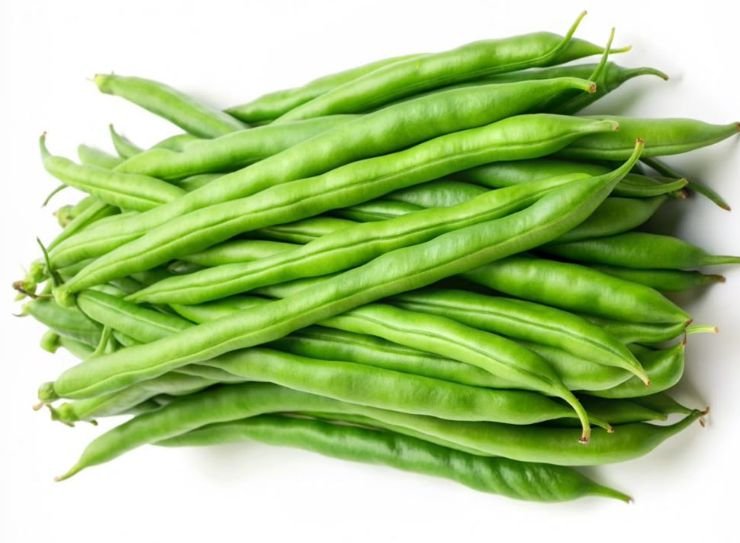
Moringa pods play an important role in cooking, valued for their texture, flavor, and ability to enrich meals with natural nourishment.
They are used in soups, stews, curries, and vegetable dishes, adding substance and balance to traditional recipes.
Across many African, South Asian, and Southeast Asian cultures, these pods carry culinary and cultural meaning, featuring in home cooking, festive meals, and food traditions passed through generations.
Their use reflects a deep connection between food, wellness, and local knowledge.
This article will show how moringa pods fit into traditional and modern kitchens, highlight their nutritional and health benefits, and share practical cooking tips that help readers prepare, enjoy, and include them confidently in wholesome daily meals.
From Watching the Tree Grow to Using Every Part
I grew up in Eastern Nigeria, where moringa trees were simply part of the yard. I watched them shoot up fast, branch out, and hang with pods before most other plants had settled in.
That early familiarity shaped how I cook today; I stir moringa powder into meals regularly and add fresh leaves and pods to soups and stews.
Seeing the full cycle, from bare sapling to harvest, grounds everything I write about this plant.
Recommended: Ultimate Guide to Moringa
Table of Contents
What Are Moringa Pods?
Moringa pods, commonly known as drumsticks, are the long, slender seed pods of the moringa tree. They are widely used in cooking for their tender flesh, mild flavor, fiber, vitamins, and minerals, supporting balanced nutrition and traditional food practices across many regions.
Are Moringa Pods Nutritious?
Moringa pods provide a natural source of vitamins, minerals, fiber, and protective compounds that support overall health and balanced nutrition.
Vitamin C aids immune response and skin repair, while vitamin A contributes to vision and tissue health.
B vitamins help with energy release and brain function, keeping meals nourishing without heaviness.
Minerals like potassium, calcium, magnesium, and iron support blood pressure, bone strength, muscle movement, and oxygen transport.
The pods also contain antioxidants such as quercetin and chlorogenic acid, essential amino acids, and dietary fiber, which promote digestion, satiety, and internal balance.
Their nutrient-dense profile makes them an excellent addition to plant-focused or everyday diets.
For a detailed breakdown of the vitamins, minerals, and health benefits of moringa pods, see our full Nutritional Profile of Moringa Pods.
Health Benefits of Moringa Pods
Adding these pods to meals brings steady nutrition that supports digestion, blood sugar balance, inflammation control, and immune strength through natural plant compounds and fiber-rich goodness.
Improved Digestive Health
Digestive comfort improves when fiber-rich drumsticks appear on the plate.
Natural fiber supports smooth bowel movements, reduces constipation, and feeds healthy gut bacteria.
Better digestion means nutrients are absorbed more easily, meals feel lighter, and bloating reduces.
Regular intake supports gut balance, stomach comfort, and long-term digestive health using food, not supplements.
Blood Sugar Balance
Stable blood sugar matters for daily energy and long-term wellness.
The drumsticks contain plant compounds and antioxidants linked to a healthier glucose response.
Meals prepared with these pods may help slow sugar absorption, support insulin activity, and reduce sharp spikes.
This makes moringa pods helpful for diabetes-friendly diets and balanced metabolic health.
Reduced Inflammation
Joint comfort and heart health benefit from foods that calm inflammation.
The pods of moringa supply phytochemicals that support the body’s natural response to swelling and pain.
Regular consumption may ease stiffness linked to arthritis and support circulation.
Choosing drumsticks offers a plant-based option for managing inflammation through everyday meals.
Stronger Immune Support
A resilient immune system depends on steady vitamins and antioxidants.
Drumsticks provide vitamin A for protective barriers and vitamin C for immune response.
These nutrients help the body fight infections, support recovery, and maintain strength.
Including moringa pods in soups or stews keeps immune support simple and food-based.
Related Posts
Benefits and Dangers in Moringa Bark
How to Make Moringa Flower Powder
How to Use Moringa Flower Tea?
Culinary Uses of Moringa Pods
Moringa pods bring color, texture, and nutrition to everyday meals, fitting naturally into soups, stews, stir-fries, and salads while offering plant-based protein, fiber, and vitamins.
Soups and Stews
Tender pods add crunch and nutrition to simmering soups or hearty stews.
Their subtle earthy flavor blends with spices and vegetables, enriching the broth without overpowering other ingredients.
Incorporating them into slow-cooked dishes creates layers of taste while boosting fiber, vitamins, and antioxidants in each serving.
Stir-Fries and Sauteed Dishes
Quick-cooked stir-fries benefit from young pods’ crisp texture and mild flavor.
Sautéing them with garlic, onions, or chili preserves nutrients while adding visual appeal.
Combining them with other vegetables or proteins creates balanced, nutrient-rich meals suitable for daily cooking routines.
Curries and Traditional Recipes
Drumsticks feature prominently in traditional recipes, such as Indian sambar or African vegetable stews.
They absorb spices well, providing a wholesome, flavorful component while delivering vitamins, minerals, and fiber.
Using pods in curries connects cultural tradition with practical nutrition in every meal.
Salads and Snacks
Drumstick pods can be thinly sliced into salads or roasted as a crunchy snack.
Their slightly stronger flavor resembles green beans, complementing fresh herbs and dressings.
Seeds from these pods also serve as protein-rich additions, making the plant a versatile source of nutrition beyond cooked dishes.
Moringa Pods in Traditional Medicine
Pods of moringa have been used for centuries in herbal systems to support digestion, immunity, and overall vitality, forming a key component of remedies across Africa, Asia, and India.
Digestive and Inflammatory Support
Pods have long been used to ease digestive discomfort, reduce bloating, and support regular bowel movements.
Their natural compounds help soothe the stomach, manage mild inflammation, and promote nutrient absorption.
In traditional medicine, incorporating pods into daily meals or herbal preparations aids digestive balance and overall gut health.
Respiratory Health
Traditional healers use the pods to support respiratory function.
Preparations, including pods, may help relieve mild coughs, ease congestion, and support lung health.
Combined with leaves or seeds, these remedies integrate nutritional benefits while addressing respiratory concerns through plant-based compounds.
Nutritional Therapy
In regions with limited access to diverse foods, these pods provide essential vitamins, minerals, and protein.
They are incorporated to combat malnutrition, anemia, and general fatigue.
Their nutrient density ensures that herbal treatments not only address symptoms but also strengthen overall health.
Synergy with Other Plant Parts
Using pods alongside leaves and seeds enhances therapeutic effects.
Moringa leaves contribute antioxidants, seeds support antimicrobial activity, and pods provide fiber and vitamins.
This combination forms a holistic approach, supporting immunity, vitality, and long-term well-being through traditional dietary practices.
Different Forms of Moringa Pods in the Market
Pods of moringa come in multiple forms that suit cooking styles, storage needs, and daily nutrition.
Each form delivers vitamins, minerals, and fiber while fitting into meals, snacks, or supplements.
Fresh Moringa Pods
Fresh pods retain their tender texture and mild flavor, making them perfect for stir-fries, soups, and salads.
Harvested at peak ripeness, they preserve most nutrients, including vitamin C, potassium, and antioxidants.
Adding fresh pods to meals offers a simple way to introduce plant-based nutrition while enjoying a light, natural taste.
Dried Moringa Pod Pieces
Drying pods extends shelf life without major nutrient loss.
These pieces can be rehydrated for soups, stews, or curries, or eaten as a crunchy snack.
The dehydration process locks in fiber, minerals, and bioactive compounds, making dried pods a practical choice for kitchens where fresh pods are unavailable.
Moringa Pod Powder
Grinding dried pods into powder creates a concentrated, shelf-stable form.
Pod powder blends smoothly into smoothies, sauces, and baked goods, boosting fiber and nutrient content without changing flavor.
Its convenience makes it a favorite for people seeking a quick nutritional boost in daily meals or drinks.
Moringa Seeds and Extracts
Seeds from mature pods provide protein and healthy oils. They can be roasted, eaten raw, or pressed for oil to add to dishes.
Liquid extracts and capsules offer concentrated nutrients with easy absorption.
These forms provide a simple way to integrate moringa into a balanced diet, supporting overall wellness and daily nutrition.
How to Grow and Harvest Moringa Pods
Growing moringa pods provides fresh, nutrient-rich ingredients while adding a green, sustainable element to the garden.
With proper care, the trees produce pods that support health, flavor meals, and enrich the diet.
Planting and Soil Preparation
Moringa trees thrive in warm climates, ideally between 25°C to 35°C, with well-drained sandy or loamy soil.
Maintaining a soil pH of 6 to 7 promotes healthy growth. Seeds or seedlings can be planted directly into the soil, allowing roots to establish.
Spacing of about 3 meters ensures sufficient sunlight and airflow for strong development.
Seed Germination and Early Growth
Seeds benefit from soaking overnight to improve germination. Planting them 2 to 3 centimeters deep encourages root stability.
Regular watering during the early stages supports healthy growth, though mature trees tolerate drought.
Observing young saplings for strong leaf development indicates readiness for continued care and long-term productivity.
Pod Development and Maturation
Moringa trees typically start producing pods within 6 to 8 months.
Young pods appear tender, green, and 15 to 20 centimeters long, while mature pods turn brown and firm.
Monitoring pod color and texture helps determine the optimal time to harvest, ensuring maximum nutritional content and flavor.
Harvesting Tips
Using sharp tools prevents damage to branches during harvesting.
Cutting pods gently and leaving some on the tree encourages continued growth.
Morning or late afternoon harvests reduce plant stress and maintain pod freshness.
Regular collection supports ongoing production, allowing a steady supply of pods for cooking, snacking, or drying.
How to Prepare Moringa Pods for Cooking
Preparing moringa pods properly brings out their natural flavors, maintains their nutritional value, and ensures a pleasant texture in any dish.
Following simple steps makes cooking with them easier and more rewarding.
Cleaning the Pods
Rinsing moringa pods under cool running water removes dirt, dust, and residues from pesticides.
Careful cleaning ensures the pods are safe for cooking and preserves their crisp texture.
Gently rubbing each pod while washing helps remove stubborn particles and prepares them for the next steps in the kitchen.
Trimming and Peeling
Trimming the ends of the pods removes tough, fibrous sections that can affect texture.
Young pods generally have tender skins, while mature pods may require peeling.
Making a shallow incision along the pod’s length and gently pulling the skin away keeps the edible portion soft and enjoyable in cooked dishes.
Cutting and Portioning
Slicing pods into smaller or bite-sized pieces allows even cooking and improves texture.
Uniform pieces ensure flavors blend with other ingredients during steaming, boiling, or sautéing.
Properly cut pods cook more consistently, retaining their color and nutrients while preventing overcooked, mushy sections.
Cooking Techniques
Young moringa pods cook quickly, taking five to ten minutes to remain crisp and vibrant.
Mature pods require slightly longer cooking, around ten to fifteen minutes, to soften fibers.
Steaming, boiling, or sautéing preserves nutrients while enhancing taste, making them ready to combine with a variety of dishes.
Flavor Pairing
Combining moringa pods with garlic, onions, or spices such as cumin and chili creates depth in meals.
These additions bring out the pods’ mild, earthy flavor while enriching the dish with aroma and taste.
Simple seasoning transforms pods into a nutritious and satisfying ingredient in everyday cooking.
Possible Side Effects and Precautions
Moringa pods provide nutrients and fiber, but awareness of side effects and safe intake is important.
Proper consumption supports wellness while minimizing digestive or metabolic concerns.
Allergies and Sensitivities
Though rare, allergic reactions to moringa pods can occur.
Symptoms may include mild gastrointestinal discomfort, skin irritation, or respiratory issues.
People with a history of food allergies or sensitivities should approach moringa gradually, monitoring the body’s response and consulting healthcare professionals if unusual reactions appear.
Overconsumption Risks
Eating large quantities of moringa pods can cause nausea, diarrhea, or stomach upset.
While the pods are nutrient-dense, moderation is key.
Limiting intake to a few pods per day ensures balance in meals and avoids digestive strain, allowing the body to benefit from vitamins, minerals, and fiber safely.
Medication Interactions
Moringa pods may affect how certain medications work, especially treatments for diabetes, high blood pressure, or thyroid conditions.
These interactions can alter drug effectiveness, requiring guidance from a physician.
Checking with a healthcare provider before regular consumption helps prevent unwanted effects and maintain overall health.
Safe Dietary Practices
Introducing moringa pods gradually and pairing them with a balanced diet helps reduce side effects.
Monitoring portion size, observing the body’s response, and seeking professional advice when necessary keeps consumption safe, allowing the pods to provide nutrition without compromising well-being.
Conclusion
Moringa pods provide a natural, nutrient-rich way to strengthen daily meals while supporting overall wellness.
Packed with fiber, vitamins, minerals, and plant protein, they contribute to digestion, immune health, and metabolic balance.
Their mild flavor and crisp texture make them suitable for soups, stews, stir-fries, salads, and traditional recipes, connecting meals to cultural practices.
Beyond the kitchen, moringa pods have a place in traditional medicine, offering digestive, respiratory, and nutritional support.
Available as fresh pods, dried pieces, powders, seeds, or extracts, they can fit any cooking style or lifestyle preference.
Awareness of proper preparation, portion size, and potential interactions ensures safe, enjoyable consumption, turning everyday dishes into nourishing, balanced meals.
Frequently Asked
What are moringa pods used for in cooking?
Moringa pods add crunch, flavor, and nutrition to soups, stews, stir-fries, curries, and salads, providing fiber, protein, vitamins, and minerals for balanced meals.
Can moringa pods help with digestion?
High in fiber, moringa pods support smooth bowel movements, feed healthy gut bacteria, and reduce bloating, promoting digestive comfort and better nutrient absorption naturally.
Are there risks associated with eating moringa pods?
Overeating moringa pods may cause nausea, diarrhea, or stomach upset. Allergies are rare, but monitoring portion size and consulting a doctor when needed is recommended.
How should moringa pods be prepared for meals?
Wash pods thoroughly, trim or peel tough ends, cut into bite-sized pieces, and cook by steaming, boiling, or sautéing with spices, garlic, or onions for flavor.

Chims Clements writes about herbs from personal experience and careful research. Growing up in Aba, Nigeria, moringa and tamarind were everyday household plants long before they became globally recognised superfoods. He uses both regularly in his home today. At Six Herbs he goes deep on moringa, tamarind, fenugreek, and sea moss — building honest, experience-backed content that separates what tradition knows from what science confirms. The content on this site is for informational purposes only and is not medical advice. Always consult a healthcare provider before using herbs medicinally.