
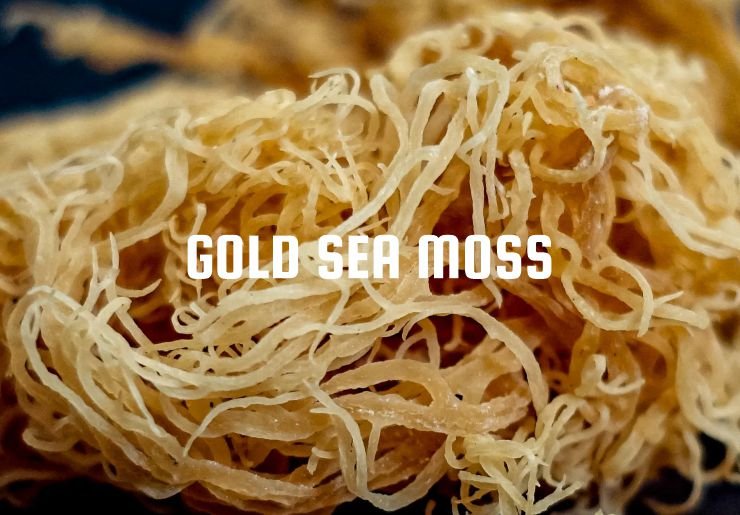
Gold sea moss gets attention for its bright color, but the real story goes deeper than appearance. From how it grows in the ocean to how it’s processed, you’ll see what separates it from other sea moss varieties in nature and use.
Why sea moss comes in different colors and what that actually means often comes down to species, growing conditions, and how it is handled after harvest.
Gold sea moss sits in the middle of this variety spectrum, alongside green and purple types, each with subtle differences in look and structure.
Where golden sea moss fits among other varieties depends on how it forms and how it is processed from the ocean to the final product.
This guide focuses on what makes the gold variety of sea moss distinct in appearance, processing methods, and natural characteristics that shape its identity.
Table of Contents
What Is Gold Sea Moss?
Gold sea moss is a naturally occurring variety of sea moss, a marine red algae found in coastal ocean environments.
Its defining feature is its light golden or yellowish appearance, which develops during the sun-drying process after harvest.
Fresh sea moss can appear green, purple, or brown depending on conditions, but exposure to sunlight removes pigments and lightens the color.
A common misconception is that this variety is a separate species, but it is not.
It is simply the same sea moss processed and dried differently, resulting in a lighter shade while retaining its natural marine origin.
How Gold Sea Moss Gets Its Distinct Gold Color
Gold sea moss gets its light yellow or golden shade through natural drying and exposure after harvest.
The color is not artificial, but a result of how light, air, and moisture interact with the sea plant during processing and handling.
Sun-Drying and Natural Oxidation
Sunlight plays a major role in changing sea moss pigmentation from deep green or reddish tones to a lighter gold shade.
As the sea moss dries under the sun, moisture leaves the plant, and oxidation begins.
This process breaks down stronger pigments, leaving behind a softer yellow-gold appearance.
Dehydration also concentrates the structure, giving gold sea moss its lighter, cleaner visual form while still keeping its natural marine composition intact.
Minimal Processing vs Altered Sea Moss
Pure golden sea moss is usually dried with minimal intervention, allowing its natural color shift to happen without chemicals.
This keeps the golden tone closer to its original state after harvesting.
In contrast, some processed sea moss may go through bleaching or artificial treatments that lighten color unnaturally or strip pigments too aggressively.
Over-processing can affect appearance and may reduce the natural character of the sea moss compared to gently sun-dried versions.
Similar Posts
What is Special about Dry (Raw) Sea Moss
Does Gold Sea Moss Have Different Health Benefits?
Gold sea moss does not automatically provide different health benefits simply because of its color. See the benefits of sea moss.
Like other sea moss varieties, gold sea moss contains minerals such as iodine, magnesium, calcium, potassium, and trace elements linked to thyroid support, hydration, digestion, and general wellness.
Health effects depend more on ocean conditions, harvesting practices, processing quality, and how the sea moss is prepared rather than whether it appears gold, green, or purple.
Many people assume this golden variety is stronger or cleaner, but color alone does not determine potency.
Choosing high-quality, properly sourced sea moss matters more than focusing only on the shade or appearance.
Gold Sea Moss vs Purple Sea Moss vs Green Sea Moss
Gold, purple, and green sea moss come from the same sea plant family, but differences in pigments, ocean conditions, and drying methods shape their final appearance, texture, and behavior after harvest.
Gold sea moss develops a light yellow or golden tone through sun-drying, while purple sea moss retains deeper reddish-purple pigments influenced by minerals, depth, and lower light exposure.
Green sea moss keeps higher chlorophyll levels, giving it a fresher green look.
After soaking, purple sea moss often forms a thicker gel, gold sea moss produces a smoother, lighter consistency, and green sea moss can rehydrate faster with a softer feel.
Harvest depth, sunlight exposure, temperature, and nutrient availability all influence these variations.
Despite visual and textural differences, all three types share similar origins and general mineral profiles, with appearance mainly reflecting environment and processing rather than major nutritional changes or species differences.
Processing Differences That Affect Gold Sea Moss
Gold sea moss changes in appearance and structure based on how it is harvested, dried, and cleaned after collection.
These processing steps influence its color tone, texture, and how close it stays to its natural marine state before reaching your hands.
Wildcrafted vs Farmed Gold Sea Moss
Wildcrafted gold sea moss grows naturally on ocean rocks and is collected from its natural environment, which is why it is more commonly linked to authentic golden coloration.
Farmed sea moss grows in controlled sea beds, where light exposure and nutrients differ.
Your choice affects color consistency, with wildcrafted varieties often showing more natural gold tones shaped by ocean conditions and seasonal growth cycles.
Drying Methods
Drying plays a major role in how golden sea moss looks. Sun-dried sea moss develops its golden shade gradually as sunlight breaks down pigments and removes moisture.
Machine-dried sea moss uses controlled heat, which can speed up processing but may result in slightly darker or uneven color depending on the temperature.
These drying methods also influence texture, brittleness, and how well the sea moss rehydrates later.
Cleaning and Preparation
Cleaning methods affect both purity and color. Gentle washing removes sand, salt, and debris without altering natural pigments.
Over-washing or using chemical treatments can strip color and weaken the golden tone.
Proper preparation keeps the sea moss closer to its natural state, while harsh processing may lighten or dull the final appearance, changing how authentic the gold sea moss looks after drying.
Does Golden Sea Moss Have Different Nutrient Characteristics?
The golden variety of sea moss does not automatically contain different nutrients compared to other sea moss colors. See the nutrient information of sea moss.
The golden shade mainly comes from sun-drying and pigment changes, not higher nutrient strength.
Mineral content depends more on where it grows, ocean conditions, water quality, and harvesting methods than color alone.
Factors like depth, temperature, and nutrient-rich waters influence iodine, magnesium, calcium, and trace minerals more than whether sea moss appears gold, green, or purple.
A common misconception is that gold sea moss is more potent, but all types come from similar species.
Color reflects processing and environment, not guaranteed differences in nutritional value or effectiveness.
Texture, Taste, and Usability Differences
The changes that happen with golden sea moss affect texture, gel strength, taste intensity, and how it blends into your meals or supplements.
- Slight Variations in Texture Compared to Darker Varieties: Golden sea moss usually feels lighter and less dense than darker varieties because sun-drying reduces moisture and pigment strength. This can make it break apart more easily when handled.
- Gel Formation Consistency After Soaking: After soaking, gold sea moss forms a gel that is often lighter in color and slightly softer in structure. The gel consistency depends on soaking time, water ratio, and drying method.
- How Gold Sea Moss Behaves in Smoothies, Gels, and Capsules: In smoothies, this gold type of sea moss blends easily due to its mild texture and neutral flavor. As a gel, it mixes well into drinks or recipes without strong color changes. In capsule form, texture is not noticeable, but the dried powder inside still reflects its light, processed nature compared to fresh sea moss gel.
How to Identify Authentic Gold Sea Moss
Authentic golden sea moss shows natural color, scent, and texture traits shaped by sun-drying and ocean growth conditions rather than chemical processing or artificial enhancement.
- Natural Color Signs: Real gold sea moss appears pale gold, light yellow, or beige with uneven tones. Natural variations show sun exposure differences and proper drying methods used after harvesting.
- Smell and Texture Clues: Authentic golden sea moss has a mild ocean scent and a rough, brittle texture when dry. It should not feel overly smooth, artificial, or chemically processed.
Conclusion
Gold sea moss stands out mainly for its color, but the real difference comes from how it is harvested, dried, and handled after collection.
It is not a separate species, just a natural variation of sea moss shaped by sunlight and processing methods.
Environmental conditions, not color, drive nutrient content across all types.
Gold, green, and purple sea moss share similar origins, with subtle changes in texture and appearance.
Choosing sea moss comes down to quality, sourcing, and how it fits into your routine, not just the shade you see on the product.
Frequently Asked Questions
Is golden sea moss stronger than purple or green sea moss?
Gold sea moss is not stronger nutritionally. Mineral content depends on ocean conditions, not color. All varieties come from similar species with comparable nutrient profiles.
Why does some golden sea moss look brighter than others?
Brighter color often comes from bleaching, over-processing, or artificial drying methods. Naturally sun-dried gold sea moss usually appears softer, muted, and less uniform in tone.
Can golden sea moss turn into gel like other types?
Golden sea moss forms gel when soaked in water, just like green or purple varieties. Texture depends on soaking time, water ratio, and drying method used.
Is gold sea moss naturally occurring or processed?
The golden sea moss is a naturally occurring sea moss that has been sun-dried after harvest. The golden color results from natural drying, not chemical modification or alteration.
What makes gold sea moss different in taste and texture?
This gold type of sea moss often feels lighter in texture and has a milder ocean scent. Differences come from drying time, moisture loss, and processing conditions after harvest.
References

Chims Clements writes about herbs from personal experience and careful research. Growing up in Aba, Nigeria, moringa and tamarind were everyday household plants long before they became globally recognised superfoods. He uses both regularly in his home today. At Six Herbs he goes deep on moringa, tamarind, fenugreek, and sea moss — building honest, experience-backed content that separates what tradition knows from what science confirms. The content on this site is for informational purposes only and is not medical advice. Always consult a healthcare provider before using herbs medicinally.